
Written by: Therapy Near Me Editorial Team
Clinically reviewed by: qualified members of the Therapy Near Me clinical team
Last updated: 13/07/2025
This article is intended as general information only and does not replace personalised medical or mental health advice. Learn more about our Editorial Policy.
Luxury brands, from Chanel to Rolex, possess a unique allure that captivates consumers worldwide. Unlike other segments, luxury branding goes beyond functional appeal, often tapping into consumers’ psychological needs, such as status, exclusivity, and identity. Luxury brands employ a range of psychological marketing tactics designed to create desire, convey prestige, and build a lasting impression. This article explores the key psychological tactics that luxury brands use to attract and retain consumers, covering elements such as exclusivity, scarcity, sensory appeal, and storytelling, supported by research in consumer psychology.
Keywords: Psychological tactics of luxury brands, Marketing psychology for luxury brands, How luxury brands create exclusivity, Scarcity in luxury marketing, Sensory appeal in luxury branding, Status signalling in luxury brands, Brand storytelling in luxury marketing, Celebrity endorsements for luxury brands, Personalisation in luxury branding, Luxury brand pricing strategies
1. Exclusivity and Status Signalling
One of the core psychological tactics of luxury brands is creating an air of exclusivity. Consumers are often drawn to luxury goods because they signal status and set them apart from the crowd. This concept aligns with the theory of “conspicuous consumption,” where individuals purchase high-status goods to display wealth and social standing (Veblen, 1899). Luxury brands leverage this by limiting access, either through high price points, exclusive memberships, or limited editions.
Exclusivity not only enhances the perceived value of a product but also fulfils consumers’ desire for social distinction. Studies show that when products are perceived as exclusive, consumers feel a heightened sense of pride and satisfaction in owning them, reinforcing brand loyalty (Han, Nunes, & Drèze, 2010).
Tip: By fostering exclusivity, brands can make consumers feel unique, reinforcing the luxury appeal.
2. Scarcity and Limited Editions
The principle of scarcity is a powerful psychological tactic that luxury brands frequently utilise. Scarcity, as explained by Cialdini (2009), is the concept that people place higher value on items that are less readily available. Luxury brands use scarcity by releasing limited-edition products or controlling the number of items in stock. This strategy creates a sense of urgency and motivates consumers to act quickly before the opportunity vanishes.
For example, brands like Hermès and Louis Vuitton limit the availability of certain products, making consumers feel that they must seize the chance to purchase these items. Research indicates that scarcity can increase consumers’ willingness to pay for a product, as limited availability implies desirability and exclusivity (Lynn, 1991).
Tip: Scarcity enhances the perception of luxury, making products appear more valuable simply because they are hard to obtain.
3. Sensory Appeal and Aesthetic Design
Luxury brands invest heavily in creating sensory-rich experiences for their customers. This tactic is based on the psychological principle that sensory experiences—such as touch, sight, and smell—enhance emotional connection and memory (Krishna, 2012). For instance, brands like Chanel and Dior use high-end materials and refined packaging to make the act of unboxing a memorable event.
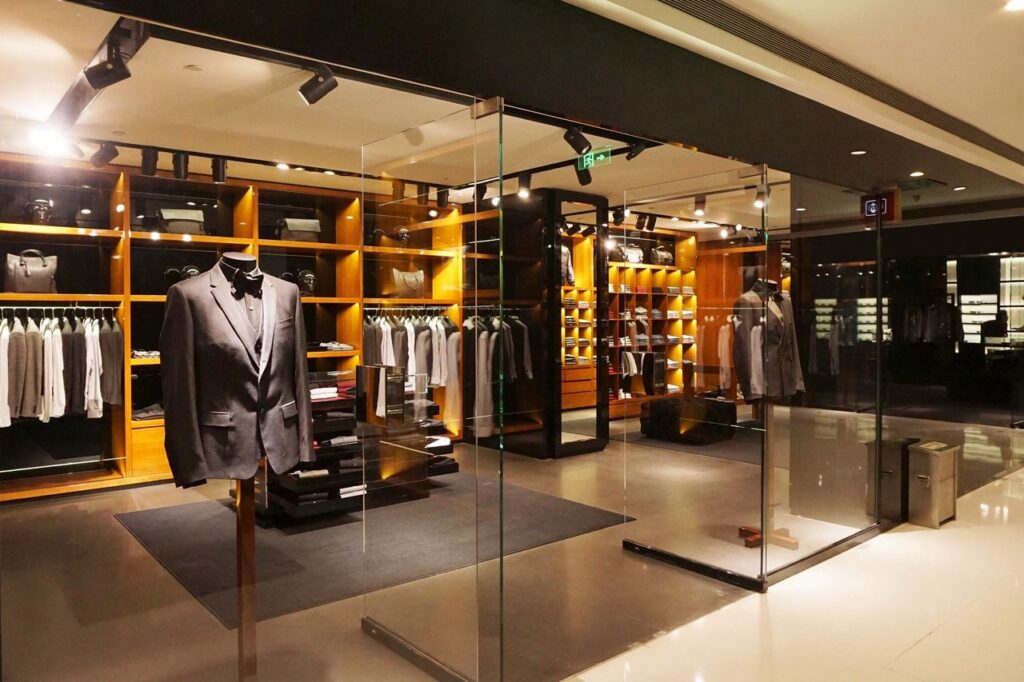
Additionally, luxury stores are often meticulously designed to evoke a sense of elegance and exclusivity. Research on sensory marketing suggests that sensory-rich environments can lead to positive consumer associations and increase perceived quality, particularly in luxury contexts (Hagtvedt & Patrick, 2008).
Tip: Focusing on sensory appeal allows brands to create memorable experiences that enhance consumer attachment and satisfaction.
4. Brand Storytelling and Heritage
Luxury brands often employ storytelling as a tactic to communicate their heritage, values, and craftsmanship. Effective storytelling resonates emotionally with consumers, making them feel part of a brand’s legacy. Brands like Gucci and Rolls-Royce showcase their history, craftsmanship, and commitment to quality, creating an aura of timeless prestige that appeals to consumers’ desire for tradition and legacy.
Psychological studies show that storytelling creates an emotional connection, as narratives engage consumers on a deeper level and foster a sense of belonging (Escalas, 2004). When consumers buy from a luxury brand with a storied history, they may feel as though they are acquiring a piece of the brand’s legacy, which enhances loyalty and perceived value.
Tip: Brand storytelling helps create emotional connections, encouraging consumers to see luxury products as more than just goods—they become symbols of tradition and exclusivity.
5. The Power of Minimalism in Luxury Branding
Minimalism, characterised by simplicity and refinement, is a common theme in luxury branding. Luxury brands often use minimalist designs and marketing campaigns to convey sophistication, letting the product’s quality speak for itself. This strategy is based on the principle that simplicity and elegance signal high quality and reduce cognitive load, making the product appear more refined (Kapferer & Bastien, 2009).
Apple, for instance, uses minimalist advertising and product design to position itself as a luxury technology brand. Research indicates that minimalist designs appeal to high-status consumers who view simplicity as a marker of quality and prestige (Pieters et al., 2010).
Tip: Minimalism in design and messaging can enhance perceptions of luxury by emphasising quality over excess.
6. Psychological Pricing: Creating Perceived Value
Pricing strategies play a crucial role in the psychology of luxury branding. Luxury brands employ psychological pricing to create a perception of exclusivity and quality. Higher price points signal that a product is premium, which attracts consumers who associate price with quality (Rao & Monroe, 1989). By positioning their products at a high price, brands signal that their offerings are valuable and unique.
Furthermore, luxury brands often avoid discounts, as reduced pricing could diminish the perception of exclusivity. Research suggests that maintaining premium pricing reinforces brand identity and helps attract status-conscious consumers who are willing to pay more for perceived quality (Ordabayeva & Chandon, 2011).
Tip: Premium pricing, without discounts, reinforces the luxury brand’s image and ensures that customers perceive the product as exclusive and high-quality.
7. Celebrity Endorsements and Influence
Celebrity endorsements are commonly used by luxury brands to enhance appeal and create aspirational associations. Celebrities embody lifestyles that many consumers aspire to, and their association with a brand signals that the brand aligns with an elite or desirable lifestyle (McCracken, 1989). For instance, brands like Louis Vuitton and Bulgari use high-profile celebrities to endorse products, reinforcing the brand’s image of exclusivity.
Studies suggest that consumers are more likely to be drawn to products endorsed by public figures they admire, as this association creates an aspirational link between the consumer and the celebrity’s lifestyle (Kamins, 1990). This tactic works particularly well in luxury branding, as consumers seek to align themselves with the status and glamour of their idols.
Tip: Celebrity endorsements can reinforce a luxury brand’s image, positioning it as an aspirational choice for consumers.
8. Emphasis on Customer Experience and Personalisation
Personalised customer experiences are a hallmark of luxury branding. Luxury brands focus on tailoring their services to meet individual preferences, offering bespoke experiences that make customers feel valued and unique. For example, high-end brands often offer personalised shopping services, exclusive events, and VIP treatment to cultivate loyalty and satisfaction.
Research indicates that personalisation in customer service enhances consumer satisfaction and creates emotional bonds with the brand (Arora et al., 2008). Luxury consumers are more likely to feel loyalty toward brands that acknowledge their individuality, making personalisation an effective tactic for building long-term relationships.
Tip: Offering personalised experiences helps luxury brands foster customer loyalty, as consumers appreciate the attention to their unique needs.
Conclusion
Luxury brands rely on a variety of psychological tactics to appeal to consumers, going beyond mere functionality to engage with emotional, social, and aspirational desires. By using exclusivity, scarcity, sensory appeal, storytelling, and personalised experiences, luxury brands create an environment where consumers perceive their products as symbols of status, quality, and identity. These strategies tap into deep psychological needs, making luxury goods desirable not just for their material value but for the lifestyle and prestige they represent. Understanding these psychological tactics provides insights into why luxury brands continue to captivate and command loyalty among consumers worldwide.
References
- Arora, N., Dreze, X., Ghose, A., Hess, J. D., Iyengar, R., Jing, B., Joshi, Y. V., Kumar, V., Lovett, M., & Neslin, S. A. (2008). Putting one-to-one marketing to work: Personalisation, customisation, and choice. Marketing Letters, 19(3-4), pp. 305-321.
- Cialdini, R. B. (2009). Influence: Science and Practice. 5th ed. Pearson Education.
- Escalas, J. E. (2004). Narrative processing: Building consumer connections to brands. Journal of Consumer Psychology, 14(1-2), pp. 168-180.
- Han, Y. J., Nunes, J. C., & Drèze, X. (2010). Signaling status with luxury goods: The role of brand prominence. Journal of Marketing, 74(4), pp. 15-30.
- Hagtvedt, H., & Patrick, V. M. (2008). Art infusion in the consumption experience. Journal of Marketing Research, 45(3), pp. 379-389.
- Kamins, M. A. (1990). An investigation into the “match-up” hypothesis in celebrity advertising: When beauty may be only skin deep. Journal of Advertising, 19(1), pp. 4-13.
- Kapferer, J. N., & Bastien, V. (2009). The Luxury Strategy: Break the Rules of Marketing to Build Luxury Brands. Kogan Page.
- Krishna, A. (2012). An integrative review of sensory marketing: Engaging the senses to affect perception, judgment and behaviour. Journal of Consumer Psychology, 22(3), pp. 332-351.
- Lynn, M. (1991). Scarcity effects on value: A quantitative review of the commodity theory literature. *Psych
How to get in touch
If you or your NDIS participant need immediate mental healthcare assistance, feel free to get in contact with us on 1800 NEAR ME – admin@therapynearme.com.au