
Anja Christoffersen is a young woman from Australia who was born with a rare condition known as uterus didelphys, which means she has two vaginas, two wombs, and two cervixes. This congenital condition results from an incomplete fusion of the Müllerian ducts during embryonic development, leading to the duplication of the reproductive system (Heinonen, 1984). While some women with uterus didelphys remain asymptomatic, others experience complications such as menstrual irregularities, infertility, and difficulties during pregnancy (Raga et al., 1997).
Keywords: VACTERL association, VATER syndrome. Congenital birth defects, Vertebral anomalies in VACTERLl Anal atresia and VACTERL, VACTERL diagnosis, Cardiac defects in VACTERL,Tracheo-esophageal fistula in VACTERL, Renal anomalies in VACTERL association
What Is Uterus Didelphys?
Uterus didelphys, also known as a double uterus, occurs when a female’s reproductive system develops two separate uteri, each with its own cervix. It is one of several Müllerian duct anomalies, which can affect the shape, size, and functionality of the reproductive organs. In women with this condition, the reproductive system is duplicated, but the external genitalia typically appear normal (Grimbizis et al., 2001).
Anja Christoffersen, despite the challenges posed by her condition, has become an advocate for awareness of congenital reproductive anomalies and aims to destigmatise conditions like hers by sharing her personal journey. By bringing attention to uterus didelphys, she highlights the importance of early diagnosis and medical care for women with similar conditions.
Symptoms and Challenges
The symptoms and effects of uterus didelphys vary widely. Some women remain asymptomatic and only discover the condition through imaging studies conducted for unrelated reasons. However, for others, uterus didelphys can lead to complications such as:
- Menstrual Difficulties: Women with uterus didelphys may experience two separate menstrual cycles, as both uteri function independently (Grimbizis et al., 2001). This can lead to irregular or painful menstruation.
- Fertility Issues: While many women with this condition can conceive, they may face a higher risk of miscarriage, preterm labour, or complications during delivery, depending on the size and shape of the uteri (Raga et al., 1997).
- Pregnancy Complications: Women with uterus didelphys who become pregnant are often monitored closely, as the condition increases the likelihood of preterm birth, breech presentation, and the need for caesarean delivery. Anja Christoffersen has shared that pregnancy is possible but can be complex due to the condition’s unique anatomy.
- Emotional and Psychological Impact: Conditions like uterus didelphys can have a profound emotional impact, leading to anxiety about fertility and reproductive health. Anja’s advocacy is also focused on raising awareness of these psychological aspects, helping women to feel less isolated in their experiences.
Diagnosis and Treatment
Uterus didelphys is typically diagnosed through imaging tests such as ultrasound, MRI, or hysterosalpingography (a workd X-ray used to examine the uterus and fallopian tubes) (Heinonen, 1984). Many cases are identified when women experience difficulties related to menstruation or pregnancy.
Treatment for uterus didelphys largely depends on the symptoms. Women who are asymptomatic may not require treatment, while those with significant menstrual pain or reproductive complications may need surgical intervention. In cases where reproductive issues are a concern, assisted reproductive technologies (ART), such as in vitro fertilisation (IVF), may be helpful (Grimbizis et al., 2001).
Anja Christoffersen’s Advocacy
Anja Christoffersen’s openness about her experiences living with uterus didelphys has helped to raise awareness of this and other congenital reproductive conditions. Her journey emphasises the importance of recognising the diversity of women’s reproductive health experiences. By speaking publicly, Anja has empowered others with similar conditions to seek support and medical attention without fear of stigma.
Modeling Asperations
Anja Christoffersen’s journey into the world of modelling reflects her drive to challenge beauty standards and promote body positivity, particularly for women living with medical conditions like uterus didelphys. Despite facing health challenges, Anja has embraced modelling as a platform to raise awareness about congenital reproductive issues and advocate for women’s health. Through her work, she seeks to highlight the importance of diverse representations of beauty, breaking away from traditional norms, and empowering others to embrace their uniqueness and overcome personal struggles.
Anja’s Mental Health
Anja Christoffersen has been open about the mental health challenges she has faced due to living with uterus didelphys, a condition that can create both physical and emotional difficulties. As a result of dealing with multiple surgeries, chronic pain, and concerns around fertility, Anja has experienced feelings of isolation, anxiety, and self-consciousness. However, through her advocacy work, she has found empowerment, using her platform to encourage others with similar conditions to seek mental health support, break the stigma surrounding reproductive health, and share their stories.
The psychological toll of living with a rare condition like uterus didelphys can be profound, particularly when compounded by societal pressures around fertility and body image. Anxiety and depression are common in individuals facing chronic health issues, especially when the condition affects intimate aspects of life such as reproduction. Christoffersen has stressed the importance of open conversations about mental health in conjunction with medical treatment, as emotional support is essential for managing both the physical and psychological aspects of such conditions.
By using social media and public platforms, Anja has become a voice for those with similar experiences, promoting resilience, body positivity, and the importance of seeking both medical and psychological care. Her advocacy extends to raising awareness about the mental health impacts of reproductive disorders, ensuring that women know they are not alone and that help is available.
VACTERL Association: An Overview of a Rare Congenital Disorder
VACTERL association (also referred to as VATER association) is a rare congenital condition characterised by the presence of a combination of birth defects affecting multiple systems of the body. The acronym VACTERL stands for Vertebral defects, Anal atresia, Cardiac defects, Tracheo-Esophageal fistula, Renal anomalies, and Limb abnormalities, which are the primary malformations seen in individuals with this condition. Although the exact cause of VACTERL association remains unclear, it is believed to be multifactorial, involving both genetic and environmental factors.
Key Features of VACTERL Association
- Vertebral Defects
Around 70% of individuals with VACTERL have vertebral anomalies, including missing or malformed vertebrae, scoliosis, and spina bifida. These abnormalities can lead to spinal deformities and may require surgical intervention to improve mobility and reduce discomfort (Solomon, 2011). - Anal Atresia
Anal atresia, or the absence of a normal anal opening, is another key feature of VACTERL. This condition often requires surgical correction shortly after birth to allow normal bowel function. Without intervention, complications such as bowel obstruction can occur (Quan & Smith, 1973). - Cardiac Defects
Heart malformations, such as ventricular septal defects (holes in the heart) or tetralogy of Fallot, are commonly observed in individuals with VACTERL. These heart defects range in severity, and some may necessitate surgery, while others can be managed with medication (Khoury et al., 1983). - Tracheo-Esophageal Fistula (TEF)
TEF is a common respiratory and digestive abnormality in VACTERL. It involves an abnormal connection between the trachea and oesophagus, which can lead to feeding difficulties and recurrent lung infections. Surgery is required to separate the trachea and oesophagus (Rittler & Castilla, 2001). - Renal Anomalies
Kidney abnormalities are prevalent, ranging from missing kidneys (renal agenesis) to structural anomalies that affect kidney function. These issues may lead to urinary tract infections or chronic kidney disease if left untreated (Solomon, 2011). - Limb Abnormalities
Limb defects, including missing fingers or toes, forearm anomalies, or radial aplasia (underdevelopment of the radius bone), can occur in individuals with VACTERL. In some cases, surgery or prosthetics may be recommended to improve functionality (Quan & Smith, 1973).
Diagnosis and Management
VACTERL association is typically diagnosed based on clinical evaluation and imaging studies. There is no definitive genetic test for VACTERL, as it is not linked to a specific chromosomal abnormality, making diagnosis challenging. Instead, physicians look for the presence of at least three of the seven characteristic anomalies (Solomon, 2011).
Management of VACTERL is highly individualised and depends on the severity and combination of anomalies present. A multidisciplinary team of specialists, including paediatricians, surgeons, cardiologists, and nephrologists, is often required to address the various health issues associated with the condition. Surgical intervention is common for correcting structural anomalies, such as heart defects, anal atresia, and tracheo-oesophageal fistulas.
Prognosis
The prognosis for individuals with VACTERL association varies depending on the severity and number of anomalies. While some individuals may experience complications that impact their quality of life, many lead fulfilling lives with appropriate medical care and ongoing management of their condition. Early detection and intervention, especially for life-threatening conditions like cardiac defects and TEF, are crucial for improving outcomes (Khoury et al., 1983).
Genetic and Environmental Factors
Although the exact cause of VACTERL is unknown, researchers believe that both genetic and environmental factors play a role in its development. Some studies have suggested a genetic predisposition due to familial cases of VACTERL, while environmental factors such as maternal diabetes or exposure to teratogens have also been implicated (Rittler & Castilla, 2001). However, more research is needed to understand the mechanisms behind the association.
Conclusion
Uterus didelphys is a rare congenital condition that can present unique challenges, but with early diagnosis and appropriate care, women with this condition can manage their health and reproductive outcomes effectively. Advocates like Anja Christoffersen play an important role in raising awareness, providing education, and encouraging open discussions about reproductive health.
Anja Christoffersen’s story is one of resilience and determination. Born with uterus didelphys, she faced multiple surgeries and health challenges from a young age. Despite these struggles, Anja aspired to make an impact, both as a model and as a powerful advocate for body positivity and women’s health. She turned her personal challenges into a platform for raising awareness about reproductive health issues, inspiring others to embrace their differences and seek support. Anja’s journey highlights her courage in breaking stigmas and striving for self-empowerment.
VACTERL association is a rare, complex congenital condition that affects multiple organ systems. Its diagnosis relies on identifying a combination of vertebral, anal, cardiac, tracheal, renal, and limb anomalies. Due to its complexity, managing VACTERL requires a collaborative approach from a multidisciplinary team of healthcare professionals. While the condition presents significant challenges, early diagnosis and intervention can improve quality of life for those affected.
References
- Grimbizis, G. F., Camus, M., Tarlatzis, B. C., Bontis, J. N., & Devroey, P. (2001). Clinical implications of uterine malformations and hysteroscopic treatment results. Human Reproduction Update, 7(2), 161-174.
- Heinonen, P. K. (1984). Uterus didelphys: A report of 26 cases. European Journal of Obstetrics & Gynecology and Reproductive Biology, 17(5), 345-350.
- Raga, F., Bauset, C., Remohí, J., Bonilla-Musoles, F., Simón, C., & Pellicer, A. (1997). Reproductive impact of congenital Müllerian anomalies. Human Reproduction, 12(10), 2277-2281.
- Khoury, M. J., Cordero, J. F., Mulinare, J., & Opitz, J. M. (1983). Selected midline defect associations: A population study. American Journal of Medical Genetics, 16(2), 421-431.
- Quan, L., & Smith, D. W. (1973). The VATER association. Vertebral defects, Anal atresia, T-E fistula with esophageal atresia, Radial and Renal dysplasia: A spectrum of associated defects. Journal of Pediatrics, 82(1), 104-107.
- Rittler, M., & Castilla, E. E. (2001). VATER and other congenital anomaly syndromes. American Journal of Medical Genetics Part A, 101(1), 48-52.
- Solomon, B. D. (2011). VACTERL/VATER association. Orphanet Journal of Rare Diseases, 6(1), 56.
How to get in touch
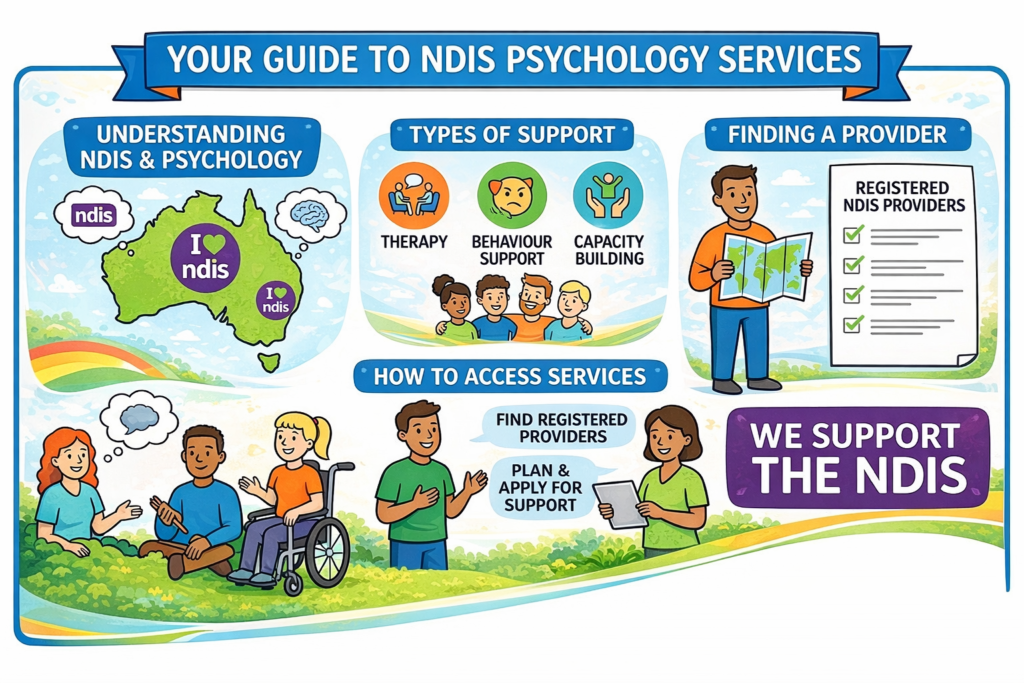
If you or your NDIS participant need immediate mental healthcare assistance, feel free to get in contact with us on 1800 NEAR ME – admin@therapynearme.com.au