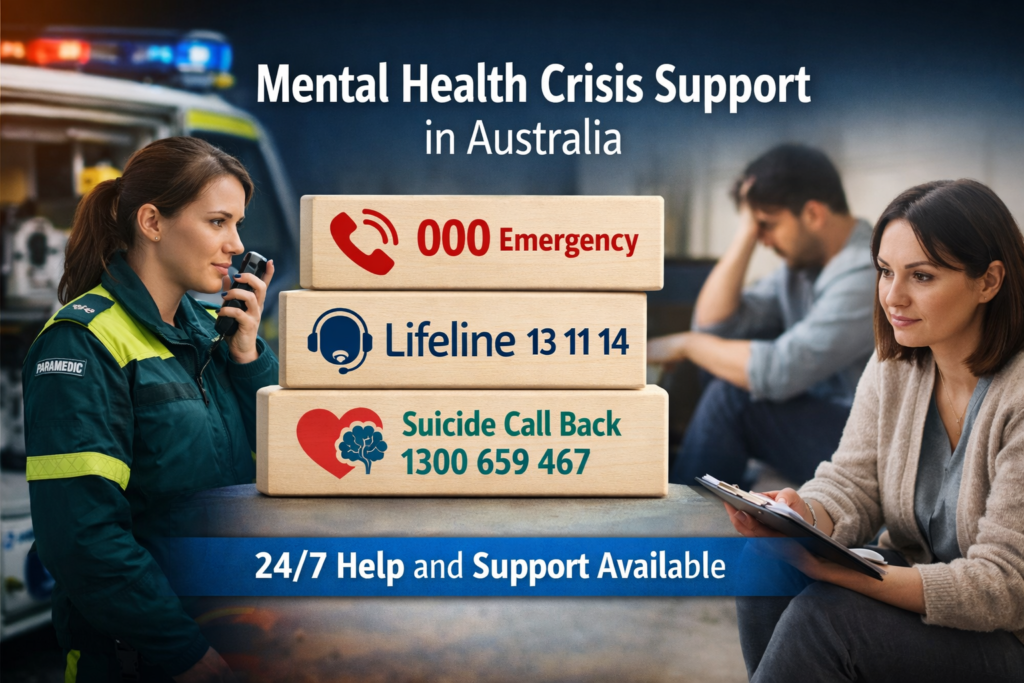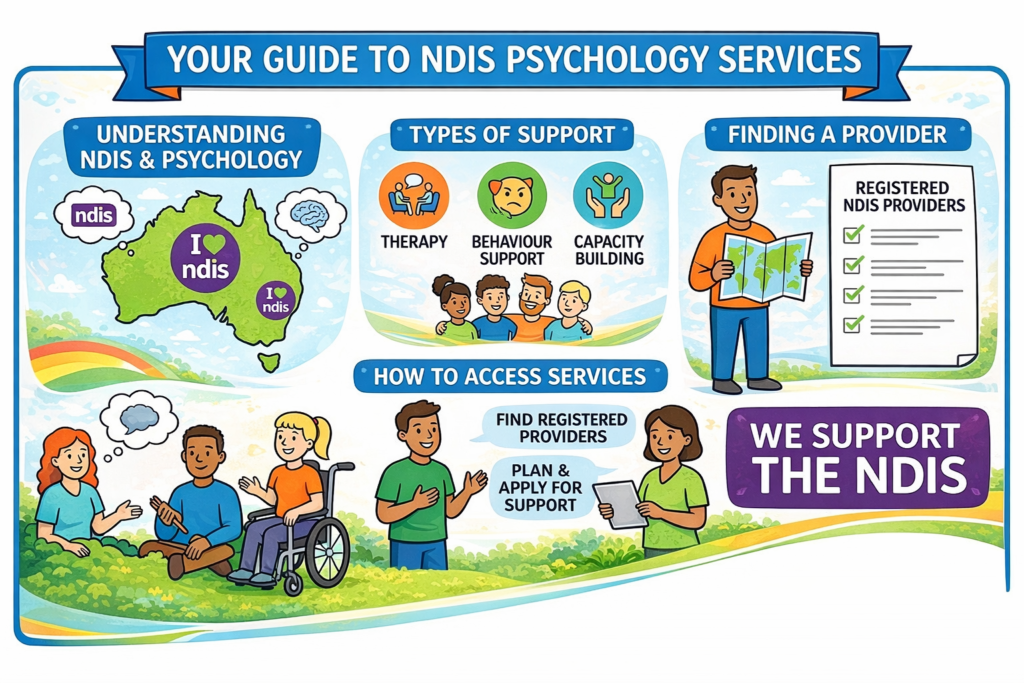

The world often views Olympic athletes as paragons of strength, determination, and resilience. However, beneath their impressive achievements, many athletes face significant mental health challenges. The high stakes, intense pressure, and rigorous demands of competitive sports can take a toll on mental wellbeing. This article explores the mental health struggles of some famous Olympic athletes, highlighting the importance of mental health awareness and support in the world of sports.
Keywords: Olympic athletes, mental health, sports psychology, athlete wellbeing, mental health awareness, famous athletes mental health
Michael Phelps: Overcoming Depression and Anxiety
Michael Phelps, the most decorated Olympian of all time, has openly discussed his battles with depression and anxiety. Despite his success in the pool, Phelps experienced severe mental health issues, particularly after the 2012 London Olympics. He admitted to contemplating suicide and has since become a vocal advocate for mental health awareness.
- Public Advocacy: Phelps has partnered with organisations like Talkspace and the Michael Phelps Foundation to promote mental health resources and support (Phelps, 2018).
- Therapy and Support: He credits therapy and a strong support system for helping him manage his mental health (Phelps, 2018).
Simone Biles: Prioritising Mental Health Over Competition
Simone Biles, widely regarded as the greatest gymnast of all time, made headlines during the Tokyo 2020 Olympics when she withdrew from several events to focus on her mental health. Biles cited “the twisties,” a mental block that affects gymnasts’ spatial awareness, as a key factor in her decision.
- Impact on Performance: Biles’ openness about her mental health struggles has shed light on the intense pressures faced by elite athletes (Biles, 2021).
- Support and Advocacy: Her decision was widely supported by fans and fellow athletes, highlighting the importance of prioritising mental health over competition (Biles, 2021).
Naomi Osaka: Addressing Anxiety and Depression
Tennis star Naomi Osaka, a four-time Grand Slam champion and Olympic athlete, withdrew from the French Open in 2021 to prioritise her mental health. Osaka revealed that she has struggled with depression and anxiety since winning her first Grand Slam title in 2018.
- Media Pressure: Osaka’s withdrawal sparked a global conversation about the pressures athletes face from media obligations and public scrutiny (Osaka, 2021).
- Mental Health Advocacy: She has since used her platform to advocate for mental health awareness, emphasising the need for athletes to take care of their mental wellbeing (Osaka, 2021).
Ian Thorpe: Battling Depression
Australian swimmer Ian Thorpe, known as one of the greatest freestyle swimmers in history, has openly discussed his struggles with depression. Thorpe’s mental health challenges became particularly severe after his retirement from competitive swimming.
- Public Disclosure: In his autobiography, Thorpe detailed his battle with depression, including moments of deep despair and thoughts of self-harm (Thorpe, 2012).
- Support and Treatment: Thorpe has sought treatment and continues to advocate for mental health support, encouraging others to seek help when needed (Thorpe, 2012).
Aly Raisman: Coping with PTSD
Olympic gymnast Aly Raisman has spoken publicly about her experience with post-traumatic stress disorder (PTSD) following the abuse she endured from former USA Gymnastics team doctor Larry Nassar. Raisman has become an outspoken advocate for survivors of abuse and mental health awareness.
- Advocacy and Healing: Raisman’s advocacy work focuses on supporting survivors and promoting mental health resources (Raisman, 2018).
- Ongoing Challenges: She continues to share her journey of healing, emphasising the importance of mental health care and support (Raisman, 2018).
Adam Peaty: Managing Anxiety and Pressure
British swimmer Adam Peaty, an Olympic gold medallist, has been open about his struggles with anxiety and the immense pressure of maintaining peak performance. Peaty has highlighted the importance of mental health support for athletes.
- Balancing Mental Health: Peaty discusses the need for a balanced approach to training and mental health, advocating for psychological support alongside physical training (Peaty, 2021).
- Public Awareness: His transparency has helped raise awareness about the mental health challenges faced by athletes and the importance of seeking help (Peaty, 2021).
Cate Campbell: Coping with Anxiety and Depression
Cate Campbell, an Olympic gold medallist swimmer, has spoken about her experiences with anxiety and depression. Campbell’s openness has helped to shed light on the mental health challenges faced by elite athletes.
- Personal Struggles: Campbell has described feeling immense pressure to perform, which led to anxiety and depression (Campbell, 2020).
- Advocacy for Mental Health: By sharing her story, Campbell aims to break the stigma surrounding mental health and encourage others to seek support (Campbell, 2020).
Stephanie Rice: Overcoming Depression
Stephanie Rice, a triple Olympic gold medallist in swimming, faced significant mental health challenges after her retirement. Rice has been open about her struggle with depression and the difficulties of transitioning to life after sport.
- Post-Retirement Challenges: Rice experienced depression after retiring from competitive swimming, struggling to find purpose and identity outside of her sport (Rice, 2017).
- Raising Awareness: Rice now uses her platform to raise awareness about mental health and the importance of seeking help (Rice, 2017).
Grant Hackett: Addressing Mental Health Issues
Grant Hackett, another celebrated Australian swimmer, has had well-documented struggles with mental health. Hackett’s issues became particularly severe following his retirement.
- Mental Health Struggles: Hackett has battled with depression and substance abuse, which have been widely covered in the media (Hackett, 2017).
- Seeking Help: Hackett has sought professional help and now speaks about the importance of mental health support for athletes (Hackett, 2017).
Sally Pearson: Dealing with Anxiety
Sally Pearson, an Olympic gold medallist in hurdling, has openly discussed her battle with anxiety. Pearson’s experiences highlight the pressures faced by athletes at the highest levels of competition.
- Performance Pressure: Pearson has described how the pressure to perform led to severe anxiety (Pearson, 2019).
- Encouraging Openness: Pearson advocates for greater openness about mental health issues in sports and the need for support systems (Pearson, 2019).
Matthew Mitcham: Conquering Depression and Addiction
Matthew Mitcham, an Olympic gold medallist in diving, has been candid about his struggles with depression and addiction. Mitcham’s journey to recovery has been an inspiration to many.
- Personal Battle: Mitcham struggled with depression and substance abuse, which he detailed in his autobiography “Twists and Turns” (Mitcham, 2012).
- Advocacy and Support: Mitcham now speaks about his experiences to raise awareness and support others facing similar challenges (Mitcham, 2012).
Shaun White: Overcoming Depression
Snowboarding legend Shaun White, a three-time Olympic gold medallist, has shared his experiences with depression. White’s mental health challenges became particularly severe after a significant injury.
- Post-Injury Depression: White experienced depression following a severe injury that threatened his career (White, 2018).
- Support Systems: He has highlighted the importance of seeking support and staying connected with loved ones during tough times (White, 2018).
Adam Rippon: Dealing with Anxiety
Figure skater Adam Rippon, an Olympic bronze medallist, has been open about his struggles with anxiety. Rippon has used his platform to discuss the mental health challenges faced by athletes, particularly in the LGBTQ+ community.
- Mental Health Advocacy: Rippon advocates for mental health awareness and support, particularly for LGBTQ+ athletes (Rippon, 2019).
- Personal Struggles: He has shared his journey of managing anxiety and the importance of mental health care (Rippon, 2019).
Nicola Adams: Coping with Anxiety and Depression
Nicola Adams, a two-time Olympic gold medallist in boxing from the UK, has shared her experiences with anxiety and depression. Despite her success, Adams faced significant mental health challenges during her career.
- Personal Struggles: Adams has described how the pressure to perform and the demands of her sport led to anxiety and depression (Adams, 2020).
- Advocacy for Mental Health: By sharing her story, Adams aims to break the stigma surrounding mental health and encourage others to seek support (Adams, 2020).
Sven Hannawald: Overcoming Burnout and Depression
German ski jumper Sven Hannawald, an Olympic gold medallist, experienced severe burnout and depression during his career. Hannawald’s story highlights the intense pressures faced by athletes and the importance of mental health care.
- Burnout and Recovery: Hannawald took a break from his sport to focus on his mental health, eventually returning to competition with a renewed perspective (Hannawald, 2018).
- Mental Health Advocacy: He now speaks about his experiences to raise awareness and promote mental health support for athletes (Hannawald, 2018).
Yelena Isinbayeva: Managing Stress and Anxiety
Russian pole vaulter Yelena Isinbayeva, a two-time Olympic gold medallist, has discussed her struggles with stress and anxiety. Isinbayeva’s experiences highlight the mental health challenges faced by athletes at the highest levels of competition.
- Performance Pressure: Isinbayeva has described how the pressure to perform led to severe stress and anxiety (Isinbayeva, 2016).
- Encouraging Openness: Isinbayeva advocates for greater openness about mental health issues in sports and the need for support systems (Isinbayeva, 2016).
Kjetil Jansrud: Dealing with Anxiety and Depression
Norwegian alpine skier Kjetil Jansrud, an Olympic gold medallist, has been open about his struggles with anxiety and depression. Jansrud’s transparency has helped to shed light on the mental health challenges faced by athletes.
- Personal Challenges: Jansrud has described how the demands of his sport and personal expectations led to anxiety and depression (Jansrud, 2019).
- Advocacy for Mental Health: By sharing his experiences, Jansrud aims to encourage others to seek help and prioritise their mental wellbeing (Jansrud, 2019).
Conclusion
The mental health struggles of these famous Olympic athletes underscore the importance of recognising and addressing mental health issues in sports. Their openness and advocacy have helped break the stigma surrounding mental health, encouraging others to seek help and prioritise their wellbeing. As the conversation around mental health in sports continues to grow, it is crucial to provide athletes with the resources and support they need to thrive both in and out of competition.
References
- Adams, N. (2020). Nicola Adams on mental health struggles and the importance of seeking help.
- Biles, S. (2021). Simone Biles opens up about mental health struggles during the Olympics.
- Campbell, C. (2020). Cate Campbell on mental health struggles and the importance of seeking help.
- Hackett, G. (2017). Grant Hackett opens up about his battle with mental health.
- Hannawald, S. (2018). Sven Hannawald discusses overcoming burnout and depression.
- Isinbayeva, Y. (2016). Yelena Isinbayeva on managing stress and anxiety in competitive sports.
- Jansrud, K. (2019). Kjetil Jansrud opens up about his battle with anxiety and depression.
- Mitcham, M. (2012). Twists and Turns: My Story. HarperCollins.
- Osaka, N. (2021). Naomi Osaka’s statement on withdrawing from the French Open.
- Peaty, A. (2021). Adam Peaty discusses managing anxiety and pressure.
- Pearson, S. (2019). Sally Pearson discusses dealing with anxiety and performance pressure.
- Phelps, M. (2018). Michael Phelps talks about depression and mental health.
- Raisman, A. (2018). Aly Raisman on coping with PTSD and advocacy for abuse survivor.
- Rice, S. (2017). Stephanie Rice on overcoming depression after retirement..
- Thorpe, I. (2012). This is Me: The Autobiography. Simon & Schuster.
- Rippon, A. (2019). Adam Rippon discusses dealing with anxiety and mental health advocacy.
- White, S. (2018). Shaun White on overcoming depression and the importance of support.
- World Health Organization. (2017). Depression and other common mental disorders: Global health estimates. Retrieved from https://www.who.int/publications/i/item/depression-global-health-estimates
How to get in touch
If you or your NDIS participant need immediate mental healthcare assistance, feel free to get in contact with us on 1800 NEAR ME – admin@therapynearme.com.au.