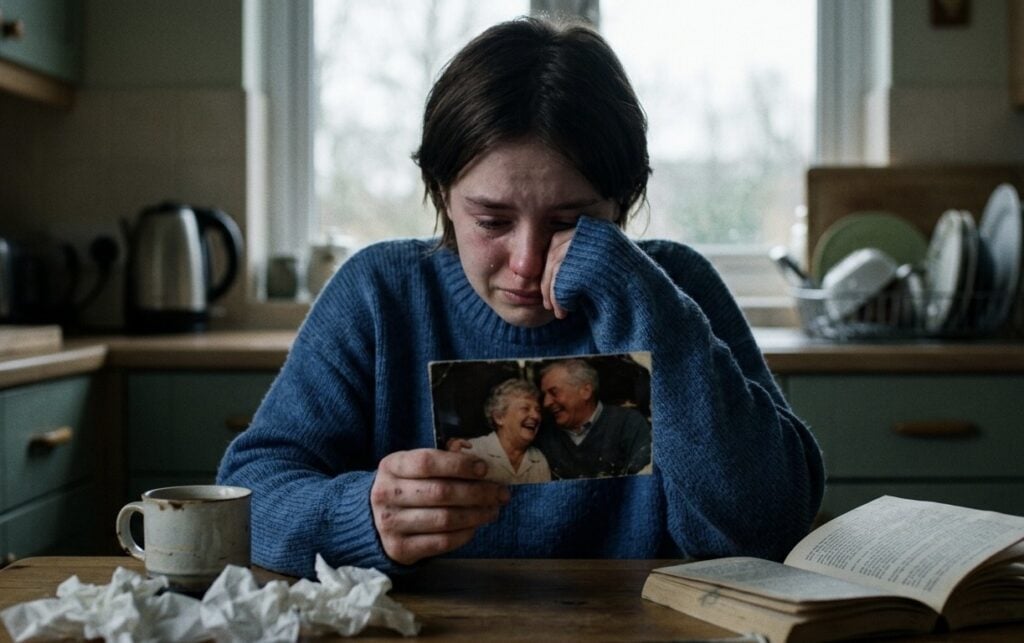

Courage is a universally admired virtue, often described as the mental or moral strength to persevere through fear, uncertainty, or adversity. Throughout history, courage has been celebrated in stories, philosophy, and psychological research. It is not only the ability to confront danger but also the capacity to act in the face of challenges that may test one’s resolve. In this article, we explore the nature of courage, its significance in everyday life, and the psychological mechanisms behind courageous actions.
Defining Courage
Courage is traditionally associated with heroism, bravery in the face of physical danger, or moral integrity when standing up for one’s beliefs. The Oxford English Dictionary defines courage as “the ability to do something that frightens one” and “strength in the face of pain or grief.” However, courage can be demonstrated in more subtle, everyday ways—such as speaking up against injustice, overcoming personal fears, or making difficult decisions despite uncertainty.
In philosophical terms, Aristotle regarded courage as a virtue essential to living a good life, situating it as a mean between recklessness and cowardice (Aristotle, 2004). For Aristotle, courage involves not only confronting fear but also recognising when fear is appropriate and acting wisely in dangerous situations.
The Psychology of Courage
Courage, from a psychological perspective, is more than just the absence of fear—it is action despite fear. Research in psychology categorises courage into several types:
- Physical courage: Facing physical danger or threats to bodily harm, such as soldiers in battle or first responders in emergencies.
- Moral courage: Standing up for one’s principles, even when it may result in social ostracism or personal loss.
- Psychological courage: Confronting internal fears, such as battling mental illness, addiction, or self-doubt.
Fear and Action: The Core of Courage
One of the most important elements of courage is the ability to act despite fear. Courageous individuals are not devoid of fear but have learned how to manage and harness it effectively. According to Rachman’s (1990) research on fear, courageous people are able to perform actions despite experiencing anxiety or fear by reframing their fears or through exposure to fearful situations over time.
The psychologist Paul Tillich (1952) described courage as “the affirmation of one’s essential being despite the threat of non-being.” This means that courage is rooted in an individual’s ability to affirm their values and self-identity even when faced with situations that could diminish or destroy those values.
Types of Courage in Modern Research
Modern psychological research categorises courage into three main types: physical, moral, and psychological (Putman, 2001). Each type encompasses a different domain of action, but they all share the common feature of confronting and overcoming fear.
- Physical Courage: This involves facing physical challenges, such as running into a burning building to save someone or standing up in the face of physical danger. This type of courage is the most commonly recognised form and is often associated with heroic acts.
- Moral Courage: Moral courage involves doing the right thing, even when it is difficult or unpopular. This could be standing up to a bully, speaking out against injustice, or defending someone who is being treated unfairly. Moral courage is often harder to quantify but can have a significant impact on social and personal justice.
- Psychological Courage: This form of courage relates to overcoming internal struggles, such as battling addiction, mental illness, or trauma. It also includes the courage to pursue personal growth, face one’s own limitations, and accept vulnerability (Pury & Lopez, 2010).
Courage in Everyday Life
Courage is not limited to life-threatening situations or extraordinary challenges. In fact, everyday courage is just as essential for personal growth and social change. Examples of everyday courage include:
- Facing difficult conversations: Whether it’s discussing personal boundaries, voicing a dissenting opinion at work, or admitting mistakes, these acts require courage because they may expose us to criticism, conflict, or vulnerability.
- Making life-changing decisions: Decisions such as leaving a toxic relationship, changing careers, or starting a new venture involve uncertainty and risk, which calls for personal courage.
- Courage in the face of adversity: Whether dealing with illness, financial hardship, or grief, courage helps individuals navigate difficult times without giving in to despair or helplessness.
The Role of Courage in Mental Health
Courage plays a significant role in mental health, especially when facing conditions like depression, anxiety, or trauma. Psychological courage involves confronting and managing difficult emotions, seeking help, and persisting in treatment despite obstacles. Research suggests that building resilience through acts of courage—such as engaging in therapy or facing distressing emotions—can lead to better mental health outcomes (Schneider, 2003).
Moreover, courage is a critical component of post-traumatic growth, where individuals find meaning and personal growth after experiencing trauma (Tedeschi & Calhoun, 1996). The act of confronting painful memories or difficult situations head-on can foster resilience and healing.
Courage and Leadership
Courage is also a vital characteristic of effective leadership. Leaders are often called upon to make difficult decisions, take risks, and inspire others to act with integrity. Brené Brown (2018), in her work on vulnerability and leadership, emphasises that courageous leaders are those who are willing to embrace uncertainty, admit their own fears, and encourage open dialogue in their teams. Courageous leadership is not about the absence of fear but rather the willingness to engage with fear and lead with authenticity.
Conclusion
Courage is a multi-faceted quality that goes beyond the heroism depicted in popular culture. It includes the bravery to face physical danger, the moral strength to stand up for one’s values, and the psychological resilience to confront internal fears. Whether it’s making difficult decisions, speaking out against injustice, or overcoming personal challenges, courage is an essential trait for personal growth, mental health, and social progress. By cultivating courage in everyday life, individuals can develop the resilience needed to face life’s many challenges.
References
- Aristotle. (2004). Nicomachean Ethics. Trans. J.A.K. Thomson. Penguin Books.
- Brown, B. (2018). Dare to Lead: Brave Work, Tough Conversations, Whole Hearts. Random House.
- Putman, D. (2001). The emotions of courage. Journal of Social Philosophy, 32(4), 463–470.
- Pury, C. L., & Lopez, S. J. (2010). The Psychology of Courage: Modern Research on an Ancient Virtue. American Psychological Association.
- Rachman, S. (1990). Fear and Courage. W. H. Freeman and Company.
- Schneider, K. J. (2003). The paradoxical self: Toward an understanding of existential courage. Journal of Humanistic Psychology, 43(2), 61–71.
- Tedeschi, R. G., & Calhoun, L. G. (1996). The posttraumatic growth inventory: Measuring the positive legacy of trauma. Journal of Traumatic Stress, 9(3), 455–471.
How to get in touch
If you or your NDIS participant need immediate mental healthcare assistance, feel free to get in contact with us on 1800 NEAR ME – admin@therapynearme.com.au.