
The use of electronic cigarettes, commonly known as vaping, has surged in popularity over recent years. While much of the focus has been on the physiological implications, there is a growing body of research examining the effects of vaping on mental health. This article provides a comprehensive overview of current scientific literature on the subject, exploring how vaping might impact psychological well-being, cognitive function, and emotional stability.
Introduction
Electronic cigarettes, colloquially known as e-cigarettes or vapes, have been marketed as a safer alternative to traditional tobacco smoking. However, the potential risks associated with vaping extend beyond the physical and into the realm of mental health. A burgeoning field of scientific inquiry is exploring the complex relationship between vaping and psychological well-being. This article aims to present an evidence-based discussion on the effects of vaping on mental health.
Vaping and Anxiety
Several studies have suggested that nicotine, the active ingredient in most e-cigarettes, could exacerbate symptoms of anxiety (Picciotto et al., 2002). Furthermore, the act of vaping itself may contribute to social anxiety due to the stigma associated with its use (García-Rodríguez et al., 2013).
Cognitive Impairment
Nicotine exposure has been linked to cognitive dysfunction, particularly in adolescents whose brains are still developing (Musso et al., 2007). Such impairments include reduced attention span, poor memory retention, and decreased learning ability (Dwyer et al., 2009).
Emotional Instability
Emerging evidence suggests that vaping may have an impact on emotional regulation. Nicotine withdrawal can lead to mood swings, irritability, and depressive symptoms (Koob & Le Moal, 2008).
Coping Mechanism and Dependency
Many individuals use vaping as a coping mechanism for stress or other emotional difficulties (O’Dell & Khroyan, 2009). This coping strategy can result in a dependency loop that can further deteriorate mental health.
Conclusion
While vaping is often marketed as a less harmful alternative to traditional smoking, the potential consequences on mental health should not be overlooked. The relationship between vaping and mental health is complex and warrants further investigation. Healthcare providers and policymakers should consider the mental health implications of vaping, especially among vulnerable populations like adolescents.
References
- Dwyer, J. B., McQuown, S. C., & Leslie, F. M. (2009). The dynamic effects of nicotine on the developing brain. Pharmacology & Therapeutics, 122(2), 125-139.
- García-Rodríguez, O., Secades-Villa, R., Flórez-Salamanca, L., & Okuda, M. (2013). Probability and predictors of transition from social use to nicotine dependence. Drug and Alcohol Dependence, 132(3), 479-486.
- Koob, G. F., & Le Moal, M. (2008). Addiction and the brain antireward system. Annual review of psychology, 59, 29-53.
- Musso, F., Bettermann, F., Vucurevic, G., Stoeter, P., Konrad, A., & Winterer, G. (2007). Smoking impacts on prefrontal attentional network function in young adult brains. Psychopharmacology, 191(1), 159-169.
- O’Dell, L. E., & Khroyan, T. V. (2009). Rodent models of nicotine reward: what do they tell us about tobacco abuse in humans? Pharmacology, biochemistry, and behavior, 91(4), 481-488.
- Picciotto, M. R., Brunzell, D. H., & Caldarone, B. J. (2002). Effect of nicotine and nicotinic receptors on anxiety and depression. Neuroreport, 13(9), 1097-1106.
How to get in touch
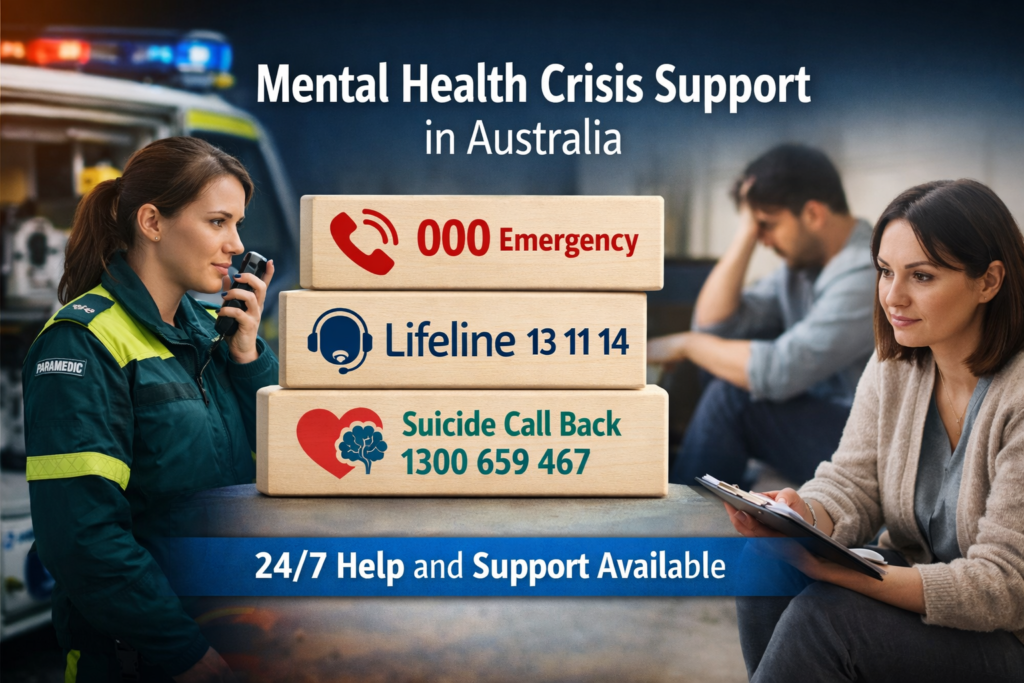
If you or your patient/NDIS clients need immediate mental healthcare assistance, feel free to get in contact with us on 1800 NEAR ME – admin@therapynearme.com.au.