Written by: Rona Castañeda
Clinically reviewed by: Qualified members of the Therapy Near Me clinical team
Last updated: 11 June 2026
This clinical information has been written by Rona Castañeda to support accuracy, clarity, and alignment with contemporary psychological practice. Content is reviewed in accordance with our Editorial Policy and is intended as general information only. It does not replace individual assessment, diagnosis, or treatment.
Content type: Health education (Australia)
Introduction
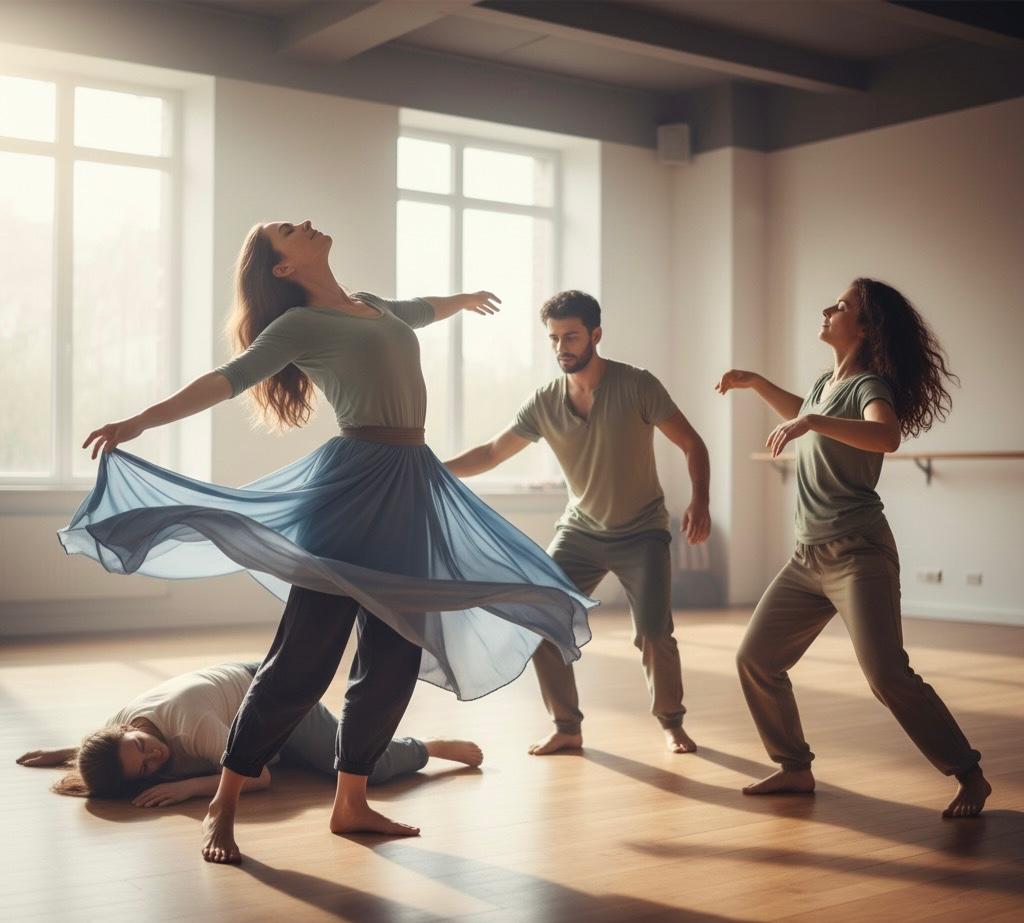
Dance/Movement Therapy (DMT) is a psychotherapeutic approach that uses body movement and dance to improve emotional, cognitive, physical, and social wellbeing. Established in the 1940s, DMT is recognised by professional associations worldwide and supported by growing scientific evidence for reducing anxiety, depression, trauma symptoms, and stress (Koch et al., 2019). This article explores the theory, evidence, and practical applications of DMT while optimising for mental health and therapy-related keywords.
1. What is Dance/Movement Therapy?
Dance/Movement Therapy integrates creative expression and psychodynamic principles. Core elements include:
- Improvisational movement to explore emotions and identity.
- Mirroring techniques where the therapist reflects the client’s movements to enhance empathy and connection.
- Structured dance activities designed to improve body awareness and self-esteem.
Sessions can be individual or group-based and are led by registered dance/movement therapists.
2. Psychological and neurobiological foundations
a) Mind-body integration
DMT views movement as a primary mode of communication. By engaging both the cerebral cortex and limbic system, movement facilitates emotional expression and regulation (Payne, 2006).
b) Neuroplasticity and embodied cognition
Movement stimulates neuroplastic changes and reinforces the link between bodily sensations and emotional experiences (Koch et al., 2019). Embodied cognition theory suggests that our thoughts and feelings are deeply connected to our physical movements.
c) Trauma recovery
Trauma can disrupt body awareness and create dissociation. DMT helps clients reintegrate sensory and emotional experiences, aiding trauma recovery (Levine & Land, 2016).
3. Evidence-based mental health benefits
Anxiety and depression
Meta-analyses confirm significant reductions in anxiety and depressive symptoms after DMT interventions (Meekums et al., 2015).
Stress reduction
Rhythmic movement and music decrease cortisol and promote relaxation (Quiroga Murcia et al., 2010).
PTSD and trauma
DMT supports individuals with post-traumatic stress by rebuilding a sense of safety and bodily empowerment (Koch et al., 2019).
Cognitive and motor function
DMT enhances executive functioning, memory, and motor coordination, benefiting people with neurodegenerative disorders such as Parkinson’s disease (Westheimer et al., 2015).
4. Dance/Movement Therapy in clinical practice
DMT is used across diverse settings:
- Hospitals and mental health clinics for stress, mood, and trauma-related disorders.
- Schools to support emotional regulation and social skills in children.
- Aged care facilities to promote mobility, memory, and joy in older adults.
- Community programs to foster inclusion and cultural expression.
Therapists assess individual goals, whether emotional release, trauma processing, or improved physical health, and tailor sessions accordingly.
5. How to start with Dance/Movement Therapy
- Find a certified therapist through professional associations such as the Dance Movement Therapy Association of Australasia (DTAA).
- Attend group sessions for social support and shared creativity.
- Integrate movement into daily life with music-based mindful movement practices.
- Combine with psychotherapy for a holistic approach to mental health.
6. Safety and accessibility
DMT is generally safe for all ages and fitness levels. Therapists adapt sessions to physical abilities, making it inclusive for individuals with disabilities or chronic conditions.
FAQs
Q: What is dance/movement therapy used for?
To reduce anxiety, depression, stress, and trauma symptoms and to improve emotional expression and social connection.
Q: How does DMT help with trauma?
It reconnects mind and body, allowing safe release and integration of traumatic memories.
Q: Is dance/movement therapy evidence-based?
Yes. Systematic reviews support its effectiveness for mood disorders, stress reduction, and neurorehabilitation.
Q: Can anyone do dance/movement therapy?
Yes. It is adaptable to all ages, abilities, and cultural backgrounds.
References
- Koch, S.C., Riege, R.F., Tisborn, K., Biondo, J., Martin, L. & Beelmann, A. (2019) ‘Effects of dance movement therapy and dance on health-related psychological outcomes: A meta-analysis update’, Frontiers in Psychology, 10, pp. 1806.
- Levine, P.A. & Land, H. (2016) Trauma and Memory: Brain and Body in a Search for the Living Past. Berkeley: North Atlantic Books.
- Meekums, B., Karkou, V. & Nelson, E.A. (2015) ‘Dance movement therapy for depression’, Cochrane Database of Systematic Reviews, Issue 2.
- Payne, H. (2006) Dance Movement Therapy: Theory and Practice. 2nd edn. London: Routledge.
- Quiroga Murcia, C., Kreutz, G., Clift, S. & Bongard, S. (2010) ‘Shall we dance? An exploration of the perceived benefits of dancing on wellbeing’, Arts & Health, 2(2), pp. 149–163.
- Westheimer, O., McRae, C., Henchcliffe, C. et al. (2015) ‘Dance for Parkinson’s disease: A pilot study of effects on motor and non-motor symptoms’, Journal of Neural Transmission, 122(S1), pp. S133–S143.