Therapy Near Me

Author name: Newsletter X

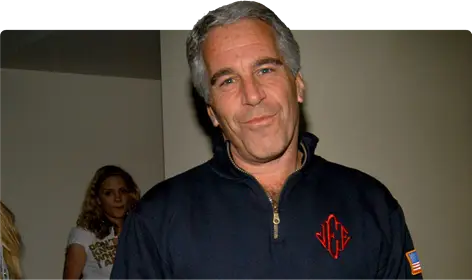
The Psychology Behind the Epstein Files

The Psychology Behind the Epstein Files

Written by: Therapy Near Me Editorial Team Clinically reviewed by: qualified members of the Therapy Near Me clinical team Last updated: 10/07/2025 This article is intended as general information only and does not replace personalised medical or mental health advice. Learn more about our Editorial Policy. The case of Jeffrey Epstein, a financier accused of orchestrating one of the most far-reaching and disturbing sex trafficking operations in modern history, has left lasting questions about power, manipulation, and mental health. Beyond the legal and political implications, the Epstein case reveals a complex psychological profile involving traits often associated with psychopathy, narcissism, and the so-called “Dark Triad” of personality. This article explores the psychological dimensions behind Epstein’s behaviour using established clinical frameworks, aiming to help readers understand how certain personality structures contribute to manipulation, exploitation, and systemic abuse. It is not intended to diagnose Epstein posthumously, but rather to examine his behavioural patterns through the lens of forensic and clinical psychology. Keywords: Jeffrey Epstein psychology, Epstein psychopathy, Epstein narcissistic personality, Dark Triad Epstein, Epstein mental health profile, Epstein case psychology, Epstein files analysis, forensic psychology Epstein, victim grooming psychology, power and manipulation. What Are the Epstein Files? The term “Epstein files” refers to a trove of legal documents, testimonies, depositions, flight logs, and investigations related to Epstein’s alleged criminal activities. These include extensive evidence of underage sexual exploitation, grooming networks, financial coercion, and the complicity of high-status individuals (Brown, 2020). The psychological implications of these files extend beyond Epstein himself. They offer insight into the minds of those who protect, enable, or ignore abuse—often due to power imbalances, social compliance, or moral disengagement (Bandura, 1999). Core Psychological Traits: Psychopathy and Narcissism Psychopathy is a personality disorder characterised by a constellation of interpersonal, affective, and behavioural traits such as superficial charm, grandiosity, lack of empathy, deceitfulness, and impulsivity (Hare, 2003). Epstein’s public persona and private behaviours appear to reflect many of these attributes. According to Hare’s Psychopathy Checklist–Revised (PCL-R), individuals scoring high often exhibit instrumental violence, calculated manipulation, and an inability to form genuine emotional bonds. In addition, Narcissistic Personality Disorder (NPD) is defined by a pervasive pattern of grandiosity, need for admiration, and lack of empathy (American Psychiatric Association, 2013). Epstein reportedly viewed himself as intellectually and socially superior, often asserting dominance in social settings and surrounding himself with celebrities, academics, and royalty (Grigoriadis, 2019). His obsessive pursuit of control over young women and his efforts to silence dissent reflect deep narcissistic entitlement. The “Dark Triad” and Epstein The “Dark Triad” is a term in personality psychology used to describe the convergence of three socially aversive traits: psychopathy, narcissism, and Machiavellianism (Paulhus & Williams, 2002). These traits are often found in individuals who use manipulation, charm, and deceit to achieve their goals, frequently at the expense of others. Epstein exhibited classic signs of Machiavellianism, including long-term strategic planning, manipulation of legal and financial systems, and the use of others as pawns in his personal schemes. Reports suggest he deliberately cultivated power by gathering kompromat (compromising material) and forging transactional relationships with influential individuals (Axios, 2019). His ability to leverage these networks to suppress allegations for decades reveals a calculated, strategic use of power. The Role of Social Power and Systemic Enablers Psychological research shows that power tends to amplify existing personality traits (Keltner et al., 2003). For someone like Epstein, whose core traits were already predatory, the wealth and influence he accumulated likely exacerbated his sense of invincibility and reduced empathy even further. Systemic factors also played a role. The bystander effect, moral disengagement, and institutional protection mechanisms allowed Epstein’s behaviour to continue unchallenged for years. Social psychologists argue that when power structures lack checks and accountability, individuals with antisocial traits are more likely to thrive (Zimbardo, 2007). Victim Grooming and Psychological Control Epstein’s methods of victim control relied heavily on grooming techniques—gradual desensitisation, the offer of financial or educational opportunities, and the creation of dependency. These tactics mirror known patterns of coercive control and trauma bonding (Herman, 1992). Many survivors reported feeling paralysed, psychologically trapped, or fearful of retaliation—hallmarks of long-term psychological manipulation and abuse. Conclusion: Lessons from the Epstein Case The Epstein files present a dark yet essential opportunity to explore the psychological makeup of exploitative individuals. Epstein’s behaviour aligns with several clinical traits, including psychopathy, narcissism, and Machiavellianism. When coupled with unchecked power, these traits become particularly dangerous. For mental health professionals, policymakers, and educators, the Epstein case underscores the urgent need to understand and identify these psychological patterns—not just in individuals, but also in systems that allow such individuals to flourish. Doing so may prevent future abuses and empower survivors with greater support and awareness. References American Psychiatric Association (2013). Diagnostic and Statistical Manual of Mental Disorders (5th ed.). Arlington, VA: American Psychiatric Publishing. Bandura, A. (1999). Moral disengagement in the perpetration of inhumanities. Personality and Social Psychology Review, 3(3), pp.193–209. Brown, J. (2020). The Epstein Files: Unsealed Court Documents and the Fight for Justice. New York: HarperCollins. Grigoriadis, V. (2019). Inside Jeffrey Epstein’s curious sociopathy. Vanity Fair. Available at: https://www.vanityfair.com/news/2019/08/curious-sociopathy-of-jeffrey-epstein-ex-girlfriends [Accessed 8 July 2025]. Hare, R. D. (2003). Manual for the Revised Psychopathy Checklist (2nd ed.). Toronto: Multi-Health Systems. Herman, J. L. (1992). Trauma and Recovery: The Aftermath of Violence. New York: Basic Books. Keltner, D., Gruenfeld, D.H. and Anderson, C. (2003). Power, approach, and inhibition. Psychological Review, 110(2), pp.265–284. Paulhus, D.L. and Williams, K.M. (2002). The Dark Triad of personality: Narcissism, Machiavellianism, and psychopathy. Journal of Research in Personality, 36(6), pp.556–563. Zimbardo, P.G. (2007). The Lucifer Effect: Understanding How Good People Turn Evil. New York: Random House. Axios (2019). Jeffrey Epstein demonstrates how capitalism rewards malign actors. Axios. Available at: https://www.axios.com/2019/09/19/jeffrey-epstein-business-sociopaths [Accessed 8 July 2025].

The Psychology Behind the Epstein Files Read More »
Is Erin Paterson a Psychopath

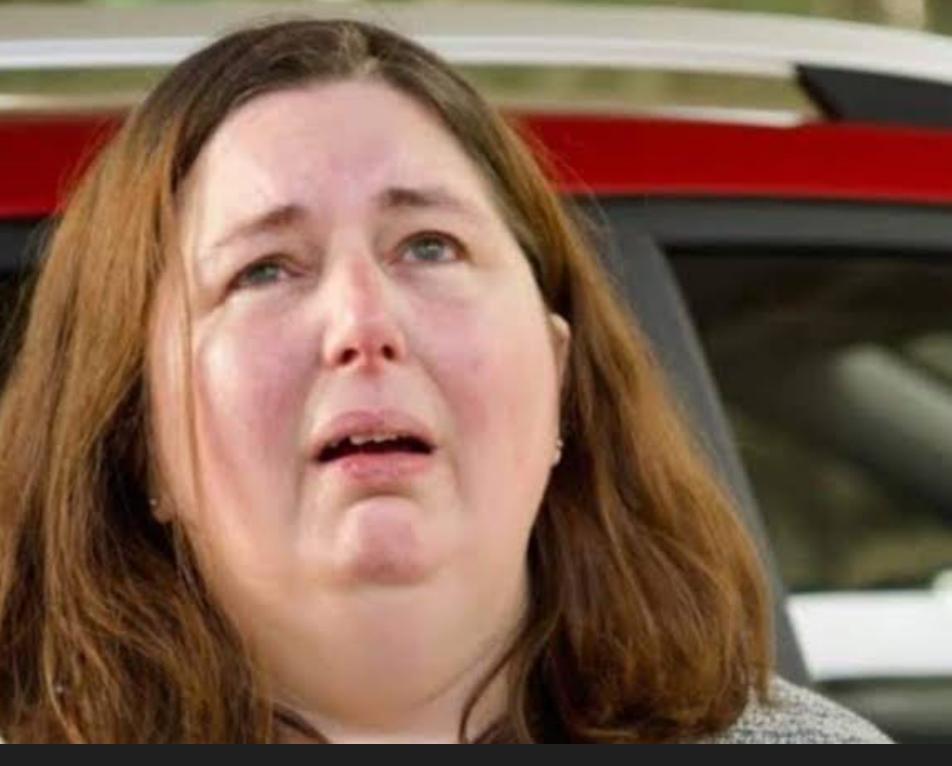
Is Erin Paterson a Psychopath?

Written by: Therapy Near Me Editorial Team Clinically reviewed by: qualified members of the Therapy Near Me clinical team Last updated: 09/07/2025 This article is intended as general information only and does not replace personalised medical or mental health advice. Learn more about our Editorial Policy. Keywords: Erin Paterson psychopathy, mushroom poisoning case, death-cap mushrooms, antisocial personality disorder, PCL-R, forensic psychology Australia, female psychopathy research, true-crime mental-health analysis 1 | Case background On 7 July 2025 a Victorian Supreme Court jury found Erin Paterson guilty of three counts of murder and one of attempted murder after she served Beef Wellington containing death-cap mushrooms to four relatives in July 2023 (ABC News, 2025).   Earlier coverage documented phone-location data and photographs of toxic fungi on Paterson’s kitchen scales, tendered as evidence of pre-planning (Dunstan & Chwasta, 2025).   Paterson continues to claim the tragedy was accidental, but testimony from witnesses—including her surviving ex-husband, who declined the luncheon invitation—fuelled public debate about her mental state (Neumann, 2025). 2 | What is psychopathy? Psychopathy is not a diagnostic label in the Diagnostic and Statistical Manual of Mental Disorders (DSM-5); the nearest category is Antisocial Personality Disorder (ASPD), characterised by a pervasive disregard for, and violation of, the rights of others (American Psychiatric Association, 2013). The gold-standard forensic tool is Hare’s Psychopathy Checklist—Revised (PCL-R), a 20-item clinician-rated scale scored 0–40; scores ≥30 in North America (or ≥25 in many other jurisdictions) indicate prototypical psychopathy (Hare, 2003). Interpersonal Affective Lifestyle Antisocial Glibness/superficial charm Lack of remorse Need for stimulation Poor behavioural controls Grandiose sense of self Shallow affect Impulsivity Early conduct problems Pathological lying Callous/lack of empathy Parasitic lifestyle Criminal versatility Manipulativeness Failure to accept responsibility Irresponsibility Serious rule violations 3 | Female psychopathy: prevalence and presentation Traditional research suggested a male:female ratio around 6:1, yet recent work by Boddy (2024) argues the gap may be closer to 1.2:1 because female psychopaths are more likely to use relational and verbal aggression, behaviours older tools under-detect (Boddy, 2024).   A large Italian forensic study found that 28 % of female offenders adjudicated “not guilty by reason of insanity” met PCL-R thresholds, confirming the construct’s relevance to women (Carabellese et al., 2019). 4 | Mapping the public evidence to PCL-R facets Only a qualified clinician with direct access to the individual can score the PCL-R; the discussion below is illustrative. Reported behaviour PCL-R facet(s) Comment Allegedly lied about having cancer to elicit sympathy (court testimony) Interpersonal (Pathological lying; Manipulativeness) Fabricated illness stories can create coercive leverage. Invited estranged husband—who declined—while other relatives attended (trial evidence) Interpersonal/Affective (Callousness; Targeted planning) Suggests instrumental selection of victims (Neumann, 2025). Discarded food dehydrator after police enquiries (evidence summary) Lifestyle/Antisocial (Criminal versatility; Evidence destruction) Indicates foresight and strategic risk management (Dunstan & Chwasta, 2025). Appeared calm and unemotional while victims were critically ill (witness accounts) Affective (Shallow affect; Lack of remorse) Consistent with diminished emotional reactivity (ABC News, 2025). While several traits—deception, manipulativeness, shallow affect—align with PCL-R items, other required domains (e.g., chronic irresponsibility, early conduct problems) are absent from the public record. A definitive PCL-R score cannot be rendered without developmental history, collateral interviews and structured testing. 5 | Why the label matters Using the term “psychopath” without rigorous assessment can stigmatise defendants, bias sentencing and perpetuate the myth that all psychopaths are violent (Hare, 2003). Ethical mental-health commentary must therefore balance SEO objectives with scientific accuracy and legal fairness. 6 | Conclusion Is Erin Paterson a psychopath? Publicly available evidence demonstrates some psychopathic traits—particularly deceit, calculated planning and apparent lack of remorse. However, psychopathy is a multifactorial construct requiring workd evaluation. Until a qualified forensic psychologist completes a full PCL-R assessment, the question remains clinically unverified. What is established—beyond reasonable doubt—is her legal culpability for multiple murders. References ABC News (2025) ‘Mushroom murder verdict: Erin Paterson found guilty on all counts’, 7 July. American Psychiatric Association (2013) Diagnostic and Statistical Manual of Mental Disorders, 5th edn. Washington, DC: APA. Boddy, C. (2024) ‘More women may be psychopaths than previously thought’, The Guardian, 26 February. Carabellese, F., Felthous, A.R., La Tegola, D. et al. (2019) ‘Female psychopathy: a descriptive national study of socially dangerous NGRI offenders’, International Journal of Law and Psychiatry, 68, 101455. Dunstan, J. and Chwasta, M. (2025) ‘The evidence laid before the jury in Erin Paterson’s murder trial’, ABC News, 30 June. Hare, R.D. (2003) The Hare Psychopathy Checklist—Revised, 2nd edn. Toronto: Multi-Health Systems. Neumann, S. (2025) ‘She said the mushroom meal was “delicious”…’, People, 8 May.

Is Erin Paterson a Psychopath? Read More »

Love Knows No Distance: Making Long-Distance Relationships Thrive

Can Long-Distance Relationships Work? Psychologist Advice

Written by: Therapy Near Me Editorial Team Clinically reviewed by: qualified members of the Therapy Near Me clinical team Last updated: 02/01/2026 This article is intended as general information only and does not replace personalised medical or mental health advice. Learn more about our Editorial Policy. In an increasingly globalised world, long-distance relationships (LDRs) have become more common, challenging traditional notions of romantic partnerships. While the physical distance can seem daunting, psychological research provides insights into the dynamics of LDRs, offering strategies to make them work. This article explores the viability of LDRs from a psychological perspective, highlighting key studies and expert advice. Understanding Long-Distance Relationships LDRs are characterised by geographical separation that limits physical contact between partners. According to Dargie, Blair, Goldfinger, and Pukall (2015) in the Journal of Sex & Marital Therapy, despite common perceptions, LDRs can be just as satisfying as geographically close relationships (GCRs), provided that the couples maintain emotional closeness and trust. Challenges of Long-Distance Relationships The main challenges of LDRs include communication difficulties, loneliness, and the strain of maintaining emotional intimacy from afar. A study by Stafford and Merolla (2007) in the Journal of Communication found that LDR partners often experience heightened levels of distress due to their separation, but also engage in idealisation of their partners, which can sometimes offset the negatives. Strategies for Making LDRs Work Effective Communication: Frequent, open, and honest communication is crucial. Utilising technology to maintain daily contact and share experiences helps bridge the physical gap (Crystal Jiang & Hancock, 2013, Journal of Communication). Quality Over Quantity: It’s not just about how often you communicate, but the quality of the interactions. Deep, meaningful conversations can strengthen the bond between partners (Billedo, Kerkhof, & Finkenauer, 2015, PLOS ONE). Maintain Independence: Encouraging each other to pursue personal interests and social activities outside the relationship can enhance individual well-being and relationship satisfaction. Plan Regular Visits: Whenever possible, regular visits can help maintain the physical connection and reaffirm the commitment to the relationship. Set Goals and Expectations: Having clear expectations and shared goals for the future, including plans to eventually live in the same location, can provide a sense of direction and purpose (Neustaedter and Greenberg, 2012, Personal and Ubiquitous Computing). Can They Work? Psychological research suggests that LDRs can indeed work, challenging the notion that physical proximity is a prerequisite for a successful and fulfilling romantic relationship. Factors such as trust, commitment, and effective communication are pivotal. As highlighted by Billedo, Kerkhof, and Finkenauer (2015), the anticipation of future physical reunions can also enhance relationship satisfaction, providing motivation and resilience for couples in LDRs. Conclusion Long-distance relationships are not without their challenges, but with effort, communication, and mutual understanding, they can thrive. Psychological insights into the dynamics of LDRs underscore the importance of emotional connection, trust, and perseverance. By adopting strategies that address the unique challenges of geographical separation, couples can navigate the complexities of LDRs and maintain strong, satisfying relationships. References Dargie, E., Blair, K. L., Goldfinger, C., & Pukall, C. F. (2015). Go Long! Predictors of Positive Relationship Outcomes in Long-Distance Dating Relationships. Journal of Sex & Marital Therapy. Stafford, L., & Merolla, A. J. (2007). Idealization, reunions, and stability in long-distance dating relationships. Journal of Communication. Crystal Jiang, L., & Hancock, J. T. (2013). Absence Makes the Communication Grow Fonder: Geographic Separation, Interpersonal Media, and Intimacy in Dating Relationships. Journal of Communication. Billedo, C. J., Kerkhof, P., & Finkenauer, C. (2015). The use of social networking sites for relationship maintenance in long-distance and geographically close romantic relationships. PLOS ONE. Neustaedter, C., & Greenberg, S. (2012). Intimacy in long-distance relationships over video chat. Personal and Ubiquitous Computing. How to get in touch If you or your patient/NDIS clients need immediate mental healthcare assistance, feel free to get in contact with us on 1800 NEAR ME – admin@therapynearme.com.au.

Can Long-Distance Relationships Work? Psychologist Advice Read More »

wpChatIcon

Book An Appointment