Therapy Near Me

Uncategorized

Do Men Really Prefer Blondes

Do Men Really Prefer Blondes?

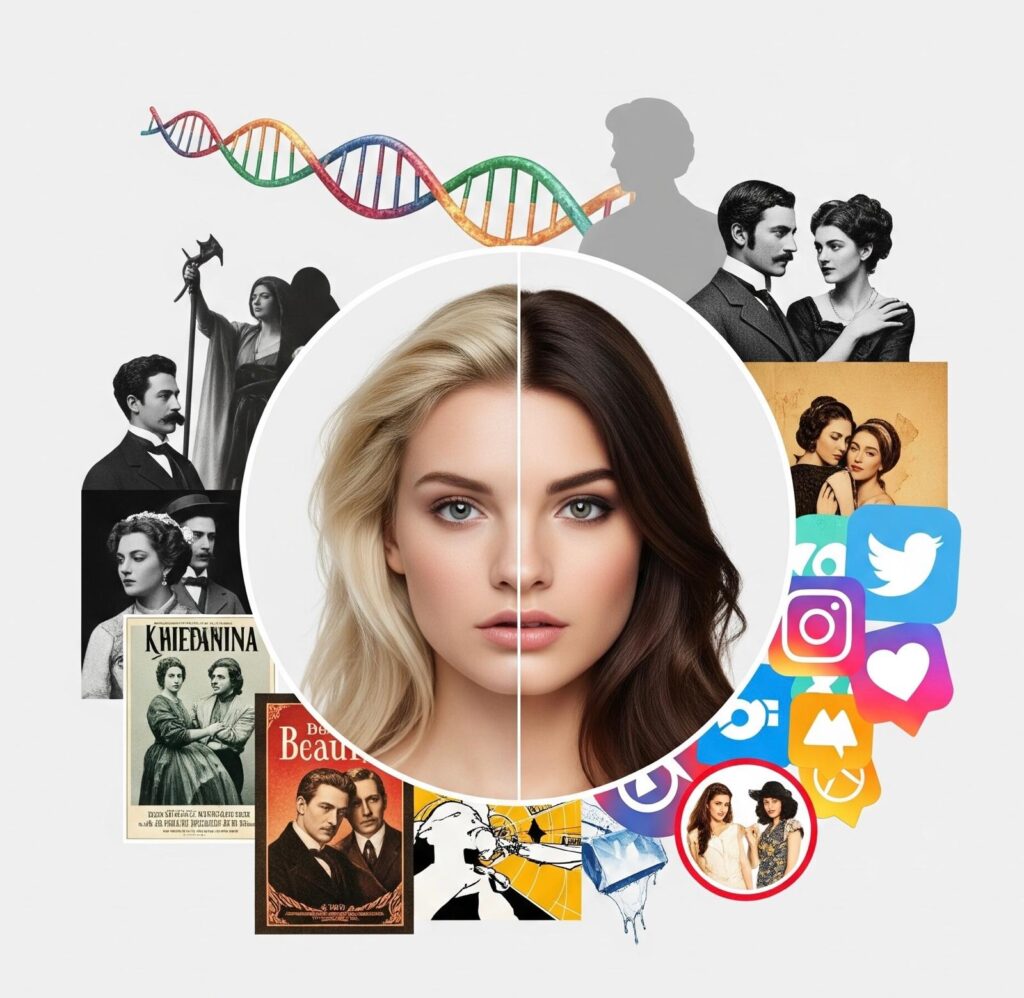
Written by: Therapy Near Me Editorial Team Clinically reviewed by: qualified members of the Therapy Near Me clinical team Last updated: 18/07/2025 This article is intended as general information only and does not replace personalised medical or mental health advice. Learn more about our Editorial Policy. The idea that “men prefer blondes” has deep roots in culture and science, but is it true? Research suggests some nuanced trends—ranging from approachability cues to evolutionary preferences—but individual tastes vary widely. Keywords: men prefer blondes, do men like blondes more, hair colour attraction studies, evolutionary psychology hair colour, approachability and hair colour, stereotypes blondes, novelty effect hair colour, attractiveness and hair. 1. Approachability & Social Cues Experimental studies in social settings show that blondes tend to receive more attention from men. In London nightclubs, women wearing blonde wigs were approached nearly twice as often as those with red or brown hair (Gueguen, 2012; Swami & Barrett, 2011). Gueguen (2012) attributed this to subtle social signalling, noting that lighter hair may project openness and approachability—qualities often subconsciously favored in initial mate selection. 2. Evolutionary Signals of Youth & Health Some scientists propose an evolutionary basis: light hair and fair skin may signal youth and reproductive fitness. For example, Ramachandran (in Snyder & Nereri, 2005) argues that these traits serve as visual cues of health, and thus may partially explain preferences in certain contexts. A study in Human Nature supports this theory, indicating that men often associate blonde hair with youth, health, and femininity (LoveMatchHub, 2023). 3. Rarity & Novelty Effect Blondes make up a small minority globally (around 2%), and rarer features often attract interest (Pratt, 2020). This novelty effect may explain why blondes sometimes stand out in social environments. Studies show people tend to value characteristics that are less common, making blond hair potentially more attention-grabbing (Pratt, 2020). 4. Stereotypes & Halo Effect Blondes are often subject to cultural stereotypes such as the “dumb blonde” or “blonde bombshell,” which highlight attractiveness and vivacity (Wikipedia, blonde stereotype, 2025). These stereotypes form part of the “halo effect,” in which perceived attractiveness spills over into perceived warmth or friendliness (Wikipedia, halo effect, 2025). Yet, despite these stereotypes, there is no evidence that intelligence is actually lower among blondes (Zagorsky, 2016). 5. It’s Complicated: Contradictory Preferences Not all data favors blondes. A large-scale survey in London found that men actually rated brunettes as more attractive and intelligent, even though they approached blondes more often (Swami et al., 2008). Other crowd-source polls indicate a male preference for darker hair over blond, with brunettes topping many rankings in countries including the UK, US, and Italy (World polls, 2011). 6. Final Takeaway: Preference Is Individual Hair colour may influence first impressions and approach behaviours, but overall attraction depends on a blend of factors: personality, values, compatibility, and individual differences (Snyder & Nereri, 2005; Matching Hypothesis—Wikipedia, 2023). Preferential trends should be seen as interesting observations—not universal truths. Take-Home Tips References Gueguen, N. (2012) ‘Hair color and courtship: experiment in a nightclub’, Journal of Social Psychology. LoveMatchHub (2023) ‘Do men prefer women with lighter hair?’, LoveMatchHub. Available at: . Pratt, K. (2020) ‘Do gentlemen really prefer blondes?’, Brain Pages. Available at: . Ramachandran, V. S. (2005) In Snyder, M. & Nereri, transcripts of ualberta.edu. Snyder, M. & Nereri, K. (2005) ‘Podcast transcript: Why men prefer blondes’. University of Alberta. Swami, V. & Barrett, S. (2011) ‘Hair color and approachability’, Scandinavian Journal of Psychology, 52(2), pp. 209–214. Swami, V., Furnham, A. & Joshi, K. (2008) ‘The influence of skin tone, hair length, and hair colour on ratings of women’s physical attractiveness’, Scandinavian Journal of Psychology. Wikipedia contributors (2025) ‘Blonde stereotype’, Wikipedia. Available at: . Wikipedia contributors (2025) ‘Halo effect’, Wikipedia. Available at: . Wood, D. (2011) large-scale survey various countries.

Do Men Really Prefer Blondes? Read More »
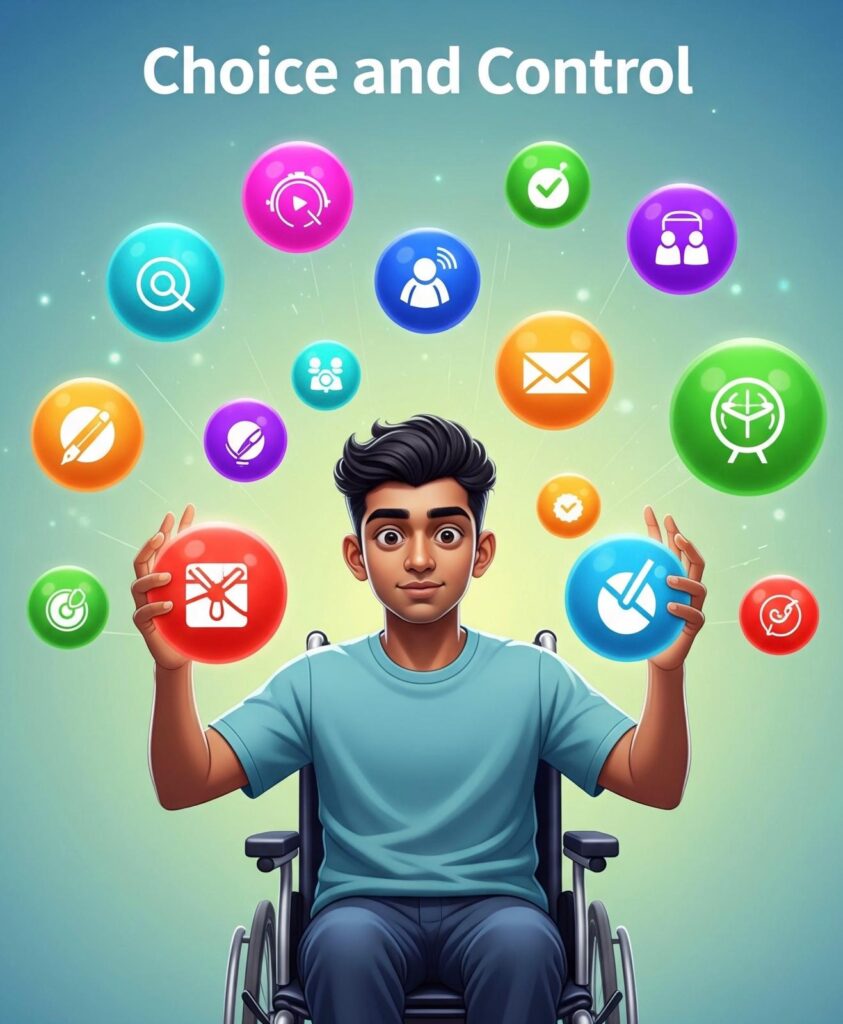
5 Things You Didn’t Know About the NDIS

5 Things You Didn’t Know About the NDIS

Written by: Therapy Near Me Editorial Team Clinically reviewed by: qualified members of the Therapy Near Me clinical team Last updated: 17/07/2025 This article is intended as general information only and does not replace personalised medical or mental health advice. Learn more about our Editorial Policy. The National Disability Insurance Scheme (NDIS) is often discussed in mainstream media—but many surprising facts go under the radar. Here are five lesser-known aspects of the NDIS that relate to mental health and wellbeing, backed by research and official sources. Keywords: NDIS facts 2025, NDIS mental health support, autism NDIS statistics, NDIS reforms 2025, NDIS prison access, mental health recovery NDIS, psychosocial disability NDIS support, NDIS early intervention youth, foundational supports NDIS, NDIS transparency reforms 1. Psychosocial Supports Extend Beyond Funding While the NDIS is primarily known for funding services, it also provides linkage to mainstream and community supports—including public mental health networks—even if you’re not eligible for full NDIS plans (NDIS, 2023) (). This integration ensures access to psychosocial supports that encourage social inclusion and life participation. 2. Half of Participants See a Psychologist Approximately 25% of NDIS participants access psychological services, and more broadly, over half the scheme’s participants engage with a psychologist at some point—highlighting how essential mental health support is under the NDIS (APS/NDIS Guide, 2024)  . This emphasizes the scheme’s role in psychological treatment and functional recovery. 3. Autism Is the Most Common Primary Disability Around 30% of NDIS participants list autism as their main disability—the largest category in the scheme. More than half of all participants are under 25, meaning the NDIS plays a crucial part in early intervention and youth development (Home Care Experts, 2025)  . 4. Prisoners Face Almost No Access to NDIS NDIS legislation is restrictive for incarcerated individuals. Only transition-to-community supports are funded, and applying while in prison is “exceedingly difficult”—a situation linked to poorer outcomes and increased recidivism (Wikipedia – Prison Healthcare)  . This gap raises equity and rehabilitation concerns. 5. Major Reforms Rolling Out in 2025 A new legislative package passed in 2024 aims to improve cost transparency, eligibility clarity, and evidence-based funding mechanisms  . Simultaneously, the Grattan Institute’s June 2025 report calls for additional “foundational” supports outside the scheme to help those who fall through NDIS gaps—especially children in early intervention and individuals with psychosocial disabilities  . Why These Insights Matter for Mental Health References

5 Things You Didn’t Know About the NDIS Read More »

The Worst Things About the NDIS in 2025

The Worst Things About the NDIS in 2025

Written by: Therapy Near Me Editorial Team Clinically reviewed by: qualified members of the Therapy Near Me clinical team Last updated: 16/07/2025 This article is intended as general information only and does not replace personalised medical or mental health advice. Learn more about our Editorial Policy. The National Disability Insurance Scheme (NDIS) was designed to empower Australians with disability through funding and services. Yet in 2025, the scheme is facing mounting criticism—from affordability issues to service access gaps—raising concerns about its effectiveness and impact on mental health. Keywords: NDIS problems 2025, NDIS cuts mental health, NDIS allied health funding, NDIS sustainability issues, NDIS inequity Australia, psychosocial supports NDIS, NDIS rural access problems, NDIS foundational supports, NDIS participant appeals, NDIS therapy cuts 1. Escalating Costs and Sustainability Concerns The NDIS has grown dramatically faster than expected, with spending projected to exceed A$58 billion by 2028—surpassing Medicare and defence budgets (The Guardian, 2025)  . Critics warn such rapid expansion, without systemic reform, risks undermining the scheme’s sustainability and could force cuts to participant entitlements. 2. Service Cuts and Therapist Shortages From February 2025, NDIS funding cuts to allied health—including art and music therapy—capped rates for individual sessions at A$68 unless “functional capacity” is demonstrated, provoking outcry from providers and families (Daily Telegraph, 2024)  . Further reductions in travel funding have also limited access in rural and remote areas, with psychologists reporting up to 50% travel reimbursement cuts that hinder capacity to serve vulnerable populations (Herald Sun, 2025)  . 3. Increasing Administrative Burden Significant changes to pricing arrangements and reporting requirements introduced July 2025 have created confusion and administrative overload. Participants and providers fear this will restrict supports and reduce choice and control—the fundamental principles of the NDIS (Saturday Paper, 2025)  . 4. Sudden Plan Reductions and Poor Communication Legal advocates report a 60% surge in plan appeal cases, citing sudden cuts and eligibility reviews by staff lacking expertise in psychosocial disabilities (ABC News, June 2025)  . Participants often receive little notice or explanation, increasing stress and decreasing trust. 5. Exclusion of Key Mental Health Groups Approximately 500,000 Australians with moderate to severe mental illness fall outside NDIS eligibility—unable to access crucial psychosocial supports (Yahoo News, June 2025)  . Mental Health Australia has called for foundational community supports to bridge this gap, yet progress remains slow  . 6. Equity and Access Gaps Eligibility disparities persist across geographical, age, and demographic lines. A 2025 MJA study found savings reforms did little to address these systemic inequalities, while autistic children and remote communities continue to struggle to access supports (Insight Plus MJA, 2025)  . 7. Shift Away from Allied and Creative Therapies The downgrading of allied and creative therapies (art, music, mental health interventions) undermines person-centred care, impacting participants who rely on these modalities to support emotional regulation and social development  . Broader Implications for Mental Health The NDIS’s current trajectory threatens core mental health care principles: equity, choice, and holistic recovery (Mental Health Australia, 2025)  . Rising anxiety and stress among both participants and providers underscore the emotional toll of insecure support, service disruptions, and deteriorating confidence in the system. Moving Forward: Key Reforms Needed To realign the NDIS with its original intent, experts advocate: References ABC News (2025) Families in ‘anguish’ as NDIS agency accused of ‘fighting’ participants. 5 June. AAPI (2025) NDIS and Medicare 2025. [online] Daily Telegraph (2024) ‘Distressing’: NDIS change threatens key therapy. 28 Nov. Grattan Institute (2025) Saving the NDIS: How to rebalance disability services to get better results. The Guardian. 30 June. Herald Sun (2025) NDIS cuts could lead to vulnerable ‘falling through the cracks’. 8 July. Insight Plus MJA (2025) NDIS reforms…groups struggling to gain access. Mental Health Australia (2025) NDIS Incoming Government Brief. MJA (2025) NDIS reforms aim to make the scheme fairer…. Insight Plus. Saturday Paper (2025) Changes to the NDIS fail its users. 12 July. The Guardian (2025) NDIS’s wider reputation at all-time low…. 27 March. Yahoo News (2025) 500,000 Australians live with mental illness but don’t qualify for the NDIS. 25 June.

The Worst Things About the NDIS in 2025 Read More »

Reading Minds The Psychology and Power of Understanding Others

Reading Minds: The Psychology and Power of Understanding Others

Written by: Therapy Near Me Editorial Team Clinically reviewed by: qualified members of the Therapy Near Me clinical team Last updated: 15/07/2025 This article is intended as general information only and does not replace personalised medical or mental health advice. Learn more about our Editorial Policy. Humans can’t literally read minds—but we can develop skills to interpret others’ thoughts and emotions through psychological insight and empathy. In mental health, this “mind‑reading” is a key component of effective communication, trusting relationships, and emotional intelligence. Keywords: mind-reading psychology, theory of mind, empathic accuracy, mentalization, improve empathy, cognitive distortions mind-reading, neurodiversity and empathy, understand others’ thoughts, emotional intelligence tips 1. What Is Mind-Reading in Psychology? The term “mind-reading” refers to our ability to infer someone else’s mental states—beliefs, emotions, intentions—using observable cues. Psychologists refer to this ability as theory of mind or mentalization, foundational skills used daily in social interactions (Psychology Today, n.d.). The goal is not to know exactly what someone is thinking, but to form educated guesses about their inner world. We rely on tone of voice, facial expressions, context, posture, and prior knowledge to make these inferences (Psychology Today, n.d.). 2. How Mind‑Reading Develops 3. Empathic Accuracy: Everyday Mind Reading Empathic accuracy is a measure of how well we can understand another’s emotional state. Research shows it involves both affect-sharing (emotional resonance) and cognitive processing (mentalizing) and supports successful relationships across contexts (Wikipedia, Empathic Accuracy)  . 4. Why Mind‑Reading Matters for Mental Health 5. When Mind‑Reading Goes Awry Certain conditions and contexts make mind-reading difficult: 6. Techniques to Improve Mind-Reading 7. Mind‑Reading in Clinical and Everyday Settings 8. Ethical Considerations Conclusion While we can’t truly read minds, developing theory of mind and empathic accuracy enriches relationships, supports emotional well-being, and enhances mental health care. With intention, practice, and humility, anyone can improve their “mind-reading” skills—mental tools key to empathy and connection in an increasingly complex world. References Beck, A.T. (1963). Thinking and depression: II. Theory and therapy. Archives of General Psychiatry, 9, 324–333. Cohen, S. & Wills, T.A. (1985). Stress, social support, and the buffering hypothesis. Psychological Bulletin, 98(2), 310–357. Fonagy, P. & Bateman, A. (2006). Mentalization-Based Treatment for Borderline Personality Disorder. Oxford University Press. Green, S. & Vacharkulksemsuk, T. (2016). Mind-reading motivation. Motivation and Emotion, 40(2), 226–234. Psychology Today. (n.d.). Mind Reading. Retrieved from [Psychology Today]  . Psychology Today. (n.d.). Theory of Mind. Retrieved from [Psychology Today]  . The Neurodivergent Brain. (2024). Theory of Mind Across Different Life Stages. Retrieved from [The Neurodivergent Brain]  . Wikipedia contributors. (n.d.). Empathic accuracy. Retrieved from Wikipedia  . Wikipedia contributors. (2025). Theory of mind. Retrieved from Wikipedia  .

Reading Minds: The Psychology and Power of Understanding Others Read More »

Psychologist’s Advice on How to Start Your Week A Mental Health-Based Guide 

Psychologist’s Advice on How to Start Your Week: A Mental Health-Based Guide 

Written by: Therapy Near Me Editorial Team Clinically reviewed by: qualified members of the Therapy Near Me clinical team Last updated: 14/07/2025 This article is intended as general information only and does not replace personalised medical or mental health advice. Learn more about our Editorial Policy. Mondays can feel overwhelming. After a weekend of rest—or perhaps overcommitment—many of us return to a demanding inbox, family obligations, and a growing to-do list. This phenomenon is so common it has earned the nickname “Sunday scaries”—an anticipatory anxiety about the upcoming week that affects as many as 80% of adults (APA, 2023). Fortunately, psychologists have identified several evidence-based strategies that can help you transition into your week with greater confidence, focus, and emotional balance. In this article, we explore what the science says about setting yourself up for a mentally healthy week—and how to start strong every Monday. Why Monday Matters: The Psychology of Weekly Routines Research shows that the way we begin our week has a measurable impact on our mental health, productivity, and stress levels (Clark et al., 2018). Our brains are wired to look for structure and predictability. When Monday starts in chaos—oversleeping, disorganisation, or negative thinking—it can set a tone of stress and self-doubt that ripples through the rest of the week (Macan et al., 1990). On the other hand, a mindful, well-planned Monday can boost motivation, elevate mood, and increase our sense of control (Sirois, 2015). 1. Start with Sleep: Avoid “Social Jetlag” Weekend lie-ins and late nights may feel restorative, but they can disrupt your circadian rhythm and leave you groggy come Monday morning. This misalignment between biological and social time is called social jetlag, and it’s associated with poor mood, decreased focus, and increased anxiety (Wittmann et al., 2006). Psychologist’s Tip: Keep your wake-up time within 60–90 minutes of your weekday routine—even on weekends. 2. Begin Monday with a Mini-Mindfulness Ritual Practising mindfulness on Monday morning can significantly reduce anticipatory anxiety and improve your ability to respond to stress throughout the day. Studies show that even 10 minutes of mindfulness meditation can lower cortisol and increase attention (Keng et al., 2011). Psychologist’s Tip: Try a short breathing or body scan meditation before you check your phone or start work. 3. Move Your Body (Even for 10 Minutes) Exercise is one of the most effective natural mood boosters. A morning workout—even just stretching or a brisk walk—can activate endorphins, reduce anxiety, and improve mental clarity (Ratey, 2008). Psychologist’s Tip: Schedule a brief physical activity on Monday morning. Movement signals to your brain that the week has begun—and that you’re in control. 4. Create a “Monday Map”: Plan Your Week Strategically Rather than diving headfirst into emails or meetings, take 15–30 minutes on Monday to plan your week. Research shows that proactive planning reduces workplace stress and enhances goal completion (Macan et al., 1990). Psychologist’s Tip: On Monday morning, write down your 3 most important goals for the week. Use the Eisenhower Matrix to prioritise tasks by urgency and importance. 5. Use Affirmations to Combat Negative Self-Talk Self-affirmation exercises have been shown to reduce stress responses and improve emotional regulation under pressure (Creswell et al., 2005). Psychologist’s Tip: Begin Monday with affirmations like: 6. Eat a Balanced, Protein-Rich Breakfast Skipping breakfast can lead to unstable blood sugar and irritability—making Monday harder than it needs to be. Studies confirm that eating a protein-rich breakfast improves memory, attention, and mood (Benton & Parker, 1998). Psychologist’s Tip: Start your week with protein (e.g., eggs, Greek yoghurt, oats) and fibre to keep your energy and mood steady through the morning. 7. Set Clear Boundaries for Screen Time Checking your phone within minutes of waking can spike cortisol and overload your brain before it’s ready (Mark et al., 2014). Starting the week with doomscrolling or multitasking undermines focus and emotional stability. Psychologist’s Tip: Delay email and social media for 30–60 minutes after waking. Begin with mindful movement, planning, or journaling instead. 8. Make Time for Nature, Even Briefly Exposure to natural light and greenery has immediate effects on stress hormones and brain function. Spending just 20 minutes outdoors can improve mood, lower anxiety, and enhance executive functioning (Bratman et al., 2015). Psychologist’s Tip: If you can’t get to a park, even placing a plant in your workspace or sitting by a window with sunlight can help. 9. Reframe “Blue Monday” Thinking Much of the dread associated with Mondays is a mental construct—a story we tell ourselves. Psychological reframing, a technique rooted in CBT, helps change that narrative. When we shift from “I have to” to “I get to,” we reduce emotional resistance and increase motivation (Beck, 1976). Psychologist’s Tip: Change “Ugh, I have so much to do” into “I’m lucky to have work that challenges me.” Reframing transforms pressure into opportunity. 10. Anchor Your Monday with a Positive Habit Research in behavioural psychology shows that keystone habits—small, consistent behaviours—can cascade into broader life changes (Duhigg, 2012). A single Monday morning ritual, like writing in a gratitude journal or listening to a calming playlist, can influence your entire week. Psychologist’s Tip: Choose one ritual to do every Monday morning. Stick to it. Make it yours. Mental Health Keywords for the Week Ahead To help with search visibility and topic relevance, here are high-performing SEO keywords connected to this article’s content: Conclusion Mondays don’t have to feel overwhelming. With some planning, self-compassion, and psychology-backed strategies, the start of the week can become an anchor point for growth rather than stress. Whether you begin with a walk, a journal entry, or 10 minutes of stillness, you’re investing in your long-term mental health. If you continue to experience anxiety, burnout, or trouble finding motivation at the start of each week, it may be a sign that deeper support is needed. At Therapy Near Me, our fully registered psychologists provide Telehealth sessions across Australia to help you build a lifestyle that supports emotional balance and professional growth. References American Psychological Association. (2023). Stress in America: Coping with

Psychologist’s Advice on How to Start Your Week: A Mental Health-Based Guide  Read More »

Is My Level of Anxiety Normal

Is My Level of Anxiety Normal?

Written by: Therapy Near Me Editorial Team Clinically reviewed by: qualified members of the Therapy Near Me clinical team Last updated: 13/07/2025 This article is intended as general information only and does not replace personalised medical or mental health advice. Learn more about our Editorial Policy. Anxiety is one of the most common mental health experiences across the globe. In fact, anxiety affects more than 1 in 4 Australians at some point in their lives (Australian Bureau of Statistics, 2022). But with anxiety now part of everyday conversation—especially post-pandemic—many people are asking: Is my level of anxiety normal? This article explores the difference between healthy, everyday anxiety and anxiety that may signal a clinical disorder. It provides insight into the symptoms, intensity levels, and evidence-based tools to help you better understand your own mental health and when to seek help. Keywords: is my anxiety normal, anxiety levels explained, types of anxiety, signs of anxiety disorder, when to get help for anxiety, mental health support Australia, anxiety vs worry, anxiety screening test, psychologist for anxiety, online therapy Australia, anxiety symptoms checklist What Is Normal Anxiety? Normal anxiety is a natural emotional response to stress, uncertainty, or perceived danger. It evolved as part of our survival mechanism—the so-called “fight or flight” response that helped early humans stay alert in risky environments (Bourne, 2011). In modern life, it can help us prepare for challenges like exams, job interviews, or medical appointments. Normal anxiety: For example, feeling anxious before a performance or public speaking is completely normal—and can even enhance performance (Yerkes & Dodson, 1908). Mild worry can act as a motivator for preparation, organisation, or taking precautions. When Anxiety Becomes a Mental Health Concern Anxiety becomes problematic when it: These symptoms may point to an anxiety disorder, such as: Understanding the Spectrum: Levels of Anxiety Anxiety exists on a continuum. Not all anxiety is the same, and its severity can vary widely: 1. Mild Anxiety 2. Moderate Anxiety 3. Severe Anxiety Signs Your Anxiety May Not Be “Normal” You may be experiencing clinical anxiety if you: If these patterns are interfering with your quality of life, it’s time to consult a psychologist or GP (National Institute of Mental Health, 2024). Self-Assessment Tools These screening tools can help you understand your anxiety level: While these tools are not diagnostic on their own, they can offer helpful insight (Julian, 2011). What Causes Anxiety? Anxiety is influenced by a combination of biological, psychological, and environmental factors: Even lifestyle factors like poor sleep, caffeine overuse, and lack of exercise can amplify anxiety symptoms (Harvard Health Publishing, 2021). How to Manage Normal and Clinical Anxiety 1. Cognitive Behavioural Therapy (CBT) CBT is a gold-standard treatment for anxiety disorders. It helps identify negative thought patterns and replace them with healthier thinking. 2. Mindfulness and Meditation Mindfulness-Based Stress Reduction (MBSR) has shown consistent results in reducing anxiety symptoms (Creswell, 2017). 3. Exercise Regular physical activity reduces stress hormones and boosts endorphins, improving mood and anxiety control. 4. Medication In some cases, antidepressants (SSRIs) or anti-anxiety medications are prescribed by GPs or psychiatrists. 5. Lifestyle Adjustments Limiting caffeine, improving sleep hygiene, setting boundaries, and reducing screen time can significantly ease symptoms. If you’re unsure where to start, talking to a mental health professional can help you develop a tailored plan. When to Seek Help If anxiety is affecting your work, sleep, relationships, or self-worth—it’s time to reach out. Psychologists at Therapy Near Me can support you with evidence-based treatment for anxiety and related conditions. We offer Telehealth therapy across Australia with flexible booking times. References American Psychiatric Association (APA). (2013). Diagnostic and Statistical Manual of Mental Disorders (5th ed.). Washington, DC: APA. Australian Bureau of Statistics. (2022). National Study of Mental Health and Wellbeing. Retrieved from: https://www.abs.gov.au Bourne, E. J. (2011). The Anxiety and Phobia Workbook (5th ed.). Oakland, CA: New Harbinger Publications. Creswell, J.D. (2017). Mindfulness Interventions. Annual Review of Psychology, 68, pp.491–516. Harvard Health Publishing. (2021). Understanding Anxiety. Retrieved from https://www.health.harvard.edu Julian, L.J. (2011). Measures of anxiety: State-Trait Anxiety Inventory (STAI), Beck Anxiety Inventory (BAI), and Hospital Anxiety and Depression Scale-Anxiety (HADS-A). Arthritis Care & Research, 63(S11), S467–S472. Mayo Clinic. (2023). Anxiety disorders – Symptoms and causes. Retrieved from https://www.mayoclinic.org National Institute of Mental Health. (2024). Anxiety Disorders. Retrieved from https://www.nimh.nih.gov The Recovery Village. (2024). Levels of Anxiety: Mild, Moderate, and Severe. Retrieved from https://www.therecoveryvillage.com Yerkes, R. M., & Dodson, J. D. (1908). The relation of strength of stimulus to rapidity of habit-formation. Journal of Comparative Neurology and Psychology, 18(5), 459–482.

Is My Level of Anxiety Normal? Read More »

Psychologist’s Tips for the Weekend Evidence Based Ways to Recharge Your Mental Health

Psychologist’s Tips for the Weekend: Evidence-Based Ways to Recharge Your Mental Health

Written by: Therapy Near Me Editorial Team Clinically reviewed by: qualified members of the Therapy Near Me clinical team Last updated: 12/07/2025 This article is intended as general information only and does not replace personalised medical or mental health advice. Learn more about our Editorial Policy. Weekends are more than just a break from work—they’re a powerful opportunity to reset our mental and emotional well-being. According to psychologists, how we spend our weekends can significantly impact our mental health, stress levels, and even performance during the week. By integrating practical, evidence-based strategies into your weekend routine, you can support long-term mental wellness and build resilience. This article presents a psychologist-backed guide to optimising your weekend for better mental health—based on scientific studies, clinical practice, and expert recommendations Keywords: psychologist weekend tips, weekend mental health tips, how to relax on weekends, mental health activities weekend, weekend routine for wellbeing, mindfulness weekend, how to reduce stress on weekends, digital detox weekend, weekend exercise mental health, therapy near me psychologist blog. 1. Maintain a Consistent Sleep Routine Sleep is one of the most critical pillars of mental health. While it may be tempting to “catch up” on sleep by staying in bed until noon on Saturday, drastic variations in sleep timing can disrupt your circadian rhythm—leading to mood swings, fatigue, and poor concentration (Watson et al., 2015). A recent study found that teens and young adults who sleep two or more hours later on weekends experience increased levels of anxiety due to “social jetlag”—a mismatch between the body’s internal clock and the actual sleep schedule (Becker et al., 2025). Tip: Wake up and go to bed within one hour of your weekday schedule. You’ll feel more refreshed and focused come Monday morning. 2. Be a “Weekend Warrior”—Exercise Still Counts If you’re too busy to work out during the week, don’t worry—research shows that even concentrated physical activity on the weekend has measurable benefits for mental health. In fact, weekend-only exercisers, sometimes referred to as “weekend warriors,” report lower levels of depression and anxiety compared to inactive peers (O’Donovan et al., 2017). Tip: Schedule 75–150 minutes of moderate-to-vigorous exercise over the weekend. Try cycling, bushwalking, swimming, or a fun group sport—whatever gets your body moving and your mood lifted. 3. Disconnect to Reconnect: Reduce Screen Time The average adult in Australia spends over 3.5 hours daily on digital devices during weekends, often mindlessly scrolling through social media or binge-watching (ACMA, 2024). Excessive screen time is associated with increased anxiety, poor sleep, and loneliness (Twenge et al., 2018). Tip: Create digital boundaries. Designate two hours of “screen-free” time daily for outdoor activities, creative hobbies, or face-to-face interactions. 4. Practice Mindfulness and Meditation Mindfulness-Based Stress Reduction (MBSR), developed by Jon Kabat-Zinn, has been shown to reduce symptoms of stress, anxiety, and burnout (Creswell, 2017). Weekends are an ideal time to build mindfulness into your daily routine without time pressures. Tip: Begin with 10–20 minutes of guided meditation, mindful walking, or breathwork on Saturday and Sunday. Apps like Smiling Mind or Headspace can help get you started. 5. Get Out in Nature Exposure to natural environments—like forests, beaches, or botanical gardens—has a well-documented positive effect on mental health. According to Attention Restoration Theory, time in nature restores cognitive capacity and reduces mental fatigue (Kaplan, 1995). Even brief exposure to green or blue spaces is linked to lower cortisol levels, better mood, and greater subjective well-being (Bratman et al., 2019). Tip: Plan a short hike, picnic in the park, or beach walk. The key is to engage all your senses and be present. 6. Create Meaningful Social Connections Loneliness is one of the greatest predictors of depression and anxiety, especially post-COVID. Weekends offer an ideal time to reconnect with others and strengthen social ties, which act as protective factors against mental illness (Umberson & Karas Montez, 2010). Tip: Don’t wait to be invited. Reach out to a friend for coffee, join a local group, or plan a family dinner. Quality—not quantity—matters most. 7. Plan Activities That Spark Joy Psychologists emphasise the importance of behavioural activation—engaging in pleasurable activities to combat low mood (Martell et al., 2010). Treating your weekend like a “mini-vacation” can also help you feel more refreshed, according to studies on leisure and well-being (Kuykendall et al., 2015). Tip: Schedule one activity per weekend that’s just for you. Whether it’s painting, surfing, baking, or reading, make joy a priority. 8. Reflect and Prepare for the Week Ahead A chaotic Sunday night can set a stressful tone for the entire week. Taking 15–30 minutes to prepare mentally and practically for the upcoming week can reduce anxiety and promote a sense of control (APA, 2023). Tip: Journal about your weekend wins, outline key priorities for Monday, and plan your meals or outfits. Small acts of planning reduce decision fatigue and anxiety. Conclusion Psychological wellness doesn’t require grand gestures—it’s the small, intentional habits that make the biggest difference. By following these evidence-based tips each weekend, you’ll not only feel more rested but also build resilience for the challenges ahead. Implementing even a few of these strategies can create meaningful improvements in mood, stress levels, and overall quality of life. If you’re struggling with weekend anxiety, burnout, or low motivation, consider reaching out to a mental health professional. Therapy Near Me offers Telehealth sessions across Australia with fully registered psychologists. References American Psychological Association. (2023). Stress in America: Coping with uncertainty. Washington, DC: APA. Australian Communications and Media Authority (ACMA). (2024). Australia’s Digital Lives: Media Use Trends. Canberra: ACMA. Becker, S.P., Sidol, C.A., & Burns, G.L. (2025). Social jetlag and mood symptoms in young adults: A longitudinal study. Journal of Affective Disorders, 340, pp.120–128. Bratman, G.N., Anderson, C.B., Berman, M.G., Cochran, B., de Vries, S., Flanders, J., Folke, C., Frumkin, H., Gross, J.J., Hartig, T., Kahn, P.H. Jr., Kaplan, S., Kuo, M., Lawler, J.J., Levin, P.S., Tandon, P.S., Völker, S., & Daily, G.C. (2019). Nature and mental health: An ecosystem service perspective. Science Advances, 5(7), eaax0903. Creswell, J.D. (2017). Mindfulness

Psychologist’s Tips for the Weekend: Evidence-Based Ways to Recharge Your Mental Health Read More »

Harmful Movies for Mental Health from 2025

Harmful Movies for Mental Health from 2025

Written by: Therapy Near Me Editorial Team Clinically reviewed by: qualified members of the Therapy Near Me clinical team Last updated: 11/07/2025 This article is intended as general information only and does not replace personalised medical or mental health advice. Learn more about our Editorial Policy. Misrepresentation and Mental Health Stigma in Contemporary Cinema As global awareness of mental health continues to grow in 2025, the responsibility of filmmakers to portray psychological conditions accurately has become more important than ever. Despite this progress, several major motion pictures released in 2025 have drawn criticism from mental health professionals, researchers, and advocates for their misleading, damaging, or sensationalised depictions of mental illness. This article identifies prominent films from 2025 that have raised mental health concerns, explains the psychological implications of inaccurate portrayals, and provides guidance on how the film industry can move toward responsible representation. This analysis is grounded in contemporary research and is intended to inform public discussion, promote media literacy, and support mental health advocacy. Keywords: harmful movies mental health 2025, inaccurate mental illness portrayal 2025, mental health stigma in film, Magazine Dreams mental health, Marvel Thunderbolts depression, mental illness and violence in movies, psychosis stereotypes, stigma in cinema, media mental health responsibility, ethical mental health representation The Psychological Consequences of Inaccurate Portrayals Media, particularly film, has long been one of the most influential sources of public information about mental health (Pirkis et al., 2006). When filmmakers depict mental illness irresponsibly—especially in ways that conflate psychiatric conditions with violence, instability, or supernatural phenomena—it can perpetuate stigma, discourage help-seeking behaviour, and create public fear of those living with psychological disorders (Stout et al., 2004; Corrigan & Watson, 2002). In 2025, despite increasing collaboration between mental health organisations and entertainment producers, some films still fall short in promoting empathy and understanding. Instead, they reinforce damaging myths that can undermine years of progress in destigmatising mental health conditions. Notable Harmful Films from 2025 1. Magazine Dreams (2025) Starring: Jonathan Majors Directed by: Elijah Bynum Premiering at Sundance and released to wide audiences in 2025, Magazine Dreams explores the life of an aspiring bodybuilder struggling with isolation, anger, and untreated mental illness. While it offers a compelling performance from its lead actor, mental health professionals have criticised the film for linking violent behaviour with mental health issues in a way that risks reinforcing long-standing stereotypes (Gajanan, 2025). The character’s decline is portrayed without adequate therapeutic context or recovery narrative, presenting a bleak and deterministic view of mental illness. This could mislead audiences to believe that individuals with mental health conditions are inherently unstable or dangerous—both of which are inaccurate and stigmatising (Corrigan et al., 2005). 2. Thunderbolts (2025) Produced by: Marvel Studios Genre: Superhero, Action While Marvel has made efforts in recent years to integrate psychological depth into its characters, Thunderbolts (2025) drew mixed reviews for its handling of trauma and depression. The film features anti-heroes with troubled pasts, yet their mental health challenges are depicted inconsistently—sometimes played for comedy or exaggerated for dramatic effect. Critics noted that the lack of nuance in the emotional arcs of characters such as Yelena Belova and Bucky Barnes diluted the seriousness of psychological trauma. Instead of fostering a productive conversation about post-traumatic stress or moral injury, the film reverts to action tropes, leaving mental health narratives underdeveloped (Fleming, 2025). 3. The Pale Blue Eye 2 (2025) Genre: Gothic Crime Thriller A sequel to the atmospheric mystery The Pale Blue Eye, this 2025 instalment continues the dark, brooding exploration of madness and guilt. However, mental illness is again used more as a thematic device than a subject of meaningful exploration. Characters suffering from delusions or trauma are depicted as unstable and threatening, reinforcing outdated associations between psychosis and criminality. This approach may inadvertently validate public fears about individuals experiencing psychosis or hallucinations, despite evidence showing that people with schizophrenia or related disorders are more likely to be victims of violence than perpetrators (Fazel et al., 2009). Why These Depictions Matter Stigma and Social Exclusion Portrayals that link mental illness with violence, unpredictability, or weakness can significantly increase public stigma. Studies show that such media representations are directly correlated with public fear, greater social distancing, and reduced willingness to interact with people experiencing mental illness (Angermeyer & Dietrich, 2006). Reduced Help-Seeking When mental illness is depicted as untreatable or shameful, individuals may be discouraged from seeking help. A 2023 survey by Beyond Blue found that 44% of Australians aged 18–35 reported being afraid of how others would judge them if they admitted to having a mental health condition—up 7% from 2020, partially attributed to misinformation in media (Beyond Blue, 2023). Self-Stigma People living with mental illness may internalise negative portrayals, leading to diminished self-worth, isolation, and reluctance to engage in therapy. This is especially concerning for adolescents and young adults, who form their identities through social media and popular entertainment (Livingston & Boyd, 2010). How Filmmakers Can Do Better Conclusion Films released in 2025 such as Magazine Dreams, Thunderbolts, and The Pale Blue Eye 2 reflect the ongoing tension between dramatic storytelling and ethical responsibility. While mental health themes are more visible in mainstream media than ever before, visibility alone is not enough—representation must be informed, responsible, and empathetic. Mental health literacy is a public health issue, and cinema can either support or sabotage it. As audiences, clinicians, and creators reflect on this year in film, one truth is clear: the way mental illness is portrayed on screen can either save lives—or endanger them. References Angermeyer, M.C. and Dietrich, S., 2006. Public beliefs about and attitudes towards people with mental illness: a review of population studies. Acta Psychiatrica Scandinavica, 113(3), pp.163–179. Beyond Blue, 2023. National Mental Health Survey 2023: Perceptions of Stigma. [online] Available at: https://www.beyondblue.org.au [Accessed 8 Jul. 2025]. Corrigan, P.W. and Watson, A.C., 2002. Understanding the impact of stigma on people with mental illness. World Psychiatry, 1(1), pp.16–20. Corrigan, P.W., Druss, B.G. and Perlick, D.A., 2005. The impact of mental illness stigma on seeking and participating in mental health care. Psychological Science

Harmful Movies for Mental Health from 2025 Read More »

The Psychology Behind the Epstein Files

The Psychology Behind the Epstein Files

Written by: Therapy Near Me Editorial Team Clinically reviewed by: qualified members of the Therapy Near Me clinical team Last updated: 10/07/2025 This article is intended as general information only and does not replace personalised medical or mental health advice. Learn more about our Editorial Policy. The case of Jeffrey Epstein, a financier accused of orchestrating one of the most far-reaching and disturbing sex trafficking operations in modern history, has left lasting questions about power, manipulation, and mental health. Beyond the legal and political implications, the Epstein case reveals a complex psychological profile involving traits often associated with psychopathy, narcissism, and the so-called “Dark Triad” of personality. This article explores the psychological dimensions behind Epstein’s behaviour using established clinical frameworks, aiming to help readers understand how certain personality structures contribute to manipulation, exploitation, and systemic abuse. It is not intended to diagnose Epstein posthumously, but rather to examine his behavioural patterns through the lens of forensic and clinical psychology. Keywords: Jeffrey Epstein psychology, Epstein psychopathy, Epstein narcissistic personality, Dark Triad Epstein, Epstein mental health profile, Epstein case psychology, Epstein files analysis, forensic psychology Epstein, victim grooming psychology, power and manipulation. What Are the Epstein Files? The term “Epstein files” refers to a trove of legal documents, testimonies, depositions, flight logs, and investigations related to Epstein’s alleged criminal activities. These include extensive evidence of underage sexual exploitation, grooming networks, financial coercion, and the complicity of high-status individuals (Brown, 2020). The psychological implications of these files extend beyond Epstein himself. They offer insight into the minds of those who protect, enable, or ignore abuse—often due to power imbalances, social compliance, or moral disengagement (Bandura, 1999). Core Psychological Traits: Psychopathy and Narcissism Psychopathy is a personality disorder characterised by a constellation of interpersonal, affective, and behavioural traits such as superficial charm, grandiosity, lack of empathy, deceitfulness, and impulsivity (Hare, 2003). Epstein’s public persona and private behaviours appear to reflect many of these attributes. According to Hare’s Psychopathy Checklist–Revised (PCL-R), individuals scoring high often exhibit instrumental violence, calculated manipulation, and an inability to form genuine emotional bonds. In addition, Narcissistic Personality Disorder (NPD) is defined by a pervasive pattern of grandiosity, need for admiration, and lack of empathy (American Psychiatric Association, 2013). Epstein reportedly viewed himself as intellectually and socially superior, often asserting dominance in social settings and surrounding himself with celebrities, academics, and royalty (Grigoriadis, 2019). His obsessive pursuit of control over young women and his efforts to silence dissent reflect deep narcissistic entitlement. The “Dark Triad” and Epstein The “Dark Triad” is a term in personality psychology used to describe the convergence of three socially aversive traits: psychopathy, narcissism, and Machiavellianism (Paulhus & Williams, 2002). These traits are often found in individuals who use manipulation, charm, and deceit to achieve their goals, frequently at the expense of others. Epstein exhibited classic signs of Machiavellianism, including long-term strategic planning, manipulation of legal and financial systems, and the use of others as pawns in his personal schemes. Reports suggest he deliberately cultivated power by gathering kompromat (compromising material) and forging transactional relationships with influential individuals (Axios, 2019). His ability to leverage these networks to suppress allegations for decades reveals a calculated, strategic use of power. The Role of Social Power and Systemic Enablers Psychological research shows that power tends to amplify existing personality traits (Keltner et al., 2003). For someone like Epstein, whose core traits were already predatory, the wealth and influence he accumulated likely exacerbated his sense of invincibility and reduced empathy even further. Systemic factors also played a role. The bystander effect, moral disengagement, and institutional protection mechanisms allowed Epstein’s behaviour to continue unchallenged for years. Social psychologists argue that when power structures lack checks and accountability, individuals with antisocial traits are more likely to thrive (Zimbardo, 2007). Victim Grooming and Psychological Control Epstein’s methods of victim control relied heavily on grooming techniques—gradual desensitisation, the offer of financial or educational opportunities, and the creation of dependency. These tactics mirror known patterns of coercive control and trauma bonding (Herman, 1992). Many survivors reported feeling paralysed, psychologically trapped, or fearful of retaliation—hallmarks of long-term psychological manipulation and abuse. Conclusion: Lessons from the Epstein Case The Epstein files present a dark yet essential opportunity to explore the psychological makeup of exploitative individuals. Epstein’s behaviour aligns with several clinical traits, including psychopathy, narcissism, and Machiavellianism. When coupled with unchecked power, these traits become particularly dangerous. For mental health professionals, policymakers, and educators, the Epstein case underscores the urgent need to understand and identify these psychological patterns—not just in individuals, but also in systems that allow such individuals to flourish. Doing so may prevent future abuses and empower survivors with greater support and awareness. References American Psychiatric Association (2013). Diagnostic and Statistical Manual of Mental Disorders (5th ed.). Arlington, VA: American Psychiatric Publishing. Bandura, A. (1999). Moral disengagement in the perpetration of inhumanities. Personality and Social Psychology Review, 3(3), pp.193–209. Brown, J. (2020). The Epstein Files: Unsealed Court Documents and the Fight for Justice. New York: HarperCollins. Grigoriadis, V. (2019). Inside Jeffrey Epstein’s curious sociopathy. Vanity Fair. Available at: https://www.vanityfair.com/news/2019/08/curious-sociopathy-of-jeffrey-epstein-ex-girlfriends [Accessed 8 July 2025]. Hare, R. D. (2003). Manual for the Revised Psychopathy Checklist (2nd ed.). Toronto: Multi-Health Systems. Herman, J. L. (1992). Trauma and Recovery: The Aftermath of Violence. New York: Basic Books. Keltner, D., Gruenfeld, D.H. and Anderson, C. (2003). Power, approach, and inhibition. Psychological Review, 110(2), pp.265–284. Paulhus, D.L. and Williams, K.M. (2002). The Dark Triad of personality: Narcissism, Machiavellianism, and psychopathy. Journal of Research in Personality, 36(6), pp.556–563. Zimbardo, P.G. (2007). The Lucifer Effect: Understanding How Good People Turn Evil. New York: Random House. Axios (2019). Jeffrey Epstein demonstrates how capitalism rewards malign actors. Axios. Available at: https://www.axios.com/2019/09/19/jeffrey-epstein-business-sociopaths [Accessed 8 July 2025].

The Psychology Behind the Epstein Files Read More »

Is Erin Paterson a Psychopath

Is Erin Paterson a Psychopath?

Written by: Therapy Near Me Editorial Team Clinically reviewed by: qualified members of the Therapy Near Me clinical team Last updated: 09/07/2025 This article is intended as general information only and does not replace personalised medical or mental health advice. Learn more about our Editorial Policy. Keywords: Erin Paterson psychopathy, mushroom poisoning case, death-cap mushrooms, antisocial personality disorder, PCL-R, forensic psychology Australia, female psychopathy research, true-crime mental-health analysis 1 | Case background On 7 July 2025 a Victorian Supreme Court jury found Erin Paterson guilty of three counts of murder and one of attempted murder after she served Beef Wellington containing death-cap mushrooms to four relatives in July 2023 (ABC News, 2025).   Earlier coverage documented phone-location data and photographs of toxic fungi on Paterson’s kitchen scales, tendered as evidence of pre-planning (Dunstan & Chwasta, 2025).   Paterson continues to claim the tragedy was accidental, but testimony from witnesses—including her surviving ex-husband, who declined the luncheon invitation—fuelled public debate about her mental state (Neumann, 2025). 2 | What is psychopathy? Psychopathy is not a diagnostic label in the Diagnostic and Statistical Manual of Mental Disorders (DSM-5); the nearest category is Antisocial Personality Disorder (ASPD), characterised by a pervasive disregard for, and violation of, the rights of others (American Psychiatric Association, 2013). The gold-standard forensic tool is Hare’s Psychopathy Checklist—Revised (PCL-R), a 20-item clinician-rated scale scored 0–40; scores ≥30 in North America (or ≥25 in many other jurisdictions) indicate prototypical psychopathy (Hare, 2003). Interpersonal Affective Lifestyle Antisocial Glibness/superficial charm Lack of remorse Need for stimulation Poor behavioural controls Grandiose sense of self Shallow affect Impulsivity Early conduct problems Pathological lying Callous/lack of empathy Parasitic lifestyle Criminal versatility Manipulativeness Failure to accept responsibility Irresponsibility Serious rule violations 3 | Female psychopathy: prevalence and presentation Traditional research suggested a male:female ratio around 6:1, yet recent work by Boddy (2024) argues the gap may be closer to 1.2:1 because female psychopaths are more likely to use relational and verbal aggression, behaviours older tools under-detect (Boddy, 2024).   A large Italian forensic study found that 28 % of female offenders adjudicated “not guilty by reason of insanity” met PCL-R thresholds, confirming the construct’s relevance to women (Carabellese et al., 2019). 4 | Mapping the public evidence to PCL-R facets Only a qualified clinician with direct access to the individual can score the PCL-R; the discussion below is illustrative. Reported behaviour PCL-R facet(s) Comment Allegedly lied about having cancer to elicit sympathy (court testimony) Interpersonal (Pathological lying; Manipulativeness) Fabricated illness stories can create coercive leverage. Invited estranged husband—who declined—while other relatives attended (trial evidence) Interpersonal/Affective (Callousness; Targeted planning) Suggests instrumental selection of victims (Neumann, 2025). Discarded food dehydrator after police enquiries (evidence summary) Lifestyle/Antisocial (Criminal versatility; Evidence destruction) Indicates foresight and strategic risk management (Dunstan & Chwasta, 2025). Appeared calm and unemotional while victims were critically ill (witness accounts) Affective (Shallow affect; Lack of remorse) Consistent with diminished emotional reactivity (ABC News, 2025). While several traits—deception, manipulativeness, shallow affect—align with PCL-R items, other required domains (e.g., chronic irresponsibility, early conduct problems) are absent from the public record. A definitive PCL-R score cannot be rendered without developmental history, collateral interviews and structured testing. 5 | Why the label matters Using the term “psychopath” without rigorous assessment can stigmatise defendants, bias sentencing and perpetuate the myth that all psychopaths are violent (Hare, 2003). Ethical mental-health commentary must therefore balance SEO objectives with scientific accuracy and legal fairness. 6 | Conclusion Is Erin Paterson a psychopath? Publicly available evidence demonstrates some psychopathic traits—particularly deceit, calculated planning and apparent lack of remorse. However, psychopathy is a multifactorial construct requiring workd evaluation. Until a qualified forensic psychologist completes a full PCL-R assessment, the question remains clinically unverified. What is established—beyond reasonable doubt—is her legal culpability for multiple murders. References ABC News (2025) ‘Mushroom murder verdict: Erin Paterson found guilty on all counts’, 7 July. American Psychiatric Association (2013) Diagnostic and Statistical Manual of Mental Disorders, 5th edn. Washington, DC: APA. Boddy, C. (2024) ‘More women may be psychopaths than previously thought’, The Guardian, 26 February. Carabellese, F., Felthous, A.R., La Tegola, D. et al. (2019) ‘Female psychopathy: a descriptive national study of socially dangerous NGRI offenders’, International Journal of Law and Psychiatry, 68, 101455. Dunstan, J. and Chwasta, M. (2025) ‘The evidence laid before the jury in Erin Paterson’s murder trial’, ABC News, 30 June. Hare, R.D. (2003) The Hare Psychopathy Checklist—Revised, 2nd edn. Toronto: Multi-Health Systems. Neumann, S. (2025) ‘She said the mushroom meal was “delicious”…’, People, 8 May.

Is Erin Paterson a Psychopath? Read More »

wpChatIcon

Book An Appointment