
Adult Autism Assessment in Australia: Signs, Screening Tools, Diagnostic Pathway, and NDIS Evidence (2026)
Written by: Therapy Near Me Editorial Team
Clinically reviewed by: qualified members of the Therapy Near Me clinical team
Last updated: 17/03/2026
This article is intended as general information only and does not replace personalised medical or mental health advice. Learn more about our Editorial Policy.
Content type: Educational health guide (Australia)
Searching “adult autism signs” often starts the same way: you’ve managed life by masking, copying social scripts, and pushing through sensory overload—until burnout hits, relationships strain, or work becomes harder to sustain. Many adults then wonder whether autism could explain long-standing patterns that never quite fit anxiety or depression alone.
This guide covers what autistic traits can look like in adults, what a high-quality assessment involves in Australia, what to watch out for (to reduce misdiagnosis), and what evidence is typically useful if you’re considering an NDIS access request.
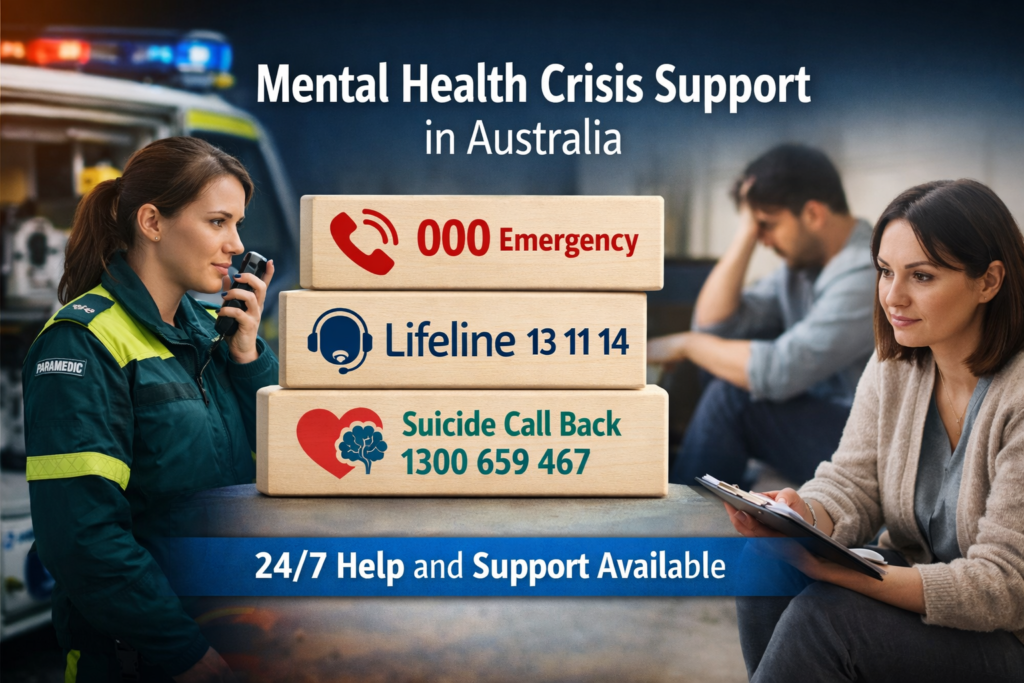
Safety note (YMYL): This is general information, not a diagnosis or medical advice. If you’re in immediate danger call 000. For crisis support call Lifeline 13 11 14 (Healthdirect Australia, 2025).
1) What autism can look like in adults
Autism is a neurodevelopmental difference. In adults it can present subtly—especially in people who’ve spent years masking. Some common themes include:
- social fatigue: you can “do” socialising, but it drains you fast
- literal communication style or difficulty reading implied meaning
- sensory differences: noise, light, textures, crowded spaces, or certain sounds can be physically distressing
- strong preference for predictability: last-minute changes can feel destabilising
- intense interests and deep focus (sometimes paired with difficulty switching tasks)
- shutdowns/meltdowns under sustained stress (often misread as “panic” or “overreaction”)
- burnout patterns from effortful masking and chronic overload (Bradshaw & others, 2021).
Important: these traits can overlap with anxiety, trauma responses, ADHD, sleep issues, or mood disorders. That’s why quality assessment matters.
2) Screening tools: useful, but not diagnostic
A common first step in primary care is a screening questionnaire. The RACGP notes the Autism Spectrum Quotient (AQ) is a screening tool that can indicate likelihood of autistic traits, but it is not a diagnostic test (Bradshaw & others, 2021).
Use screeners for what they’re good at:
- prompting a discussion with your GP
- helping you decide whether formal assessment is worth pursuing
- clarifying which traits affect functioning day-to-day
But don’t treat an online score as a diagnosis.
3) What a high-quality adult autism assessment should include
Australia has a National Guideline for autism assessment and diagnosis, published by Autism CRC and approved by the NHMRC (Autism CRC, 2018; Autism CRC, n.d.).
Autism CRC also provides an adult-focused summary of what people should expect during assessment (Autism CRC, n.d.).
In practical terms, credible adult assessment usually includes:
Developmental history (not optional)
Because autism is neurodevelopmental, assessors will look for patterns across childhood and adulthood (Autism CRC, n.d.).
Functional impact
The focus isn’t “Do you have traits?” but “How do these traits affect daily functioning, relationships, study/work, and wellbeing?” (Autism CRC, n.d.).
Differential diagnosis and comorbidities
High-quality assessment considers overlapping conditions such as ADHD, anxiety, depression, PTSD, and sensory processing issues (Autism CRC, n.d.).
Evidence-based approach and clear reporting
A formal report should explain:
- the evidence considered
- why autism is (or isn’t) the best explanation
- practical recommendations (supports, accommodations, therapy goals)
Autism CRC’s adult information resources are specifically designed to set expectations around this process (Autism CRC, n.d.).
4) Who can assess and diagnose adults in Australia?
Pathways differ depending on clinician type and local availability. Autism CRC’s guideline focuses on practitioner roles and the process, and is intended to drive consistency (Autism CRC, n.d.).
In real-world terms, many adult assessments are conducted by clinicians with experience in adult autism assessment (often psychologists and/or psychiatrists), and sometimes a multidisciplinary approach is used depending on complexity (Autism CRC, n.d.).
A simple way to vet a provider before booking:
- “How many adult autism assessments do you do per month?”
- “Do you follow the Autism CRC National Guideline approach?”
- “How do you assess for ADHD, trauma, sleep problems and anxiety?”
- “What will the final report include and how long will it take?”
- “What supports or accommodations do you typically recommend after diagnosis?”
5) Red flags: when to slow down
Be cautious if an assessment service:
- diagnoses after a very brief appointment with minimal developmental history
- relies only on a screener score
- can’t explain how they rule out trauma/anxiety/ADHD overlap
- promises certainty without evidence (“We guarantee a diagnosis”)
- provides a report that doesn’t describe functional impact or practical recommendations
You’re paying for clinical judgment—not just a label.
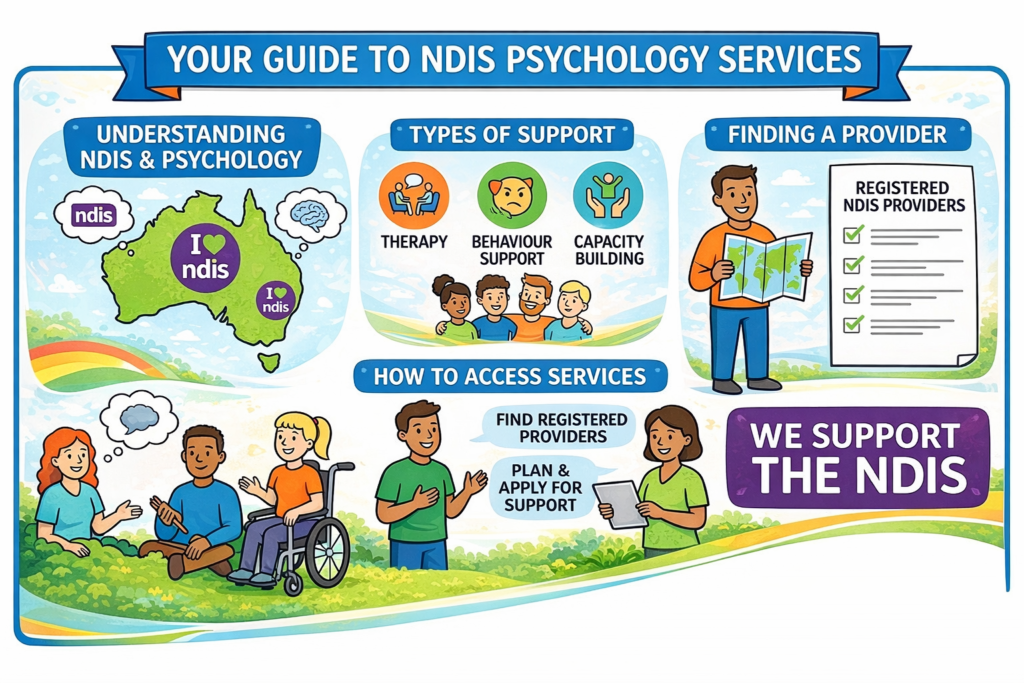
6) If you’re considering the NDIS: what evidence is usually useful
For NDIS access, diagnosis can help, but the NDIA commonly focuses on evidence about functional impact—how the condition affects your everyday life and the supports you need.
The NDIA’s disability evidence guidance highlights the value of a statement from a treating health professional describing duration, treatments explored, and how the condition impacts daily life (NDIS, n.d.).
A strong evidence pack often includes:
- diagnostic report (where available)
- functional assessment or clear functional impact section
- examples of impairment across life domains (communication, daily living, social participation, executive function, sensory tolerances)
- history of supports tried and outcomes (NDIS, n.d.).
Practical tip: When you speak with clinicians, ask them to include a clear “functional impact” section in reports—because that’s what decision makers can actually use.
7) What to do next: a clean, low-stress pathway
- Book your GP and explain your concerns with concrete examples (work, relationships, sensory issues, burnout cycles).
- Complete a screener if recommended (as a conversation starter, not a diagnosis) (Bradshaw & others, 2021).
- Choose an assessment provider who can describe their adult process and aligns with Australian guideline expectations (Autism CRC, n.d.).
- If relevant, start collecting evidence about functional impact for NDIS purposes (NDIS, n.d.).
- Whether or not autism is diagnosed, pursue practical supports: sensory/environment modifications, workload adjustments, communication supports, and targeted therapy for burnout/anxiety patterns.
Authorship, review, and editorial standards
Author: Therapy Near Me Editorial Team
Editorial standards: This article is written and maintained under our sourcing, review, and update process. Read our Editorial Policy: https://therapynearme.com.au/editorial-policy/
References
Autism CRC n.d., National Guideline for the assessment and diagnosis of autism in Australia, Autism CRC, viewed 5 March 2026, https://www.autismcrc.com.au/best-practice/assessment-and-diagnosis.
Autism CRC n.d., Information for adults seeking an assessment, Autism CRC, viewed 5 March 2026, https://www.autismcrc.com.au/best-practice/assessment-and-diagnosis/for-adults.
Autism CRC n.d., Introduction – Assessment and Diagnosis Guideline (NHMRC approved), Autism CRC, viewed 5 March 2026, https://www.autismcrc.com.au/best-practice/assessment-and-diagnosis/guideline/introduction.
Bradshaw, P et al. 2021, ‘Recognising, supporting and understanding Autistic adults’, Australian Journal of General Practice, RACGP, viewed 5 March 2026, https://www1.racgp.org.au/ajgp/2021/march/recognising-supporting-and-understanding-autistic.
National Disability Insurance Scheme (NDIS) n.d., Types of disability evidence, NDIA, viewed 5 March 2026, https://www.ndis.gov.au/applying-access-ndis/how-apply/information-support-your-request/types-disability-evidence.