
Christmas parties: a psychologist’s advice for enjoying the season without the fallout
By TherapyNearMe.com.au — evidence‑based guidance for end‑of‑year events. General information only; not a substitute for personalised medical or legal advice.
Why this matters
End‑of‑year celebrations bring connection, recognition, and recovery time. They also add pressure, alcohol availability, and blurred boundaries, which can elevate risks to mood, sleep, relationships, and careers. Psychological science helps you keep the good parts while avoiding the traps. Key themes: norms and pressure, alcohol myopia, consent and safety, sleep and next‑day functioning, and inclusive design.
The psychology of party pressure
Social norms and misperceptions
People often overestimate how much others drink or how wild others expect events to be; this normative misperceptiondrives unnecessary risk‑taking and regret (Perkins, 2003). Visible outliers (the loudest table) skew our sense of “normal,” while authority and reciprocity (“have another, it’s on us”) nudge compliance (Cialdini, 2001).
Alcohol myopia
Alcohol narrows attention to immediate, salient cues and downplays longer‑term consequences and subtle social signals. This alcohol myopia increases impulsivity, misreads of flirtation, and conflict (Steele and Josephs, 1990). In mixed groups, alcohol‑myopic judgments intersect with power dynamics, raising harm.
Spotlight effect and social anxiety
If you feel awkward, you may assume everyone is scrutinising you. In reality, others notice you far less—a cognitive bias called the spotlight effect (Gilovich, Medvec and Savitsky, 2000). Knowing this can free you to use small, values‑consistent behaviours rather than over‑compensating.
Alcohol, sleep, and next‑day performance
- Sleep: Alcohol fragments sleep and reduces REM, producing next‑day irritability and poorer emotion regulation (Roehrs and Roth, 2001).
- Hangover effects: Cognitive and motor impairments can persist after blood alcohol returns to zero (Rohsenow et al., 2010; Wiese et al., 2000).
- Injuries: Intoxication raises accident risk in party settings (Cherpitel, 2007).
- Alcohol with energy drinks: Caffeine can mask perceived intoxication, encouraging heavier drinking and risk‑taking (Marczinski, 2014).
Practical rule: If you need to be sharp the next day (driving, childcare, clinical work), plan for low‑risk intake or skip alcohol entirely.
Consent, boundaries, and bystanders
- Consent is active, enthusiastic, and can be withdrawn at any time. Intoxication reduces capacity and increases misperception (Abbey, 2002).
- Bystanders matter: Brief, concrete bystander actions—checking in, distracting, joining someone who looks isolated, or calling in a colleague—reduce harm (Banyard, 2011).
- Power gradients: Manager–report interactions at social events require extra care; perceived coercion undermines consent and psychological safety (Dollard and Bakker, 2010).
A reader‑first playbook (attendees)
Before you go
- Clarify your “why.” Connection? Recognition? A quick hello? Choose behaviour that serves that purpose.
- Set a ceiling for drinks, money, and time. Align with the Australian low‑risk drinking guideline: no more than 4 standard drinks on any occasion and 10 per week (NHMRC, 2020).
- Transport plan: book rides, designate a sober driver, or pre‑purchase public transport.
- Buddy system for arrival/departure; agree on a word for “exit now.”
While you are there
- Start with food and water; alternate alcoholic with non‑alcoholic drinks.
- Use low‑drama scripts to decline pressure: “I’m good with this one.” / “Early start tomorrow—catching up instead.”
- Read the room, not the loudest table. Seek out steady, kind people.
- Care for sensory needs: take quiet breaks; step outside; use earplugs if noise triggers fatigue.
- If something feels off: move, call your buddy, join another conversation, or ask a staff member for help.
After
- Switch off early: light snack, water, and a consistent bedtime help recovery.
- No “hair of the dog.” Opt for walk + hydration; alcohol worsens rebound sleep (Roehrs and Roth, 2001).
- Repair quickly: if you mis‑stepped, apologise promptly and specifically.
A safer‑by‑design playbook (organisers and leaders)
- Signal inclusion and consent up front. State that attendance is optional, respect is expected, and alcohol is secondary to connection.
- Timing and format: choose hours that support sleep and family care; offer seated chats, light activity, and quieter zones.
- Food first, water always: serve food early; provide appealing zero‑alcohol options.
- Alcohol guardrails: avoid hard‑to‑track rounds and drinking games; prefer table service over self‑serve; close the bar before the formal end.
- Music volume: keep levels that allow conversation; higher volume increases drinking rate (Guéguen et al., 2008).
- Bystander cues: brief your hosts on how to intervene early and discreetly (Banyard, 2011).
- Transport: pre‑book ride options; share clear end times and venue exits.
- Psychological safety: remind managers their workplace obligations extend to work functions; model boundary‑respecting behaviour (Dollard and Bakker, 2010).
Scripts you can actually use
- Declining a drink: “Thanks—water for me now.”
- Leaving early: “I’ve had a great time; I’m heading off. See you next week.”
- Checking in as a bystander: “Hey, we’re grabbing some air—want to join us?”
- Redirecting unwanted attention: “We’re keeping it work‑friendly tonight—let’s talk projects.”
- Post‑event repair: “I’m sorry about my comment last night. It missed the mark. Won’t happen again.”
Special considerations
- Neurodiversity: Provide a clear schedule, opt‑out options, and quiet zones; masking is exhausting—design for choice.
- Medication interactions: Some medicines (e.g., benzodiazepines, sedating antihistamines) compound alcohol’s impairing effects; check with your prescriber.
- Pregnancy and abstinence: Normalise non‑alcoholic choices; never ask for reasons.
- Violence or coercion: Safety first. Seek staff/security, call a friend, and if immediate danger, call 000.
Quick checklist (tear‑out)
- Purpose set • Limit set • Ride booked • Buddy chosen • Eat first • Alternate drinks • Quiet break • Boundaries respected • Early exit okay • Next‑day plan ready.
Bottom line
Great parties are about connection and recognition, not testing limits. Use psychology to design your night—and your event—so you can enjoy the season and feel good the next day.
References
Abbey, A. (2002) ‘Alcohol‑related sexual assault: A common problem among college students’, Journal of Studies on Alcohol, Supplement, (14), pp. 118–128.
Banyard, V.L. (2011) ‘Who will help prevent sexual violence: Creating an ecological model of bystander intervention’, Psychology of Violence, 1(3), pp. 216–229.
Cherpitel, C.J. (2007) ‘Alcohol and injuries: Emergency department studies in an international perspective’, Addiction, 102(11), pp. 1753–1763.
Cialdini, R.B. (2001) Influence: Science and practice. 4th edn. Boston, MA: Allyn & Bacon.
Dollard, M.F. and Bakker, A.B. (2010) ‘Psychosocial safety climate as a precursor to conducive work environments, psychological health problems, and employee engagement’, Journal of Occupational and Organizational Psychology, 83(3), pp. 579–599.
Gilovich, T., Medvec, V.H. and Savitsky, K. (2000) ‘The spotlight effect in social judgment: An egocentric bias in estimates of the salience of one’s own actions and appearance’, Journal of Personality and Social Psychology, 78(2), pp. 211–222.
Guéguen, N., Jacob, C., Le Guellec, H., Morineau, T. and Lourel, M. (2008) ‘Sound level of environmental music and drinking behavior: A field experiment with beer drinkers’, Alcoholism: Clinical and Experimental Research, 32(10), pp. 1795–1798.
Marczinski, C.A. (2014) ‘Alcohol mixed with energy drinks: Consumption patterns and risks’, Nutrition Reviews, 72(S1), pp. 98–107.
NHMRC (National Health and Medical Research Council) (2020) Australian guidelines to reduce health risks from drinking alcohol. Canberra: NHMRC.
Perkins, H.W. (2003) The Social Norms Approach to Preventing School and College Age Substance Abuse. 1st edn. San Francisco, CA: Jossey‑Bass.
Roehrs, T. and Roth, T. (2001) ‘Sleep, sleepiness, and alcohol use’, Alcohol Research & Health, 25(2), pp. 101–109.
Rohsenow, D.J., Howland, J., Arnedt, J.T., Almeida, A.B., Greece, J., Minsky, S. and Sales, S. (2010) ‘Intoxication with and without alcohol hangover and its effects on simulated driving performance’, Addiction, 105(9), pp. 1589–1594.
Steele, C.M. and Josephs, R.A. (1990) ‘Alcohol myopia: Its prized and dangerous effects’, American Psychologist, 45(8), pp. 921–933.
Wiese, J.G., Shlipak, M.G. and Browner, W.S. (2000) ‘The alcohol hangover’, Annals of Internal Medicine, 132(11), pp. 897–902.
How to cite this article
Therapy Near Me (2025) ‘Christmas parties: a psychologist’s advice for enjoying the season without the fallout’. Available at: TherapyNearMe.com.au (Accessed 9 December 2025).
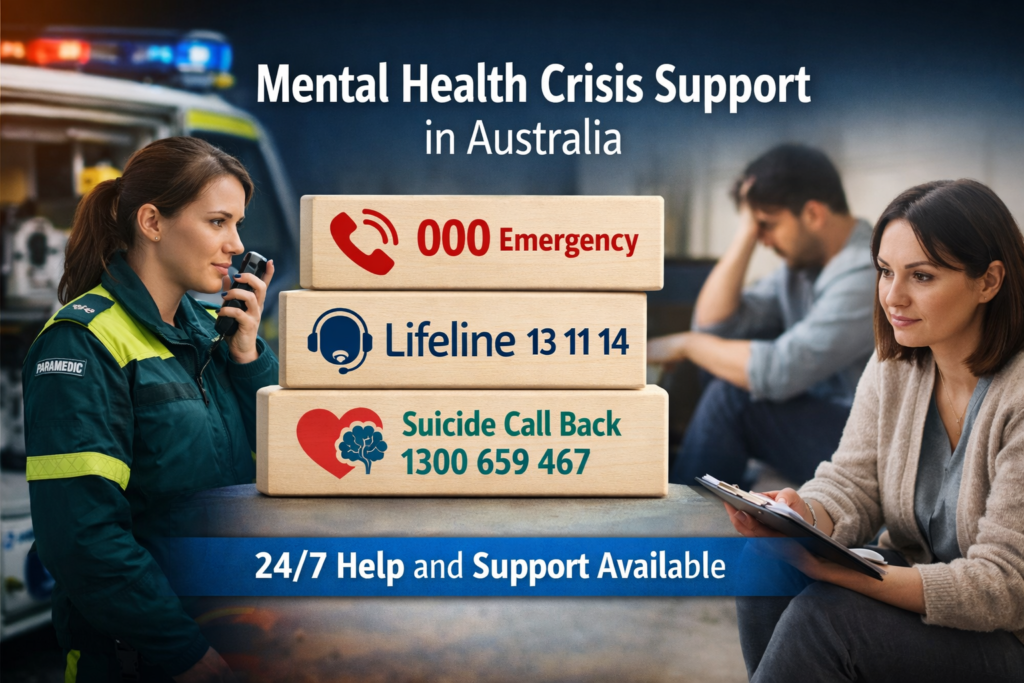
Need help? For immediate danger call 000. Alcohol & Drug Information Service (ADIS) 1800 250 015. Lifeline 13 11 14 (24/7). Suicide Call Back Service 1300 659 467.