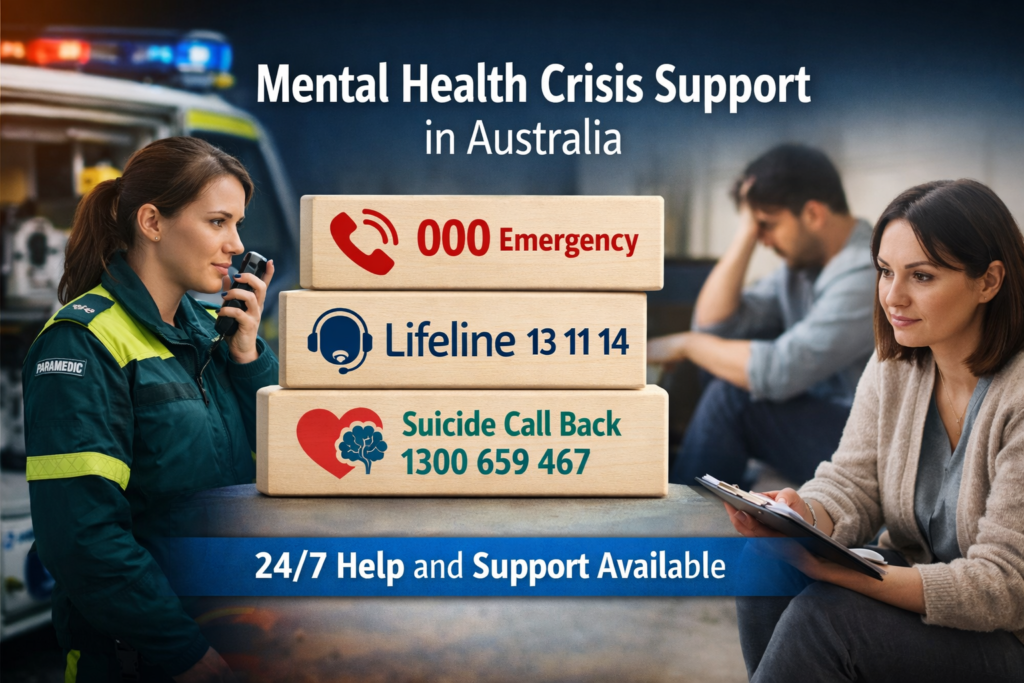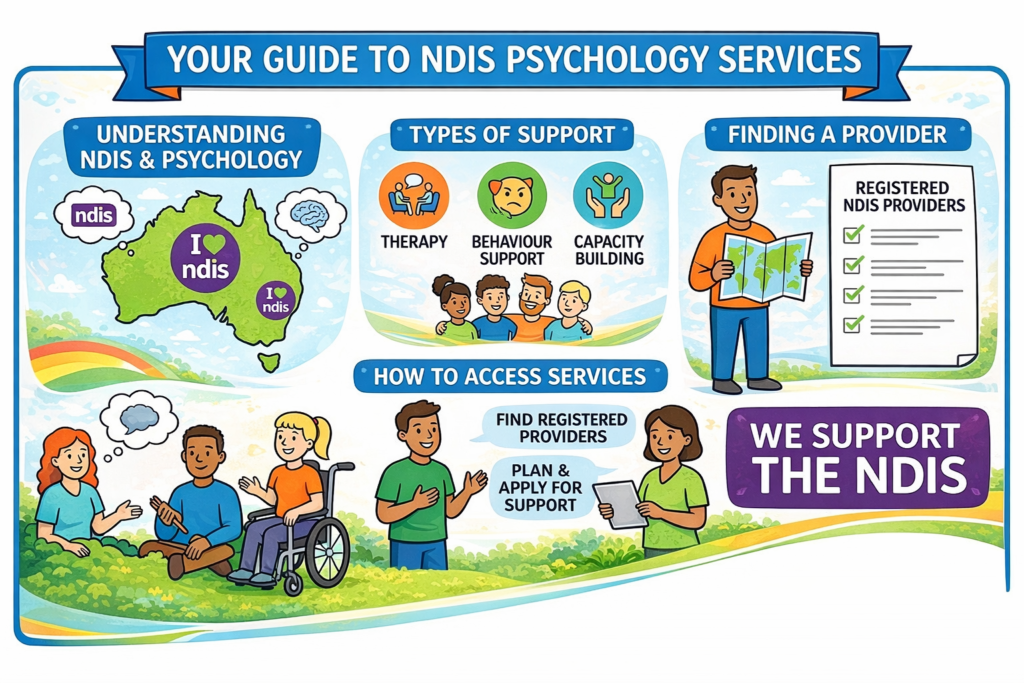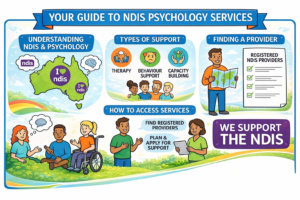
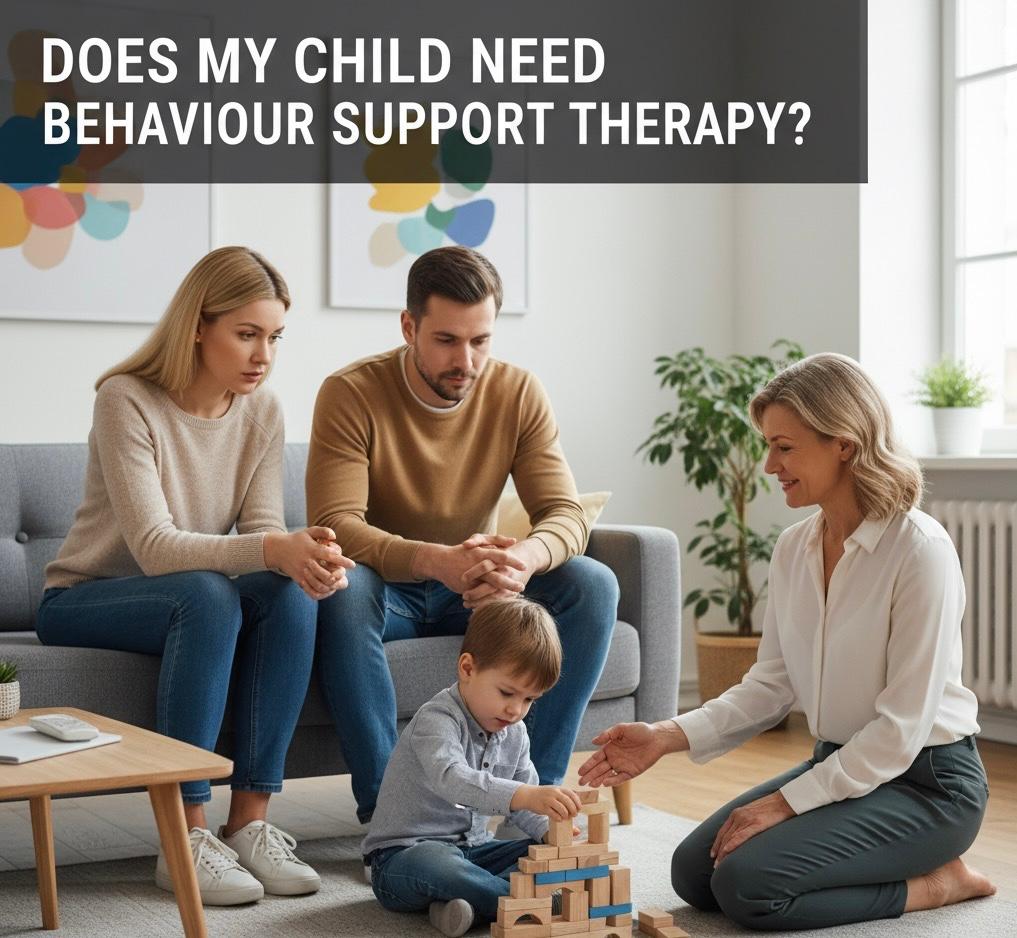
Consider behaviour support when challenging behaviours are persistent, intense, or unsafe, and when they interferewith learning, friendships, or family life. Evidence‑based care centres on Positive Behaviour Support (PBS) and parent‑mediated programs (e.g., Triple P, PCIT), guided by a functional behaviour assessment (FBA) and a written behaviour support plan (BSP) (Gore et al., 2013; Hanley et al., 2014; Sanders et al., 2014; Thomas & Zimmer‑Gembeck, 2012). In Australia, NDIS participants may access behaviour support practitioners and must follow rules to reduce restrictive practices (NDIS Commission, 2019). If risk is acute (e.g., self‑harm), seek urgent help via 000 or Lifeline 13 11 14.
What is behaviour support therapy?
Behaviour support is a collaborative, skills‑building approach that aims to understand why behaviours happen and teach safer, more effective alternatives—at home, school and in the community. High‑quality behaviour support:
- starts with a functional behaviour assessment (FBA)—observations, ABC data (Antecedent‑Behaviour‑Consequence), interviews and rating scales;
- identifies the function (e.g., escape/avoid, gain attention, access to items/activities, sensory regulation);
- develops a behaviour support plan (BSP) with prevention, skills teaching (e.g., functional communication training, FCT), and reinforcement systems;
- includes safety plans for crises;
- measures progress and adjusts (Hanley et al., 2014; Carr & Durand, 1985; Gore et al., 2013).
Positive Behaviour Support (PBS) is evidence‑based, person‑centred and values quality of life. It emphasises teaching new skills, adapting environments, and reducing reliance on restrictive practices(Gore et al., 2013; NICE, 2015).
Signs your child may benefit
Look for clusters lasting ≥4–6 weeks and causing impairment:
Safety risks
• self‑injury (biting, head‑banging, skin picking)
• physical aggression, property damage, elopement/bolting
Interference with daily life
• frequent, intense meltdowns beyond developmental expectations
• school refusal, repeated suspensions, classroom disruption
• severe rigidity around routines/transitions; sensory distress
• toileting regression (after medical causes ruled out)
Caregiver/teacher strain
• adults feel “on edge” or unable to leave the child unattended
• siblings’ routines are repeatedly derailed
Developmental context
• co‑occurring autism, ADHD, intellectual disability or language/learning difficulties
• major stressors (bullying, sleep problems, pain, trauma) (NICE, 2015; NICE, 2018; NICE, 2018a; Hiscock et al., 2007; Pelham & Fabiano, 2008).
What does the assessment involve?
- History & goals. What would “good” look like in three months? Whose goals matter? (Wolf, 1978).
- ABC data & direct observation. When/where/how often does the behaviour occur; what usually happens just before/after?
- Screen related factors. Sleep, pain, constipation, reflux, iron deficiency, hearing/vision, sensory overload; trauma; anxiety (NICE, 2015).
- Measures. Tools may include SDQ/CBCL, Vineland‑3, Conners/Vanderbilt (ADHD), and autism measures during separate diagnostic pathways (APA, 2022; NICE, 2018).
- Formulation & plan. Agree on function‑based hypotheses and write a BSP with prevention, skills, reinforcement, and crisis steps (Hanley et al., 2014).
What good behaviour support looks like
Prevention & environment
• predictable routines; clear visual schedules; transition warnings
• adapt tasks to the child’s current skills; choice‑making; sensory supports
Teach replacement skills
• Functional Communication Training (FCT): teach a simple, fast way to request a break/help/item (Carr & Durand, 1985).
• emotion‑regulation and tolerance skills; flexible thinking; social skills practice
• self‑help skills that compete with the problem behaviour (e.g., toileting routines)
Reinforce the positives
• catch desired behaviours quickly and often; use specific praise and meaningful rewards
• planned ignoring/response cost only within an overall positive plan
Plan for safety
• de‑escalation scripts, calm‑down zones, and clear roles during crises
• track and work to reduce any restrictive practices in line with regulation (NDIS Commission, 2019; NICE, 2015)
Monitor & adapt
• weekly review of frequency/severity; graph small wins; adjust supports (Hanley et al., 2014).
What treatments have the strongest evidence?
Parent‑mediated programs
• Triple P – Positive Parenting Program (Australia): meta‑analyses show improvements in child behaviour and parenting confidence (Sanders et al., 2014; Kaminski et al., 2008).
• Parent–Child Interaction Therapy (PCIT): robust effects for disruptive behaviours in young children (Thomas & Zimmer‑Gembeck, 2012).
• Behavioural interventions for ADHD: classroom/parent strategies + medication when indicated (Pelham & Fabiano, 2008; NICE, 2018a).
Function‑based interventions
• FCT and differential reinforcement reduce severe challenging behaviour when matched to function (Carr & Durand, 1985; Hanley et al., 2014).
School‑wide/PBS frameworks
• Positive behavioural interventions and supports are associated with better climate and fewer office referrals (Bradshaw et al., 2010).
Autism‑focused supports
• Parent‑mediated social‑communication interventions show durable gains; combine with function‑based strategies for behaviour (Green et al., 2010; Pickles et al., 2016).
Sleep as a lever
• Brief behavioural sleep interventions improve child behaviour and caregiver mood (Hiscock et al., 2007).
Telehealth vs in‑person
For many families, Telehealth behaviour support works well when sessions are structured and include live coachingin the child’s natural setting (Comer & Myers, 2016; Comer et al., 2017). In‑person visits can be added for school observations or complex risk.
Australia‑specific: NDIS and legal duties
- The NDIS Behaviour Support Capability Framework sets the standards for behaviour support practitioners and emphasises PBS and the reduction of restrictive practices (NDIS Commission, 2019).
- Where restrictive practices (e.g., seclusion, chemical/physical/mechanical/environmental restraint) are considered, providers must follow strict rules, reporting and reduction plans.
- Collaborate with your school and support coordinator/plan manager to align plans across settings.
A quick decision guide (parents & carers)
Green light (watch & coach): behaviours are developmentally normal, brief, and improving with simple routines and sleep fixes.
Amber (book assessment): behaviours occur weekly, cause school/home conflict, or you’re walking on eggshells.
Red (seek urgent help): self‑injury, serious aggression, unsafe elopement, or rapid regression. Use crisis plans; call 000 in emergencies.
What you can start this week (while waiting)
- Sleep: fixed wake time; device‑off 60–90 min before bed; consistent routine (Hiscock et al., 2007).
- ABC diary: note triggers, behaviour, consequences for three priority behaviours.
- Teach one communication skill: a card/sign/phrase for break/help/more (Carr & Durand, 1985).
- Catch good moments: deliver specific praise within 3 seconds.
- Reduce demands by 20% during tough periods; gradually shape up again.
- Coordinate with school/day‑care: share one page describing cues that help.
Choosing a behaviour support provider (checklist)
- Registration: AHPRA‑registered psychologist or NDIS‑recognised behaviour support practitioner.
- Approach: PBS, FBA‑driven, family‑centred; clear plan with goals and measures.
- Partnership: Willing to coach parents/teachers and collaborate with your GP/paediatrician.
- Transparency: Regular data reviews; plans to reduce restrictive practices; clear discharge/maintenance plan.
How TherapyNearMe.com.au can help
- Behaviour support (NDIS/private): PBS‑aligned assessment, FBA, and practical home/school coaching.
- Telehealth psychology (Australia‑wide): Anxiety, sleep, and parenting support with same‑week availability in many cases.
- Coordination: We liaise with your GP, school and support coordinator to keep plans consistent.
Start here: Book online at TherapyNearMe.com.au • Call 1800 NEAR ME • Medicare/NDIS/private.
References
American Psychiatric Association (APA) (2022) Diagnostic and Statistical Manual of Mental Disorders (DSM‑5‑TR).5th ed., text rev. Washington, DC: American Psychiatric Publishing.
Bradshaw, C.P., Mitchell, M.M. & Leaf, P.J. (2010) ‘Examining the effects of School‑Wide Positive Behavioral Interventions and Supports (SWPBIS) on student outcomes’, Journal of Positive Behavior Interventions, 12(3), pp. 133–148.
Carr, E.G. & Durand, V.M. (1985) ‘Reducing behavior problems through functional communication training’, Journal of Applied Behavior Analysis, 18(2), pp. 111–126.
Comer, J.S. & Myers, K. (2016) ‘Telehealth: Current state of the evidence with children and adolescents’, Journal of Child and Adolescent Psychopharmacology, 26(3), pp. 204–211.
Comer, J.S., Furr, J.M., Miguel, E.M., Cooper‑Vince, C.E., Carpenter, A.L., Elkins, R.M. et al. (2017) ‘Remotely delivering real‑time parent‑child interaction therapy: A randomized trial’, Journal of Consulting and Clinical Psychology, 85(9), pp. 909–917.
Gore, N.J., McGill, P., Toogood, S., Allen, D., Hughes, J.C., Baker, P. et al. (2013) ‘Definition and scope for Positive Behavioural Support’, International Journal of Positive Behavioural Support, 3(2), pp. 14–23.
Green, J., Charman, T., McConachie, H., Aldred, C., Slonims, V., Howlin, P. et al. (2010) ‘Parent‑mediated communication‑focused treatment in children with autism (PACT): a randomised controlled trial’, The Lancet, 375(9732), pp. 2152–2160.
Hanley, G.P., Jin, C.S., Vanselow, N.R. & Hanratty, L.A. (2014) ‘Producing meaningful improvements in problem behavior of children with autism via synthesized reinforcement contingencies’, Journal of Applied Behavior Analysis, 47(1), pp. 16–36.
Hiscock, H., Bayer, J.K., Hampton, A., Ukoumunne, O.C., Wake, M. (2007) ‘Preventing early infant sleep problems and postnatal depression: a randomised trial’, BMJ, 334, 974.
Kaminski, J.W., Valle, L.A., Filene, J.H. & Boyle, C.L. (2008) ‘A meta‑analytic review of components associated with parent training program effectiveness’, Journal of Abnormal Child Psychology, 36(4), pp. 567–589.
National Institute for Health and Care Excellence (NICE) (2015) Challenging behaviour and learning disabilities: prevention and interventions for people with learning disabilities whose behaviour challenges (NG11). London: NICE.
National Institute for Health and Care Excellence (NICE) (2018) Autism spectrum disorder in under 19s: support and management (CG170 updated). London: NICE.
National Institute for Health and Care Excellence (NICE) (2018a) Attention deficit hyperactivity disorder: diagnosis and management (NG87). London: NICE.
NDIS Quality and Safeguards Commission (2019) Positive Behaviour Support Capability Framework. Penrith: NDIS Commission.
Pelham, W.E. & Fabiano, G.A. (2008) ‘Evidence‑based psychosocial treatments for attention‑deficit/hyperactivity disorder’, Journal of Clinical Child & Adolescent Psychology, 37(1), pp. 184–214.
Pickles, A., Le Couteur, A., Leadbitter, K., Salomone, E., Cole‑Fletcher, R., Tobin, H. et al. (2016) ‘Parent‑mediated social communication therapy for pre‑school autism: long‑term follow‑up’, The Lancet, 388(10059), pp. 2501–2509.
Sanders, M.R., Kirby, J.N., Tellegen, C.L. & Day, J.J. (2014) ‘The Triple P‑Positive Parenting Program: A systematic review and meta‑analysis of a multi‑level system of parenting support’, PLOS ONE, 9(8), e104789.
Thomas, R. & Zimmer‑Gembeck, M.J. (2012) ‘Parent–Child Interaction Therapy: An evidence‑based treatment for child maltreatment’, Child Maltreatment, 17(3), pp. 253–266.
Wolf, M.M. (1978) ‘Social validity: the case for subjective measurement’, Journal of Applied Behavior Analysis, 11(2), pp. 203–214.
General information only and not a substitute for medical advice. If your child is at immediate risk, call 000. For 24/7 support, contact Lifeline 13 11 14. For personalised assessment and behaviour support, book a Telehealth appointment via TherapyNearMe.com.au.