
Yes. The NDIS can fund therapy delivered at home (or school/community) where supports are reasonable and necessary and help participants reach their goals. If a therapist travels to you, they may claim travel time (from 1 July 2025 therapy travel time is billable at 50% of the hourly price limit) and non‑labour costs (e.g., kilometres, parking) within the Modified Monash Model (MMM) time caps and other rules (NDIA, 2024; NDIA, 2025a). Therapy supports can be delivered in your home and community (NDIA, 2025b).
Short answer
The NDIS funds therapy when it is evidence‑based and linked to functional goals. Therapy can occur at home, by Telehealth, or in the community. For home visits, the therapy session is claimed from the relevant Capacity Buildingcategory (e.g., Improved Daily Living for psychology/OT/SLP; Improved Relationships for behaviour support) and the provider’s eligible travel is claimed under the provider travel rules (NDIA, 2024; NDIA, 2025b).
When is a home visit likely to be approved?
Home‑based therapy is more likely to meet the reasonable and necessary criteria when (NDIA, 2025b; NDIS Commission, 2024):
- The participant’s goals require in‑situ coaching (e.g., mealtime routines, behaviour support in daily contexts, home‑safety skills).
- There are mobility, sensory, cognitive or behavioural barriers that make travel to clinics difficult or counter‑therapeutic.
- Outcomes depend on environmental modifications or training of family/support workers in the home.
- The approach is value for money versus clinic or Telehealth alternatives.
Tip: Request letters from your allied‑health professionals that explain why home‑based sessions are required for your goals and outcomes.
Where does the funding come from?
- Capacity Building – Improved Daily Living (CB:IDL; Category 15): psychology, occupational therapy, speech pathology, physiotherapy and other allied health therapy supports.
- Capacity Building – Improved Relationships (Category 11): specialist behaviour support assessment and plan implementation.
- Core – Assistance with Daily Life / Social & Community Participation: for support workers accompanying therapy programs (not therapy itself) where applicable.
- Transport (participant transport): separate participant budget for you getting places; not used to pay a provider’s travel time to you (NDIA, 2025c).
Provider travel: the current rules for therapy (from 1 July 2025)
1) Travel time is billable at 50% of the therapy price limit.
From 1 July 2025, therapy providers may claim half of the relevant hourly price limit for time spent travelling, up to the usual time caps by location (NDIA, 2025a).
2) Time caps (per eligible worker) by location still apply.
- MMM 1–3 (metropolitan/regional centres): up to 30 minutes to the participant and up to 30 minutes to return to usual place of business.
- MMM 4–5 (regional areas): up to 60 minutes to the participant and up to 60 minutes to return.
- MMM 6–7 (remote/very remote): flexible arrangements may be agreed (NDIA, 2024, pp. 19–22).
3) Non‑labour travel costs are separate and still claimable.
With prior agreement, providers may claim non‑labour costs such as kilometres, road tolls and parking. The NDIA considers up to $0.99/km reasonable for a provider/worker‑owned vehicle (NDIA, 2024, p. 20).
4) Travel must be agreed up‑front and shown clearly on invoices.
Travel must be explained to the participant, authorised in the service agreement, and claimed using the “Provider Travel” option for time and the relevant non‑labour line for kilometres/tolls (NDIA, 2024, pp. 18–20).
5) Non‑face‑to‑face (NFTF) work
Many therapy items allow reasonable non‑face‑to‑face tasks (e.g., liaising with school, report writing) when necessary, agreed in advance, and claimed under the correct item using the “Non‑Face‑to‑Face” flag. General admin (e.g., service bookings, payment claims) is not claimable (NDIA, 2024, pp. 16–17).
6) Price limits and management type
- NDIA‑ and plan‑managed claims must follow price limits and travel rules.
- Self‑managed participants are not subject to price limits, but clear written agreement is recommended to avoid disputes (NDIA, 2024, p. 11).
Worked examples (illustrative only)
A) Psychologist home visit in MMM 1 (metropolitan)
- Session: 60‑minute therapy (CB:IDL).
- Travel time: 20 minutes to you + 20 minutes return (≤30 min cap each way) → 40 minutes billable at 50% of the psychologist price limit (NDIA, 2025a).
- Non‑labour costs: 18 km total × up to $0.99/km + parking as agreed (NDIA, 2024, p. 20).
- Invoice shows: (1) therapy time; (2) provider travel time (50% rate); (3) provider travel – non‑labour costs (km/parking).
B) Behaviour support in MMM 4 (regional)
- Session: 90‑minute home‑based observation + coaching (Improved Relationships).
- Travel time: 50 minutes to you + 50 minutes return (≤60 min cap each way) → 100 minutes billable at 50% of the behaviour support price limit (NDIA, 2025a; 2024, pp. 19–22).
- Non‑labour costs: 80 km × up to $0.99/km + tolls.
Always check the latest NDIS Pricing Arrangements and Price Limits (PAPL) when quoting.
Home visit vs Telehealth: which is better?
Both are valid. Telehealth can reduce travel costs and is effective for many goals when sessions include live coachingand follow‑up tasks. Home visits are preferred when context matters (e.g., behaviour routines, environmental set‑up, equipment trials) or travel is a barrier. Choose the format that best serves functional outcomes and value for money(NDIA, 2025b).
Common pitfalls (and how to avoid them)
- No pre‑agreement for travel: include time caps, km rates and examples in your service agreement (NDIA, 2024).
- Confusing provider travel with participant transport: transport funding is for you getting places, not for provider travel time (NDIA, 2025c; NDS, 2025).
- Over‑claiming NFTF/admin: only claim NFTF tasks directly tied to participant goals; general admin is not billable (NDIA, 2024).
- Missing MMM checks: use the Health Workforce Locator to confirm the MMM rating for the address before quoting (NDIA, 2024, p. 28).
What to put in your service agreement (copy‑ready)
- Therapy location: home / school / community / Telehealth.
- Travel time: up to __ minutes each way per MMM rules; therapy travel billed at 50% of price limit from 1 July 2025 (NDIA, 2025a).
- Non‑labour costs: kilometres up to $0.99/km (or provider vehicle running cost as updated), plus tolls/parking where applicable (NDIA, 2024).
- NFTF tasks: report writing, liaison, behaviour support plan updates—only as needed and agreed.
- Cancellations and safety: include short‑notice cancellation rules and home‑safety expectations per NDIS Practice Standards (NDIS Commission, 2024).
FAQ
Does the NDIS pay extra just because therapy is at home?
No. The therapy time is claimed the same way as a clinic session. The difference is the provider travel items when a therapist travels to you (NDIA, 2024).
Can multiple participants share travel costs?
Yes—when a therapist visits several participants in a region, travel time and non‑labour costs can be apportioned by agreement (NDIA, 2024, p. 20).
Is school a “home visit”?
It’s still a community setting. Therapy can occur at school if it meets goals and the school agrees. Travel rules are the same (NDIA, 2024; NDIA, 2025b).
Can self‑managed participants pay above the price limit?
Yes, price limits don’t apply to self‑managed participants, but clear written fees—including travel—are essential (NDIA, 2024, p. 11).
What’s the quickest way to reduce costs?
Blend Telehealth for some sessions, combine visits in the same area/day, and use goal‑focused coaching of carers to consolidate gains (NDIA, 2025b).
How TherapyNearMe.com.au can help
We provide home‑visit therapy (psychology, behaviour support and allied health via partners) across major Australian cities, plus Telehealth Australia‑wide. We’ll quote MMM‑aware travel, include non‑labour costs transparently, and work with your Support Coordinator/Plan Manager.
Book online at TherapyNearMe.com.au • Call 1800 NEAR ME (toll‑free).
References
NDIA (National Disability Insurance Agency) (2024) NDIS Pricing Arrangements and Price Limits 2024–25, Version 1.3 (published 1 Oct 2024). Available at: https://www.ndis.gov.au/providers/pricing-arrangements (Accessed 12 Nov 2025).
NDIA (2025a) ‘Travel claiming rules, gap fees and other costs’. News and updates, 1 July 2025. Available at: https://www.ndis.gov.au/news/10827-travel-claiming-rules-gap-fees-and-other-costs (Accessed 12 Nov 2025).
NDIA (2025b) Therapy supports – Operational guidance (overview page and quick summary). Available at: https://www.ndis.gov.au/understanding/supports-funded-ndis/therapy-supports and https://www.ndis.gov.au/media/8091/download (Accessed 12 Nov 2025).
NDIA (2025c) Transport funding (participants). Available at: https://www.ndis.gov.au/participants/creating-your-plan/plan-budget-and-rules/transport-funding (Accessed 12 Nov 2025).
NDIS Quality and Safeguards Commission (2024) NDIS Practice Standards and Quality Indicators. Available at: https://www.ndiscommission.gov.au/rules-and-standards/ndis-practice-standards (Accessed 12 Nov 2025).
NDS – National Disability Services (2025) Provider travel and participant transport: Practical guide. Available at: https://nds.org.au/images/SDP/practical-guides/Provider-travel-and-participant-transport-PG_v2_accessible.docx(Accessed 12 Nov 2025).
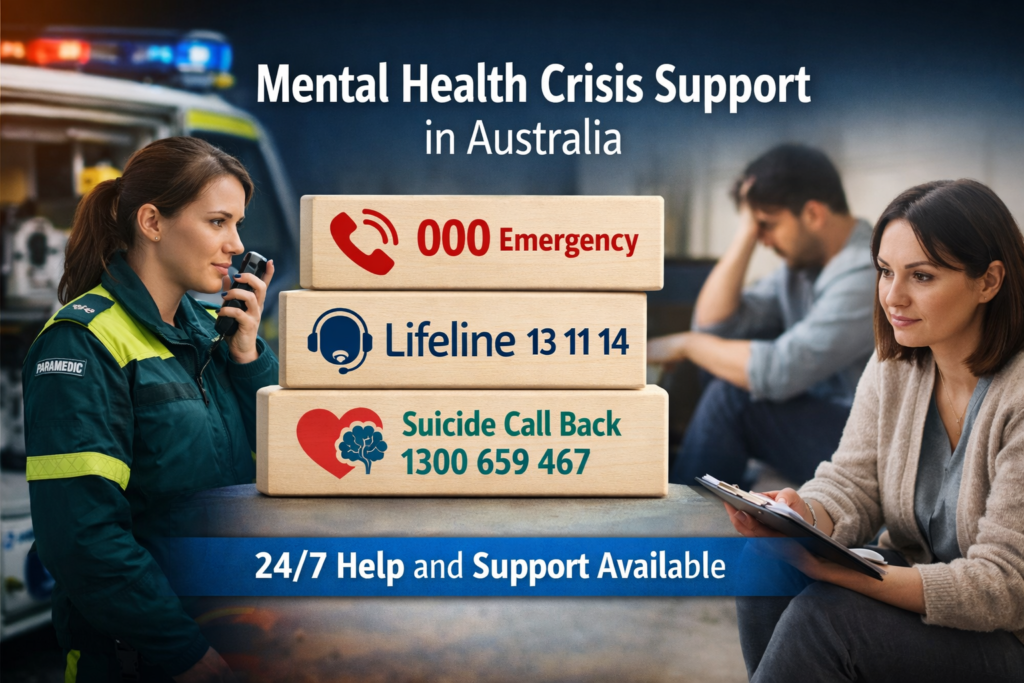
General information only, not a substitute for individual advice. If you need urgent help, call 000. For 24/7 crisis support contact Lifeline 13 11 14. For personalised guidance, book a Telehealth or home‑visit appointment via TherapyNearMe.com.au.