
Outcomes in therapy are driven less by a therapist’s “brand” and more by fit, alliance, and the match between your goals and their methods. Strong evidence shows the therapeutic alliance—agreement on goals and tasks, plus a sense of bond—is a reliable predictor of improvement across approaches (Flückiger et al., 2018). Client preferences and a therapist’s interpersonal skill also matter (Swift et al., 2011; Baldwin & Imel, 2013). Start with AHPRA registration, shortlist by clinical focus and cultural fit, and use the first two sessions to test alignment. If it isn’t working, it’s absolutely okay to switch (Eubanks, Muran & Safran, 2015).
What actually predicts good therapy outcomes?
1) The therapeutic alliance
A large meta‑analysis finds a moderate, robust link between alliance and outcomes across modalities and problems (Flückiger et al., 2018). Put simply: if you and your psychologist agree on what you’re working on and how, and you feel understood, improvement is more likely.
2) Therapist effects (the “who” matters)
Across clinics, some therapists consistently achieve better outcomes than others, independent of method—a phenomenon called therapist effects (Baldwin & Imel, 2013). Interpersonal skill, responsiveness, and routine feedback on progress help close the gap.
3) Preferences and expectations
Matching client preferences (e.g., skills‑focused CBT vs. exploratory work; weekly video vs. in‑person) modestly improves engagement and outcomes and reduces dropout (Swift et al., 2011; Swift & Greenberg, 2012).
4) Methods still matter—but many are comparably effective
For common conditions such as depression and anxiety, several evidence‑based therapies show comparable average efficacy (Cuijpers et al., 2019). The practical question is whether the psychologist can explain their plan for your goals and adjust it when needed.
Qualifications, registration and safety in Australia
- Check AHPRA registration: Use the Ahpra Register of Practitioners to confirm current registration and any area‑of‑practice endorsements (e.g., Clinical, Forensic, Counselling).
- Ask about focus areas: Anxiety, OCD, trauma, child/adolescent, couples, health, ADHD/autism assessments, behaviour support.
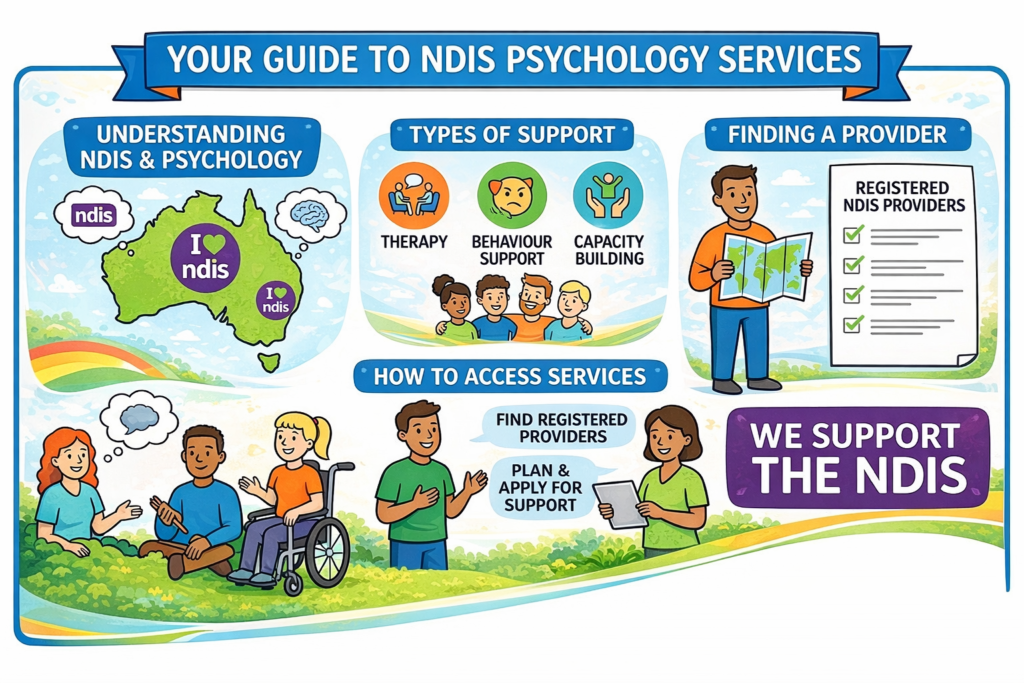
- Medicare & NDIS: Many clients access therapy via a GP mental‑health treatment plan (Medicare rebates). NDIS participants may access psychology or behaviour support where function is impacted. Confirm current eligibility rules and caps with your GP, plan manager or provider.
Tip: Titles like “psychotherapist”, “counsellor” and “coach” are not protected in the same way as “psychologist” is. Always verify registration for health services.
Modalities—decoded without the hype
- CBT (Cognitive Behavioural Therapy): Structured, skills‑based; strong evidence for anxiety, depression, insomnia and more (Hofmann et al., 2012).
- Exposure‑based therapies (incl. ERP): Gold‑standard for phobias and OCD; requires collaborative planning (NICE, 2005; 2022).
- ACT (Acceptance & Commitment Therapy): Values‑guided behaviour change; helpful across problems (A‑Tier evidence).
- EMDR (for trauma): Supported for PTSD in guidelines when delivered by trained clinicians (NICE, 2018; 2023).
- Couples therapies (e.g., IBCT/EFT): Evidence‑based for relationship distress.
- Child/adolescent approaches: Parent‑involved CBT, behavioural and systems work often outperform child‑only therapy for externalising concerns.
Bottom line: Look for a clear rationale, a written plan, and measurable goals, not just a modality label (Cuijpers et al., 2019).
Telehealth vs in‑person: does it work?
Systematic reviews suggest video‑based therapy achieves outcomes broadly comparable to in‑person care for common conditions when sessions are structured and private (Backhaus et al., 2012; Hilty et al., 2013; Norwood et al., 2018). Choose what best fits your access, comfort and schedule.
Cultural safety, identity and inclusion
Feeling respected and understood in your cultural, linguistic, neurodivergent, gender and sexual‑identity contexts is linked with better engagement and outcomes (Hook et al., 2013; Owen et al., 2016). Ask how the psychologist approaches cultural humility, accessibility (interpreters, sensory‑friendly practice), and LGBTQIA+‑affirming care.
Money, access and logistics
- Fees & rebates: Ask for the fee schedule, any bulk‑billing or concessional options, and the rebate you may be eligible for (Medicare, private health, NDIS).
- Session dose: Many problems benefit from 6–12 structured sessions, with review points; complex trauma or OCD often require longer. Your therapist should review progress and adjust.
- Between‑session work: Expect brief home practice for skills‑based therapies; it predicts better outcomes (Hofmann et al., 2012).
Questions to ask in the first consult (use this checklist)
- Have you worked with many clients with [my goal/problem]? What approaches do you use and why?
- How will we measure progress? (questionnaires, goal attainment, relapse‑prevention plan)
- What does a typical session look like? What do I do between sessions?
- How do you adapt for my identity/culture/language/neurotype?
- What are the risks/side‑effects? (e.g., exposure can feel harder before it feels better)
- How can we raise concerns if therapy isn’t working? (rupture‑repair plan)
Green flags—and red flags
Green flags
- Collaborative goal‑setting and clear plan
- Invites feedback; uses outcome measures
- Explains evidence and options in plain language
- Comfortable discussing culture, identity and access needs
Red flags
- Won’t confirm registration; discourages questions
- Offers grand claims or guarantees
- Ignores consent or pushes a single method without rationale
- Dismisses your identity or lived experience
If something feels off, it’s okay to seek a second opinion (Eubanks, Muran & Safran, 2015).
How to change psychologists—ethically and cleanly
If fit isn’t right, you’re not “failing therapy”. Request a transfer summary outlining progress and next steps. Evidence suggests open discussion and timely referrals prevent dropout and preserve gains (Swift & Greenberg, 2012; Eubanks, Muran & Safran, 2015).
Australian pathways to get started
- GP referral: Ask for a mental‑health treatment plan to discuss rebate options and the most appropriate service level.
- Telehealth psychology (Australia‑wide): TherapyNearMe.com.au offers evidence‑based care via secure video, with same‑week availability in many cases.
- NDIS psychology & behaviour support: For eligible participants where disability impacts daily living—speak with your support coordinator/plan manager.
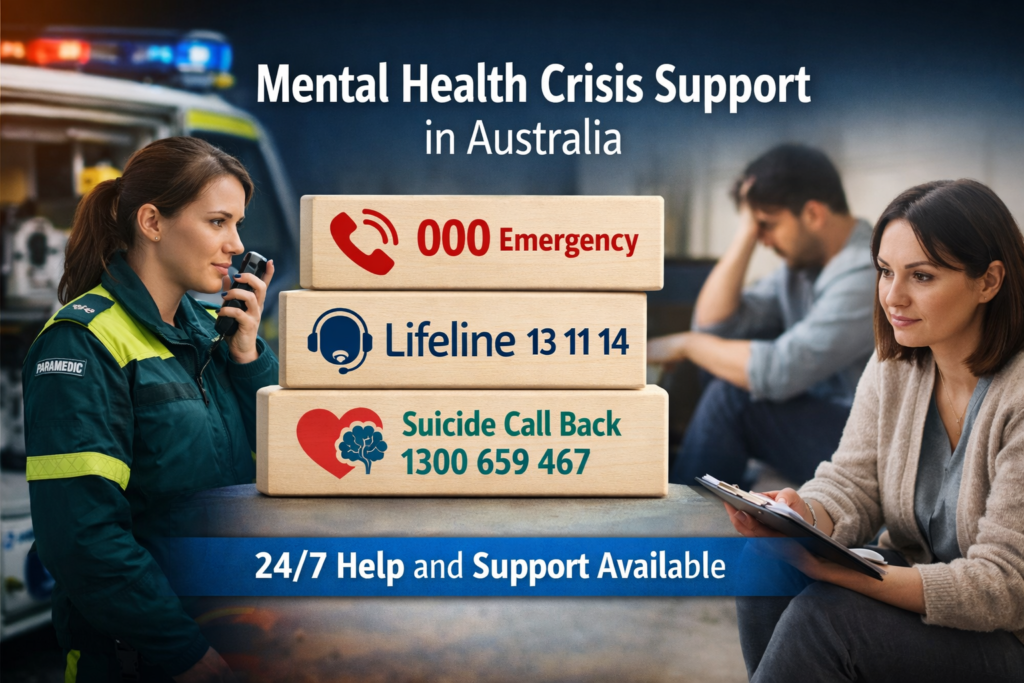
- Crisis: If you’re in danger or at imminent risk, call 000. For 24/7 support, contact Lifeline on 13 11 14.
FAQ
How long until I feel better?
Many clients notice early gains by session 4–6 when therapy is active and a good fit, though timelines vary by problem severity and life stressors (Flückiger et al., 2018; Hofmann et al., 2012).
Do qualifications determine quality?
Training matters, but interpersonal skill, alliance and good feedback practices are equally critical (Baldwin & Imel, 2013).
Is one approach “best”?
For common concerns, several approaches perform similarly on average. Choose the clinician who can explain a tailored plan you believe in (Cuijpers et al., 2019).
How TherapyNearMe.com.au can help
- Evidence‑based Telehealth psychology: Anxiety, depression, OCD, trauma, couples and child/family work.
- Behaviour support (NDIS): Practical plans where disability intersects with behaviour and daily routines.
- Resources: Articles on anxiety, sleep, digital wellbeing and caregiver skills.
Start here: Online referrals via TherapyNearMe.com.au • Medicare/NDIS/private.
References
Baldwin, S.A. & Imel, Z.E. (2013) ‘Therapist effects: Findings and methods’, in Lambert, M.J. (ed.) Bergin and Garfield’s Handbook of Psychotherapy and Behavior Change. 6th edn. Hoboken, NJ: Wiley, pp. 258–297.
Backhaus, A., Agha, Z., Maglione, M.L. et al. (2012) ‘Videoconferencing psychotherapy: A systematic review’, Psychological Services, 9(2), pp. 111–131. https://doi.org/10.1037/a0027924
Cuijpers, P., Karyotaki, E., Reijnders, M. & Purgato, M. (2019) ‘Meta-analyses and mega-analyses of psychotherapy for adult depression: Progress and challenges’, World Psychiatry, 18(3), pp. 317–327. https://doi.org/10.1002/wps.20661
Eubanks, C.F., Muran, J.C. & Safran, J.D. (2015) ‘Alliance rupture repair: A meta-analysis’, Psychotherapy, 52(4), pp. 419–428. https://doi.org/10.1037/a0036895
Flückiger, C., Del Re, A.C., Wampold, B.E. & Horvath, A.O. (2018) ‘The alliance in adult psychotherapy: A meta-analytic synthesis’, Psychotherapy, 55(4), pp. 316–340. https://doi.org/10.1037/pst0000172
Hilty, D.M., Ferrer, D.C., Parish, M.B. et al. (2013) ‘The effectiveness of telemental health: A 2013 review’, Telemedicine and e-Health, 19(6), pp. 444–454. https://doi.org/10.1089/tmj.2013.0075
Hofmann, S.G., Asnaani, A., Vonk, I.J., Sawyer, A.T. & Fang, A. (2012) ‘The efficacy of cognitive behavioral therapy: A review of meta-analyses’, Cognitive Therapy and Research, 36(5), pp. 427–440. https://doi.org/10.1007/s10608-012-9476-1
Hook, J.N., Davis, D.E., Owen, J. et al. (2013) ‘Cultural humility: Measuring openness to culturally diverse clients’, Journal of Counseling Psychology, 60(3), pp. 353–366. https://doi.org/10.1037/a0032595
NICE (2005; updated 2022) Obsessive‑compulsive disorder and body dysmorphic disorder: Treatment. London: National Institute for Health and Care Excellence.
NICE (2018; updated 2023) Post‑traumatic stress disorder: Management. London: National Institute for Health and Care Excellence.
Norwood, C., Moghaddam, N.G., Malins, S. & Sabin‑Farrell, R. (2018) ‘Working alliance and outcome effectiveness in videoconferencing psychotherapy: Systematic review and non‑inferiority meta‑analysis’, Clinical Psychology & Psychotherapy, 25(6), pp. 797–808. https://doi.org/10.1002/cpp.2315
Owen, J., Tao, K.W., Imel, Z.E. et al. (2016) ‘The multicultural orientation framework: A narrative review’, Psychotherapy, 53(3), pp. 356–371. https://doi.org/10.1037/pst0000070
Swift, J.K., Callahan, J.L., Vollmer, B.M. & Grady, R.J. (2011) ‘The impact of client treatment preferences on outcome: A meta‑analysis’, Journal of Clinical Psychology, 67(2), pp. 155–165. https://doi.org/10.1002/jclp.20759
Swift, J.K. & Greenberg, R.P. (2012) ‘Premature discontinuation in adult psychotherapy: A meta‑analysis’, Psychotherapy, 49(4), pp. 583–595. https://doi.org/10.1037/a0028226
General information only. For personalised guidance or a matched referral, consider booking a Telehealth session with a registered psychologist via TherapyNearMe.com.au.