
Engaging in psychological therapy is a significant step towards improving mental health, emotional well-being, and personal growth. Whether you are addressing anxiety, depression, relationship concerns, or other challenges, a well-structured approach can enhance the benefits of each session (Australian Psychological Society [APS] 2023). Below, we discuss evidence-based tips and strategies for making the most out of your time with a psychologist—ensuring that you leave therapy sessions with greater clarity, skill development, and tangible progress.
Keywords: Psychology sessions, Therapy goals, Cognitive Behavioural Therapy (CBT), Therapeutic alliance, Psychological homework, Mental health outcomes, Telehealth psychology services, Australian Psychological Society (APS), Evidence-based interventions, Coping strategies and self-care
1. Clarify Your Goals and Expectations
1.1 Define Your Therapy Goals
Starting therapy with clear objectives sets the stage for meaningful outcomes (Wampold & Imel 2015). Goals might range from reducing distressing symptoms to improving self-esteem or enhancing interpersonal relationships. By articulating what you want to achieve, you help your psychologist tailor the therapeutic process to your specific needs (APS 2023).
1.2 Understand Your Therapy Model
Different therapeutic modalities—such as Cognitive Behavioural Therapy (CBT), Acceptance and Commitment Therapy (ACT), or Psychodynamic Therapy—use varied approaches to address issues (NICE 2020). Ask questions about the therapy style offered and how it aligns with your goals. Understanding the rationale behind each technique can increase engagement and motivation.
2. Be Open and Honest in Sessions
2.1 Share Relevant Information
Honesty is vital to the therapeutic relationship. Concealing critical information—such as medication use, substance habits, or major life stressors—can limit the psychologist’s ability to deliver optimal care (BMC Psychiatry 2022). While some topics may be uncomfortable, open communication fosters trust and accurate assessment.
2.2 Discuss Setbacks and Progress
Therapy progress is rarely linear, and challenges often arise along the way (Lambert 2013). Sharing setbacks or relapses promptly allows your psychologist to adjust interventions and provide new coping strategies. Similarly, celebrating achievements, no matter how small, can reinforce growth and build self-efficacy.
3. Engage Actively Between Sessions
3.1 Complete Therapy “Homework”
Many evidence-based therapies incorporate tasks, worksheets, or exercises to practise between sessions (NICE 2020). For example, CBT may involve thought records or exposure exercises. Consistently engaging with these activities enhances learning, promotes skill retention, and accelerates progress (Wampold & Imel 2015).
3.2 Reflect and Journal
Maintaining a journal of your feelings, insights, or behavioural patterns can deepen self-awareness (APA 2020). It helps you track emotional shifts, identify triggers, and notice progress over time. Sharing these reflections with your psychologist can guide session discussions and highlight areas needing attention.
4. Prepare for Each Session
4.1 Note Discussion Points
Before each appointment, jot down questions, concerns, or recent experiences you’d like to address (BMC Psychiatry 2022). This ensures you do not forget essential details under the pressure of the moment, maximising the efficiency of your therapy time.
4.2 Set a Personal Agenda
While psychologists lead the therapeutic process, your input is crucial. Formulate a short list of key topics, such as a recent conflict at work or a moment of anxiety that you managed successfully. This co-creation of a session agenda encourages mutual collaboration and structured conversation (APS 2023).
5. Foster a Strong Therapeutic Alliance
5.1 Open Communication and Feedback
Research consistently highlights the importance of the therapeutic alliance—the bond of trust and collaboration between psychologist and client (Lambert 2013). If something feels unhelpful or uncomfortable, bring it up. Constructive feedback can improve therapy outcomes by ensuring the process aligns with your preferences and needs.
5.2 Ask for Clarification
If your psychologist introduces an unfamiliar term or technique, request further explanation. Understanding why and how a specific approach works can enhance motivation and willingness to apply strategies outside the therapy room (NICE 2020).
6. Consider Lifestyle and Support Systems
6.1 Holistic Well-Being
Mental health is influenced by factors such as sleep, diet, physical activity, and social connections (AIHW 2022). Discussing lifestyle habits with your psychologist can shed light on stressors or barriers affecting progress. Incorporating holistic well-being strategies—like mindfulness exercises or improved sleep hygiene—can boost therapy outcomes (APA 2020).
6.2 Leverage Social Support
Family members, friends, or support groups can reinforce therapeutic gains (Wampold & Imel 2015). Whether it involves sharing a new coping strategy with a friend or asking a partner to participate in sessions, tapping into social networks often deepens and sustains improvements.
7. Evaluate Your Progress
7.1 Regular Check-Ins
Periodically assess whether you are moving closer to your therapy goals. Many psychologists use brief outcome measures or questionnaires to track symptom changes (Lambert 2013). Comparing baseline results with current data can illustrate tangible progress—or signal the need to refine the therapeutic plan.
7.2 Be Open to Adjustments
If you feel therapy has plateaued, discuss alternative approaches or referrals (APS 2023). The ability to adapt—whether by changing techniques, increasing session frequency, or seeking workd services—helps maintain momentum and ensures your evolving needs are met.
8. Consider Telehealth and Accessibility
8.1 Telehealth Options
If attending in-person appointments is challenging due to distance, mobility issues, or busy schedules, Telehealth psychology may be a viable alternative (AIHW 2022). Research indicates comparable effectiveness between virtual and face-to-face sessions for various mental health concerns (APA 2020).
8.2 Accessibility and Funding
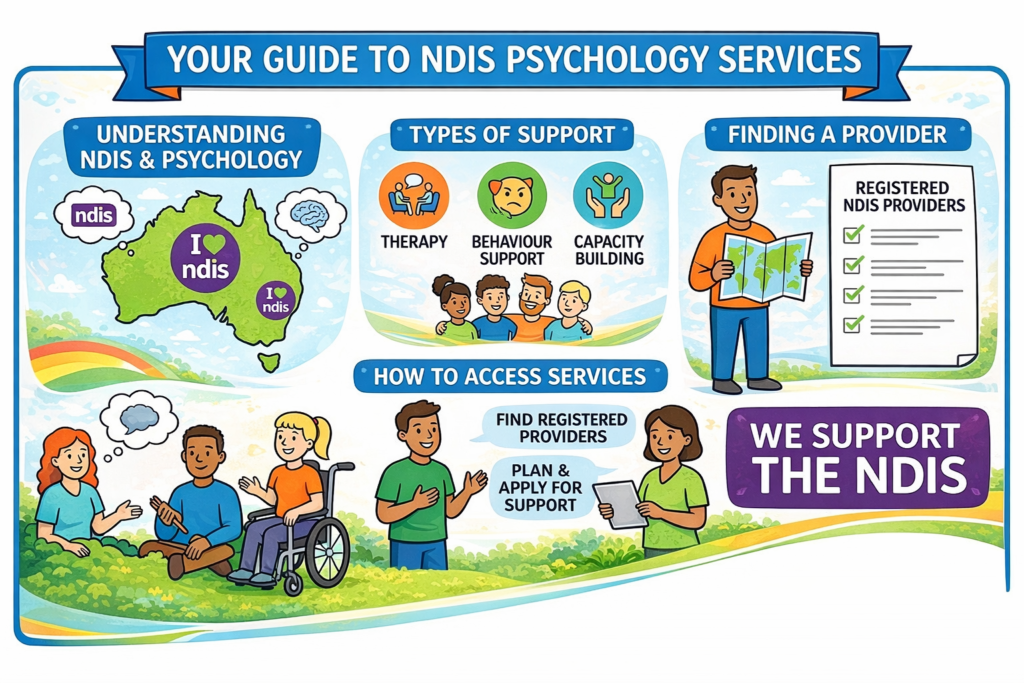
In Australia, programs like Medicare, NDIS, or Employee Assistance Programs (EAP) can provide financial support or no-cost sessions for those who qualify. Check eligibility or ask your psychologist about bulk-billing options to reduce out-of-pocket expenses (APS 2023).
9. Embrace Ongoing Self-Development
9.1 Post-Therapy Maintenance
Therapy often sets the groundwork for lifelong emotional skills, but continued practice is essential. Even after you reach your initial goals, consider periodic check-ins or booster sessions to reinforce coping strategies (Wampold & Imel 2015).
9.2 Self-Compassion and Realistic Expectations
Change takes time and persistence. Practising self-compassion—recognising that setbacks are part of growth—can reduce frustration and keep you motivated (APA 2020). Celebrate each step forward, and treat therapy as a continuous journey rather than a quick fix.
Conclusion
Getting the most out of psychology sessions involves a combination of clarity, active participation, and strong collaboration with your psychologist. By establishing concrete goals, engaging in homework, providing honest feedback, and maintaining a supportive environment, you can maximise the potential for meaningful change (APS 2023). Remember, mental health improvement is often a gradual process, but consistency and openness are powerful allies on the path to well-being.
References
- AIHW (Australian Institute of Health and Welfare) 2022, Mental Health Services in Australia, AIHW, viewed 29 January 2025, https://www.aihw.gov.au/.
- APA (American Psychological Association) 2020, Clinical Practice Guideline for the Treatment of Depression, APA, viewed 29 January 2025, https://www.apa.org/.
- APS (Australian Psychological Society) 2023, Seeking Help: Tips for Getting the Most out of Therapy, APS, viewed 29 January 2025, https://psychology.org.au/.
- BMC Psychiatry 2022, ‘Factors Influencing Client-Therapist Communication in Psychological Treatment: A Review’, BMC Psychiatry, vol. 22, pp. 456–464.
- Lambert, M.J. 2013, Bergin and Garfield’s Handbook of Psychotherapy and Behavior Change, 6th edn, John Wiley & Sons, Hoboken.
- NICE (National Institute for Health and Care Excellence) 2020, Depression in Adults: Treatment and Management, NICE, viewed 29 January 2025, https://www.nice.org.uk/.
- Wampold, B.E. & Imel, Z.E. 2015, The Great Psychotherapy Debate: The Evidence for What Makes Psychotherapy Work, 2nd edn, Routledge, New York.
Enjoyed Our Free Daily Mental Health Articles?
If you find value in our insights and resources, we’d love to hear from you! Please consider visiting our Google Business Profile nearest to your location and leaving a review. Your feedback not only helps us improve but also allows us to continue providing free, high-quality mental health articles to support your wellbeing every day. Thank you for your support!
How to get in touch
If you or your NDIS participant need immediate mental healthcare assistance, feel free to get in contact with us on 1800 NEAR ME – admin@therapynearme.com.au.