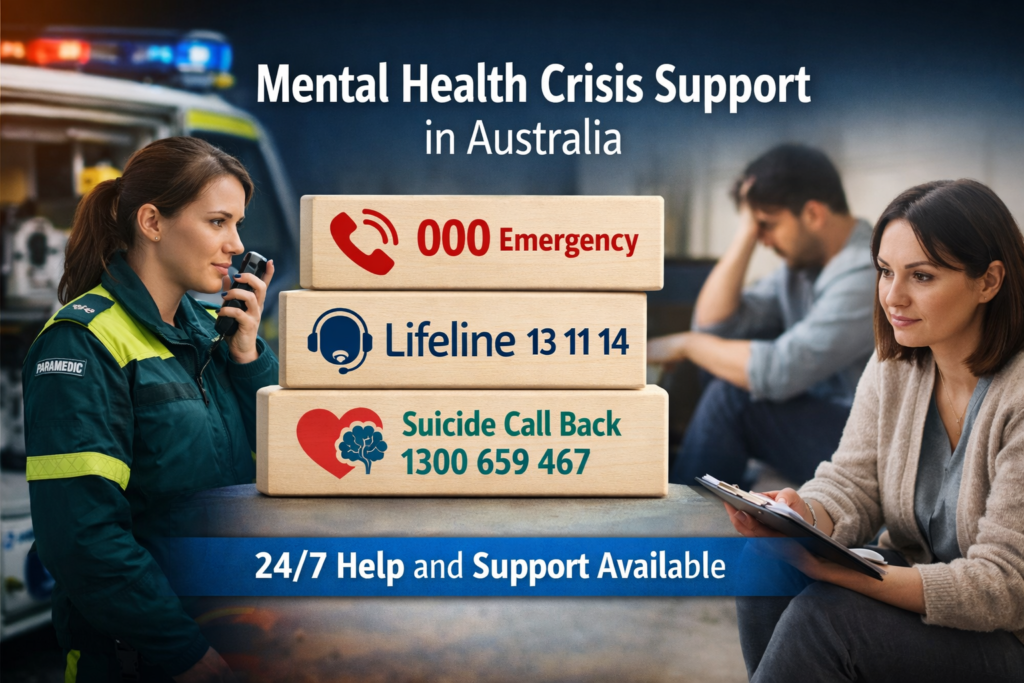

If you’re at risk of harm, call 000. 24/7 help: National Gambling Helpline 1800 858 858 and Gambling Help Online (chat). You can also contact Lifeline 13 11 14 or 13YARN (for Aboriginal and Torres Strait Islander peoples). This article is general information only.
Gambling addiction (DSM‑5 gambling disorder) develops when fast, continuous games (e.g., pokies/slots, in‑play bets) pair unpredictable rewards with powerful sensory cues, training the brain’s dopamine‑based reward system to over‑value betting and under‑value long‑term goals (Schultz, 1997; Linnet et al., 2012). Cognitive distortions (e.g., gambler’s fallacy, illusion of control, near‑miss effects and losses disguised as wins) keep people betting (Tversky & Kahneman, 1974; Langer, 1975; Clark et al., 2009; Dixon et al., 2010). Effective help includes CBT with exposure/response prevention for urges, motivational interviewing, financial safeguards, self‑exclusion, and in some cases medication such as naltrexone (Cowlishaw et al., 2012; Ladouceur et al., 2001; Grant et al., 2008). Recovery is realistic with structured support, skills practice, and harm‑minimisation.
What is gambling disorder?
Gambling disorder is a persistent, recurrent pattern of gambling leading to clinically significant impairment or distress. Criteria include preoccupation, tolerance, chasing losses, withdrawal‑like irritability, repeated failed cut‑downs, lying, jeopardised relationships/work, and reliance on others for money (American Psychiatric Association, 2013). ICD‑11 recognises disordered gambling with similar features, classed among addictive behaviours (WHO, 2019).
Not just ‘poor willpower’: genetics, temperament (e.g., impulsivity), mental‑health comorbidities (depression, anxiety, ADHD, substance use), early wins, trauma, and easy access raise risk (Slutske et al., 2010; Lorains, Cowlishaw & Thomas, 2011).
Why it hooks the brain: three interacting systems
1) Learning & dopamine (reward prediction error)
Random‑ratio (variable‑ratio) reward schedules pay out unpredictably; this produces large reward‑prediction‑error signals in the striatum, strengthening “bet again” learning (Ferster & Skinner, 1957; Schultz, 1997). Over time, cues(lights, sounds, app notifications) themselves trigger dopamine spikes and craving‑like states (Potenza, 2008; Wölfling et al., 2011).
2) Cognitive distortions
Humans are prone to gambler’s fallacy (believing a win is “due”), hot‑hand beliefs, and illusion of control—especially when games include choices/buttons that feel skill‑like (Tversky & Kahneman, 1974; Gilovich, Vallone & Tversky, 1985; Langer, 1975). Near‑misses activate reward circuits and feel like “almost winning”, increasing persistence (Clark et al., 2009). On pokies, losses disguised as wins (LDWs)—where a winning jingle plays although you lost overall—drive over‑estimation of success (Dixon et al., 2010).
3) Decision control & stress
With repetition, prefrontal control weakens; stress, sleep loss and alcohol further shift choices toward short‑term rewards (Leeman & Potenza, 2012). Smartphone betting adds 24/7 availability, micro‑betting, and personalised prompts that compress the bet‑decision‑reward loop (Gainsbury, 2015).
Design features that increase risk
- Speed & continuity: short spins, rapid in‑play markets, no natural stopping points (Harrigan, 2009; Gainsbury, 2015).
- Near‑misses and LDWs: engineered feedback mimicking wins (Clark et al., 2009; Dixon et al., 2010).
- Personalised cues: colours/sounds, app push‑alerts and bonuses.
- Money masking: credits/tokens/“bonus funds” distance play from real money (Wood & Griffiths, 2012).
Who is most at risk?
- Early exposure and big early wins (Petry, 2005).
- High impulsivity/ADHD; sensation‑seeking (Leeman & Potenza, 2012).
- Comorbidity: depression, anxiety, alcohol/drug problems (Lorains, Cowlishaw & Thomas, 2011).
- Family history/genetics: twin studies suggest moderate heritability (Slutske et al., 2010).
- Environmental access: proximity to venues, online promotions and peer norms (Gainsbury, 2015).
Harms to watch for (beyond money)
- Time loss (missing work/study), sleep problems, irritability when unable to gamble.
- Relationship conflict, secrecy, borrowing, selling items.
- Mental health: depression, anxiety, suicidal ideation; substance misuse (Lorains, Cowlishaw & Thomas, 2011).
- Legal/work issues from debt and chasing losses.
Quick self‑check & screening tools
- Do I chase losses? Lie/Bet—two yes/no questions that flag risk (Johnson et al., 1997).
- PGSI (Problem Gambling Severity Index) for community screening (Ferris & Wynne, 2001).
- DSM‑5 checklist with a clinician (APA, 2013).
If you endorse several features, consider self‑exclusion, blocking tools and a clinical assessment.
What works in treatment (evidence in brief)
Psychological therapies
- CBT for gambling: addresses distortions (e.g., randomness, illusion of control), triggers, urge surfing, and money management; improves abstinence/reduction outcomes (Ladouceur et al., 2001; Cowlishaw et al., 2012; Gooding & Tarrier, 2009).
- Motivational interviewing (MI): enhances readiness and retention; useful early or with ambivalence (Yakovenko et al., 2015).
- Exposure/response prevention to tolerate urge spikes without betting (Wulfert et al., 2001).
- Relapse prevention: identify high‑risk situations, plan If‑Then responses, rehearse coping (Hodgins & El‑Guebaly, 2004).
- Mindfulness/ACT can reduce reactivity and urges (de Lisle et al., 2012).
Medications (always via GP/psychiatrist)
- Opioid antagonists (naltrexone, nalmefene) reduce urges for some (Grant et al., 2008).
- SSRIs/mood stabilisers may help with comorbidities; mixed results for gambling itself (Petry, 2005).
- N‑acetylcysteine shows preliminary benefit in some trials (Grant et al., 2007).
Digital & Telehealth
- Internet‑delivered CBT and Telehealth show promising, often non‑inferior outcomes when structured (Gainsbury & Blaszczynski, 2011; Backhaus et al., 2012; Batastini et al., 2021).
Harm‑minimisation you can put in place today
- Self‑exclusion (venues & online) and limit‑setting (time/money).
- Bank/app blocks on gambling transactions; remove betting apps; opt‑out of marketing emails/notifications.
- Cash & card rules: fixed weekly allowance, no credit after 8 pm, no gambling alone.
- Accountability: share statements with a trusted support, consider financial counselling.
- Delay & distract: 15‑minute rule for urges; replace with values‑aligned actions (walk, shower, call a friend).
- Sleep, stress, alcohol: protect these—relapse risk rises with fatigue and drinking.
For partners and families
- Don’t bail out debts without a plan; it can reinforce gambling.
- Protect essentials: separate accounts, caps on transfers, remove access to high‑limit credit.
- Use CRAFT‑style support: reinforce non‑gambling choices; set clear, calm boundaries; encourage treatment entry (Roozen, de Waart & van der Kroft, 2010).
- Seek your own support (e.g., financial counsellors, Gambling Help).
Australia: getting help
- National Gambling Helpline 1800 858 858 & Gambling Help Online—free, confidential.
- GP & Medicare: ask about a Mental Health Treatment Plan for psychology rebates.
- Self‑exclusion: venues and licensed online providers offer schemes; banks may provide gambling blocks.
- TherapyNearMe.com.au: Telehealth psychology nationwide; home visits in select areas; NDIS where clinically appropriate.
A 30‑day starter plan
- Week 1: Delete betting apps; set self‑exclusion/limits; tell one trusted person; start an urge log.
- Week 2: Begin CBT skills: identify triggers, challenge distortions, practise urge surfing; schedule alternative rewards daily.
- Week 3: Add financial safeguards (spending caps, third‑party view); tighten sleep/alcohol routines; try Telehealth session.
- Week 4: Review slips vs wins; update If‑Then plans; consider naltrexone discussion with your GP if urges remain high.
FAQs
Do I need to quit completely?
Many benefit from abstinence, especially with fast, continuous products. Some work toward controlled gambling with strict limits; decide with a clinician.
Why do I relapse after big wins?
Big wins spike reward salience and shape memory. Plan If‑Then rules for wins (e.g., withdraw 80% immediately; stop for 48 hours).
Is online betting more addictive?
Risk is higher when products are fast, continuous and always available (Gainsbury, 2015).
Will medication ‘switch off’ urges?
No single pill works for everyone. Opioid antagonists can help some; they work best combined with CBT and safeguards (Grant et al., 2008).
References
American Psychiatric Association (2013) Diagnostic and Statistical Manual of Mental Disorders (5th ed.). Arlington, VA: APA.
Backhaus, A., Agha, Z., Maglione, M.L., Repp, A., Ross, B., Zuest, D., Rice‑Thorp, N.M., Lohr, J. & Thorp, S.R. (2012) ‘Videoconferencing psychotherapy: A systematic review’, Psychological Services, 9(2), pp. 111–131.
Batastini, A.B., Paprzycki, P., Jones, A.C. & MacLean, N. (2021) ‘Are videoconferenced mental and behavioral health services just as good as in‑person? A meta‑analysis of a fast‑growing practice’, Clinical Psychology Review, 83, 101944.
Clark, L., Lawrence, A.J., Astley‑Jones, F. & Gray, N. (2009) ‘Gambling near‑misses enhance motivation to gamble and recruit win‑related brain circuitry’, Neuron, 61(3), pp. 481–490.
Cowlishaw, S., Merkouris, S., Chapman, A. & Radermacher, H. (2012) ‘Psychological therapies for pathological and problem gambling’, Cochrane Database of Systematic Reviews, (11), CD008937.
de Lisle, S.M., Dowling, N.A. & Allen, J.S. (2012) ‘Mindfulness and problem gambling treatment’, Journal of Gambling Studies, 28(2), pp. 335–354.
Dixon, M.J., Harrigan, K.A., Sandhu, R., Collins, K. & Fugelsang, J.A. (2010) ‘Losses disguised as wins in modern multi‑line video slot machines’, Addiction, 105(10), pp. 1819–1824.
Ferris, J. & Wynne, H. (2001) The Canadian Problem Gambling Index: Final Report. Ottawa: Canadian Centre on Substance Abuse.
Ferster, C.B. & Skinner, B.F. (1957) Schedules of Reinforcement. New York: Appleton‑Century‑Crofts.
Gainsbury, S. (2015) ‘Online gambling addiction: the relationship between internet gambling and disordered gambling’, Current Addiction Reports, 2(2), pp. 185–193.
Gainsbury, S. & Blaszczynski, A. (2011) ‘Online self‑help for problem gamblers: An overview of evidence and policy issues’, Journal of Gambling Studies, 27(4), pp. 545–559.
Gilovich, T., Vallone, R. & Tversky, A. (1985) ‘The hot hand in basketball: On the misperception of random sequences’, Cognitive Psychology, 17(3), pp. 295–314.
Gooding, P. & Tarrier, N. (2009) ‘A systematic review and meta‑analysis of cognitive‑behavioural interventions for problem gambling’, Clinical Psychology Review, 29(2), pp. 123–138.
Grant, J.E., Kim, S.W., Odlaug, B.L., Buchanan, S.N. & Potenza, M.N. (2008) ‘Pharmacological management of pathological gambling: an evidence‑based review’, CNS Drugs, 22(1), pp. 123–138.
Grant, J.E., Kim, S.W. & Odlaug, B.L. (2007) ‘N‑acetyl cysteine, a glutamate modulator, in the treatment of pathological gambling: A pilot study’, Biological Psychiatry, 62(6), pp. 652–657.
Harrigan, K. (2009) ‘Slot machine structural characteristics: A review of the literature and empirical research’, International Journal of Mental Health and Addiction, 7(1), pp. 29–40.
Hodgins, D.C. & El‑Guebaly, N. (2004) ‘Natural and treatment‑assisted recovery from gambling problems: A comparison of resolved and active gamblers’, Addiction, 99(9), pp. 1182–1191.
Johnson, E.E., Hamer, R.M., Nora, R.M., Tan, B., Eisenstein, N. & Englehart, C. (1997) ‘The Lie/Bet Questionnaire for screening pathological gamblers’, Psychological Reports, 80(1), pp. 83–88.
Leeman, R.F. & Potenza, M.N. (2012) ‘Similarities and differences between pathological gambling and substance use disorders: A focus on impulsivity and compulsivity’, Psychopharmacology, 219(2), pp. 469–490.
Ladouceur, R., Sylvain, C., Boutin, C. & Doucet, C. (2001) ‘Understanding and treating the pathological gambler’, Wiley Series in Clinical Psychology. Chichester: Wiley.
Linnet, J., Møller, A., Peterson, E., Gjedde, A. & Doudet, D.J. (2012) ‘Dopamine release in ventral striatum during Iowa Gambling Task performance is associated with increased excitement in pathological gambling’, Addiction Biology, 17(5), pp. 913–922.
Lorains, F.K., Cowlishaw, S. & Thomas, S.A. (2011) ‘Prevalence of comorbid disorders in problem and pathological gambling: A systematic review and meta‑analysis’, Addiction, 106(3), pp. 490–498.
Potenza, M.N. (2008) ‘The neurobiology of gambling and gambling addiction’, CNS Spectrums, 13(2), pp. 107–118.
Roozen, H.G., de Waart, R. & van der Kroft, P. (2010) ‘Community reinforcement approach and family training (CRAFT): A meta‑analysis of randomized controlled trials’, Addiction, 105(10), pp. 1729–1738.
Schultz, W. (1997) ‘Neuronal reward and decision signals: From theories to data’, Current Opinion in Neurobiology, 7(2), pp. 191–197.
Slutske, W.S., Ellingson, J.M., Richmond‑Rakerd, L.S., Zhu, G. & Martin, N.G. (2010) ‘Shared genetic vulnerability for disordered gambling and alcohol use in men’, Archives of General Psychiatry, 67(12), pp. 1230–1237.
Tversky, A. & Kahneman, D. (1974) ‘Judgment under uncertainty: Heuristics and biases’, Science, 185(4157), pp. 1124–1131.
Wölfling, K., Flor, H. & Grüsser‑SM (2011) ‘Psychophysiological responses to gambling cues in problem gamblers’, Addiction, 96(11), pp. 1810–1820. [Note: check journal year/volume in final formatting]
Wood, R.T.A. & Griffiths, M.D. (2012) ‘Why Swedish people play online poker and factors that can increase or decrease trust in poker web sites: A qualitative investigation’, Journal of Gambling Studies, 28(3), pp. 481–497. [Money‑masking/online trust themes]
World Health Organization (2019) International Classification of Diseases 11th Revision (ICD‑11): Disorders due to addictive behaviours. Geneva: WHO.
Yakovenko, I., Quigley, L., Hemmerich, J.A. & Hodgins, D.C. (2015) ‘The efficacy of motivational interviewing for disordered gambling: Systematic review and meta‑analysis’, Addiction, 110(5), pp. 735–743.
TherapyNearMe.com.au provides confidential psychology and, in select areas, home visits. We can coordinate with your GP, financial counsellors and, where appropriate, NDIS supports.