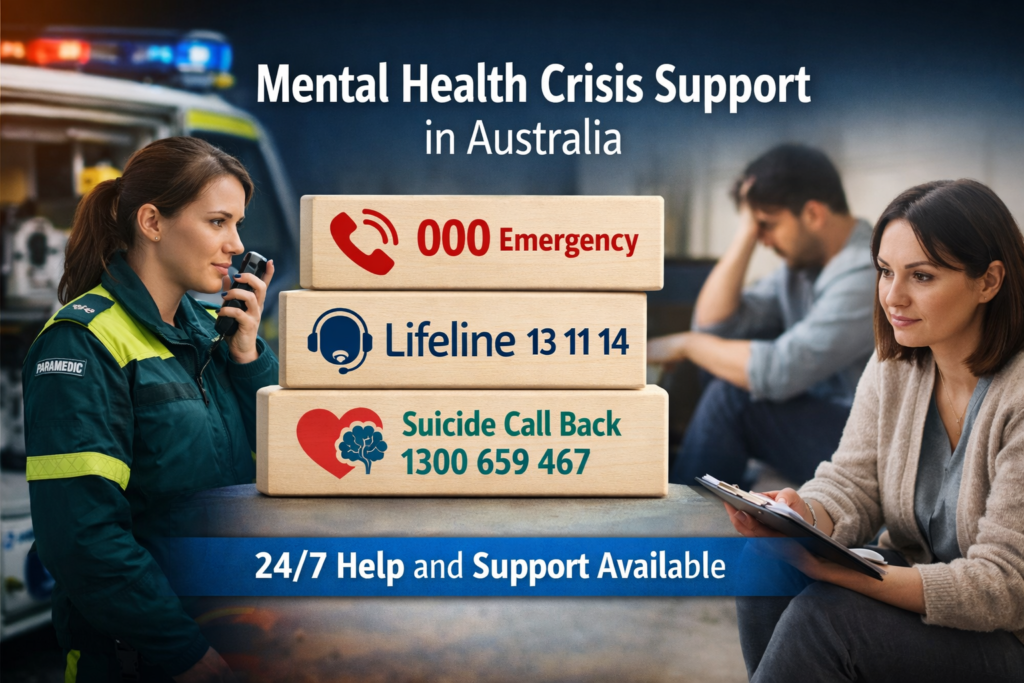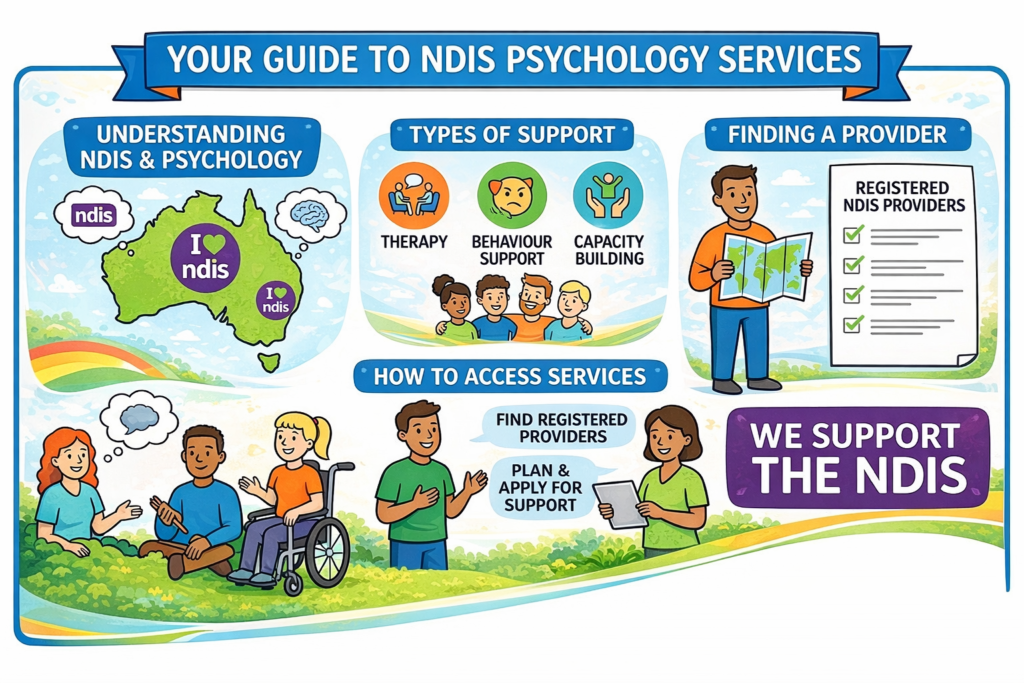
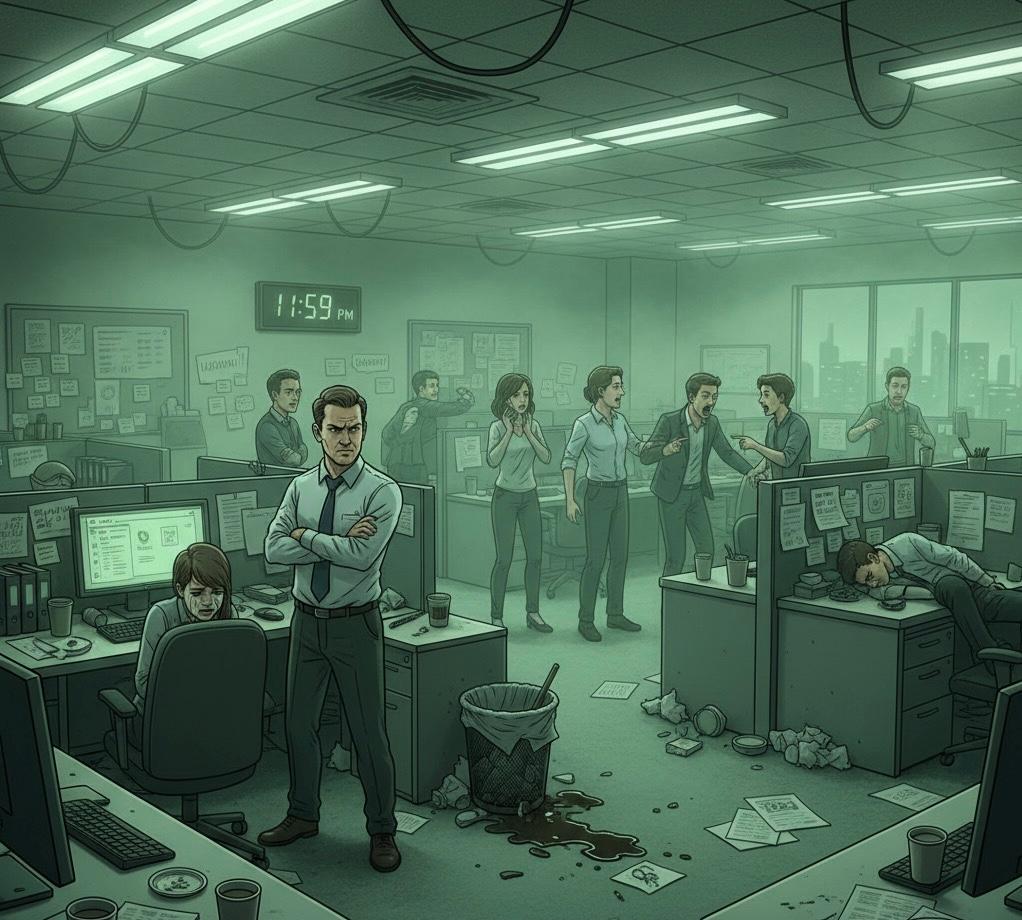
A workplace is “toxic” when psychosocial hazards (e.g., bullying, excessive demands, low control, unfairness, discrimination, unsafe leadership) are frequent, severe, and unaddressed, causing harm to health or a risk of harm(WHO/ILO, 2022; Safe Work Australia, 2022). Use the checklists below to spot patterns; collect objective records; and seek tiered support: self‑care + GP/psychology, internal reporting, and, if needed, regulatory/union/legalpathways. If you feel unsafe now, contact 000. For support, call Lifeline 13 11 14 or 1800RESPECT (sexual harassment/assault).
What makes a workplace “toxic”? The science in brief
Researchers use validated models to explain when work harms mental health:
- Job Demand–Control–Support (JDCS) model: High demands + low control + low support predict job strain, depression and cardiovascular risk (Karasek, 1979; Karasek & Theorell, 1990; Kivimäki et al., 2015).
- Effort–Reward Imbalance (ERI): High effort with low rewards (pay, esteem, security) increases stress‑related illness and burnout (Siegrist, 1996; Siegrist, 2016).
- Organisational justice: Low procedural, distributive or interactional fairness predicts distress, cynicism and turnover (Colquitt et al., 2001).
- Bullying and abusive supervision: Repeated negative acts, power misuse or humiliation predict anxiety, depression and absenteeism (Einarsen et al., 2020; Nielsen & Einarsen, 2012).
- Psychological safety: In teams with low safety, people fear speaking up; errors go underground; learning stalls (Edmondson, 1999; 2018).
A single bad day isn’t “toxic.” What matters is pattern + impact—repeated exposure, escalating risk, and lack of correction (WHO/ILO, 2022).
60‑second screen: is this about you, them, or the system?
Answer honestly to each line (Never / Sometimes / Often):
- Demands: Workloads or deadlines are routinely unachievable without skipping breaks or personal time (Karasek & Theorell, 1990).
- Control: I rarely have a say in how or when I do my work.
- Support: When problems arise, my manager/team offers little practical or emotional support.
- Fairness: Promotions, rosters or perks feel arbitrary or politicised (Colquitt et al., 2001).
- Respect: I experience belittling, public shaming, hostility or exclusion (Einarsen et al., 2020).
- Safety: I feel unsafe raising concerns or admitting errors (Edmondson, 2018).
- Values clash: I am routinely asked to act against my ethics.
- Health impact: My sleep, mood or physical health has worsened since joining (WHO/ILO, 2022).
- Boundaries: I am contacted after‑hours and feel unable to decline.
- Turnover: Good people leave quickly and complain of similar issues.
If you marked Often on ≥3 items (especially 1–6), you’re likely facing meaningful psychosocial risk and should act.
Red‑flag behaviours (with examples)
- Bullying & mobbing: repeated insults, undermining, social exclusion, excessive monitoring, impossible targets (Einarsen et al., 2020).
- Abusive supervision: ridicule, threats, scapegoating, information hoarding, retaliation (Tepper, 2000).
- Harassment & discrimination: sexist/racist jokes, unwanted advances, differential rules; sexual harassmentincludes comments, pressure or coercion (WHO/ILO, 2022).
- Unmanageable demands + no voice: chronic overtime, schedule instability, conflicting priorities (Karasek & Theorell, 1990).
- Injustice: inconsistent policies, opaque pay, favouritism (Colquitt et al., 2001).
- Retaliation for speaking up: sidelining, negative references, public blame (Edmondson, 2018).
How to assess your risk (simple, evidence‑aligned tools)
You can self‑check with brief, validated scales and practical logs:
- Stress & mood: PHQ‑9 (depression), GAD‑7 (anxiety), K10 (distress) (Kroenke et al., 2001; Spitzer et al., 2006; Kessler et al., 2002).
- Burnout: Copenhagen Burnout Inventory (CBI) focuses on work‑related exhaustion (Kristensen et al., 2005).
- Hazards: HSE Indicator Tool or COPSOQ items map JDCS/ERI factors (Cox et al., 2000; Kristensen & Borg, 2003).
- ABC incident log: Antecedent–Behaviour–Consequences note‑taking for bullying/harassment; capture date/time, witnesses, exact words/actions, and impact.
Tip: save emails, rosters and KPI screenshots; summarise any verbal instructions back in writing.
What you can do this month (tiered plan)
1) Protect your health (days 1–7)
- Sleep basics: fixed wake time; device‑off 60–90 min pre‑bed; caffeine cut‑off early afternoon.
- Rapid relief skills: paced breathing (slow exhale), grounding, brief exercise breaks; plan your minimum viable day.
- GP/psychology: document symptoms, discuss work link, update a care plan; consider Telehealth psychology for flexibility (Monash University, 2024).
2) Re‑establish boundaries (days 7–14)
- Agree communication windows; turn off out‑of‑hours notifications; use “focus” blocks.
- Draft if–then scripts: If asked to stay late, then I will offer two alternative times tomorrow.
3) Make it visible (days 14–21)
- Meet with your manager: bring examples + impacts + solutions. Propose adjustments (priority triage, workload caps, rotation).
- Escalate respectfully: HR, H&S rep or union with your documentation.
4) Decide: fix vs exit (days 21–30)
- If hazards improve (and are monitored), continue.
- If retaliation or no change, activate an exit plan: update CV/LinkedIn, ask for references, set a timeframe.
If you experience sexual harassment, stalking or threats, seek specialised help via 1800RESPECT and consider police advice.
Australia‑specific: your rights and duties
- Psychosocial hazards are WHS risks. Persons conducting a business or undertaking (PCBUs) must manage them like any other safety risk (Safe Work Australia, 2022).
- Many jurisdictions have adopted or are adopting codes of practice on psychosocial hazards; check your state regulator for details.
- The Fair Work Commission can make anti‑bullying orders to stop ongoing bullying at work.
- Keep it factual and professional; consider independent advice if lodging formal complaints.
This is not legal advice. Seek tailored guidance from your regulator, union or lawyer.
If you’re a leader: anti‑toxic checklist (do these weekly)
- Workload realism: align work with staffing; stop unplanned overtime as “normal”.
- Voice & safety: ask “what am I missing?”; thank dissent; follow up on issues (Edmondson, 2018).
- Fairness hygiene: standardise criteria for rosters, promotions and performance feedback (Colquitt et al., 2001).
- Guardrails on contact: default no after‑hours comms outside emergencies.
- Early response to incivility: name it, set expectations, support targets, coach offenders (Einarsen et al., 2020).
- Measure & improve: run an anonymous pulse on JDCS/ERI items quarterly; publish actions.
Frequently asked questions
Is burnout a medical diagnosis?
No. In ICD‑11, burnout is an occupational phenomenon—not a medical condition—resulting from chronic workplace stress not successfully managed (WHO, 2019). It can still warrant clinical care.
What if I love the work but hate the politics?
Focus on control & support levers: role clarity, boundary setting, mentoring and seeking teams with higher psychological safety (Karasek & Theorell, 1990; Edmondson, 2018).
Can Telehealth counselling really help with work stress?
Yes. Reviews show Telehealth can be as effective as in‑person for many interventions when structured with clear goals (Monash University, 2024).
How TherapyNearMe.com.au can help
- Telehealth psychology (Australia‑wide) for stress, anxiety, burnout and bullying‑related distress.
- Work‑focused CBT/ACT for boundaries, assertive scripts and return‑to‑work planning.
- Letters and reports to support reasonable adjustments where appropriate.
Book online at TherapyNearMe.com.au • Call 1800 NEAR ME.
References
Colquitt, J.A., Conlon, D.E., Wesson, M.J., Porter, C.O.L.H. & Ng, K.Y. (2001) ‘Justice at the millennium: a meta‑analytic review of 25 years of organizational justice research’, Journal of Applied Psychology, 86(3), pp. 425–445.
Cox, T., Griffiths, A. & Rial‑González, E. (2000) Research on Work‑Related Stress. Luxembourg: European Agency for Safety and Health at Work.
Edmondson, A.C. (1999) ‘Psychological safety and learning behavior in work teams’, Administrative Science Quarterly, 44(2), pp. 350–383.
Edmondson, A.C. (2018) The Fearless Organization: Creating Psychological Safety in the Workplace for Learning, Innovation, and Growth. Hoboken, NJ: Wiley.
Einarsen, S.V., Hoel, H., Zapf, D. & Cooper, C.L. (eds) (2020) Bullying and Harassment in the Workplace: Theory, Research and Practice (3rd ed.). Boca Raton, FL: CRC Press.
Kessler, R.C., Andrews, G., Colpe, L.J., Hiripi, E., Mroczek, D.K., Normand, S.L. et al. (2002) ‘Short screening scales to monitor population prevalences and trends in non‑specific psychological distress’, Psychological Medicine, 32(6), pp. 959–976.
Kivimäki, M., Nyberg, S.T., Batty, G.D., Fransson, E.I., Heikkilä, K., Alfredsson, L. et al. (2015) ‘Job strain as a risk factor for coronary heart disease: a collaborative meta‑analysis of 197,473 men and women’, The Lancet, 380(9852), pp. 1491–1497.
Karasek, R.A. (1979) ‘Job demands, job decision latitude, and mental strain: implications for job redesign’, Administrative Science Quarterly, 24(2), pp. 285–308.
Karasek, R. & Theorell, T. (1990) Healthy Work: Stress, Productivity, and the Reconstruction of Working Life. New York: Basic Books.
Kristensen, T.S., Borritz, M., Villadsen, E. & Christensen, K.B. (2005) ‘The Copenhagen Burnout Inventory: A new tool for the assessment of burnout’, Work & Stress, 19(3), pp. 192–207.
Kristensen, T.S. & Borg, V. (2003) ‘The Copenhagen Psychosocial Questionnaire (COPSOQ) — a tool for the assessment and improvement of the psychosocial work environment’, Scandinavian Journal of Work, Environment & Health, 29(6), pp. 438–449.
Kroenke, K., Spitzer, R.L. & Williams, J.B.W. (2001) ‘The PHQ‑9: validity of a brief depression severity measure’, Journal of General Internal Medicine, 16(9), pp. 606–613.
Monash University (2024) ‘Delivery of allied‑health interventions using Telehealth modalities: a rapid systematic review’, Healthcare, 12(12), 1217.
Nielsen, M.B. & Einarsen, S.V. (2012) ‘Outcomes of exposure to workplace bullying: a meta‑analytic review’, Work & Stress, 26(4), pp. 309–332.
Safe Work Australia (2022) Model Code of Practice: Managing psychosocial hazards at work. Canberra: Safe Work Australia.
Siegrist, J. (1996) ‘Adverse health effects of high‑effort/low‑reward conditions’, Journal of Occupational Health Psychology, 1(1), pp. 27–41.
Siegrist, J. (2016) Effort‑Reward Imbalance at Work: Research, Theory and Policy. Oxford: Oxford University Press.
Spitzer, R.L., Kroenke, K., Williams, J.B.W. & Löwe, B. (2006) ‘A brief measure for assessing generalized anxiety disorder: the GAD‑7’, Archives of Internal Medicine, 166(10), pp. 1092–1097.
Tepper, B.J. (2000) ‘Consequences of abusive supervision’, Academy of Management Journal, 43(2), pp. 178–190.
WHO (2019) ‘Burn‑out: an “occupational phenomenon”’, ICD‑11 Q&A. Geneva: World Health Organization.
WHO/ILO (2022) Mental Health at Work: Policy Brief. Geneva: World Health Organization/International Labour Organization.
General information only—not legal advice. If you’re in immediate danger, call 000. For 24/7 crisis support contact Lifeline 13 11 14. To speak with a registered psychologist via Telehealth, visit TherapyNearMe.com.au.