Introduction
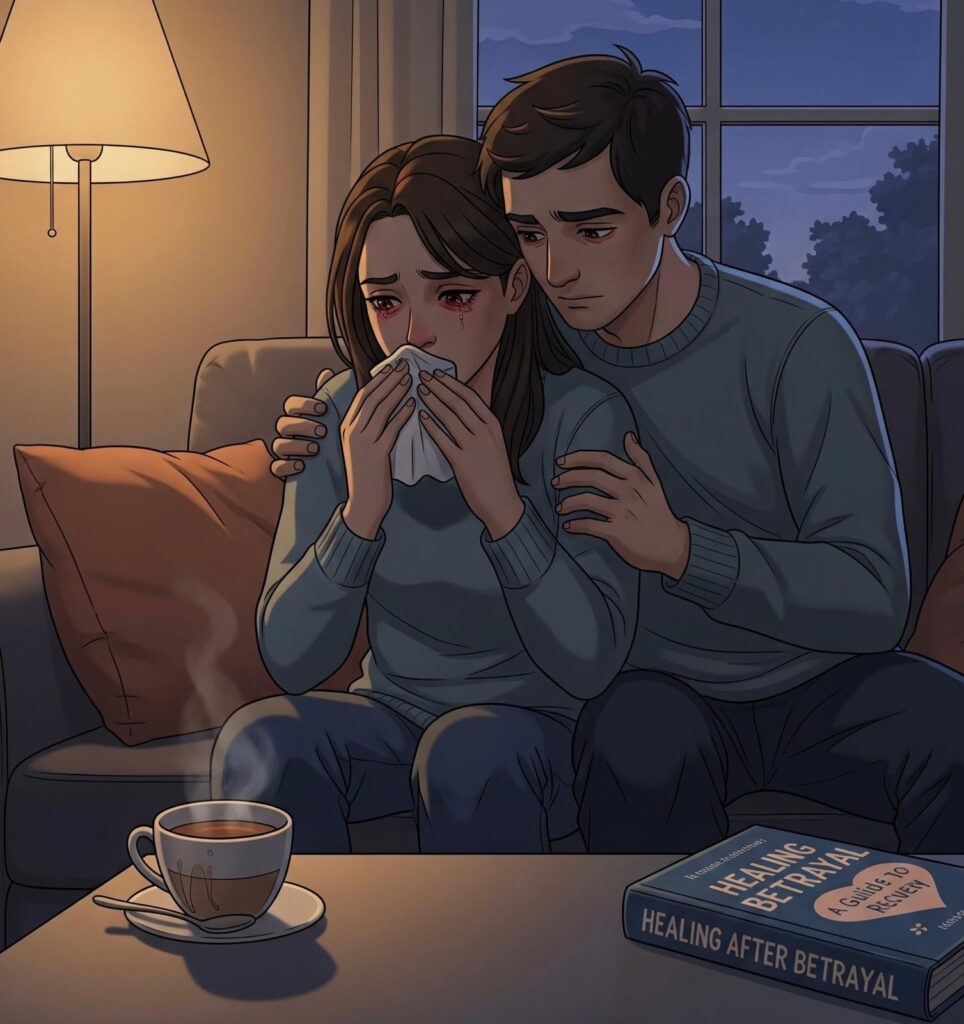
Infidelity is one of the most distressing experiences in romantic relationships, often leaving people feeling betrayed, confused, angry, and heartbroken. Research shows that being cheated on can trigger symptoms of depression, anxiety, post-traumatic stress, and lowered self-esteem (Gordon et al., 2004; Cano & O’Leary, 2000). Recovery is possible, but it requires time, intentional coping strategies, and often professional support.
This article provides a comprehensive, evidence-based approach to recovering after infidelity, including the emotional impact, practical steps for coping, and therapeutic strategies to rebuild your sense of self and wellbeing.
1. The psychological impact of infidelity
Infidelity can feel like an emotional trauma. Studies have found that those who experience betrayal often show trauma-like responses, including intrusive thoughts, hypervigilance, and difficulty trusting others (Nelson & Wampler, 2000).
Common reactions include:
- Shock and denial: Struggling to process the betrayal.
- Anger and resentment: Toward the partner, third party, or oneself.
- Anxiety and depression: Heightened risk of mood disorders following infidelity (Cano & O’Leary, 2000).
- Self-blame: Questioning one’s worth and role in the betrayal.
2. First steps after discovering infidelity
a) Allow emotional expression
Bottling up emotions may prolong healing. Allow yourself to cry, talk, or express anger in safe ways (Bonanno, 2004).
b) Lean on support networks
Confiding in trusted friends, family, or a therapist can reduce isolation and provide validation (Joseph & Linley, 2005).
c) Avoid impulsive decisions
Major choices such as ending the relationship or moving out should be delayed until the initial emotional storm subsides (Glass, 2003).
3. Strategies for healing and self-recovery
a) Cognitive reframing
Cognitive Behavioural Therapy (CBT) helps reduce distorted thinking patterns such as excessive self-blame (Beck, 2011).
b) Mindfulness practices
Mindfulness and meditation reduce rumination and promote emotional regulation (Kabat-Zinn, 2003).
c) Journaling and self-reflection
Expressive writing supports meaning-making and helps integrate the experience into personal growth (Pennebaker, 1997).
d) Self-esteem rebuilding
Participating in activities that foster achievement, creativity, or personal goals can restore confidence (Zeigler-Hill, 2011).
4. Deciding whether to stay or leave
Some couples choose to rebuild after infidelity, while others separate. Evidence shows that recovery is possible if both partners are committed, but it requires transparency, accountability, and professional support (Atkins et al., 2005).
Indicators that rebuilding may be possible:
- The unfaithful partner expresses genuine remorse.
- Both partners commit to open, honest communication.
- Professional couples therapy is sought (Glass & Wright, 1992).
Indicators that leaving may be healthier:
- Repeated infidelity without accountability.
- Abuse or coercion present in the relationship.
- No willingness to change behaviours or rebuild trust.
5. Therapeutic interventions
- Individual therapy: For emotional regulation, self-esteem rebuilding, and decision-making.
- Couples therapy: Emotionally Focused Therapy (EFT) and Integrative Behavioral Couple Therapy (IBCT) have strong evidence for repairing bonds (Johnson, 2005).
- Trauma-informed care: For those experiencing PTSD-like symptoms from betrayal trauma.
6. Long-term recovery strategies
- Rebuilding trust in oneself: Learning to rely on your own judgment again (Hall & Fincham, 2006).
- Post-traumatic growth: Many people report finding new meaning and resilience after adversity (Joseph & Linley, 2005).
- Healthy relationship boundaries: Establishing expectations of honesty and respect in future partnerships.
FAQs
Q: How long does it take to recover from being cheated on?
Recovery varies; it may take months to years. Active coping, therapy, and support systems shorten recovery time (Atkins et al., 2005).
Q: Should I forgive someone who cheated?
Forgiveness is optional. It may reduce emotional burden but should not excuse harmful behaviours (Hall & Fincham, 2006).
Q: Can therapy help after infidelity?
Yes. Therapy provides tools for processing trauma, rebuilding trust, and making informed relationship decisions (Johnson, 2005).
Q: Why do people cheat?
Motivations include unmet emotional needs, opportunity, and relationship dissatisfaction, but cheating is ultimately a choice (Glass, 2003).
References
- Atkins, D.C., Eldridge, K.A., Baucom, D.H. & Christensen, A. (2005) ‘Infidelity and behavioral couple therapy: Optimism in the face of betrayal’, Journal of Consulting and Clinical Psychology, 73(1), pp. 144–150.
- Beck, J.S. (2011) Cognitive Behavior Therapy: Basics and Beyond. 2nd ed. New York: Guilford Press.
- Bonanno, G.A. (2004) ‘Loss, trauma, and human resilience: Have we underestimated the human capacity to thrive after extremely aversive events?’, American Psychologist, 59(1), pp. 20–28.
- Cano, A. & O’Leary, K.D. (2000) ‘Infidelity and depressive symptoms in a community sample of married women’, Journal of Family Psychology, 14(2), pp. 318–330.
- Glass, S.P. (2003) Not “Just Friends”: Protect Your Relationship from Infidelity and Heal the Trauma of Betrayal. New York: Free Press.
- Glass, S.P. & Wright, T.L. (1992) ‘Justifications for extramarital relationships: The association between attitudes, behaviors, and gender’, Journal of Sex Research, 29(3), pp. 361–387.
- Gordon, K.C., Baucom, D.H. & Snyder, D.K. (2004) ‘An integrative intervention for promoting recovery from extramarital affairs’, Journal of Marital and Family Therapy, 30(2), pp. 213–231.
- Hall, J.H. & Fincham, F.D. (2006) ‘Relationship dissolution following infidelity: The roles of attributions and forgiveness’, Journal of Social and Clinical Psychology, 25(5), pp. 508–522.
- Johnson, S.M. (2005) Emotionally Focused Couple Therapy with Trauma Survivors: Strengthening Attachment Bonds. New York: Guilford Press.
- Joseph, S. & Linley, P.A. (2005) ‘Positive adjustment to threatening events: An organismic valuing theory of growth through adversity’, Review of General Psychology, 9(3), pp. 262–280.
- Kabat-Zinn, J. (2003) Mindfulness-Based Stress Reduction: A Clinical Handbook. New York: Guilford Press.
- Nelson, H.L. & Wampler, K.S. (2000) ‘Systemic effects of infidelity: Implications of clinical practice’, Journal of Family Therapy, 22(2), pp. 108–122.
- Pennebaker, J.W. (1997) Opening Up: The Healing Power of Expressing Emotions. New York: Guilford Press.
- Zeigler-Hill, V. (2011) The Importance of Self-Esteem. In: Leary, M.R. & Hoyle, R.H. (eds.) Handbook of Individual Differences in Social Behavior. New York: Guilford Press, pp. 327–346