
Should you break up after infidelity? An evidence‑based guide
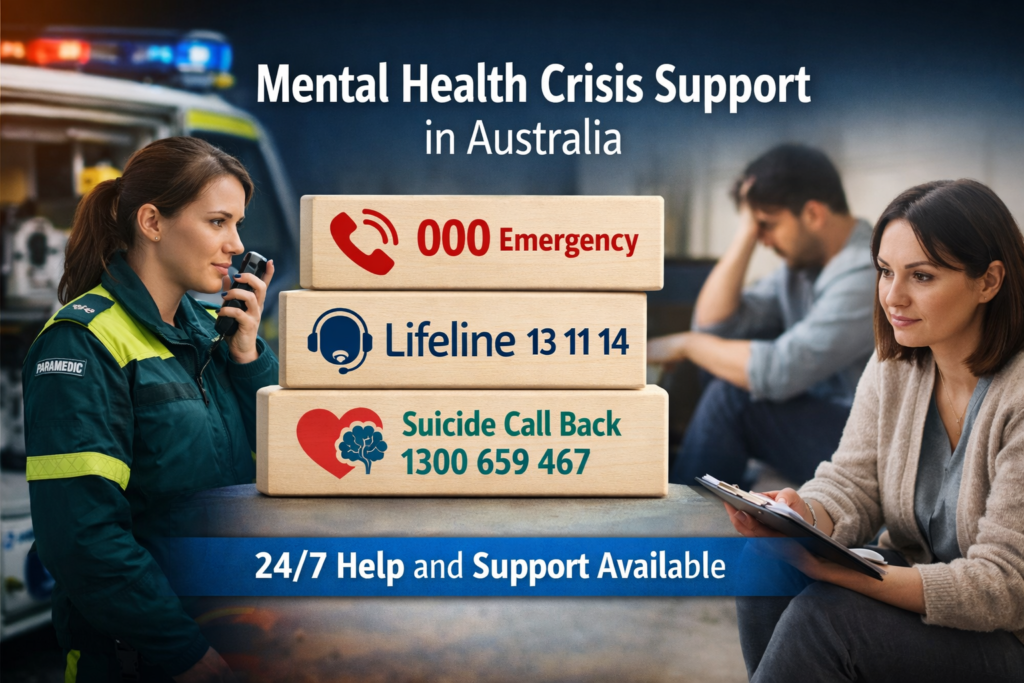
By TherapyNearMe.com.au. Reader‑first, research‑led article. General information only; not a substitute for personalised medical, legal, or psychological advice. If you are in immediate danger, call 000. For 24/7 support in Australia: Lifeline 13 11 14; 1800RESPECT 1800 737 732.
The short answer
There is no single right answer. Many couples end after an affair; many others stay and rebuild a different, sometimes stronger relationship. The better question is: under what conditions is staying likely to heal, and when is leaving the healthiest choice? Evidence from couple‑therapy trials and observational studies points to a handful of decisive predictors: the type and duration of the infidelity, whether there is remorse and full transparency, the absence of coercion or abuse, both partners’ motivation to work, and access to structured help (Snyder, Baucom and Gordon, 2008; Gordon, Baucom and Snyder, 2004; Johnson et al., 1999; Christensen et al., 2004).
What counts as “infidelity”?
Infidelity is boundary‑breaking relative to a relationship’s agreements—sexual, emotional, romantic, or digital (sexting, secret apps). In consensual non‑monogamy, there may be sexual contact outside the dyad without betrayal because boundaries are explicit; the betrayal occurs when agreed rules are violated (Conley et al., 2012).
Common distinctions used in research:
- Sexual vs. emotional infidelity (or both) (Buss, Larsen and Westen, 1996).
- Single‑event vs. ongoing/serial infidelity (Allen et al., 2005).
- Disclosure (confessed) vs. discovery (found out). Disclosure is linked with better recovery odds (Gordon et al., 2004).
What happens psychologically after discovery?
For the betrayed partner, reactions often resemble post‑traumatic stress—intrusive thoughts, hypervigilance, sleep disturbance, and intense mood swings (Gordon, Baucom and Snyder, 2004). The involved partner may feel shame, guilt, fear of loss, or ambivalence. Without support, couples can become stuck in attack–defend spirals, worsening distress and decision clarity (Gottman and Gottman, 2011).
You do not have to decide immediately. Early stabilisation, safety planning, and structured dialogues reduce harm and give you better data for a long‑term decision (Snyder et al., 2008).
Factors that predict better outcomes if you stay
- Full and voluntary transparency: No‑contact with the other person; access to devices/accounts; answering time‑limited, factual questions (Gordon et al., 2004; Snyder et al., 2008).
- Remorse without defensiveness: Clear ownership of choices; no minimising or blame‑shifting (Snyder et al., 2008).
- Shared meaning‑making: Understanding pre‑existing vulnerabilities (attachment injuries, secrecy, poor boundaries, opportunity, alcohol, untreated mental health issues) without excusing the betrayal (Johnson et al., 1999; Snyder et al., 2008).
- Skills work: Emotion regulation, conflict de‑escalation, and structured trust‑rebuilding rituals (Johnson et al., 1999; Gottman and Gottman, 2011).
- Qualified couple therapy: Evidence‑based models (Emotion‑Focused Therapy; Integrative Behavioral Couple Therapy; CBCT‑style trauma work) reduce distress and improve relationship satisfaction in distressed couples, including those presenting with affairs (Christensen et al., 2004; Johnson et al., 1999; Snyder et al., 2008).
When leaving is often the healthier option
- Ongoing contact or serial infidelity despite agreements to stop (Allen et al., 2005).
- Abuse, coercive control, or intimidation—affairs can co‑occur with domestic and family violence; safety overrides reconciliation (WHO, 2013).
- Blame‑shifting and gaslighting; refusal to engage in transparency or repair efforts (Snyder et al., 2008).
- High sexual‑health risk without partner protection or testing.
- Values mismatch: One partner’s non‑monogamy preference vs the other’s need for exclusivity.
Leaving can still be traumatic; individual therapy and practical supports ease the transition (Amato, 2010).
A practical decision framework
Use these steps to guide a deliberate choice over 8–12 weeks. Adjust pace for safety.
1) Stabilise
- Safety first (physical, sexual, digital). If you feel unsafe, seek help from 1800RESPECT or police (WHO, 2013).
- Health check: STI screening for both partners; sleep and nutrition basics.
- Pause big decisions while acute symptoms are high; set a review date in 2–4 weeks (Gordon et al., 2004).
2) Information and boundaries
- Disclosure protocol: time‑limited sessions (60–90 minutes) with a therapist; factual Q&A; avoid trickle‑truth (Snyder et al., 2008).
- Immediate boundaries: no contact with affair partner; location/account transparency; consider a written commitment ritual.
3) Meaning‑making
- Map vulnerabilities (individual, relationship, context) vs choices. Explore attachment patterns, opportunity, secrecy, alcohol, work travel, unresolved conflicts (Johnson et al., 1999; Snyder et al., 2008).
- The aim is understanding, not excusing. Responsibility for the transgression remains with the involved partner.
4) Skill‑building and experiments
- Practise de‑escalation (time‑outs, soft start‑ups), emotion coaching, and repair attempts (Gottman and Gottman, 2011).
- Create predictable contact (check‑ins; transparency rituals); set limits on interrogation cycles to protect sleep.
- Run two‑week experiments (e.g., daily 15‑minute state‑of‑the‑union talk; weekly planning; shared enjoyable activity) and track distress.
5) Decide and implement
- If remorse, transparency, and skill‑use are reliable for several weeks—and distress trends down—staying with a structured plan is reasonable.
- If deception recurs, safety is compromised, or values remain misaligned, leave with support.
- Either way, plan for co‑parenting (if relevant), finances, and social networks.
What therapy can (and cannot) do
- Can do: Contain volatility; structure disclosure; teach communication; foster empathy; rebuild trust with behavioural contracts; treat co‑occurring issues (depression, anxiety, alcohol) (Johnson et al., 1999; Christensen et al., 2004; Snyder et al., 2008).
- Cannot do: Guarantee repair if there is no remorse, ongoing deception, or abuse. Therapy is not a substitute for safety planning and personal boundaries.
Individual differences that matter
- Attachment style: Anxiously attached partners may experience stronger hypervigilance; avoidantly attached may minimise or withdraw; both patterns need specific strategies (Mikulincer and Shaver, 2007).
- Gender and cultural norms: People socialised to view sexual vs emotional betrayal differently may react in patterned ways (Buss et al., 1996).
- Prior trauma: Past betrayals or trauma amplify symptoms and may require individual trauma‑focused care alongside couple work.
- Consensual non‑monogamy (CNM): Outcomes can be positive when agreements are explicit and honoured; “cheating” is the violation of agreements, not the presence of multiple partners (Conley et al., 2012).
Coping strategies for the next month (both partners)
- Ritualise check‑ins: 15 minutes daily; questions invited, not demanded.
- Sleep protection: no disclosure talks after 9 pm; schedule therapy‑supported sessions.
- Nervous‑system down‑shifts: breathwork, walks, time in nature; limit alcohol/energy drinks (Roehrs and Roth, 2001; White et al., 2024).
- Social scaffolding: one or two trusted confidants; avoid enlisting the entire social circle early.
Sexual health and consent
Arrange STI screening and contraception review; abstain or use barrier protection until results return. Consent requires capacity, voluntariness, and ongoing agreement; intoxication and coercion invalidate consent (Australian Government DoHAC, 2023).
Bottom line
Stay when there is remorse, transparency, safety, and shared willingness to work a structured plan. Leave when there is ongoing deception, coercion, or repeated boundary‑breaking. Most importantly, slow down, stabilise, and make the decision on the basis of behaviour over several weeks, not promises on day one.
References
Allen, E.S., Atkins, D.C., Baucom, D.H., Snyder, D.K., Gordon, K.C. and Glass, S.P. (2005) ‘Intrapersonal, interpersonal, and contextual predictors of extradyadic involvement in dating relationships’, Journal of Social and Clinical Psychology, 24(2), pp. 225–251.
Amato, P.R. (2010) ‘Research on divorce: Continuing trends and new developments’, Journal of Marriage and Family, 72(3), pp. 650–666.
Australian Government Department of Health and Aged Care (DoHAC) (2023) Sexual health and STI testing—consumer guidance. Canberra: DoHAC.
Buss, D.M., Larsen, R.J. and Westen, D. (1996) ‘Sex differences in jealousy: Evolution, physiology, and psychology’, Psychological Science, 7(2), pp. 120–125.
Christensen, A., Atkins, D.C., Yi, J., Baucom, D.H. and George, W.H. (2006) ‘Couple and individual adjustment for 2 years following a randomized clinical trial comparing Traditional Versus Integrative Behavioral Couple Therapy’, Journal of Consulting and Clinical Psychology, 74(6), pp. 1180–1191.
Christensen, A., Jacobson, N.S. and Babcock, J.C. (2004) Integrative Behavioral Couple Therapy: A therapist’s guide to creating acceptance and change. New York: W.W. Norton.
Conley, T.D., Moors, A.C., Ziegler, A. and Karathanasis, C. (2012) ‘Unfaithful individuals are less likely to practice safe sex’, Personality and Individual Differences, 53(7), pp. 944–949. (Also see CNM research reviews by Conley’s group.)
Gordon, K.C., Baucom, D.H. and Snyder, D.K. (2004) ‘An integrative intervention for promoting recovery from extramarital affairs’, Journal of Marital and Family Therapy, 30(2), pp. 213–231.
Gottman, J.M. and Gottman, J.S. (2011) The Science of Trust: Emotional attunement for couples. New York: W.W. Norton.
Johnson, S.M., Hunsley, J., Greenberg, L. and Schindler, D. (1999) ‘Emotionally focused couples therapy: Status and challenges’, Clinical Psychology: Science and Practice, 6(1), pp. 67–79.
Mikulincer, M. and Shaver, P.R. (2007) Attachment in adulthood: Structure, dynamics, and change. New York: Guilford Press.
Roehrs, T. and Roth, T. (2001) ‘Sleep, sleepiness, and alcohol use’, Alcohol Research & Health, 25(2), pp. 101–109.
Snyder, D.K., Baucom, D.H. and Gordon, K.C. (2008) Getting Past the Affair: A program to help you cope, heal, and move on—together or apart. New York: Guilford Press.
WHO (World Health Organization) (2013) Responding to intimate partner violence and sexual violence against women: WHO clinical and policy guidelines. Geneva: WHO.
White, R.L., et al. (2024) ‘A systematic observation of moderate‑to‑vigorous physical activity in blue spaces’, Health Promotion International, 39(4), daae101.
How to cite this article
Therapy Near Me (2025) ‘Should you break up after infidelity? An evidence‑based guide’. Available at: https://TherapyNearMe.com.au