
Suicide remains a significant public health issue in Australia, particularly among individuals with disabilities. The National Disability Insurance Scheme (NDIS) plays a crucial role in supporting people with disabilities, including those with psychosocial disabilities, who are at higher risk of suicide. This article explores the relationship between suicide and disability, the role of the NDIS in addressing mental health risks, and recommendations for better suicide prevention among NDIS participants.
The Link Between Disability and Suicide Risk
People with disabilities, particularly those with psychosocial disabilities, face a substantially higher risk of suicide compared to the general population. Data from the Australian Institute of Health and Welfare (AIHW) shows that individuals who use disability services have significantly higher suicide rates than those who do not. For instance, men with disabilities aged 35–49 had a suicide rate of 62 per 100,000, compared to 26 per 100,000 in the general population. Additionally, women with disabilities in the same age group were nearly five times more likely to die by suicide than their non-disabled peers (AIHW, 2022).
This increased risk is especially evident among individuals with psychosocial disabilities, which include mental health conditions like schizophrenia, bipolar disorder, and major depression. AIHW data indicates that people with psychosocial disabilities using disability services have a suicide rate nine times higher than the general population, highlighting the urgency of tailored support for this group.
NDIS and Mental Health Support
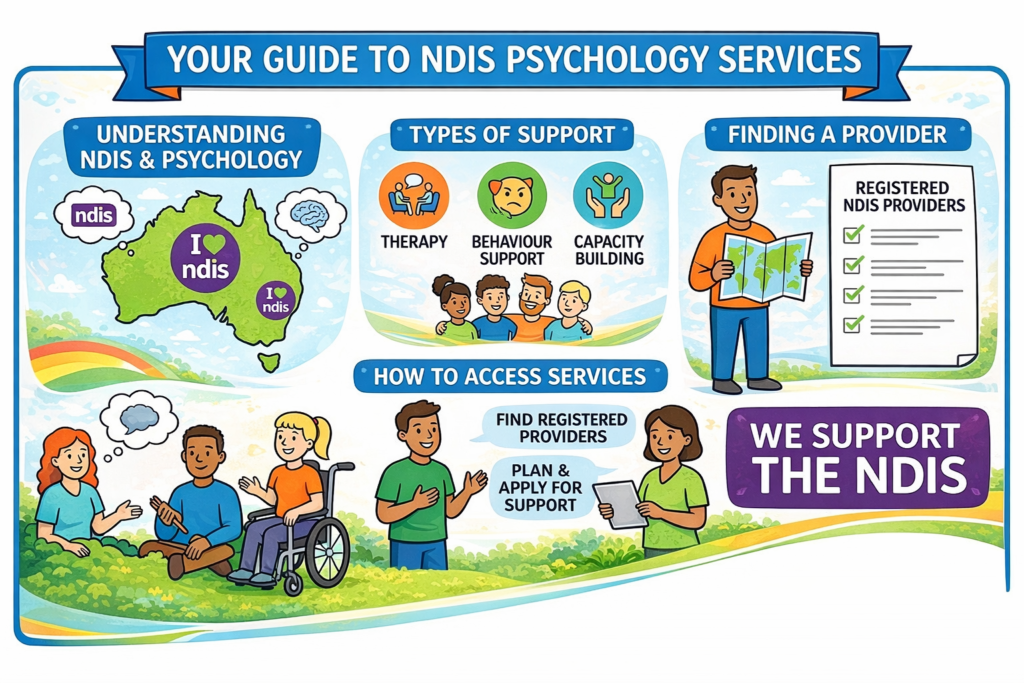
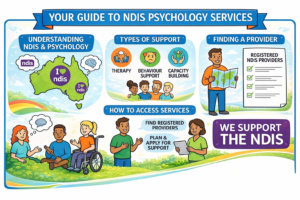
The NDIS provides essential funding and services to individuals with disabilities, including those with mental health issues. This support can include access to psychological services, community programs, and in some cases, 24-hour care for individuals with high support needs. For participants with psychosocial disabilities, the NDIS offers tailored plans that can help them access therapy, housing support, and other necessary services aimed at improving mental well-being and reducing the risk of suicide.
However, gaps in the system remain. Access to comprehensive mental health services is not always consistent, and some participants face challenges in navigating the complexities of the NDIS. The recent NDIS review has also identified the need for better integration of mental health services within the scheme, and for clearer pathways for participants to access life-saving supports (NDIS Review, 2023).
The Link Between NDIS Failures and Suicide
People with disabilities, especially those with psychosocial disabilities, are significantly more vulnerable to mental health challenges. Research by the Australian Institute of Health and Welfare (AIHW) found that individuals with disabilities are four times more likely to die by suicide than the general population (AIHW, 2020). This statistic is particularly troubling for those who rely on the NDIS for support, highlighting how inadequacies in the system can have dire consequences.
Several high-profile cases have surfaced where the failings of the NDIS were implicated in the deaths of participants. In these cases, it became evident that delays in accessing appropriate services, inadequate funding, and a lack of coordination between mental health and disability services contributed to the individuals’ mental health deterioration, ultimately leading to their deaths.
Case Studies of NDIS Failures
- The Case of Ann-Marie Smith: Ann-Marie Smith, a 54-year-old woman with cerebral palsy, tragically passed away in April 2020 under deeply concerning circumstances while in NDIS-funded care. Her death highlighted severe neglect and a failure to provide basic care, which led to a comprehensive investigation. While not a direct suicide, her death was tied to systemic neglect that raises similar concerns about the scheme’s ability to safeguard vulnerable participants (NDIS Commission, 2020).
- Peter’s Story: Peter, a 32-year-old man with schizophrenia and severe anxiety, had his NDIS funding cut after his needs were reassessed. Despite the intervention of his family and doctors, the NDIS failed to restore his necessary mental health services in time. Peter struggled without access to support and tragically took his own life just months after the cuts were made. His case underscores the importance of timely and adequate funding for individuals with complex mental health needs.
- The Case of Tom Oliver: Tom Oliver, a man with severe depression and autism, died by suicide in 2019 after his NDIS plan did not provide sufficient mental health services. His family repeatedly raised concerns with NDIS providers, but the lack of immediate crisis support and an inadequate response contributed to his declining mental state. Tom’s death prompted calls for the NDIS to review its approach to handling participants with significant mental health issues, especially in emergency situations (NDIS Commission, 2019).
Key Failings in the NDIS
Several systemic issues within the NDIS have been identified as contributing factors to suicides among participants:
- Delays in Accessing Services: One of the most commonly reported issues is the lengthy delays in approving and delivering necessary services. Mental health services, in particular, are time-sensitive, and delays can exacerbate existing conditions. In cases where participants have had their services reduced or cut, the process of appealing decisions can take months, during which time their mental health may rapidly deteriorate.
- Lack of Integration Between Mental Health and Disability Services: The NDIS primarily focuses on physical disabilities, and there has been criticism regarding the scheme’s capacity to effectively manage participants with psychosocial disabilities. The fragmentation between mental health services and disability services creates gaps in care, leaving individuals without the comprehensive support they need (NDIS Commission, 2020).
- Inadequate Crisis Support: Many participants experiencing a mental health crisis have reported that NDIS providers are ill-equipped to handle urgent situations. There is a critical lack of crisis intervention services available within the scheme, and many participants have to rely on the general mental health system, which may not be well-coordinated with their NDIS plan. This disjointed approach can leave vulnerable individuals without immediate help during times of crisis.
- Inconsistent Provider Training: NDIS providers are required to meet certain standards of care, but there are inconsistencies in how well these standards are implemented, particularly regarding mental health support. In some cases, carers and support workers lack the training necessary to recognise the signs of severe mental health distress or suicidal ideation, leading to missed opportunities for intervention (NDIS Commission, 2019).
Suicide Prevention Strategies for NDIS Participants
There are several strategies that can be implemented to improve suicide prevention among NDIS participants:
- Early Identification and Intervention: It is crucial for NDIS service providers to be trained in recognising the signs of suicidal ideation and mental health decline. Early identification can lead to timely interventions, including referral to mental health services.
- Tailored Support Plans: For NDIS participants with psychosocial disabilities, creating personalised support plans that address their specific mental health needs can significantly reduce their suicide risk. These plans should include access to counselling, crisis intervention, and community support programs.
- Strengthening Provider Training: Increasing the capacity of NDIS providers to respond to mental health crises through workd training can improve outcomes for participants. Ongoing education on mental health and suicide prevention for support workers is essential to ensure they are equipped to manage these situations effectively (NDIS Commission, 2023).
- Crisis Intervention Services: Ensuring that NDIS participants have access to immediate and effective crisis intervention services, including helplines and emergency mental health care, is critical. Strengthening connections between NDIS services and broader mental health systems can help bridge gaps in care and prevent tragedies.
Recommendations for the Future
The NDIS has taken important steps in addressing mental health needs among its participants, but further reforms are necessary to reduce suicide rates. Key recommendations include:
- Enhanced Mental Health Services Integration: The NDIS should continue to integrate mental health services more closely into participants’ care plans, ensuring seamless access to treatment and crisis support when needed.
- Regular Mental Health Reviews: Incorporating regular mental health reviews into NDIS participants’ plans can help identify risks early and adjust support accordingly.
- Greater Focus on Psychosocial Disabilities: Given the higher suicide rates among individuals with psychosocial disabilities, the NDIS must place a stronger focus on providing adequate mental health support for this population, including workd services for those at risk.
Conclusion
Suicide prevention for people with disabilities, especially those with psychosocial disabilities, is an urgent issue that requires continued attention from both the NDIS and the wider health system. By improving access to mental health services, training providers, and creating tailored support plans, the NDIS can play a pivotal role in reducing suicide rates and enhancing the quality of life for its participants.
References
- Australian Institute of Health and Welfare (AIHW). (2020). Deaths by suicide among people who used disability services.
- Australian Institute of Health and Welfare (AIHW). (2022). Deaths by suicide among people who used disability services.
- NDIS Commission. (2019). Scoping review of causes and contributors to deaths of people with disability in Australia. Retrieved from NDIS Quality and Safeguards Commission.
- NDIS Commission. (2020). NDIS Commission commences legal action over the death of an NDIS participant. Retrieved from NDIS Commission.
- NDIS Quality and Safeguards Commission. (2023). Scoping review of causes and contributors to deaths of people with disability in Australia.
- NDIS Review. (2023). NDIS Review Final Report.
How to get in touch
If you or your NDIS participant need immediate mental healthcare assistance, feel free to get in contact with us on 1800 NEAR ME – admin@therapynearme.com.au.
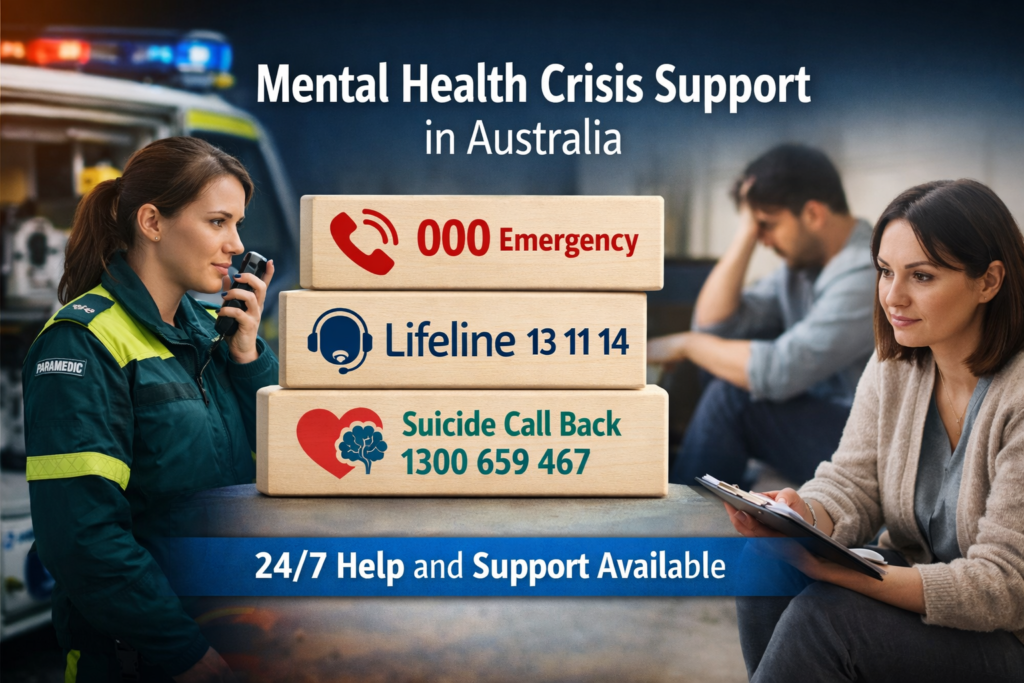
If you are in crisis and at risk of suicide or if you concerned about someone at risk, phone 000 or the SUICIDE CALLBACK SERVICE on 1300 659 467.