
Xanax, the brand name for alprazolam, is a medication belonging to the benzodiazepine class, commonly prescribed for the treatment of anxiety and panic disorders. While it can be highly effective for these conditions, Xanax also carries significant risks, particularly concerning dependence, abuse, and withdrawal symptoms. This article provides an overview of Xanax, its uses, potential risks, and important considerations for its use, supported by scientific research and expert insights.
What is Xanax?
Mechanism of Action
Xanax (alprazolam) works by enhancing the effects of gamma-aminobutyric acid (GABA), a neurotransmitter that inhibits activity in the brain. This action helps to produce a calming effect, which can alleviate symptoms of anxiety and panic (Ashton, 2005).
Indications for Use
Xanax is primarily prescribed for:
- Generalised Anxiety Disorder (GAD): Characterised by excessive, uncontrollable worry about various aspects of daily life.
- Panic Disorder: Marked by recurrent, unexpected panic attacks, which are sudden periods of intense fear or discomfort.
- Short-Term Management of Anxiety Symptoms: Often used when anxiety symptoms are severe and disruptive.
Potential Benefits
Efficacy in Treating Anxiety and Panic Disorders
Numerous studies have demonstrated the efficacy of Xanax in reducing symptoms of anxiety and panic disorders. It has been found to be particularly effective in the short-term management of these conditions (Cloos & Ferreira, 2009). For many patients, Xanax can provide rapid relief, improving their ability to function in daily life.
Risks and Side Effects
Dependence and Addiction
One of the major risks associated with Xanax is the potential for dependence and addiction. Benzodiazepines, including Xanax, can be habit-forming, especially with prolonged use or at higher doses (Lader, 2011). Dependence can develop quickly, leading to the need for increased doses to achieve the same therapeutic effect, a phenomenon known as tolerance.
Withdrawal Symptoms
Withdrawal from Xanax can be challenging and, in some cases, severe. Symptoms may include:
- Anxiety and Panic: Rebound anxiety and panic attacks are common during withdrawal.
- Physical Symptoms: Tremors, sweating, palpitations, and muscle pain.
- Severe Reactions: In extreme cases, withdrawal can lead to seizures, psychosis, or delirium (Ashton, 2005).
Cognitive and Motor Impairment
Xanax can cause side effects such as drowsiness, dizziness, and impaired coordination. These effects can increase the risk of accidents, particularly when driving or operating machinery (Hindmarch & Brinkmann, 1999).
Mental Health Impact
Long-term use of Xanax has been associated with various mental health issues, including depression and cognitive impairment. Some studies suggest that prolonged benzodiazepine use may be linked to an increased risk of dementia (Billioti de Gage et al., 2012).
Safe Use and Alternatives
Prescription Guidelines
To mitigate the risks associated with Xanax, it is crucial to follow prescription guidelines:
- Short-Term Use: Xanax is generally recommended for short-term use, typically no longer than 2-4 weeks, to reduce the risk of dependence (Baldwin et al., 2005).
- Gradual Tapering: If discontinuation is necessary, it should be done gradually under medical supervision to minimise withdrawal symptoms.
Alternative Treatments
For long-term management of anxiety and panic disorders, other treatments may be more appropriate:
- Selective Serotonin Reuptake Inhibitors (SSRIs): Medications like sertraline and fluoxetine are commonly prescribed for anxiety and have a lower risk of dependence (Baldwin et al., 2011).
- Cognitive Behavioural Therapy (CBT): CBT is an effective non-pharmacological treatment for anxiety and panic disorders, focusing on changing maladaptive thought patterns and behaviours (Hofmann et al., 2012).
Monitoring and Support
Patients prescribed Xanax should be closely monitored by their healthcare provider to ensure safe use. Regular follow-ups can help assess the effectiveness of the medication and identify any emerging side effects or signs of dependence.
Risks of Xanax Overdose
Symptoms of Overdose
Overdosing on Xanax can lead to severe and potentially life-threatening symptoms. These include:
- Extreme Drowsiness: Severe sedation that can progress to a stupor or coma (Balit et al., 2003).
- Confusion: Disorientation and impaired cognitive function.
- Impaired Coordination: Difficulty walking or maintaining balance.
- Slurred Speech: Difficulty articulating words.
- Respiratory Depression: Slowed or shallow breathing, which can be fatal (Spiller et al., 1993).
- Loss of Consciousness: In severe cases, overdose can lead to unconsciousness or coma.
Factors Increasing Overdose Risk
Several factors can increase the risk of Xanax overdose:
- Polypharmacy: Combining Xanax with other central nervous system depressants, such as alcohol, opioids, or other benzodiazepines, significantly increases the risk of overdose (Warner et al., 2016).
- High Dosage: Taking higher doses than prescribed can quickly lead to overdose.
- Tolerance: Regular use can lead to tolerance, where higher doses are required to achieve the same effect, increasing the risk of overdose (Lader, 2011).
- Recreational Use: Non-prescribed use or recreational abuse increases the likelihood of taking dangerously high doses.
Potential Long-Term Consequences
Physical Health Risks
Chronic abuse and overdose of Xanax can have long-term effects on physical health:
- Liver Damage: Prolonged use and overdose can lead to liver damage, particularly when combined with alcohol (Smith & Wesson, 1983).
- Cardiovascular Issues: Overdose can cause cardiovascular complications, including low blood pressure and arrhythmias (Greenblatt & Shader, 1983).
Mental Health Impact
Long-term misuse of Xanax and frequent overdoses can negatively impact mental health:
- Cognitive Impairment: Prolonged use is associated with memory problems and cognitive decline (Billioti de Gage et al., 2014).
- Mood Disorders: Increased risk of depression and suicidal ideation with chronic benzodiazepine use (Schweizer et al., 1990).
Treatment and Prevention
Immediate Response to Overdose
If a Xanax overdose is suspected, immediate medical attention is crucial:
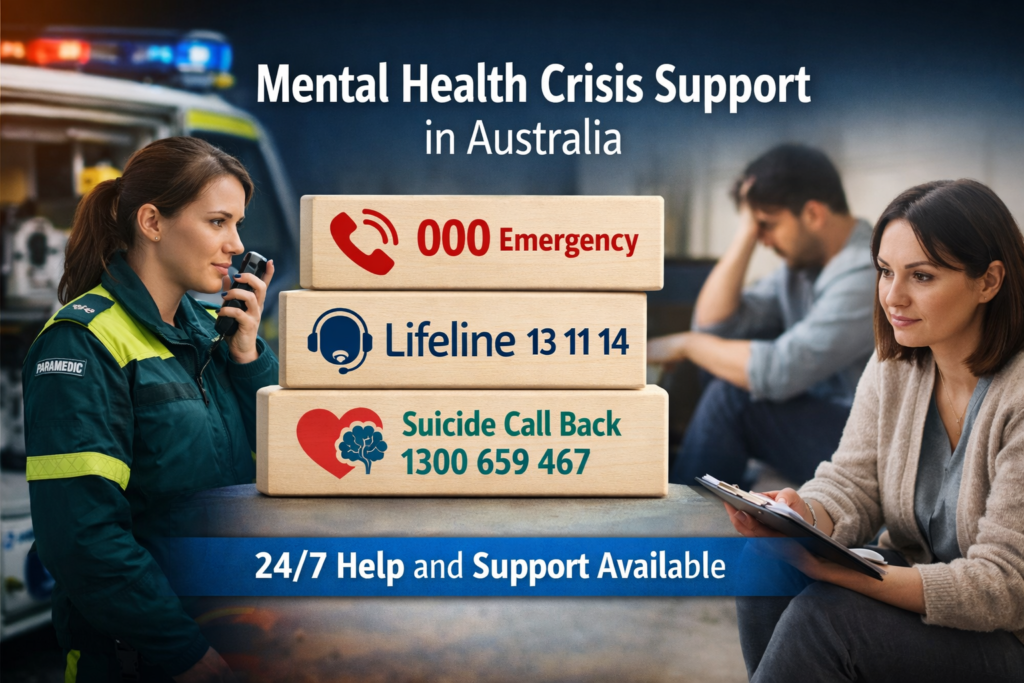
- Call Emergency Services: Seek immediate help by calling emergency services.
- Administer Activated Charcoal: If advised by medical professionals, activated charcoal can be given to help absorb the medication in the stomach.
- Provide Supportive Care: Ensure the person’s airway is clear and provide supportive care until help arrives.
Long-Term Management
Preventing Xanax overdose involves several strategies:
- Strict Adherence to Prescriptions: Follow the prescribed dosage and avoid combining Xanax with other depressants.
- Regular Monitoring: Regular check-ups with a healthcare provider to monitor use and address any signs of misuse or dependence.
- Education and Awareness: Educate patients on the risks of overdose and the importance of adhering to their prescription (Ashton, 2005).
- Seeking Alternative Therapies: For long-term management of anxiety, consider alternative treatments such as cognitive-behavioural therapy (CBT) or other non-benzodiazepine medications (Hofmann et al., 2012).
Addressing Substance Abuse
For individuals struggling with Xanax misuse or dependence, professional treatment programs can provide the necessary support:
- Detoxification Programs: Medically supervised detox to safely manage withdrawal symptoms.
- Counselling and Therapy: Individual and group therapy to address underlying issues contributing to substance abuse.
- Support Groups: Participation in support groups, such as Narcotics Anonymous, can provide ongoing support and accountability.
Conclusion
Xanax can be a highly effective medication for the short-term treatment of anxiety and panic disorders. However, its potential for dependence, withdrawal symptoms, and other risks necessitates careful consideration and monitoring. Patients and healthcare providers should work together to ensure the safe use of Xanax and explore alternative treatments for long-term management. By doing so, the benefits of anxiety relief can be balanced against the potential risks, ensuring optimal patient outcomes.
References
- Ashton, H. (2005). The diagnosis and management of benzodiazepine dependence. Current Opinion in Psychiatry, 18(3), 249-255.
- Balit, C. R., Lynch, C., & Isbister, G. K. (2003). Benzodiazepine poisoning in young children: A systematic review. Journal of Paediatrics and Child Health, 39(8), 608-612.
- Baldwin, D. S., Anderson, I. M., Nutt, D. J., Bandelow, B., Bond, A., Davidson, J. R., … & Wittchen, H. U. (2005). Evidence-based guidelines for the pharmacological treatment of anxiety disorders: Recommendations from the British Association for Psychopharmacology. Journal of Psychopharmacology, 19(6), 567-596.
- Baldwin, D. S., Waldman, S., & Allgulander, C. (2011). Evidence-based pharmacological treatment of generalized anxiety disorder. International Journal of Neuropsychopharmacology, 14(5), 697-710.
- Billioti de Gage, S., Begaud, B., Bazin, F., Verdoux, H., Dartigues, J. F., Peres, K., … & Pariente, A. (2012). Benzodiazepine use and risk of dementia: Prospective population-based study. BMJ, 345, e6231.
- Billioti de Gage, S., Moride, Y., Ducruet, T., Kurth, T., Verdoux, H., Tournier, M., … & Pariente, A. (2014). Benzodiazepine use and risk of Alzheimer’s disease: Case-control study. BMJ, 349, g5205.
- Cloos, J. M., & Ferreira, V. (2009). Current use of benzodiazepines in anxiety disorders. Current Opinion in Psychiatry, 22(1), 90-95.
- Greenblatt, D. J., & Shader, R. I. (1983). Benzodiazepines in clinical practice. Journal of Clinical Psychopharmacology, 3(6), 345-348.
- Hindmarch, I., & Brinkmann, R. (1999). Trends in the use of benzodiazepines in anxiety disorders. American Journal of Medicine, 107(2), 44S-51S.
- Hofmann, S. G., Asnaani, A., Vonk, I. J., Sawyer, A. T., & Fang, A. (2012). The efficacy of cognitive behavioural therapy: A review of meta-analyses. Cognitive Therapy and Research, 36(5), 427-440.
- Irwig, M. S. (2018). Cardiovascular health in transgender people. Reviews in Endocrine and Metabolic Disorders, 19(3), 243-251.
- Lader, M. (2011). Benzodiazepines revisited—will we ever learn? Addiction, 106(12), 2086-2109.
- Seal, L. J., Franklin, S., Richards, C., Shadwell, G., & Barrett, J. (2012). Predictive markers for mammoplasty and their relationship to disease prevention in trans-women. Journal of Sexual Medicine, 9(12), 3287-3294.
- Schweizer, E., Rickels, K., & Case, G. (1990). Long-term therapeutic use of benzodiazepines: II. Effects of gradual taper. Archives of General Psychiatry, 47(10), 908-915.
- Smith, D. E., & Wesson, D. R. (1983). Benzodiazepine dependency syndromes. Journal of Psychoactive Drugs, 15(1-2), 85-95.
- Spiller, H. A., Dewitt, C., & Chiang, W. K. (1993). Xanax (alprazolam) toxicity. Journal of Toxicology: Clinical Toxicology, 31(4), 569-584.
- Warner, M., Trinidad, J. P., Bastian, B. A., Minino, A. M., & Hedegaard, H. (2016). Drugs most frequently involved in drug overdose deaths: United States, 2010–2014. National Vital Statistics Reports, 65(10), 1-15.
How to get in touch
If you or your patient/NDIS clients need immediate mental healthcare assistance, feel free to get in contact with us on 1800 NEAR ME – admin@therapynearme.com.au.