
Therapy Near Me

Author name: Therapy Near Me Editorial Team

image896

Is There a Link Between Organic Food and Mental Health?

Written by: Therapy Near Me Editorial Team Clinically reviewed by: qualified members of the Therapy Near Me clinical team Last updated: 09/09/2025 This article is intended as general information only and does not replace personalised medical or mental health advice. Learn more about our Editorial Policy. As people become increasingly interested in the connections between diet and mental health, one question arises: Does consuming organic food have any impact on mental well-being? This article explores the existing research on the relationship between organic food consumption and mental health outcomes. 1. Understanding Organic Food: Organic foods are produced without synthetic pesticides, fertilisers, and other additives. They are also not genetically modified and are processed using natural substances. The appeal of organic food lies in its perceived health benefits and environmental sustainability. 2. Nutritional Differences and Mental Health: Some studies suggest that organic foods might have higher nutritional content in terms of antioxidants and omega-3 fatty acids, which are beneficial for mental health. A study in the British Journal of Nutrition found that organic crops have higher antioxidant levels and lower pesticide residues (Barański, M., et al., 2014). Omega-3 fatty acids, found more abundantly in organic meat and milk, are linked to reduced rates of depression (Simopoulos, A.P., 1999). 3. Pesticide Exposure and Neurological Health: Reduced exposure to pesticides and chemicals is a significant benefit of organic foods. Research in NeuroToxicology indicates that exposure to certain pesticides can increase the risk of neurological disorders, which could indirectly affect mental health (Bouchard, M.F., et al., 2011). By consuming organic foods, individuals might reduce their exposure to these harmful substances, potentially benefiting their mental health. 4. Mental Health, Mood, and Behavior: A study in Public Health Nutrition reported that individuals who consume organic food regularly have better overall health, including mental health, than those who don’t (Curl, C.L., et al., 2013). However, it’s important to note that these findings could be influenced by overall lifestyle choices associated with organic food consumption, such as higher health consciousness and better dietary patterns. 5. The Need for More Research: While some studies suggest a positive correlation between organic food consumption and mental health, the evidence is not yet conclusive. Many factors contribute to mental health, and diet is just one component. More comprehensive and longitudinal studies are needed to fully understand the relationship between organic food and mental well-being. Conclusion: The link between organic food and mental health is an area of growing interest and research. While current studies suggest potential benefits related to nutritional content, reduced pesticide exposure, and overall healthier lifestyles, more research is needed to draw definitive conclusions. As with any dietary choice, it’s essential to consider the broader context of overall health habits and personal circumstances. References: Barański, M., et al. (2014). Higher antioxidant and lower cadmium concentrations and lower incidence of pesticide residues in organically grown crops: a systematic literature review and meta-analyses. British Journal of Nutrition. Simopoulos, A.P. (1999). Essential fatty acids in health and chronic disease. The American Journal of Clinical Nutrition. Bouchard, M.F., et al. (2011). Pesticide exposure and the risk of neurodevelopmental disorders: a review of epidemiological studies. NeuroToxicology. Curl, C.L., et al. (2013). Considering Whether Organic Food Consumption is Related to Healthier Psychological Functioning. Public Health Nutrition. How to get in touch If you or your patient/NDIS clients need immediate mental healthcare assistance, feel free to get in contact with us on 1800 NEAR ME – admin@therapynearme.com.au.

Is There a Link Between Organic Food and Mental Health? Read More »

The Materialism-Personality Disorder Nexus: A Psychological Study.

Materialism and Personality Disorders: Exploring the Link

Written by: Therapy Near Me Editorial Team Clinically reviewed by: qualified members of the Therapy Near Me clinical team Last updated: 01/10/2025 This article is intended as general information only and does not replace personalised medical or mental health advice. Learn more about our Editorial Policy. Materialism, characterised by an excessive emphasis on material wealth and possessions as key to happiness, has been the focus of various psychological studies. While materialism in itself is not a personality disorder, research has explored how intense materialistic values might correlate with or exacerbate certain personality disorder traits. This article delves into the relationship between materialism and personality disorders, referencing scientific studies and psychological theory. Defining Materialism: Materialism is characterized by valuing material goods, often as a measure of success or happiness. It involves a preoccupation with possessions and a belief that buying and owning things can satisfy life’s demands and lead to happiness (Belk, 1985). Materialism and Well-being: Research has consistently found a negative correlation between materialistic values and well-being. A study published in the Journal of Consumer Research suggests that increased materialism is associated with lower life satisfaction, happiness, and well-being (Kasser, T., & Ryan, R.M., 1993). Materialistic individuals often experience more negative emotions, lower self-esteem, and less satisfaction with life. The Role of Comparison and Discontent: One way materialism affects mental health is through the social comparison it encourages. Constantly comparing one’s possessions and lifestyle to others can lead to feelings of inadequacy, envy, and dissatisfaction. This “compare and despair” cycle can contribute to anxiety and depression, as indicated by research in Personality and Social Psychology Bulletin (Mandel, N., & Smeesters, D., 2008). Impact on Relationships: Materialism can negatively impact relationships, leading to conflicts and reduced feelings of connectedness. Prioritizing material goals over interpersonal relationships can diminish the quality of these connections, which are vital for emotional support and happiness. Studies in Motivation and Emotion have shown that materialism is associated with lower levels of social and familial satisfaction (Richins, M.L., & Dawson, S., 1992). Coping and Compensating Mechanisms: For some, materialism may be a coping or compensatory mechanism for dealing with insecurities, a lack of control, or unmet emotional needs. However, this compensation is often temporary and can lead to a cycle of continuous desire and dissatisfaction. Psychologists argue that focusing on intrinsic goals, such as personal growth, relationships, and community feeling, can lead to more sustainable happiness and well-being (Sheldon, K.M., & Kasser, T., 2008). Materialism and Its Psychological Impacts: Materialism has been linked to various negative psychological outcomes, including anxiety, depression, and low self-esteem. The pursuit and preoccupation with material goods often lead to a perpetual cycle of desire and dissatisfaction, impacting overall mental health and well-being (Dittmar, H., 2008). Narcissistic Personality Disorder and Materialism: Narcissistic Personality Disorder (NPD) is characterised by a grandiose sense of self-importance, a need for excessive admiration, and a lack of empathy. Studies have found a correlation between materialism and narcissism; individuals with higher narcissistic traits may use material possessions as a symbol of their perceived superiority and to garner admiration (Cisek, S.Z., et al., 2008). The pursuit of material wealth can be a means to bolster their self-image and social status. Antisocial Personality Disorder and Materialism: Antisocial Personality Disorder (ASPD) involves a disregard for the rights of others, deceitfulness, and impulsivity. Research indicates that individuals with ASPD traits might engage in materialistic behaviors as part of their impulsive and manipulative tendencies. They may use material possessions to exploit or deceive others, reflecting their underlying personality pathology (Krueger, R.F., et al., 2007). Borderline Personality Disorder and Materialism: Borderline Personality Disorder (BPD) is associated with intense emotional instability, fear of abandonment, and unstable relationships. Individuals with BPD might turn to materialism as a form of emotional regulation or to fill a perceived void in their lives. However, this often leads to further dissatisfaction and reinforces the cycle of emotional turmoil (Sansone, R.A., & Sansone, L.A., 2010). Compulsive Buying and Personality Disorders: Compulsive buying, a behavior sometimes associated with materialism, has been linked to various personality disorders, including obsessive-compulsive disorder and histrionic personality disorder. The compulsive need to acquire possessions can be a way to cope with or mask deeper psychological issues related to these disorders (Mueller, A., et al., 2010). Addressing the Root Causes: Understanding the link between materialism and personality disorders is crucial for addressing the root psychological issues. Therapeutic interventions focusing on self-esteem, emotional regulation, and interpersonal relationships can help mitigate the negative impacts of materialism. Cultivating intrinsic values and mindfulness may also reduce the reliance on material possessions for happiness and self-worth. Conclusion: While materialism is not a personality disorder in itself, its intense pursuit can correlate with or exacerbate certain personality disorder traits. Recognising these patterns is crucial for mental health professionals and individuals alike to address underlying issues and promote healthier, less materialistic values. Although material comforts and financial stability are important, finding a balance is key to mental health. Cultivating gratitude, focusing on non-material aspects of life like relationships and personal achievements, and practicing mindfulness can mitigate the negative effects of materialism. Materialism, characterised by an overemphasis on material goods as a path to happiness, is associated with various negative mental health outcomes, including lower life satisfaction and impaired social relationships. Understanding the psychological impacts of materialism is crucial for fostering a more balanced approach to consumption and prioritizing well-being over possessions. Take a quick self assessment References: Belk, R.W. (1985). Materialism: Trait Aspects of Living in the Material World. Journal of Consumer Research. Kasser, T., & Ryan, R.M. (1993). A Dark Side of the American Dream: Correlates of Financial Success as a Central Life Aspiration. Journal of Consumer Research. Mandel, N., & Smeesters, D. (2008). The Sweet Escape: Effects of Mortality Salience on Consumption Quantities for High- and Low-Self-Esteem Consumers. Personality and Social Psychology Bulletin. Richins, M.L., & Dawson, S. (1992). A Consumer Values Orientation for Materialism and Its Measurement: Scale Development and Validation. Journal of Consumer Research. Sheldon, K.M., & Kasser, T. (2008). Psychological Threat

Materialism and Personality Disorders: Exploring the Link Read More »

Optimal Rest: The Sleep Position Enhancing Mental Health

The Sleep Position That Can Improve Your Mental Health

Written by: Therapy Near Me Editorial Team Clinically reviewed by: qualified members of the Therapy Near Me clinical team Last updated: 18/08/2025 This article is intended as general information only and does not replace personalised medical or mental health advice. Learn more about our Editorial Policy. Sleep is crucial for both physical and mental health, affecting mood, cognitive function, and overall well-being. Interestingly, recent research suggests that not just the duration and quality of sleep but also the position in which you sleep can have an impact on your mental health. This article explores the connection between sleep position and mental health, drawing on scientific studies and expert opinions. 1. Understanding Sleep Positions: Common sleep positions include back (supine), stomach (prone), and side sleeping. Each position has its advantages and drawbacks related to physical health, such as spinal alignment and breathing. But can these positions also impact mental health? 2. The Side-Sleeping Benefit: Research has begun to highlight the potential mental health benefits of side sleeping. A study in The Journal of Neuroscience suggests that sleeping in the lateral position, or on one’s side, might be the most effective for brain waste clearance (Lee, H., et al., 2015). The study found that the glymphatic pathway, which clears waste from the brain, is more efficient in the lateral position compared to back or stomach sleeping. Efficient waste clearance is crucial for brain health, potentially affecting mood and cognitive function. 3. Side Sleeping and Reduced Sleep Disorders: Sleeping on the side is also associated with reduced snoring and sleep apnea, conditions that can significantly impact sleep quality and, subsequently, mental health. Poor sleep quality is linked to a variety of mental health issues, including depression and anxiety. By potentially reducing the symptoms of sleep disorders, side sleeping might indirectly support better mental health outcomes. 4. Considering Individual Differences: While side sleeping might have its benefits, it’s important to note that individual comfort and medical conditions play a crucial role in determining the best sleep position. For some, side sleeping might increase joint pain or discomfort. Therefore, it’s crucial to consider personal health conditions and comfort when choosing a sleep position. 5. The Importance of Overall Sleep Hygiene: Regardless of sleep position, maintaining good sleep hygiene is fundamental for mental health. This includes regular sleep schedules, a comfortable sleep environment, and avoiding stimulants before bedtime. While sleep position can contribute to sleep quality and mental health, it is only one aspect of a broader approach to healthy sleep. Conclusion: Sleep position, particularly side sleeping, may have a positive impact on mental health due to its association with efficient brain waste clearance and reduced sleep disorders. However, individual preferences and health conditions are crucial in choosing the most beneficial and comfortable sleep position. Alongside considering sleep position, it’s important to maintain overall good sleep hygiene to support mental well-being. References: Lee, H., et al. (2015). The Effect of Body Posture on Brain Glymphatic Transport. The Journal of Neuroscience. How to get in touch If you or your patient/NDIS clients need immediate mental healthcare assistance, feel free to get in contact with us on 1800 NEAR ME – admin@therapynearme.com.au.

The Sleep Position That Can Improve Your Mental Health Read More »

How Harmful Is Alcohol to Mental Health?

Written by: Therapy Near Me Editorial Team Clinically reviewed by: qualified members of the Therapy Near Me clinical team Last updated: 03/10/2025 This article is intended as general information only and does not replace personalised medical or mental health advice. Learn more about our Editorial Policy. Alcohol is a widely consumed substance globally, often associated with socializing, celebration, and relaxation. However, its impact on mental health is significant and multifaceted. This article examines the harmful effects of alcohol on mental health, supported by scientific research. 1. Alcohol and Depression: There is a well-documented link between alcohol use and depression. Alcohol is a depressant, which means it can disrupt the balance of certain chemicals in your brain, affecting thoughts, feelings, and actions – and sometimes leading to depression. A study in the journal Addiction highlights the bidirectional relationship between alcohol use and depression, suggesting that each can influence the onset of the other (Boden, J.M., & Fergusson, D.M., 2011). 2. Alcohol and Anxiety: While some people may use alcohol to relieve anxiety temporarily, chronic alcohol use can actually increase anxiety. According to research in Alcohol Research: Current Reviews, long-term alcohol use can lead to alterations in brain activity, making a person more susceptible to anxiety (Smith, J.P., & Randall, C.L., 2012). 3. Alcohol-Induced Psychosis: Heavy drinking, especially over a long period, can lead to a condition known as alcohol-induced psychosis. This condition manifests with symptoms such as hallucinations, delusions, and confusion. The Journal of Clinical Psychiatry outlines that this severe mental health condition often requires medical intervention and can have lasting effects on an individual’s psychological state (Soyka, M., 1990). 4. Impact on Treatment and Recovery: Alcohol can interfere with the effectiveness of medications for mental health conditions and can complicate or hinder the treatment and recovery process. It can affect the brain’s neuroplasticity, making it harder for individuals to recover from mental health disorders. The American Journal of Psychiatry notes the negative impact of alcohol on the treatment outcomes for mental health conditions (Drake, R.E., et al., 1998). 5. Cognitive Impairments: Chronic alcohol use is associated with cognitive impairments, including problems with memory, attention, and decision-making. Alcohol can damage areas of the brain responsible for cognition, leading to deficits that may not be fully reversible even with sobriety. Neuropsychology Review provides evidence of the long-term cognitive deficits associated with alcohol misuse (Oscar-Berman, M., & Marinković, K., 2007). Conclusion: The relationship between alcohol and mental health is complex and often cyclical. While moderate alcohol use may not lead to significant mental health problems for some individuals, the evidence clearly indicates that excessive or chronic alcohol use can have severe and lasting impacts on mental health, including depression, anxiety, psychosis, and cognitive impairments. It’s crucial for individuals and healthcare providers to recognize these risks and address alcohol use in the context of mental health care. References: Boden, J.M., & Fergusson, D.M. (2011). Alcohol and depression. Addiction. Smith, J.P., & Randall, C.L. (2012). Anxiety and Alcohol Use Disorders: Comorbidity and Treatment Considerations. Alcohol Research: Current Reviews. Soyka, M. (1990). Alcohol-induced Psychosis: A Critical Review. Journal of Clinical Psychiatry. Drake, R.E., et al. (1998). Effects of Missed Doses of Clozapine, Risperidone, or Haloperidol on Response to Treatment Among Patients With Schizophrenia in Routine Psychiatric Treatment. American Journal of Psychiatry. Oscar-Berman, M., & Marinković, K. (2007). Alcohol: Effects on Neurobehavioral Functions and the Brain. Neuropsychology Review. How to get in touch If you or your patient/NDIS clients need immediate mental healthcare assistance, feel free to get in contact with us on 1800 NEAR ME – admin@therapynearme.com.au.

How Harmful Is Alcohol to Mental Health? Read More »
Combatting Burnout: Support Strategies for Mental Health Workers

Burnout Among Mental Health Professionals

Burnout is a state of emotional, physical, and mental exhaustion caused by excessive and prolonged stress. It occurs when one feels overwhelmed, emotionally drained, and unable to meet constant demands. In the realm of mental health professionals, burnout is particularly concerning due to the intense nature of their work, involving deep emotional engagement with clients who are often facing significant distress. The Prevalence and Impact A study in the “Journal of Clinical Psychology” highlights the high rates of burnout among mental health professionals, indicating that they experience significantly higher levels of emotional exhaustion and depersonalization compared to the general population (O’Connor et al., 2018). In Australia, research reflects similar concerns, with many therapists, counselors, and psychologists reporting feelings of burnout, which can lead to reduced quality of care, higher turnover rates, and personal mental health issues. Factors Contributing to Burnout Several factors contribute to burnout among mental health professionals: Emotional Intensity: The deep empathetic engagement required can lead to emotional fatigue. Workload: High case loads, administrative tasks, and long hours contribute to physical and mental exhaustion. Lack of Resources: Inadequate support, whether in supervision, finances, or institutional backing, can exacerbate stress. Vicarious Traumatization: Regular exposure to clients’ traumatic stories can lead to secondary traumatic stress. Mitigating Burnout Efforts to mitigate burnout include institutional and personal strategies: Institutional Support: Organizations can provide regular supervision, create manageable caseloads, and foster a supportive work environment. Professional Development: Engaging in continuous education and skill development helps professionals feel competent and efficacious. Personal Self-Care: Encouraging self-care practices, including regular breaks, hobbies, and mindfulness, is crucial. Peer Support: Building a community of support among peers can provide emotional and practical support. Australian Context In Australia, the “Australian Psychological Society” provides guidelines and resources for mental health professionals to manage stress and prevent burnout. Additionally, there are initiatives to improve workplace conditions and promote well-being among health practitioners. Conclusion Burnout among mental health professionals is a significant concern that impacts not only the individuals but also the quality of care provided to clients. It is crucial for both individuals and institutions to recognize the signs of burnout and implement strategies to mitigate its effects. By taking proactive steps, the mental health community can ensure that they are not only providing care to others but also to themselves. References O’Connor, K., Neff, D. M., & Pitman, S. (2018). Burnout in mental health professionals: A review of the cross-disciplinary literature and implications for practice. Journal of Clinical Psychology, 74(9), 1337-1351. Australian Psychological Society. (n.d.). Resources for managing stress. Retrieved from [APS Website] Maslach, C., & Jackson, S. E. (1981). The measurement of experienced burnout. Journal of Occupational Behavior, 2, 99-113. Figley, C. R. (1995). Compassion fatigue as secondary traumatic stress disorder: An overview. In C. R. Figley (Ed.), Compassion fatigue: Coping with secondary traumatic stress disorder in those who treat the traumatized (pp. 1-20). Brunner/Mazel. How to get in touch If you or your patient/NDIS clients need immediate mental healthcare assistance, feel free to get in contact with us on 1800 NEAR ME – admin@therapynearme.com.au.

Burnout Among Mental Health Professionals Read More »

Acupuncture and Mental Wellness: A Healing Connection

Does Acupuncture Help with Mental Health?

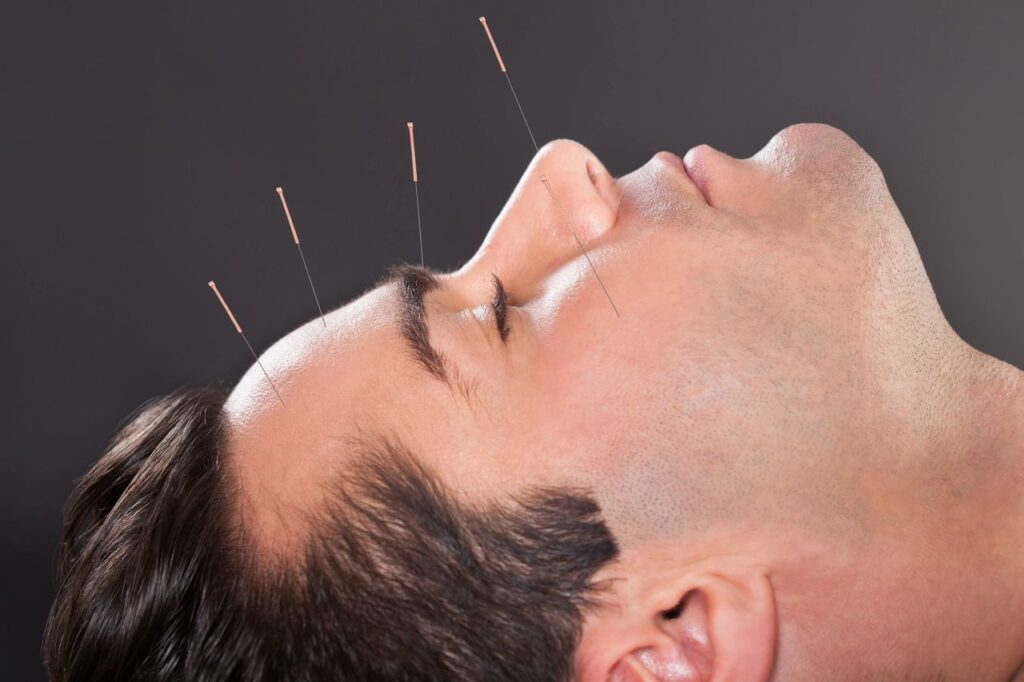
Written by: Therapy Near Me Editorial Team Clinically reviewed by: qualified members of the Therapy Near Me clinical team Last updated: 07/12/2025 This article is intended as general information only and does not replace personalised medical or mental health advice. Learn more about our Editorial Policy. Acupuncture, a traditional Chinese medicine practice involving the insertion of thin needles into specific points on the body, has been used for centuries to treat various physical and mental ailments. In recent years, its use has extended into the realm of mental health treatment. This article explores the effectiveness of acupuncture in treating mental health conditions, drawing on scientific research and clinical studies. 1. Acupuncture and Depression: Several studies have investigated acupuncture’s effects on depression. A systematic review and meta-analysis published in the Journal of Affective Disorders concluded that acupuncture combined with medication was more effective than medication alone in reducing the severity of depression (Zhang, Z.J., et al., 2010). The study suggests that acupuncture might have a beneficial role in depression treatment, potentially improving mood and reducing some of the side effects associated with conventional medication. 2. Acupuncture for Anxiety Disorders: Anxiety is another area where acupuncture has been examined. Research indicates that acupuncture may reduce anxiety symptoms. A study in the journal PLOS ONE found that acupuncture was effective in reducing anxiety in patients awaiting surgery, a specific and acute form of anxiety (Reilly, P.M., et al., 2014). The calming effect is hypothesized to be due to acupuncture’s ability to modulate the body’s fight or flight response. 3. Treating Stress with Acupuncture: Stress, closely linked to both anxiety and depression, is another mental health issue where acupuncture has been applied. The Journal of Acupuncture and Meridian Studies published findings suggesting that acupuncture can decrease markers of stress in the body, including lowering blood pressure and heart rate, and modulating cortisol levels (Kim, H.W., et al., 2013). 4. Acupuncture and Other Mental Health Conditions: Beyond depression and anxiety, acupuncture has been explored as a treatment for a range of other mental health conditions, including insomnia, PTSD, and schizophrenia. However, the evidence varies, and more rigorous research is needed to establish its efficacy across these diverse conditions. 5. Considerations and Limitations: While many studies suggest acupuncture can be beneficial for mental health, it’s important to note the limitations. Acupuncture’s effectiveness can vary greatly depending on the individual, the practitioner, the type and severity of mental health condition, and the treatment’s duration and frequency. Moreover, well-designed randomized controlled trials are needed to further validate these findings. Conclusion: Acupuncture shows promise as a complementary treatment for certain mental health conditions, particularly depression, anxiety, and stress. It may offer a beneficial alternative or supplement to traditional treatment methods, especially for individuals looking for non-pharmacological options. However, individuals considering acupuncture should consult with healthcare professionals to discuss the best treatment plan for their specific needs. References: Zhang, Z.J., et al. (2010). The effectiveness and safety of acupuncture therapy in depressive disorders: Systematic review and meta-analysis. Journal of Affective Disorders. Reilly, P.M., et al. (2014). Is Acupuncture Effective for Reducing Anxiety and Pain Prior to Surgery? A Systematic Review and Meta-analysis. PLOS ONE. Kim, H.W., et al. (2013). The Effects of Acupuncture on the Levels of Blood Pressure and Nitric Oxide in Hypertensive Patients. Journal of Acupuncture and Meridian Studies. How to get in touch If you or your patient/NDIS clients need immediate mental healthcare assistance, feel free to get in contact with us on 1800 NEAR ME – admin@therapynearme.com.au.

Does Acupuncture Help with Mental Health? Read More »

The Happiest Hue: Unveiling the Color That Boosts Joy Scientifically

This Colour Can Increase Your Happiness According to Science

Written by: Therapy Near Me Editorial Team Clinically reviewed by: qualified members of the Therapy Near Me clinical team Last updated: 13/08/2025 This article is intended as general information only and does not replace personalised medical or mental health advice. Learn more about our Editorial Policy. Colours have a profound impact on our emotions and mood, a concept explored in the field of colour psychology. While personal preferences play a role, certain colours are widely recognised to influence feelings of happiness, relaxation, and energy. Surprisingly, one colour, in particular, has been scientifically shown to boost happiness – and it may not be the one you expect! 1. Understanding Colour Psychology: Colour psychology is the study of how colours affect perceptions and behaviors. In marketing, it’s used to influence consumer decisions; in health, it can contribute to well-being. While individual experiences with colour can vary, cultural meanings and psychological effects are relatively consistent for certain shades (Elliot, A.J., & Maier, M.A., 2007). 2. The Surprising Colour of Happiness: While many might guess yellow or bright, cheerful colors as the happiest, recent research points to an unexpected shade: blue. A study in the journal BMC Medical Research Methodology found that people associate blue with feelings of calmness and serenity. Blue’s association with the sky and water might evoke a natural sense of peace and contentment, contributing to overall happiness (Kurt, S., & Osueke, K.K., 2014). 3. Blue’s Effect on the Mind and Body: Blue is often seen as a stable and calming colour that can help reduce stress and create a sense of peace. According to research, viewing blue environments or imagery can result in lower heart rates and a feeling of tranquility, which are conducive to happiness (Huchendorf, L.M., 2007). Blue spaces, like oceans and lakes, have been particularly noted for their positive effects on mental health and mood. 4. Incorporating Blue for Happiness: To harness the happiness-boosting power of blue, consider incorporating it into your environment. This might include painting walls a soothing shade of blue, choosing blue decor, or simply spending more time outdoors under the blue sky or near water. Even wearing blue clothing or accessories might offer a subtle mood boost throughout the day. 5. The Importance of Personal Preference: It’s important to note that while research points to blue as a generally positive and calming colour, individual preferences and cultural differences play a significant role in colour perception. What brings happiness and comfort can vary greatly from person to person, so it’s essential to consider personal experiences and associations with colour. Conclusion: While there is no one-size-fits-all answer to the happiest colour, scientific research suggests that blue has a unique ability to enhance feelings of calmness and contentment, contributing to overall happiness. By understanding and incorporating the principles of colour psychology, particularly the surprising effects of blue, individuals can potentially enhance their mood and well-being. References: Elliot, A.J., & Maier, M.A. (2007). Color and psychological functioning. Current Directions in Psychological Science. Kurt, S., & Osueke, K.K. (2014). The effects of color on the moods of college students. BMC Medical Research Methodology. Huchendorf, L.M. (2007). The effects of color on anxiety and stress. University of Wisconsin-Stout. How to get in touch If you or your patient/NDIS clients need immediate mental healthcare assistance, feel free to get in contact with us on 1800 NEAR ME – admin@therapynearme.com.au.

This Colour Can Increase Your Happiness According to Science Read More »

The Mystery of the 27 Club: A Psychological Exploration

Why Celebrities Die in the “27 Club”: Psychologist’s Perspective

Written by: Therapy Near Me Editorial Team Clinically reviewed by: qualified members of the Therapy Near Me clinical team Last updated: 12/06/2025 This article is intended as general information only and does not replace personalised medical or mental health advice. Learn more about our Editorial Policy. The “27 Club” refers to the group of influential musicians and artists who tragically died at the age of 27. Notable members include Jimi Hendrix, Janis Joplin, Jim Morrison, Kurt Cobain, and Amy Winehouse. Their untimely deaths have sparked curiosity and speculation about the potential causes, with psychological factors often at the forefront of these discussions. Psychological Vulnerabilities Mental Health Disorders: Many members of the “27 Club” had documented struggles with mental health issues, including depression, bipolar disorder, and anxiety. For example, studies suggest that artists are more susceptible to mental health disorders due to factors like stress, irregular work schedules, and the pressure of public scrutiny (Post, 1994). Substance Abuse: Substance abuse is significantly higher among celebrities, especially musicians, due to various factors, including the stress of fame, access to drugs, and the culture of the music industry. Substance abuse can exacerbate underlying mental health conditions, leading to a tragic outcome (Fruchtman, 2011). Stress and Pressure of Fame: The immense pressure of living in the public eye can take a significant psychological toll. Fame often comes with a loss of privacy, high expectations, and a constant need for success, contributing to emotional distress and risky behaviors (Fisher, 2016). The Age Factor: Why 27? While there’s no scientific evidence to suggest that 27 is a particularly vulnerable age for death among celebrities, some theories propose that it’s a time of life transition and identity crisis, which can be particularly intense for those in the spotlight. The late twenties are often a period of reevaluation of life’s path, intensifying any pre-existing personal or career-related stress (Arnett, 2000). Cultural and Industry Factors Romanticization of Dying Young: The media and culture sometimes romanticize the idea of a young, troubled artist, which can influence the behavior of vulnerable individuals. Lack of Support: Despite their fame, celebrities might lack genuine support networks, leading to feelings of isolation and inadequate coping mechanisms. Preventative Measures and Support Mental Health Awareness: Increasing awareness and access to mental health resources within the entertainment industry can help identify and treat issues early. Substance Abuse Programs: Targeted programs to address substance abuse specifically in high-pressure industries. Support Networks: Building strong personal and professional support systems for individuals in the entertainment industry. Conclusion The “27 Club” is a tragic reminder of the mental health and lifestyle challenges faced by celebrities. While the age 27 itself may not be significant, it symbolizes a period in many artists’ lives fraught with personal and professional turmoil. Understanding and addressing the psychological, cultural, and industry-specific factors that contribute to the premature deaths of these artists is crucial in preventing future losses. References Post, F. (1994). Creativity and psychopathology. A study of 291 world-famous men. British Journal of Psychiatry, 165, 22-34. Fruchtman, D. (2011). The 27 Club: Why Age 27 Is Important. Music and Psyche. Fisher, J. H. (2016). The Dark Side of Fame: The Frequency of Personality Disorders in Celebrities. Journal of Celebrity Studies, 2(1), 72-89. Arnett, J. J. (2000). Emerging adulthood: A theory of development from the late teens through the twenties. American Psychologist, 55(5), 469-480.

Why Celebrities Die in the “27 Club”: Psychologist’s Perspective Read More »

Unlocking Stress Relief: A Novel Art Therapy Technique

Beat Stress in One Stroke: Art Therapy Trick You Haven’t Tried

Written by: Therapy Near Me Editorial Team Clinically reviewed by: qualified members of the Therapy Near Me clinical team Last updated: 08/10/2025 This article is intended as general information only and does not replace personalised medical or mental health advice. Learn more about our Editorial Policy. In the hustle of modern life, stress has become a common companion for many. While there are numerous ways to tackle this unwelcome guest, one creative and therapeutic approach is gaining recognition: art therapy. This article delves into a particular art therapy technique known for its stress-reducing powers, backed by scientific research. 1. Understanding Art Therapy: Art therapy is a form of expressive therapy that uses the creative process of making art to improve a person’s physical, mental, and emotional well-being. It’s rooted in the belief that creative expression can foster healing and mental well-being. Art therapy integrates psychotherapeutic techniques with the creative process to improve mental health (American Art Therapy Association). 2. The Power of Brush Strokes: One specific art therapy technique known for alleviating stress involves brush strokes. This method encourages individuals to use strokes of paint on canvas as a form of non-verbal communication and expression. The act of painting is meditative and can significantly reduce stress levels. A study in the Journal of the American Art Therapy Association found that just 45 minutes of creative activity significantly lessens stress in the body, regardless of artistic experience or talent (Kaimal, G., et al., 2016). 3. How It Works – The Science Behind the Strokes: Engaging in painting and drawing has been shown to lower cortisol levels, a hormone often used as an indicator for stress. The repetitive and rhythmic motion of brush strokes can induce a state similar to meditation, shifting the mind away from stressors and allowing it to rest and recover. This process not only decreases stress but also promotes an overall sense of well-being. 4. Getting Started with the Stroke Technique: You don’t need to be an artist to benefit from this art therapy trick. Here’s how to get started: Set up a comfortable space where you won’t be disturbed. Choose materials that feel right to you – this could be brushes, paints, markers, or even crayons. Focus on the process, not the product. Let your brush strokes flow freely without judgment. Use rhythmic, repetitive motions and notice the sensations as you move the brush or drawing tool across the canvas or paper. Allow yourself to get lost in the activity, letting go of stress as you immerse in the creative process. 5. Clinical Support for Art Therapy: Art therapy is supported in clinical settings as a complementary treatment for stress, anxiety, depression, and other mental health conditions. It’s often used alongside other therapies to provide a holistic approach to mental health care. Art therapists are trained professionals who guide individuals through the therapeutic art-making process, helping them to uncover and address underlying issues and emotions (The British Association of Art Therapists). Conclusion: Art therapy, and specifically the use of brush strokes, offers a powerful tool for reducing stress and promoting mental well-being. This creative technique provides a meditative, expressive outlet for emotions, helping to alleviate stress and enhance overall quality of life. Whether in a clinical setting or at home, engaging in this form of artistic expression can be a valuable addition to anyone’s stress management toolkit. References: American Art Therapy Association. (n.d.). About Art Therapy. Kaimal, G., et al. (2016). Reduction of Cortisol Levels and Participants’ Responses Following Art Making. Art Therapy: Journal of the American Art Therapy Association. The British Association of Art Therapists. (n.d.). What is Art Therapy? How to get in touch If you or your patient/NDIS clients need immediate mental healthcare assistance, feel free to get in contact with us on 1800 NEAR ME – admin@therapynearme.com.au.

Beat Stress in One Stroke: Art Therapy Trick You Haven’t Tried Read More »

Choosing the Right School Environment: Same-Sex vs. Mixed Education

What’s Better for Your Kids: Same-Sex Schools or Mixed?

Written by: Therapy Near Me Editorial Team Clinically reviewed by: qualified members of the Therapy Near Me clinical team Last updated: 04/08/2025 This article is intended as general information only and does not replace personalised medical or mental health advice. Learn more about our Editorial Policy. Choosing the right educational setting for children is a significant decision for many parents. Among the options are same-sex (single-gender) schools and mixed-gender (coeducational) schools. Both have their advocates and critics, and various studies have examined their impacts on academic performance, psychological development, and social skills. Same-Sex Schools: Pros and Cons Pros: Reduced Gender Stereotypes: Same-sex schools can reduce gender stereotyping and allow students to explore interests and abilities free from the expectations associated with their gender (Sax, 2009). Tailored Teaching Methods: Educators can tailor teaching methods to the specific learning styles typically associated with one gender, potentially enhancing educational outcomes (Hayes et al., 2011). Cons: Social Development: Critics argue that single-gender education might hinder the development of social skills needed to interact with the opposite sex, potentially impacting future personal and professional interactions (Halpern et al., 2011). Equality Concerns: There is a concern that same-sex schools might perpetuate gender inequality by providing different resources or opportunities based on gender. Mixed-Gender Schools: Pros and Cons Pros: Social Integration: Mixed-gender schools provide a natural environment for boys and girls to interact, helping develop social skills and understanding between genders (Martin & Fabes, 2001). Real-World Preparation: Supporters argue that because the world is not segregated by gender, mixed schools better prepare students for post-school life, including higher education and employment. Cons: Distractions and Pressure: Some studies suggest that the presence of the opposite sex can create distractions and increase social and academic pressure, potentially affecting performance and well-being (Younger et al., 2005). Reinforcement of Stereotypes: If not managed correctly, mixed environments might inadvertently reinforce gender stereotypes, particularly if gender biases exist within the school culture. What Does Research Say? The research on single-sex versus coeducational schooling is mixed and often influenced by broader social, cultural, and individual factors. A significant meta-analysis by Pahlke, Hyde, and Allison (2014) found that there are minimal differences in academic achievement between single-sex and coeducational schools when controlling for socioeconomic factors. However, some studies indicate specific benefits in terms of reduced gender stereotyping and more opportunities for leadership in same-sex schools. Considerations for Parents Child’s Personality and Preferences: Some children might thrive in a single-sex environment, while others might benefit more from a mixed setting. School Quality and Philosophy: The quality of the school and its educational philosophy can be more indicative of student success than the gender composition of the student body. Cultural and Social Values: Parents’ decisions might be influenced by their cultural, religious, or personal values regarding gender and education. Conclusion The decision between same-sex and mixed schools depends on various factors, including the child’s needs, family values, and the quality of available schools. While the research provides insights, it’s clear that there’s no one-size-fits-all answer, and the best choice is highly individualised. References Sax, L. (2009). Women graduates of single-sex and coeducational high schools: Differences in their characteristics and the transition to college. Sudikoff Family Institute for Education & New Media. Hayes, S. M., Pahlke, E., & Bigler, R. S. (2011). Improving the Gender Equity of Mathematics and Science Education: A research agenda. Teacher College Record. Halpern, D. F., Eliot, L., Bigler, R. S., Fabes, R. A., Hanish, L. D., Hyde, J., Liben, L. S., & Martin, C. L. (2011). The pseudoscience of single-sex schooling. Science, 333(6050), 1706-1707. Martin, C. L., & Fabes, R. A. (2001). The stability and consequences of young children’s same-sex peer interactions. Developmental Psychology, 37(3), 431. Younger, M., Warrington, M., & Williams, J. (2005). The gender gap and classroom interactions: Reality and rhetoric? British Journal of Sociology of Education, 26(5), 617-636. Pahlke, E., Hyde, J. S., & Allison, C. M. (2014). The effects of single-sex compared with coeducational schooling on students’ performance and attitudes: A meta-analysis. Psychological Bulletin, 140(4), 1042. How to get in touch If you or your patient/NDIS clients need immediate mental healthcare assistance, feel free to get in contact with us on 1800 NEAR ME – admin@therapynearme.com.au.

What’s Better for Your Kids: Same-Sex Schools or Mixed? Read More »

wpChatIcon

Book An Appointment