
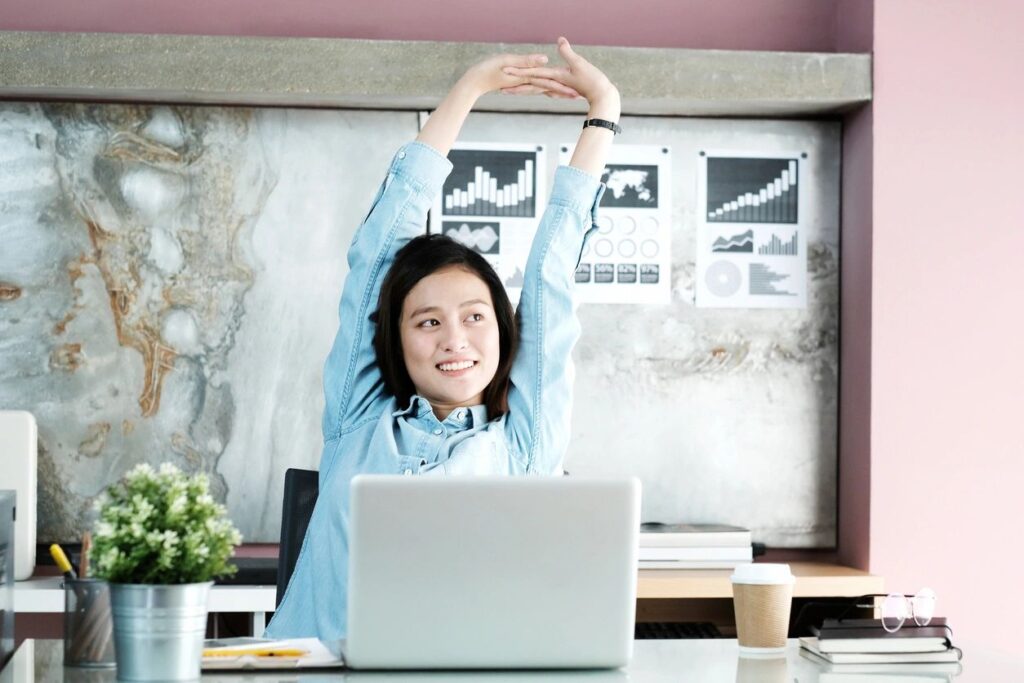
Psychologist Teaches You How to Relax
Written by: Therapy Near Me Editorial Team Clinically reviewed by: qualified members of the Therapy Near Me clinical team Last updated: 12/01/2026 This article is intended as general information only and does not replace personalised medical or mental health advice. Learn more about our Editorial Policy. In today’s fast-paced world, relaxation is an essential yet often overlooked component of overall well-being. Chronic stress can lead to various physical and mental health problems, including anxiety, depression, hypertension, and heart disease (American Psychological Association, 2020). Fortunately, psychologists have developed numerous techniques to help individuals relax and manage stress effectively. This article explores scientifically-backed relaxation methods and provides practical tips on incorporating these techniques into your daily life. The Importance of Relaxation Physical Health Benefits Relaxation has profound effects on physical health. Regular relaxation can lower blood pressure, reduce muscle tension, improve digestion, and boost the immune system. It can also alleviate chronic pain and improve sleep quality (National Institutes of Health, 2018). Mental Health Benefits Relaxation is equally crucial for mental health. It helps reduce symptoms of anxiety and depression, enhances mood, and improves cognitive function. By lowering stress levels, relaxation techniques can increase resilience and improve overall mental well-being (Smith et al., 2018). Scientifically-Backed Relaxation Techniques Deep Breathing Exercises Technique Deep breathing, or diaphragmatic breathing, involves taking slow, deep breaths to engage the diaphragm fully. This technique increases oxygen intake and promotes relaxation by stimulating the parasympathetic nervous system (Jerath et al., 2006). How to Practice Sit or lie down in a comfortable position. Place one hand on your chest and the other on your abdomen. Inhale deeply through your nose, allowing your abdomen to rise while keeping your chest relatively still. Exhale slowly through your mouth. Repeat for 5-10 minutes, focusing on your breath. Progressive Muscle Relaxation (PMR) Technique Progressive Muscle Relaxation involves systematically tensing and then relaxing different muscle groups in the body. This technique helps reduce physical tension and promote a state of calm (Jacobson, 1938). How to Practice Find a quiet, comfortable place to sit or lie down. Starting with your toes, tense each muscle group for about 5 seconds, then release the tension for 30 seconds. Move up through your body, tensing and relaxing each muscle group (e.g., calves, thighs, abdomen, chest, arms, neck, and face). Focus on the sensation of relaxation as you release the tension. Mindfulness Meditation Technique Mindfulness meditation involves focusing on the present moment without judgment. It encourages awareness of thoughts, feelings, and physical sensations, promoting relaxation and reducing stress (Kabat-Zinn, 1990). How to Practice Find a quiet place to sit comfortably. Close your eyes and take a few deep breaths. Focus on your breath, noticing the sensation of the air entering and leaving your nostrils or the rise and fall of your abdomen. If your mind wanders, gently bring your attention back to your breath. Practice for 5-20 minutes daily. Guided Imagery Technique Guided imagery involves visualising calming and peaceful scenes to reduce stress and promote relaxation. This technique engages the imagination and helps shift focus away from stressors (Roffe et al., 2005). How to Practice Sit or lie down in a comfortable position. Close your eyes and take a few deep breaths. Imagine a peaceful place, such as a beach, forest, or mountain. Engage all your senses in the imagery, noticing the sights, sounds, smells, and feelings. Spend 10-15 minutes visualising this scene, allowing yourself to feel calm and relaxed. Yoga Technique Yoga combines physical postures, breathing exercises, and meditation to promote relaxation and improve overall well-being. Regular yoga practice has been shown to reduce stress, anxiety, and depression (Woodyard, 2011). How to Practice Join a yoga class or follow a guided session online. Focus on the breath and movement, allowing yourself to fully engage in the practice. Practice regularly, aiming for at least 20-30 minutes several times a week. Practical Tips for Incorporating Relaxation into Daily Life Create a Relaxation Routine Establishing a regular relaxation routine can help make relaxation a consistent part of your life. Set aside specific times each day for relaxation practices, such as deep breathing, meditation, or yoga. Limit Stressors Identify and reduce sources of stress in your life where possible. This might include setting boundaries at work, prioritising self-care, and seeking support from friends, family, or a mental health professional. Practice Self-Compassion Be kind to yourself and recognise that it is okay to take time for relaxation. Self-compassion can reduce stress and promote a healthier mindset (Neff, 2003). Stay Active Regular physical activity can help reduce stress and promote relaxation. Aim for at least 30 minutes of moderate exercise most days of the week. Connect with Others Social support is essential for managing stress. Spend time with loved ones, engage in social activities, and seek support when needed. Conclusion Relaxation is vital for maintaining physical and mental health. By incorporating scientifically-backed relaxation techniques such as deep breathing, progressive muscle relaxation, mindfulness meditation, guided imagery, and yoga into your daily routine, you can effectively manage stress and improve your overall well-being. Remember, taking time to relax is not a luxury but a necessity for a healthy and balanced life. References American Psychological Association. (2020). Stress: The different kinds of stress. Retrieved from https://www.apa.org/topics/stress/types Jacobson, E. (1938). Progressive Relaxation. University of Chicago Press. Jerath, R., Edry, J. W., Barnes, V. A., & Jerath, V. (2006). Physiology of long pranayamic breathing: Neural respiratory elements may provide a mechanism that explains how slow deep breathing shifts the autonomic nervous system. Medical Hypotheses, 67(3), 566-571. Kabat-Zinn, J. (1990). Full Catastrophe Living: Using the Wisdom of Your Body and Mind to Face Stress, Pain, and Illness. Delta. National Institutes of Health. (2018). Relaxation techniques: Try these steps to reduce stress. Retrieved from https://www.nih.gov/news-events/nih-research-matters/relaxation-techniques-try-these-steps-reduce-stress Neff, K. D. (2003). The development and validation of a scale to measure self-compassion. Self and Identity, 2(3), 223-250. Roffe, L., Schmidt, K., & Ernst, E. (2005). A systematic review of guided imagery as an adjuvant cancer therapy. Psycho-Oncology, 14(8), 607-617. Smith, J. C., Joyce, V.
Psychologist Teaches You How to Relax Read More »