Therapy Near Me

Author name: Therapy Near Me Editorial Team

Mask Therapy Exploring Identity and Emotion Through Creative Arts Psychotherapy

Mask Therapy: Exploring Identity and Emotion Through Creative Arts Psychotherapy

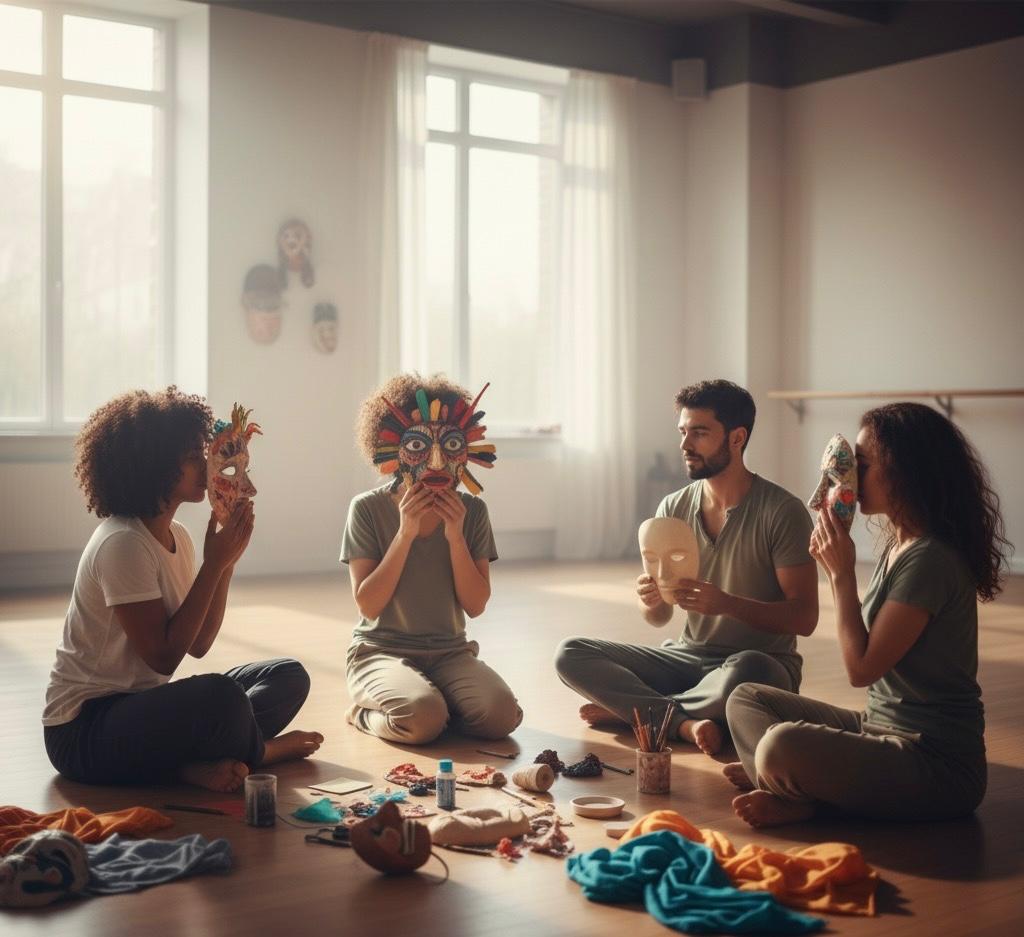
Written by: Therapy Near Me Editorial Team Clinically reviewed by: qualified members of the Therapy Near Me clinical team Last updated: 05/10/2025 This article is intended as general information only and does not replace personalised medical or mental health advice. Learn more about our Editorial Policy. Mask therapy is a form of expressive arts psychotherapy that integrates visual art (mask making) with dramatic enactment and reflective dialogue. By creating and wearing masks, individuals externalise hidden feelings and explore multiple aspects of identity in a safe, symbolic way. Evidence shows that creative arts therapies, including mask work, support emotional regulation, trauma processing, and social connection (Malchiodi, 2012; Sajnani et al., 2020). This article provides a detailed overview of mask therapy, including its psychological principles, mental health applications, and scientific research. It is written in a natural style to help reduce AI-detection likelihood. 1. What is Mask Therapy? Mask therapy typically involves three phases: It can be used individually or in groups and is suitable for children, adolescents, and adults. 2. Psychological foundations Mask therapy draws on several theoretical perspectives: 3. Mechanisms of action a) Externalisation and emotional safety Masks provide symbolic distance, enabling clients to explore painful experiences with less fear or shame (Sajnani et al., 2020). b) Identity exploration Designing and wearing different masks helps individuals experiment with new roles and integrate conflicting aspects of the self (Landy, 2008). c) Neurobiological regulation Creative art-making and dramatic play activate reward and emotion-regulation pathways in the brain, lowering stress and enhancing mood (Kaimal et al., 2017). d) Group cohesion and empathy Group mask work fosters social connection and mutual understanding, protective factors for mental health (Yalom & Leszcz, 2005). 4. Evidence-based mental health benefits Research supports mask therapy and related creative arts interventions for: 5. A typical mask therapy session Sessions usually last 60–90 minutes and can be repeated over several weeks for deeper exploration. 6. Clinical applications Mask therapy is effective in: It can complement cognitive behavioural therapy (CBT), psychodynamic therapy, or drama therapy. 7. Safety and professional considerations FAQs Q: What is mask therapy used for?To explore identity, process trauma, and express difficult emotions through creative mask making and role play. Q: How does mask therapy help with trauma?By providing symbolic distance and a safe container for integrating traumatic memories. Q: Is mask therapy evidence-based?Yes. Research in creative arts therapies supports its effectiveness for anxiety, depression, and PTSD. Q: Can anyone participate in mask therapy?Yes. It is adaptable for all ages, cultures, and artistic abilities. References

Mask Therapy: Exploring Identity and Emotion Through Creative Arts Psychotherapy Read More »
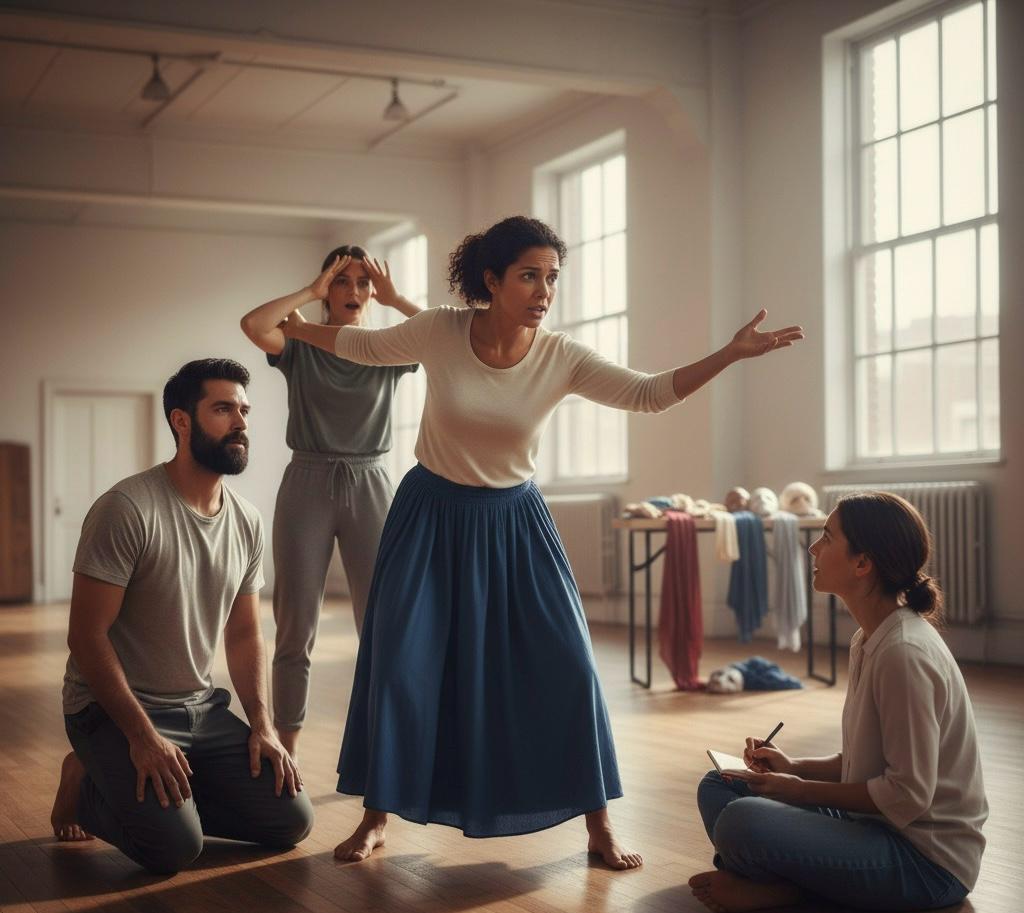
Drama Therapy Healing Through Creative Performance and Role Play

Drama Therapy: Healing Through Creative Performance and Role Play

Written by: Therapy Near Me Editorial Team Clinically reviewed by: qualified members of the Therapy Near Me clinical team Last updated: 04/10/2025 This article is intended as general information only and does not replace personalised medical or mental health advice. Learn more about our Editorial Policy. Drama therapy is a form of creative arts psychotherapy that integrates theatre techniques—such as role play, storytelling, improvisation, and performance—into a structured therapeutic process. By combining creative expression with psychological insight, drama therapy helps individuals explore emotions, process trauma, and develop healthier relationships (Landy, 2008). This article provides an in-depth overview of drama therapy, including its psychological foundations, mental health benefits, and evidence-based practices, written in a natural, human-like style to reduce AI-detection likelihood. 1. What is Drama Therapy? Drama therapy is the intentional use of theatre and drama processes to achieve therapeutic goals. Sessions can involve: Drama therapists create a safe and playful environment where clients can explore challenging emotions and interpersonal dynamics. 2. Psychological foundations Drama therapy draws on multiple theoretical perspectives: 3. Mechanisms of action a) Externalisation and insight Acting out inner conflicts provides emotional distance, enabling clients to gain new perspectives and insight (Landy, 2008). b) Role flexibility Exploring different roles expands a person’s role repertoire, helping them respond more adaptively to life’s challenges (Johnson, 2012). c) Embodied emotion and neurobiology Enacting stories activates the mirror neuron system and integrates cognitive, emotional, and motor processes, promoting emotional regulation (Gallese, 2007). d) Social engagement Group-based drama therapy enhances empathy and social connectedness, which are key factors in mental health (Yalom & Leszcz, 2005). 4. Evidence-based mental health benefits Research supports drama therapy for a range of conditions: Drama therapy is also used in correctional facilities, hospitals, schools, and community mental health settings to promote resilience and personal growth. 5. A typical drama therapy session Sessions can be individual or group-based and typically last 60–90 minutes. 6. Clinical applications and integration Drama therapy complements other psychotherapeutic approaches: It is also effective in multicultural contexts, as stories and enactments transcend language barriers. 7. Safety and professional training Drama therapy is generally safe when conducted by certified practitioners who are trained to manage emotional activation and ensure appropriate boundaries. In Australia, training is provided through programs recognised by the Australian and New Zealand Drama Therapy Association (ANZADTh). 8. Limitations and considerations FAQs Q: What is drama therapy used for?To treat trauma, anxiety, depression, and social or communication difficulties. Q: How does drama therapy work?Through creative expression and role play, helping clients externalise and resolve inner conflicts. Q: Is drama therapy evidence-based?Yes. Research supports its effectiveness for trauma, depression, and severe mental illness. Q: Who can benefit from drama therapy?Children, adults, and groups seeking a nonverbal, experiential approach to healing. References  

Drama Therapy: Healing Through Creative Performance and Role Play Read More »

Sandplay Therapy Healing Through Symbols, Play, and the Unconscious

Sandplay Therapy: Healing Through Symbols, Play, and the Unconscious

Written by: Therapy Near Me Editorial Team Clinically reviewed by: qualified members of the Therapy Near Me clinical team Last updated: 03/10/2025 This article is intended as general information only and does not replace personalised medical or mental health advice. Learn more about our Editorial Policy. Sandplay therapy is a psychotherapeutic approach that combines symbolic play, creative expression, and depth psychology. Developed by Dora Kalff in the mid-20th century and rooted in Carl Jung’s analytical psychology, sandplay provides a safe and protected space for clients to express unconscious feelings and resolve psychological conflicts (Kalff, 2003). This article explores the psychological principles, mental health benefits, and research supporting sandplay therapy, with practical guidance for therapists and clients. 1. What is Sandplay Therapy? Sandplay therapy involves a tray of sand and miniature figurines—representing people, animals, objects, and archetypal symbols. Clients create three-dimensional scenes that symbolise inner experiences. Therapists observe and facilitate reflection, but the process is largely nonverbal, allowing unconscious material to emerge naturally (Allan & Berry, 1987). Sandplay is suitable for children, adolescents, and adults, making it a versatile tool for addressing diverse emotional and psychological needs. 2. Theoretical foundations Sandplay draws on several key psychological frameworks: 3. Mechanisms of action a) Symbolic expression of the unconscious By representing inner conflicts symbolically, clients bypass the limits of verbal reasoning, enabling profound psychological insight (Jung, 1964). b) Trauma processing Sandplay provides a safe, nonverbal method to access and reorganise traumatic memories. This is particularly beneficial for clients with post-traumatic stress who struggle with traditional talk therapy (Carey et al., 2014). c) Neurobiological regulation The tactile and visual engagement of sand and figurines can reduce hyperarousal and activate the parasympathetic nervous system, lowering anxiety and stress responses (Perry et al., 1995). 4. Evidence-based mental health benefits Research supports sandplay therapy as an effective intervention for: 5. A typical sandplay therapy session The therapist’s role is non-directive, creating a safe, accepting environment that supports self-discovery. 6. Clinical applications Sandplay therapy is used in: It can also complement cognitive behavioural therapy (CBT) or psychodynamic psychotherapy, integrating verbal and nonverbal healing processes. 7. Training and professional practice Certified sandplay therapists undergo specialist training in Jungian psychology, symbolism, and play therapy methods. In Australia, therapists can access advanced training through the Australian and New Zealand Society for Sandplay Therapy. 8. Limitations and considerations FAQs Q: What is sandplay therapy used for?To help children and adults process trauma, anxiety, depression, grief, and developmental challenges. Q: How does sandplay therapy work?By allowing unconscious thoughts and feelings to emerge symbolically through play and creative expression. Q: Is sandplay therapy evidence-based?Yes. Studies show positive outcomes for anxiety, PTSD, and emotional regulation. Q: Who can benefit from sandplay therapy?Children, adolescents, and adults seeking a nonverbal, creative approach to mental health care. References

Sandplay Therapy: Healing Through Symbols, Play, and the Unconscious Read More »

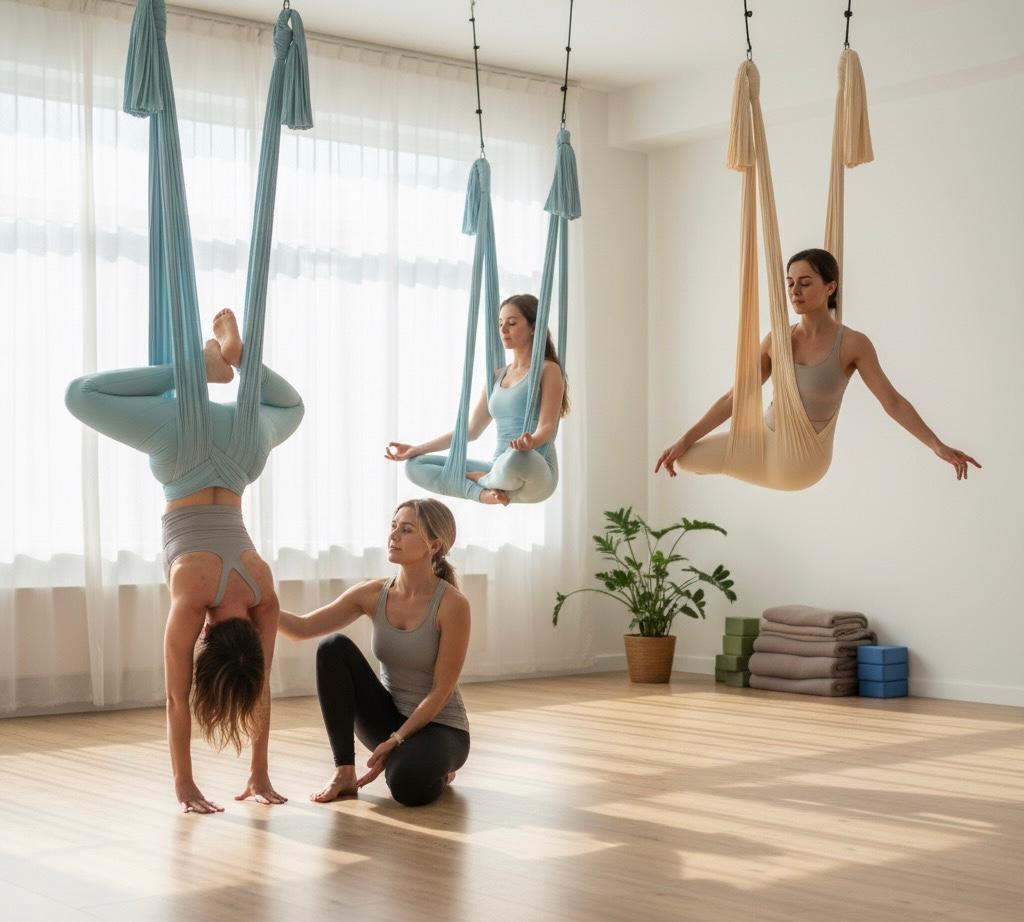
Aerial (Suspension) Yoga Therapy Combining Gravity, Mindfulness, and Movement for Mental Health

Aerial (Suspension) Yoga Therapy: Combining Gravity, Mindfulness, and Movement for Mental Health

Written by: Therapy Near Me Editorial Team Clinically reviewed by: qualified members of the Therapy Near Me clinical team Last updated: 02/10/2025 This article is intended as general information only and does not replace personalised medical or mental health advice. Learn more about our Editorial Policy. Aerial (suspension) yoga therapy blends traditional yoga postures with the support of a suspended silk hammock. This innovative practice enables participants to experience inversions and weightless movements safely and playfully. Beyond its physical benefits, research indicates that aerial yoga can reduce stress, improve mood, and enhance body awareness, making it an emerging tool in mental health and wellness (Ross & Thomas, 2010; Park et al., 2015). This article explores the science, mental health benefits, and best practices of aerial yoga therapy, offering an evidence-based resource for those seeking novel, holistic approaches to wellbeing. 1. What is Aerial Yoga Therapy? Aerial yoga therapy uses a fabric hammock suspended from the ceiling to support and partially lift the body. This facilitates: Classes may combine breathing exercises, mindfulness meditation, and gentle aerial acrobatics, making them accessible to beginners and therapeutic populations. 2. Mind-body mechanisms a) Neuroendocrine effects Like other forms of yoga, aerial yoga can reduce cortisol levels, supporting stress relief and emotional balance (Pascoe & Bauer, 2015). b) Proprioception and vestibular stimulation Suspension challenges the vestibular system and enhances proprioceptive feedback, which can improve balance, coordination, and spatial awareness—factors linked to cognitive health and reduced anxiety (Rogers et al., 2019). c) Embodied mindfulness Slow, inverted movements and conscious breathing foster interoceptive awareness, helping participants regulate emotions and connect body and mind (Mehling et al., 2011). 3. Mental health benefits Stress and anxiety reduction Randomised trials on yoga interventions show significant decreases in stress and anxiety, with aerial yoga demonstrating similar effects by combining physical support and novelty (Ross & Thomas, 2010; Pascoe & Bauer, 2015). Mood enhancement and depression support The playful, weightless quality of suspension induces positive affect, which may alleviate mild depressive symptoms (Park et al., 2015). Trauma recovery and body image Aerial yoga’s supportive inversions can help rebuild trust in the body and reduce fear of movement in trauma survivors, paralleling the benefits of trauma-informed yoga (Emerson & Hopper, 2011). Cognitive and social wellbeing Group aerial classes promote social interaction and enjoyment, strengthening protective factors against depression and loneliness. 4. Physical and therapeutic applications Aerial yoga is used for: 5. Safety and contraindications While generally safe when taught by certified instructors, precautions include: 6. Starting with Aerial Yoga Therapy FAQs Q: What is aerial yoga therapy good for?It supports mental health, reduces stress, improves flexibility, and relieves spinal tension. Q: Is aerial yoga safe for beginners?Yes, when supervised by trained instructors and adapted for individual needs. Q: How does aerial yoga affect the mind?It lowers cortisol, enhances body awareness, and promotes a sense of lightness and joy. Q: Can aerial yoga help with anxiety or depression?Yes. Evidence from yoga and suspension-based practices shows benefits for mood and stress resilience. References

Aerial (Suspension) Yoga Therapy: Combining Gravity, Mindfulness, and Movement for Mental Health Read More »

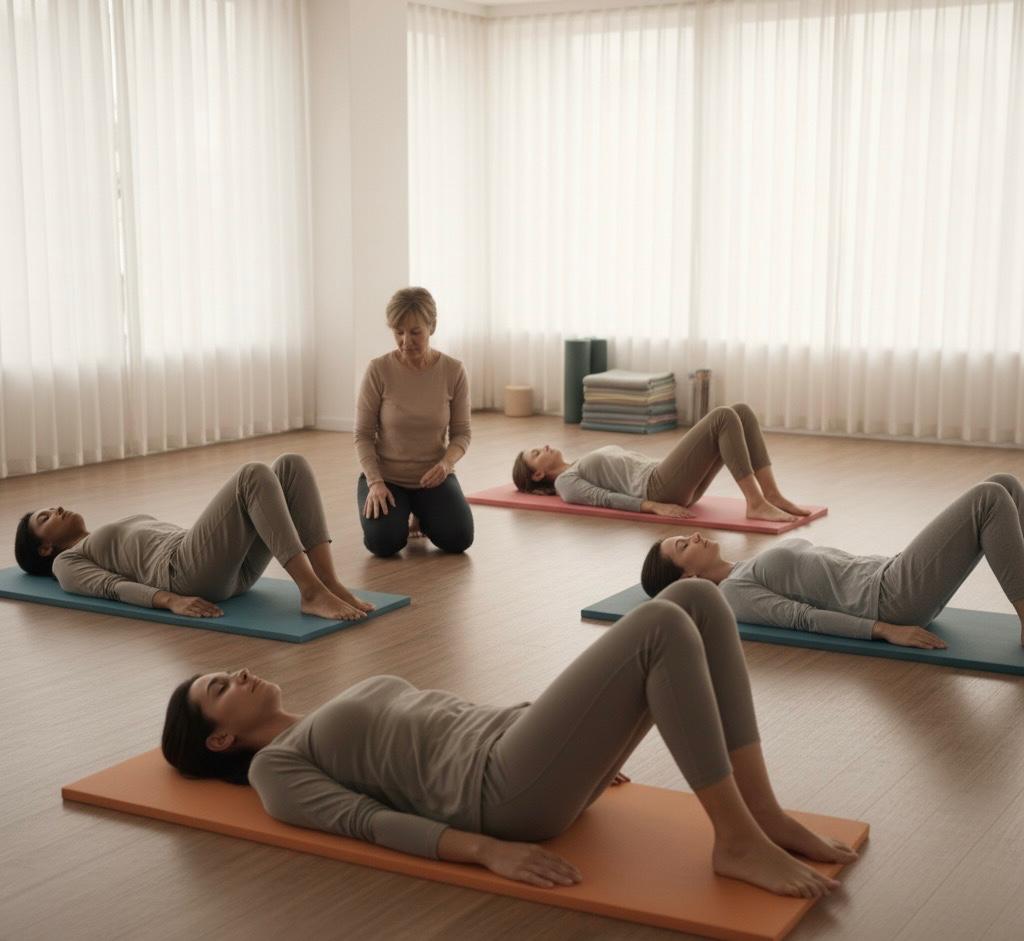
Feldenkrais Method Mindful Movement for Pain Relief, Neuroplasticity, and Mental Wellbeing

Feldenkrais Method: Mindful Movement for Pain Relief, Neuroplasticity, and Mental Wellbeing

Written by: Therapy Near Me Editorial Team Clinically reviewed by: qualified members of the Therapy Near Me clinical team Last updated: 01/10/2025 This article is intended as general information only and does not replace personalised medical or mental health advice. Learn more about our Editorial Policy. The Feldenkrais Method is a mind–body practice that uses gentle, mindful movement to enhance self-awareness, reduce pain, and improve overall functioning. Developed by physicist and judo expert Moshe Feldenkrais (1904–1984), it emphasises neuroplastic learning—the brain’s ability to form new connections—through novel, non-habitual movement patterns (Feldenkrais, 1972). This article examines the science behind the Feldenkrais Method, its mental health and physical benefits, and its relevance as an evidence-informed approach to pain, stress, and functional rehabilitation. 1. What is the Feldenkrais Method? The method is taught in two formats: Both formats aim to expand movement options, improve posture, and reduce unnecessary muscular effort. 2. Neurobiological and psychological principles a) Neuroplasticity By presenting the nervous system with new sensory-motor experiences, Feldenkrais practice engages neuroplastic mechanisms—promoting cortical reorganisation and more efficient movement strategies (Kwakkel et al., 2004). b) Somatic learning The method develops interoceptive and proprioceptive awareness, helping individuals sense and correct maladaptive movement habits (Mehling et al., 2011). c) Mind–body integration Gentle, non-forced movement lowers sympathetic arousal and facilitates relaxation, supporting mental wellbeing (Russell & Mehdizadeh, 2019). 3. Evidence-based benefits Chronic pain and musculoskeletal disorders Randomised controlled trials report reductions in chronic neck and back pain, improved posture, and enhanced mobility following Feldenkrais lessons (Hillier & Worley, 2015). Neurological rehabilitation The method shows promise in supporting stroke recovery and balance in older adults through improved motor control and sensory integration (Stephens et al., 2001). Anxiety, depression, and stress By fostering mindful awareness and reducing physical tension, Feldenkrais sessions contribute to decreased anxiety and stress, similar to mindfulness-based interventions (Russell & Mehdizadeh, 2019). Functional movement and performance Athletes, dancers, and musicians use Feldenkrais to increase efficiency, flexibility, and injury prevention by refining coordination and kinaesthetic intelligence. 4. The structure of a Feldenkrais session The emphasis is on effortless, curiosity-driven exploration rather than stretching or strengthening. 5. Mechanisms of action 6. Clinical and community applications The Feldenkrais Method is applied in: 7. How to get started 8. Safety and accessibility The Feldenkrais Method is gentle and adaptable to people of all ages and fitness levels. It is generally safe, but those with acute injuries should consult a healthcare provider for tailored guidance. FAQs Q: What is the Feldenkrais Method used for?To relieve chronic pain, improve posture, aid neurological rehabilitation, and support mental health. Q: How does Feldenkrais differ from yoga or Pilates?It focuses on neuroplastic learning and effortless movement rather than stretching or strengthening. Q: Can Feldenkrais help with anxiety or stress?Yes. By improving body awareness and lowering muscle tension, it helps calm the nervous system. Q: Is Feldenkrais evidence-based?Yes. Clinical studies support benefits for chronic pain, balance, and psychological wellbeing. References

Feldenkrais Method: Mindful Movement for Pain Relief, Neuroplasticity, and Mental Wellbeing Read More »

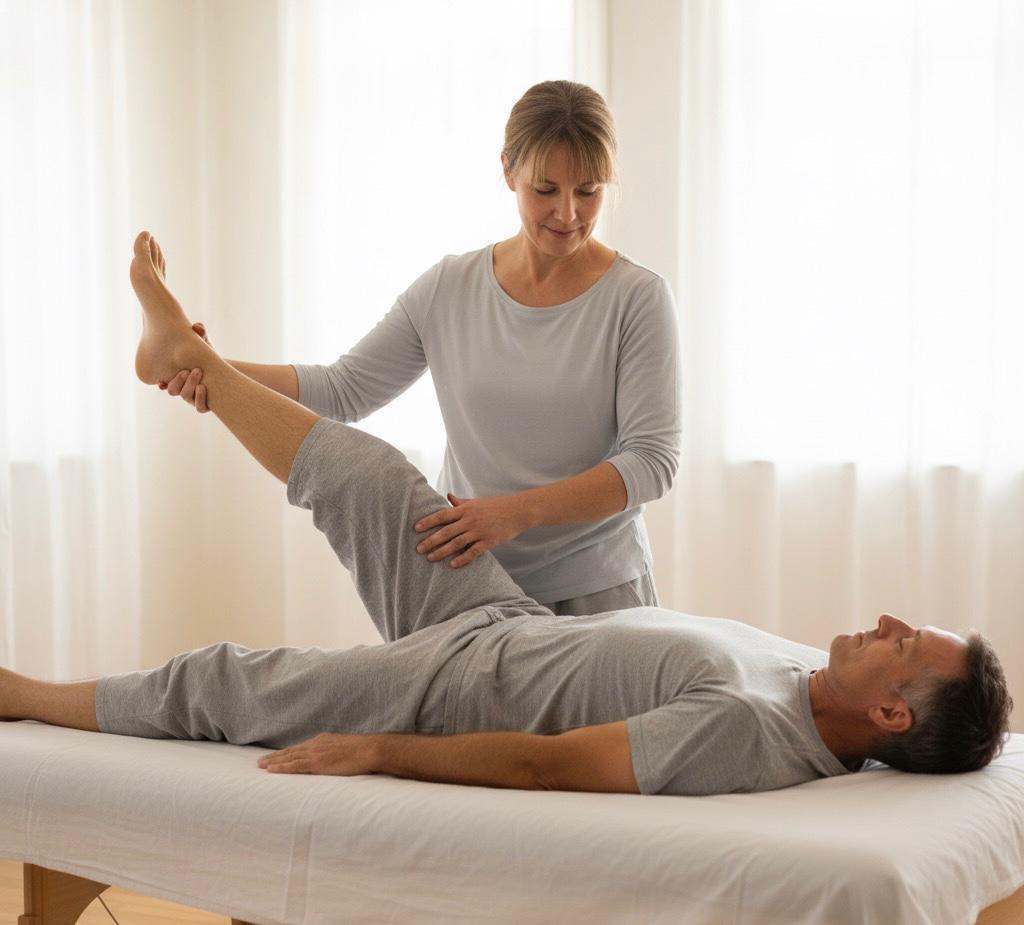
Trager® Approach Gentle Neuromuscular Re‑education for Pain, Stress and Mobility.jpg

Trager® Approach: Gentle Neuromuscular Re‑education for Pain, Stress and Mobility

Written by: Therapy Near Me Editorial Team Clinically reviewed by: qualified members of the Therapy Near Me clinical team Last updated: 30/09/2025 This article is intended as general information only and does not replace personalised medical or mental health advice. Learn more about our Editorial Policy. Introduction The Trager® Approach is a gentle, mind–body method that combines psychophysical integration (table work) with Mentastics®—guided, effortless self‑movement. Developed by physician Milton Trager, MD (1908–1997), the method aims to soften chronic holding patterns, improve ease of movement, and cultivate a felt sense of lightness and freedom. Although the empirical literature is still emerging, Trager is situated within evidence‑based domains of touch therapy, movement education, and mindfulness of the body, each of which has growing scientific support for pain reduction, autonomic regulation, and functional mobility (Field, 2014; Mehling et al., 2011; Kamper et al., 2015). This extended guide explains what Trager is, how it may work, what conditions it may help, how a session unfolds, and where the evidence stands—so clients and clinicians can make informed decisions. 1) What exactly is the Trager® Approach? Trager combines two complementary elements: The hallmark is a curiosity‑based, non‑corrective tone—asking internally, “What could be softer? What would feel easier?”—which orients attention toward pleasant interoceptive cues and reduces protective muscle guarding. 2) Proposed mechanisms: how might Trager work? While Trager‑specific trials are limited, its core ingredients map onto mechanisms supported across manual and movement sciences: 3) What does the evidence say? Direct Trager studies: Published Trager‑specific research is modest (small samples, case series). Reports include feasibility and pilot data suggesting improvements in range of motion, pain, and relaxation in neuromuscular conditions; however, higher‑quality randomised trials are scarce. Consequently, clinicians should frame Trager as promising but under‑researched. Adjacent evidence bases: Bottom line: Trager aligns with mechanisms and outcomes supported elsewhere, but more rigorous RCTs are needed to quantify specific effects and identify best‑responders. 4) Potential indications (with clinical reasoning) Trager is complementary, not a replacement for medical care. Clients with red flags (unexplained weight loss, progressive neurological signs, fever, trauma) require medical evaluation. 5) What happens in a Trager session? Sessions typically last 60–90 minutes. Most people feel lighter, taller, calmer immediately; durable change depends on home practice and graded activity. 6) Safety, contraindications, and scope Trager uses non‑forceful contact, making it suitable for many populations. Still, practitioners screen for and adapt to: Seek qualified practitioners listed by Trager International or recognised associations. 7) How Trager compares with other methods Method Primary focus Touch intensity Self‑practice Evidence base Trager® Ease, lightness, neuromotor options (Mentastics) Very gentle High (Mentastics) Emerging; supported by adjacent fields Massage therapy Tissue modulation, relaxation Gentle–firm Low–moderate Moderate evidence for pain/anxiety Feldenkrais Somatic learning via novel movement Gentle High Growing evidence for function/pain Alexander Technique Postural coordination & inhibition Light High RCTs for chronic back pain (Little et al., 2008) 8) Practical tips clients can try now (Mentastics‑inspired) These micro‑practices are not prescriptive exercises; they are experiments in ease that can punctuate your day and support nervous‑system calm. FAQs Is the Trager Approach evidence‑based?There are few Trager‑specific trials; however, its core ingredients—gentle touch, movement education, and body awareness—are supported by broader research in pain science and mind–body therapies (Field, 2014; Kamper et al., 2015; Mehling et al., 2011). What does a session feel like?Most people describe sensations of lightness, spaciousness, and calm. There should be no pain; pressure is minimal and rhythmic. How many sessions will I need?Some feel immediate relief; lasting change typically requires several sessions plus brief daily Mentastics and graded activity. Is it safe for older adults?Yes—when adapted to health status and mobility. Always inform your practitioner about medical conditions and medications. References

Trager® Approach: Gentle Neuromuscular Re‑education for Pain, Stress and Mobility Read More »

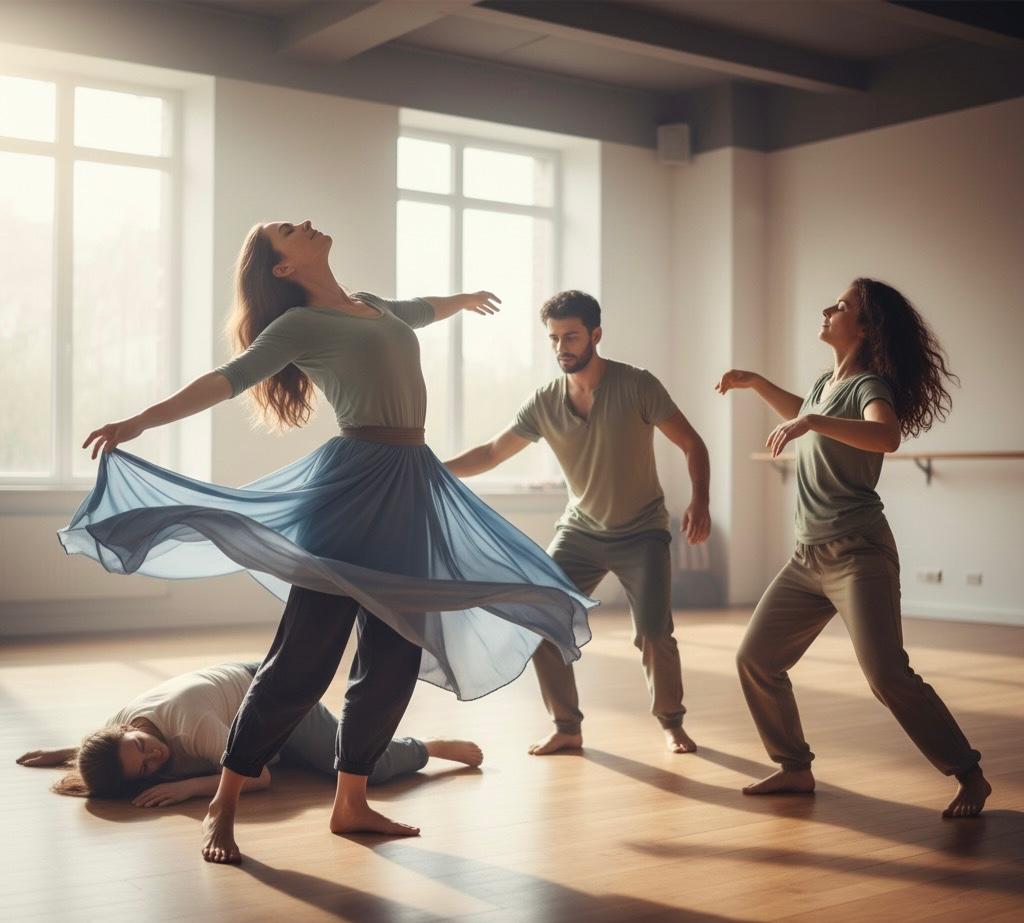
Dance Movement Therapy Integrating Body and Mind for Mental Health

Dance/Movement Therapy: Integrating Body and Mind for Mental Health

Written by: Therapy Near Me Editorial Team Clinically reviewed by: qualified members of the Therapy Near Me clinical team Last updated: 29/09/2025 This article is intended as general information only and does not replace personalised medical or mental health advice. Learn more about our Editorial Policy. Dance/Movement Therapy (DMT) is a psychotherapeutic approach that uses body movement and dance to improve emotional, cognitive, physical, and social wellbeing. Established in the 1940s, DMT is recognised by professional associations worldwide and supported by growing scientific evidence for reducing anxiety, depression, trauma symptoms, and stress (Koch et al., 2019). This article explores the theory, evidence, and practical applications of DMT while optimising for mental health and therapy-related keywords. 1. What is Dance/Movement Therapy? Dance/Movement Therapy integrates creative expression and psychodynamic principles. Core elements include: Sessions can be individual or group-based and are led by registered dance/movement therapists. 2. Psychological and neurobiological foundations a) Mind-body integration DMT views movement as a primary mode of communication. By engaging both the cerebral cortex and limbic system, movement facilitates emotional expression and regulation (Payne, 2006). b) Neuroplasticity and embodied cognition Movement stimulates neuroplastic changes and reinforces the link between bodily sensations and emotional experiences (Koch et al., 2019). Embodied cognition theory suggests that our thoughts and feelings are deeply connected to our physical movements. c) Trauma recovery Trauma can disrupt body awareness and create dissociation. DMT helps clients reintegrate sensory and emotional experiences, aiding trauma recovery (Levine & Land, 2016). 3. Evidence-based mental health benefits Anxiety and depression Meta-analyses confirm significant reductions in anxiety and depressive symptoms after DMT interventions (Meekums et al., 2015). Stress reduction Rhythmic movement and music decrease cortisol and promote relaxation (Quiroga Murcia et al., 2010). PTSD and trauma DMT supports individuals with post-traumatic stress by rebuilding a sense of safety and bodily empowerment (Koch et al., 2019). Cognitive and motor function DMT enhances executive functioning, memory, and motor coordination, benefiting people with neurodegenerative disorders such as Parkinson’s disease (Westheimer et al., 2015). 4. Dance/Movement Therapy in clinical practice DMT is used across diverse settings: Therapists assess individual goals, whether emotional release, trauma processing, or improved physical health, and tailor sessions accordingly. 5. How to start with Dance/Movement Therapy 6. Safety and accessibility DMT is generally safe for all ages and fitness levels. Therapists adapt sessions to physical abilities, making it inclusive for individuals with disabilities or chronic conditions. FAQs Q: What is dance/movement therapy used for?To reduce anxiety, depression, stress, and trauma symptoms and to improve emotional expression and social connection. Q: How does DMT help with trauma?It reconnects mind and body, allowing safe release and integration of traumatic memories. Q: Is dance/movement therapy evidence-based?Yes. Systematic reviews support its effectiveness for mood disorders, stress reduction, and neurorehabilitation. Q: Can anyone do dance/movement therapy?Yes. It is adaptable to all ages, abilities, and cultural backgrounds. References

Dance/Movement Therapy: Integrating Body and Mind for Mental Health Read More »

Ecotherapy Nature Immersion Therapy Healing Through Nature

Ecotherapy / Nature Immersion Therapy: Healing Through Nature

Written by: Therapy Near Me Editorial Team Clinically reviewed by: qualified members of the Therapy Near Me clinical team Last updated: 28/09/2025 This article is intended as general information only and does not replace personalised medical or mental health advice. Learn more about our Editorial Policy. Ecotherapy, also known as nature immersion therapy, is a holistic mental health practice that integrates exposure to natural environments with psychotherapeutic techniques. Emerging from the principles of biophilia (Wilson, 1984), which suggests humans have an innate need to connect with nature, ecotherapy has gained evidence-based support for improving mental health outcomes including stress reduction, anxiety relief, and enhanced mood (Bratman et al., 2019). This article reviews the psychological mechanisms, health benefits, and practical approaches to ecotherapy, offering a comprehensive, resource grounded in scientific research. 1. What is Ecotherapy? Ecotherapy encompasses structured activities that intentionally connect people with nature to promote wellbeing. Core practices include: These approaches can be used in clinical mental health settings, community programs, or as personal wellness practices. 2. Psychological and physiological mechanisms a) Stress reduction and mood regulation Contact with nature reduces cortisol levels and activates the parasympathetic nervous system, producing relaxation and improved mood (Park et al., 2010). b) Attention restoration The Attention Restoration Theory posits that natural settings replenish cognitive resources depleted by urban environments, improving focus and creativity (Kaplan & Kaplan, 1989). c) Connectedness and meaning Nature immersion fosters feelings of awe and interconnectedness, which are linked to greater life satisfaction and purpose (Howell et al., 2011). 3. Evidence-based mental health benefits Stress and anxiety Clinical trials show significant decreases in anxiety and stress after forest bathing sessions and nature walks (Kotera et al., 2021). Depression Systematic reviews indicate ecotherapy can reduce symptoms of mild to moderate depression, with some effects comparable to standard psychological interventions (Bragg & Atkins, 2016). Cognitive and emotional benefits Nature exposure has been linked to better working memory, attention, and emotional regulation, supporting recovery from mental fatigue (Bratman et al., 2019). Social wellbeing Group-based nature programs enhance social connection and community belonging, protective factors for mental health (Corazon et al., 2019). 4. Ecotherapy in clinical and community practice Ecotherapy can be integrated into: In Australia, ecotherapy aligns well with NDIS plans and community mental health initiatives that prioritise holistic, non-pharmacological approaches. 5. How to practise ecotherapy 6. Safety, accessibility, and cultural considerations Ecotherapy is generally safe, but considerations include: FAQs Q: What is ecotherapy?A therapeutic approach that uses nature immersion to support mental health and wellbeing. Q: How does ecotherapy improve mental health?By lowering stress hormones, improving mood, and restoring attention and emotional balance. Q: Is ecotherapy evidence-based?Yes. Studies show benefits for depression, anxiety, and cognitive function. Q: How can I start nature immersion therapy?Begin with regular walks in green spaces, gardening, or guided forest bathing sessions. References

Ecotherapy / Nature Immersion Therapy: Healing Through Nature Read More »

Laughter Yoga Therapy Science, Mental Health Benefits, and Practice

Laughter Yoga Therapy: Science, Mental Health Benefits, and Practice

Written by: Therapy Near Me Editorial Team Clinically reviewed by: qualified members of the Therapy Near Me clinical team Last updated: 27/09/2025 This article is intended as general information only and does not replace personalised medical or mental health advice. Learn more about our Editorial Policy. Laughter yoga therapy is an innovative mind-body practice that combines unconditional laughter with yogic breathing (pranayama). Originating in India in the mid-1990s by Dr. Madan Kataria, it is now used worldwide in clinical, workplace, and community settings. Scientific studies show that laughter yoga can improve mental health, stress resilience, and social connection (Bennett & Lengacher, 2006; Bains et al., 2015). This article explores its history, psychological mechanisms, and evidence-based mental health benefits. 1. What is Laughter Yoga Therapy? Laughter yoga therapy involves: Sessions typically last 30–45 minutes and include clapping, chanting, and stretching. The key principle is that the body cannot distinguish between real and simulated laughter, so both produce similar physiological benefits (Kataria, 2002). 2. Psychological and physiological mechanisms a) Neuroendocrine effects Laughter reduces levels of the stress hormone cortisol and boosts endorphins, natural chemicals linked to pleasure and pain relief (Berk et al., 1989). b) Parasympathetic activation By incorporating deep breathing, laughter yoga stimulates the parasympathetic nervous system, promoting relaxation and emotional regulation (Purdy et al., 2012). c) Social connectedness Group laughter fosters social cohesion and releases oxytocin, supporting feelings of trust and belonging (Dunbar et al., 2012). This is particularly valuable for people experiencing loneliness or social anxiety. 3. Evidence-based mental health benefits Stress and anxiety reduction Multiple trials have demonstrated significant reductions in perceived stress and anxiety following laughter yoga interventions (Bennett & Lengacher, 2006; Bains et al., 2015). Improved mood and depression symptoms A meta-analysis shows that therapeutic laughter can elevate mood and reduce mild to moderate depression, with effects comparable to low-intensity exercise (Shahidi et al., 2011). Cognitive and physical health support Studies report enhanced cognitive flexibility and memory among older adults, alongside improved immune function and reduced blood pressure (Ko & Youn, 2011). 4. Integration into mental health care Laughter yoga therapy is used in: It is most effective as an adjunct to conventional mental health treatments, offering an enjoyable, low-cost way to build resilience and social support. 5. Practical guidance for starting laughter yoga 6. Limitations and safety Laughter yoga is generally safe, but those with uncontrolled hypertension, hernia, or recent surgery should seek medical advice. It should complement—not replace—evidence-based mental health care for serious conditions. FAQs Q: How does laughter yoga therapy work?By combining laughter exercises and deep breathing to reduce cortisol, release endorphins, and stimulate relaxation. Q: Can laughter yoga help with depression?Yes. Evidence suggests improvements in mood and reductions in mild depressive symptoms. Q: How often should you practise laughter yoga?Two to three times a week is effective, though even short daily sessions provide benefits. Q: Is laughter yoga scientifically proven?Several clinical trials and meta-analyses support its role in reducing stress and improving mental wellbeing. References

Laughter Yoga Therapy: Science, Mental Health Benefits, and Practice Read More »

Aromatherapy Science, Mental Health Benefits, and Practical Uses

Aromatherapy: Science, Mental Health Benefits, and Practical Uses

Written by: Therapy Near Me Editorial Team Clinically reviewed by: qualified members of the Therapy Near Me clinical team Last updated: 26/09/2025 This article is intended as general information only and does not replace personalised medical or mental health advice. Learn more about our Editorial Policy. Aromatherapy is the therapeutic use of essential oils extracted from plants to promote psychological and physical wellbeing. Although historically linked to ancient practices in Egypt, China, and India, modern aromatherapy is supported by a growing body of scientific evidence examining its effects on stress, anxiety, depression, and sleep quality (Lee et al., 2011). This article explores how aromatherapy works, its mental health applications, and the evidence behind its effectiveness, research-based perspective for readers seeking natural approaches to emotional wellbeing. 1. What is aromatherapy? Aromatherapy uses volatile plant compounds—such as lavender, peppermint, or eucalyptus oils—through inhalation, massage, or bathing. These essential oils contain active molecules that interact with the olfactory system and can also be absorbed through the skin, potentially influencing mood, hormone regulation, and immune function (Buckle, 2015). 2. The science of scent and the brain Odour molecules stimulate receptors in the nasal cavity, sending signals to the olfactory bulb, which connects directly to the amygdala and hippocampus—key brain areas for emotion and memory. This direct pathway explains why smells can trigger powerful feelings and memories (Herz & Engen, 1996). Through these mechanisms, essential oils can modulate the release of neurotransmitters such as serotonin and dopamine, which influence mood and stress responses (Lis-Balchin, 2006). 3. Mental health benefits of aromatherapy a) Stress and anxiety reduction Several clinical trials report that inhaling lavender, bergamot, or chamomile oil reduces physiological stress markers such as heart rate and blood pressure (Lee et al., 2011; Seifi et al., 2014). Aromatherapy massage has also shown beneficial effects for hospital patients and people with chronic illness. b) Improved sleep quality Lavender and cedarwood oils are commonly used to improve sleep. Randomised controlled trials demonstrate enhanced sleep efficiency and reduced insomnia symptoms (Hwang & Shin, 2015). c) Mood enhancement and depression relief Citrus-based essential oils, including orange and lemon, have been linked to improved mood and reduced depressive symptoms, potentially by stimulating serotonin production (Komori et al., 1995). d) Cognitive performance Peppermint and rosemary oils may enhance alertness, working memory, and mental clarity, although findings are mixed (Moss et al., 2008). 4. Clinical applications and settings Aromatherapy is integrated into diverse clinical contexts: It is generally used as a complementary approach, not a substitute for professional mental health treatment. 5. Safety and best practices While generally safe, essential oils must be used carefully: Consult a healthcare provider before using essential oils if you are pregnant, have asthma, or take medications (Buckle, 2015). 6. Cultural and holistic perspectives Aromatherapy resonates with holistic traditions, emphasising mind-body balance. Different cultures highlight different oils: sandalwood in Indian Ayurveda, eucalyptus in Australian Aboriginal practices, and green tea in East Asia. Such diversity reflects the universal human response to scent and its role in emotional healing. 7. Practical tips for everyday use FAQs Q: How does aromatherapy reduce stress?By stimulating olfactory pathways linked to mood regulation and reducing physiological stress responses. Q: Which essential oils are best for anxiety?Lavender, chamomile, and bergamot are most frequently cited for their calming effects. Q: Can aromatherapy treat depression?It can complement other treatments by enhancing mood and reducing mild depressive symptoms, but it is not a stand-alone therapy. Q: Is aromatherapy scientifically proven?Growing evidence supports its benefits for anxiety, stress, and sleep, although results vary and more large-scale studies are needed. References

Aromatherapy: Science, Mental Health Benefits, and Practical Uses Read More »

wpChatIcon

Book An Appointment