

Therapy Near Me

Author name: Therapy Near Me Editorial Team

Discover Ryan Reynolds' effective psychological strategies for managing anxiety and enhancing mental well-being

Ryan Reynolds: Strategies for Dealing with Anxiety

Written by: Therapy Near Me Editorial Team Clinically reviewed by: qualified members of the Therapy Near Me clinical team Last updated: 19/06/2025 This article is intended as general information only and does not replace personalised medical or mental health advice. Learn more about our Editorial Policy. Ryan Reynolds, a renowned Canadian actor and producer, has been candid about his lifelong struggle with anxiety. His openness has shed light on the prevalence of anxiety disorders and the importance of addressing mental health. This article explores the strategies Reynolds employs to manage his anxiety, supported by scientific research, and offers insights into effective anxiety management techniques. Keywords: Ryan Reynolds anxiety, Managing anxiety like Ryan Reynolds, Anxiety strategies from Ryan Reynolds, Ryan Reynolds mental health, Coping with anxiety, Celebrity mental health stories, Mindfulness for anxiety, Physical exercise to reduce anxiety, Ryan Reynolds mindfulness practices Understanding Anxiety Anxiety is a natural response to stress, characterised by feelings of worry, nervousness, or fear. While occasional anxiety is normal, persistent and excessive anxiety can interfere with daily life, leading to disorders such as Generalised Anxiety Disorder (GAD), Panic Disorder, and Social Anxiety Disorder (American Psychiatric Association, 2013). Ryan Reynolds’ Experience with Anxiety Reynolds has described his anxiety as a “lifelong pal,” acknowledging its impact on his personal and professional life. He has shared experiences of feeling overwhelmed before public appearances and managing a “fractured personality” to cope with stress (CBS News, 2021). His transparency has contributed to destigmatising mental health discussions. Strategies Employed by Ryan Reynolds Reynolds utilises several strategies to manage his anxiety: Mindfulness and Meditation Reynolds practices meditation to calm his mind and reduce anxiety symptoms. He specifically mentions the Headspace app as a helpful tool (Our Mental Health, 2023). Mindfulness meditation has been shown to decrease anxiety by promoting present-moment awareness and reducing rumination (Hofmann et al., 2010). Physical Exercise Engaging in regular physical activity is another strategy Reynolds employs. Exercise has been found to reduce anxiety symptoms by releasing endorphins and improving sleep quality (Mayo Clinic, 2023). Structured Scheduling Reynolds acknowledges that overscheduling can exacerbate his anxiety. By managing his schedule and setting boundaries, he reduces stress and maintains a healthier work-life balance (Psychology Today, 2021). Professional Support Seeking therapy and professional support is a crucial component of Reynolds’ anxiety management. Cognitive-behavioural therapy (CBT) is an evidence-based approach effective in treating anxiety disorders by addressing negative thought patterns (Butler et al., 2006). Scientific Perspectives on Anxiety Management Research supports the effectiveness of the strategies employed by Reynolds: Mindfulness Meditation: Studies indicate that mindfulness-based interventions significantly reduce anxiety symptoms (Hofmann et al., 2010). Physical Exercise: Regular aerobic exercise has been associated with lower levels of anxiety and improved mood (Mayo Clinic, 2023). Structured Scheduling: Organising daily activities and setting realistic goals can alleviate anxiety by providing a sense of control (Psychology Today, 2021). Professional Support: Therapeutic interventions, particularly CBT, are effective in treating various anxiety disorders (Butler et al., 2006). Conclusion Ryan Reynolds’ proactive approach to managing his anxiety through mindfulness, exercise, structured scheduling, and professional support offers valuable insights into effective anxiety management. His openness serves as an inspiration for individuals facing similar challenges, highlighting the importance of seeking help and implementing evidence-based strategies to improve mental health. References American Psychiatric Association. (2013). Diagnostic and Statistical Manual of Mental Disorders (5th ed.). Arlington, VA: American Psychiatric Publishing. Butler, A. C., Chapman, J. E., Forman, E. M., & Beck, A. T. (2006). The empirical status of cognitive-behavioral therapy: A review of meta-analyses. Clinical Psychology Review, 26(1), 17-31. CBS News. (2021). Ryan Reynolds on anxiety, “Deadpool,” and the joy of being a girl dad. Retrieved from https://www.cbsnews.com/news/ryan-reynolds-anxiety-deadpool-girl-dad/ Hofmann, S. G., Sawyer, A. T., Witt, A. A., & Oh, D. (2010). The effect of mindfulness-based therapy on anxiety and depression: A meta-analytic review. Journal of Consulting and Clinical Psychology, 78(2), 169-183. Mayo Clinic. (2023). Exercise for stress and anxiety. Retrieved from https://www.mayoclinic.org/healthy-lifestyle/stress-management/in-depth/exercise-and-stress/art-20044469 Our Mental Health. (2023). Ryan Reynolds reveals his lifelong battle with anxiety. Retrieved from https://www.ourmental.health/stars-struggles/ryan-reynolds-reveals-his-lifelong-battle-with-anxiety Psychology Today. (2021). 7 strategies to manage anxiety. Retrieved from https://www.psychologytoday.com/us/blog/mental-health-nerd/202101/7-strategies-manage-anxiety How to get in touch If you or your NDIS participant need immediate mental healthcare assistance, feel free to get in contact with us on 1800 NEAR ME – admin@therapynearme.com.au.

Ryan Reynolds: Strategies for Dealing with Anxiety Read More »
Understand the key differences and overlaps between ADHD and ASD with comprehensive psychological insights

ADHD vs ASD: Understanding the Differences and Overlaps

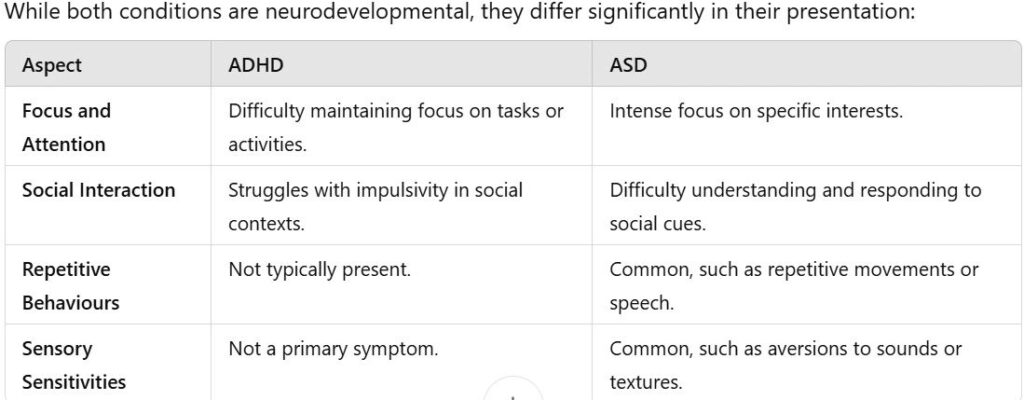
Written by: Therapy Near Me Editorial Team Clinically reviewed by: qualified members of the Therapy Near Me clinical team Last updated: 21/01/2026 This article is intended as general information only and does not replace personalised medical or mental health advice. Learn more about our Editorial Policy. Attention Deficit Hyperactivity Disorder (ADHD) and Autism Spectrum Disorder (ASD) are two neurodevelopmental conditions that share some similarities but also have distinct characteristics. Both conditions can significantly impact an individual’s social, academic, and occupational functioning. This article explores the key differences, overlaps, and strategies for managing ADHD and ASD, drawing on scientific research and clinical insights. Keywords: ADHD vs ASD, Differences between ADHD and ASD, ADHD and Autism Spectrum Disorder, ADHD symptoms and diagnosis, ASD symptoms and diagnosis, Overlap between ADHD and ASD, ADHD and ASD comorbidities, Managing ADHD and ASD, ADHD treatment strategies, ASD treatment strategies, ADHD vs ASD in children 1. What is ADHD? ADHD is a neurodevelopmental disorder characterised by persistent patterns of inattention, hyperactivity, and impulsivity that interfere with functioning or development (American Psychiatric Association, 2013). It is typically diagnosed in childhood but can persist into adulthood. Core Symptoms of ADHD: Difficulty sustaining attention. Impulsivity and acting without thinking. Hyperactivity, such as excessive movement or inability to stay seated. ADHD affects approximately 5–7% of children worldwide (Polanczyk et al., 2014), with symptoms often continuing into adulthood. 2. What is ASD? ASD is a developmental condition characterised by challenges in social communication and interaction, as well as restricted and repetitive behaviours or interests (American Psychiatric Association, 2013). ASD exists on a spectrum, meaning the severity and type of symptoms can vary widely among individuals. Core Symptoms of ASD: Difficulty with social communication and understanding social cues. Restricted, repetitive patterns of behaviour or interests. Sensory sensitivities, such as hypersensitivity to sounds or textures. ASD affects about 1 in 100 individuals globally, with diagnosis rates increasing as awareness and diagnostic tools improve (World Health Organization, 2022). 3. Differences Between ADHD and ASD As shown the Table above, ADHD is often characterised by difficulty maintaining attention and impulsivity in social settings, while ASD features include challenges in social understanding and repetitive behaviours. Recognising these differences is critical for accurate diagnosis and tailored intervention. ADHD and ASD are both neurodevelopmental disorders that differ significantly in their presentation. Individuals with ADHD often struggle with maintaining focus on tasks or activities, a challenge tied to deficits in attention regulation (American Psychiatric Association, 2013). Conversely, those with ASD typically display intense focus on specific interests, often referred to as “restricted interests” (Hyman, Levy & Myers, 2020). Social challenges also differ: ADHD is characterised by impulsivity, which can hinder appropriate social interactions, while ASD involves difficulties in understanding and responding to social cues, often resulting in more profound social communication deficits (Lord, Elsabbagh, Baird & Veenstra-Vanderweele, 2018). Repetitive behaviours, such as stereotyped movements or speech, are a hallmark of ASD but are not commonly observed in ADHD (Hyman, Levy & Myers, 2020). Additionally, sensory sensitivities, such as strong aversions to certain sounds or textures, are prevalent in ASD but are not considered a core feature of ADHD (Robertson & Baron-Cohen, 2017). These distinctions highlight the importance of comprehensive assessments to ensure accurate diagnosis and effective interventions for each condition. 4. Overlaps Between ADHD and ASD There are several overlapping traits between ADHD and ASD, making differential diagnosis challenging: Executive Functioning Deficits: Both conditions can involve difficulties with planning, organisation, and emotional regulation. Social Challenges: Individuals with ADHD may struggle with social norms due to impulsivity, while those with ASD may face challenges understanding social cues. Comorbidities: Anxiety and sleep disturbances are common in both conditions. Research suggests that 20–50% of individuals with ASD also meet the criteria for ADHD, highlighting the complexity of distinguishing between the two conditions (Leitner, 2014). 5. Diagnosing ADHD and ASD A thorough assessment by qualified professionals is essential for accurate diagnosis. This process often includes: Detailed developmental history. Standardised diagnostic tools such as the DSM-5 criteria. Observations across multiple settings, such as home and school. Misdiagnosis can occur due to overlapping symptoms, which is why a comprehensive evaluation is critical. 6. Managing ADHD and ASD Management strategies should be tailored to the individual’s specific needs and may include: For ADHD: Medication: Stimulants like methylphenidate are commonly prescribed to improve attention and reduce impulsivity (Faraone et al., 2021). Behavioural Therapy: Focuses on developing organisational skills and managing impulsivity. Parent and Teacher Training: Helps create supportive environments. For ASD: Behavioural Interventions: Applied Behaviour Analysis (ABA) and social skills training can improve communication and reduce repetitive behaviours (Dawson et al., 2010). Sensory Integration Therapy: Helps individuals manage sensory sensitivities. Speech and Occupational Therapy: Supports communication and daily living skills. 7. Supporting Individuals with ADHD and ASD Early Intervention: Both conditions benefit from early diagnosis and intervention. Individualised Support: Tailoring strategies to the individual’s strengths and challenges ensures better outcomes. Inclusive Environments: Creating supportive settings in schools and workplaces fosters development and reduces stigma. Conclusion While ADHD and ASD share some overlapping traits, they are distinct conditions that require specific diagnostic and management approaches. Understanding these differences and similarities is essential for providing effective support. With early intervention, tailored strategies, and ongoing research, individuals with ADHD or ASD can lead fulfilling lives. References American Psychiatric Association. (2013). Diagnostic and Statistical Manual of Mental Disorders (5th ed.). Arlington, VA: American Psychiatric Publishing. Dawson, G., et al. (2010). Early behavioral intervention is associated with normalized brain activity in young children with autism. Journal of the American Academy of Child & Adolescent Psychiatry, 49(11), pp. 1150-1161. Hyman, S. L., Levy, S. E., & Myers, S. M. (2020). Identification, evaluation, and management of children with autism spectrum disorder. Pediatrics, 145(1), e20193447. doi:10.1542/peds.2019-3447 Faraone, S. V., et al. (2021). The world federation of ADHD international consensus statement: 208 evidence-based conclusions about the disorder. Neuroscience & Biobehavioral Reviews, 128, pp. 789-818. Leitner, Y. (2014). The co-occurrence of autism and attention deficit hyperactivity disorder in children – what do we know? Frontiers in Human

ADHD vs ASD: Understanding the Differences and Overlaps Read More »

NDIS Provider Finder: Simplifying Access to Essential Services

Written by: Therapy Near Me Editorial Team Clinically reviewed by: qualified members of the Therapy Near Me clinical team Last updated: 19/07/2025 This article is intended as general information only and does not replace personalised medical or mental health advice. Learn more about our Editorial Policy. The National Disability Insurance Scheme (NDIS) is a transformative initiative in Australia that provides support to individuals with disabilities to achieve their goals and enhance their quality of life. A critical aspect of the NDIS is the ability for participants to access the right services through registered providers. The NDIS Provider Finder, available through the NDIS website and myplace portal, is a tool designed to connect participants with service providers that meet their specific needs. This article explores the importance of the NDIS Provider Finder, how to use it effectively, and tips for selecting the best providers. Keywords: NDIS Provider Finder, Finding NDIS providers, NDIS-registered service providers, NDIS provider directory, How to use NDIS Provider Finder, NDIS support services, NDIS myplace portal, Choosing NDIS providers, Accessing NDIS services 1. What Is the NDIS Provider Finder? The NDIS Provider Finder is an online directory that helps participants locate NDIS-registered service providers. It is accessible through the myplace portal, a secure online platform for managing NDIS plans. The Provider Finder allows participants to search for providers based on location, service category, and other criteria, making it a vital resource for connecting with suitable support services (NDIS, 2023). Providers listed on the tool include those offering therapeutic supports, home modifications, assistive technologies, transport, and more. This ensures that participants can access a comprehensive range of services tailored to their individual needs. Tip: The Provider Finder is user-friendly and updated regularly to ensure accurate information about registered providers. 2. How to Use the NDIS Provider Finder Navigating the Provider Finder is straightforward. Participants can follow these steps: Log in to myplace: Use your NDIS login credentials to access the secure portal. Navigate to the Provider Finder: Locate the tool within the portal’s menu. Search by Criteria: Enter your postcode, the type of service you need, and any other preferences to refine your search. Review Results: The tool will display a list of providers that meet your criteria, including their contact details and a description of their services. Contact Providers: Reach out to shortlisted providers to discuss your needs, availability, and how they can support you. Tip: Use filters to narrow down your options based on specific services or accessibility requirements. 3. Benefits of the NDIS Provider Finder The NDIS Provider Finder offers several advantages for participants: 1. Convenience The online directory streamlines the process of finding and comparing providers, saving participants time and effort. 2. Personalisation By allowing participants to search for services tailored to their needs, the Provider Finder ensures a more personalised approach to support. 3. Transparency Participants can access detailed information about providers, including their qualifications, experience, and service offerings, promoting informed decision-making. 4. Accessibility The tool is designed to be accessible for individuals with varying levels of digital literacy, making it inclusive for all NDIS participants. Tip: The Provider Finder is especially useful for participants in remote areas, where locating local services can be challenging. 4. Challenges and Limitations While the NDIS Provider Finder is a valuable tool, it does have some limitations: 1. Limited Listings Not all providers may be listed, particularly those that are not registered with the NDIS. This can exclude some smaller or workd services. 2. Overwhelming Options Participants in metropolitan areas may find the extensive list of providers overwhelming and struggle to choose the best fit. 3. Lack of Reviews The tool does not include participant reviews, which can make it harder to assess the quality of services offered by a provider. Tip: Supplement your search with independent research and recommendations from peers or support coordinators. 5. How to Choose the Best NDIS Provider Selecting the right NDIS provider is crucial for achieving your goals and maximising the benefits of your plan. Here are some tips: 1. Assess Your Needs Identify the specific supports you require and ensure the provider works in those areas. 2. Check Credentials Verify that the provider is NDIS-registered and qualified to deliver the services you need. 3. Read Reviews Seek feedback from other participants or trusted sources to gauge the provider’s reputation and reliability. 4. Consider Accessibility Ensure the provider is located within a reasonable distance and offers accessible facilities. 5. Communicate Clearly Contact potential providers to discuss your needs and evaluate their responsiveness, professionalism, and willingness to accommodate your preferences. Tip: Building a good rapport with your provider is essential for a positive and effective working relationship. 6. The Role of Support Coordinators For participants who find it challenging to navigate the Provider Finder or make decisions, support coordinators can offer valuable assistance. Support coordinators help participants understand their plans, identify suitable providers, and manage the transition to new services. Their expertise ensures that participants receive the best possible support tailored to their goals (Australian Government, 2023). Tip: If your NDIS plan includes funding for support coordination, utilise this resource to simplify the process. 7. The Future of the NDIS Provider Finder The NDIS Provider Finder is expected to evolve as the scheme grows. Future enhancements may include: Integration of participant reviews and ratings to increase transparency. Improved filtering options for more precise searches. Real-time updates on provider availability and service changes. These improvements aim to make the tool even more user-friendly and effective in meeting participants’ needs. Conclusion The NDIS Provider Finder is an invaluable tool for connecting participants with the right services to achieve their goals. By streamlining the process of locating and selecting providers, it empowers individuals to take control of their NDIS plans and access the support they need. While challenges remain, careful planning, clear communication, and the assistance of support coordinators can ensure a successful experience. For participants seeking personalised and effective support, the NDIS Provider Finder is a key resource. References Australian Government. (2023). NDIS Support

NDIS Provider Finder: Simplifying Access to Essential Services Read More »

Enhance your networking skills with psychologist-recommended strategies for effective communication and relationship building

How to Be Good at Networking: Psychologist’s Advice

Written by: Therapy Near Me Editorial Team Clinically reviewed by: qualified members of the Therapy Near Me clinical team Last updated: 07/12/2025 This article is intended as general information only and does not replace personalised medical or mental health advice. Learn more about our Editorial Policy. Networking is a critical skill in both personal and professional domains. It allows individuals to build meaningful relationships, share resources, and create opportunities for growth and collaboration. While networking might come naturally to some, many find it daunting and overwhelming. Psychologists suggest that understanding the psychological principles behind effective networking and adopting specific strategies can significantly improve your ability to connect with others. This article explores evidence-based advice from psychologists on how to excel at networking, fostering both confidence and success. Keywords: How to be good at networking, Networking tips from psychologists, Building strong professional relationships, Overcoming networking anxiety, Effective networking strategies, Psychology of networking, Active listening in networking, Making a great first impression, Networking advice for introverts, Emotional intelligence in networking 1. The Psychology of Networking Networking is fundamentally about building relationships, and psychological principles such as reciprocity, trust, and emotional intelligence play a central role. According to social exchange theory, relationships thrive when there is mutual benefit and trust (Cropanzano & Mitchell, 2005). Effective networking, therefore, involves offering value to others while seeking support or opportunities. Psychologists also emphasise the importance of emotional intelligence in networking. Emotional intelligence, which includes skills like self-awareness, empathy, and social skills, helps individuals navigate interpersonal interactions and build rapport with others (Goleman, 1995). Tip: Focus on creating genuine, mutually beneficial relationships rather than simply seeking personal gain. 2. Overcoming Networking Anxiety Networking anxiety is a common barrier that prevents individuals from reaching their full potential in social and professional settings. This anxiety often stems from fear of rejection, self-doubt, or feeling like an imposter in certain situations (Clark & Wells, 1995). Strategies to Overcome Networking Anxiety: Prepare in Advance: Research the people or event beforehand to feel more confident and have conversation starters ready. Reframe Networking: View it as an opportunity to learn from others rather than as a performance or a test. Practice Active Listening: Focus on genuinely understanding others, which shifts the attention away from your own nervousness. Tip: Practising mindfulness and relaxation techniques before networking events can help reduce anxiety and improve focus. 3. Building Strong First Impressions First impressions matter in networking, as they set the tone for future interactions. Research shows that people form impressions within the first few seconds of meeting someone, making it essential to present yourself authentically and confidently (Willis & Todorov, 2006). Tips for Strong First Impressions: Body Language: Maintain good posture, make eye contact, and offer a firm handshake. Positive Tone: Use an approachable and enthusiastic tone when introducing yourself. Memorability: Share a unique detail about yourself or your work to make the interaction memorable. Tip: Practise introducing yourself in different settings to refine your elevator pitch and build confidence. 4. The Power of Active Listening Active listening is a cornerstone of effective networking. By fully engaging with the speaker, showing empathy, and asking thoughtful questions, you demonstrate genuine interest and build trust. How to Practise Active Listening: Avoid Interrupting: Let the speaker finish their thoughts before responding. Show Engagement: Use non-verbal cues like nodding and smiling to indicate attentiveness. Ask Open-Ended Questions: Encourage deeper conversation by asking questions that invite elaboration. Tip: People are more likely to remember how you made them feel than what you said. Make them feel heard and valued. 5. Giving Before Receiving Psychologists emphasise the importance of reciprocity in networking. Offering help, resources, or support to others without expecting immediate returns creates goodwill and strengthens relationships (Cialdini, 2001). Whether it’s sharing knowledge, making introductions, or offering assistance, small acts of generosity can leave a lasting impression. Tip: Adopt a mindset of giving rather than taking, as this fosters trust and encourages reciprocal generosity. 6. Leveraging Social Media for Networking In today’s digital age, online platforms such as LinkedIn, Twitter, and professional forums play a significant role in networking. While these platforms provide opportunities to connect with a global audience, psychologists recommend using them strategically to build meaningful relationships. Tips for Online Networking: Personalise Your Messages: When reaching out to someone, include a thoughtful note that explains why you’re connecting. Engage with Content: Comment on posts, share relevant articles, and contribute to discussions to build visibility. Be Consistent: Maintain an active and professional presence by updating your profile and sharing valuable insights regularly. Tip: Online networking should complement, not replace, in-person interactions for building deeper connections. 7. Expanding and Maintaining Your Network Effective networking isn’t just about meeting new people; it’s also about maintaining relationships over time. Regular follow-ups, personalised messages, and occasional meetings can keep your connections strong. How to Maintain Your Network: Follow Up: Send a thank-you email or message after networking events. Celebrate Achievements: Acknowledge milestones or successes of your contacts, such as promotions or awards. Schedule Check-Ins: Set reminders to periodically reconnect with your network. Tip: Use a networking journal or app to keep track of your connections and interactions. 8. Networking for Introverts Introverts often find networking challenging due to their preference for smaller, more intimate settings. However, psychologists suggest that introverts can excel at networking by leveraging their strengths, such as active listening and thoughtful communication. Tips for Introverts: Start Small: Attend smaller events or one-on-one meetings to build confidence. Set Goals: Identify specific objectives, such as meeting three new people, to give structure to your networking efforts. Follow Up Online: Use digital platforms to nurture connections in a less intimidating environment. Tip: Focus on quality over quantity—building a few meaningful connections can be more impactful than meeting many people. 9. Measuring Networking Success Successful networking is not about collecting contacts; it’s about cultivating meaningful relationships that provide mutual value. Psychologists recommend evaluating your networking efforts based on: The quality of connections made. Opportunities created through your network. The value you’ve provided to others.

How to Be Good at Networking: Psychologist’s Advice Read More »

Explore the psychological effects of Polycystic Ovary Syndrome (PCOS) on mental health and emotional well-bein

Polycystic Ovary Syndrome (PCOS)

Written by: Therapy Near Me Editorial Team Clinically reviewed by: qualified members of the Therapy Near Me clinical team Last updated: 04/01/2026 This article is intended as general information only and does not replace personalised medical or mental health advice. Learn more about our Editorial Policy. Polycystic Ovary Syndrome (PCOS) is a common endocrine disorder affecting approximately 10–20% of women of reproductive age globally (Teede et al., 2018). Characterised by hormonal imbalances, irregular menstrual cycles, and metabolic complications, PCOS can significantly impact a woman’s physical and mental health. Despite its prevalence, the condition is often underdiagnosed, leading to delayed treatment and management. This article explores the causes, symptoms, diagnosis, and treatment of PCOS, offering evidence-based insights for those affected. Keywords: Polycystic Ovary Syndrome (PCOS), What is PCOS?, Symptoms of PCOS, Causes of PCOS, PCOS diagnosis criteria, Managing PCOS symptoms, PCOS treatment options, PCOS and fertility, Lifestyle changes for PCOS 1. What Is PCOS? PCOS is a complex hormonal disorder involving the ovaries, which produce higher-than-normal levels of androgens (male hormones). This hormonal imbalance interferes with ovulation, resulting in irregular or absent menstrual cycles. While the term “polycystic” refers to the presence of multiple small cysts on the ovaries, not all women with PCOS exhibit this characteristic (Azziz et al., 2016). The condition is associated with several health risks, including infertility, insulin resistance, type 2 diabetes, obesity, and cardiovascular disease. PCOS also has psychological implications, such as increased rates of anxiety and depression (Dokras et al., 2018). 2. Causes of PCOS The exact cause of PCOS is unknown, but several factors contribute to its development: 1. Genetic Predisposition A family history of PCOS or type 2 diabetes increases the likelihood of developing the condition. Genetic factors influence hormone regulation and insulin sensitivity (Goodarzi et al., 2011). 2. Insulin Resistance Insulin resistance is a key feature of PCOS, affecting approximately 70% of women with the condition (Moran et al., 2010). High levels of insulin stimulate the ovaries to produce excess androgens, disrupting the normal menstrual cycle. 3. Hormonal Imbalances Elevated levels of luteinising hormone (LH) and low levels of sex hormone-binding globulin (SHBG) contribute to the hormonal dysregulation observed in PCOS. 3. Symptoms of PCOS The symptoms of PCOS vary widely among individuals and can include: Menstrual Irregularities: Infrequent, prolonged, or absent periods. Excess Androgen: Symptoms include hirsutism (excessive hair growth), acne, and male-pattern baldness. Polycystic Ovaries: Enlarged ovaries with multiple small cysts visible on ultrasound. Weight Gain: Difficulty managing weight, particularly around the abdomen. Fertility Issues: Difficulty conceiving due to irregular ovulation. Mental Health Challenges: Higher prevalence of anxiety and depression. Tip: Early recognition of symptoms can improve long-term outcomes through timely intervention. 4. Diagnosing PCOS The diagnosis of PCOS is based on the Rotterdam Criteria, which require two of the following three features (Teede et al., 2018): Irregular or absent ovulation. Clinical or biochemical signs of hyperandrogenism. Polycystic ovaries on ultrasound. Other conditions with similar symptoms, such as thyroid disorders or hyperprolactinaemia, must be ruled out before confirming a diagnosis. Tip: Consult a healthcare professional if you experience symptoms associated with PCOS for accurate diagnosis and management. 5. Managing PCOS While there is no cure for PCOS, various strategies can effectively manage symptoms and reduce health risks: 1. Lifestyle Modifications Lifestyle changes, including a balanced diet, regular exercise, and weight management, are the cornerstone of PCOS management. Studies show that even a 5–10% reduction in body weight can improve hormonal balance and menstrual regularity (Moran et al., 2011). 2. Medication Oral Contraceptives: Help regulate menstrual cycles and reduce androgen levels. Metformin: Improves insulin sensitivity and reduces insulin levels. Anti-Androgens: Address symptoms such as hirsutism and acne. 3. Fertility Treatments For women trying to conceive, fertility medications such as clomiphene or letrozole may be prescribed to induce ovulation. In some cases, assisted reproductive technologies like in-vitro fertilisation (IVF) are considered. 4. Psychological Support Managing mental health through therapy or support groups can address the emotional impact of PCOS. Tip: A multidisciplinary approach involving gynaecologists, endocrinologists, and mental health professionals is ideal for comprehensive care. 6. Long-Term Risks and Prevention Women with PCOS face an increased risk of developing metabolic and cardiovascular complications. Regular monitoring of blood glucose, cholesterol, and blood pressure is essential. Early intervention and consistent management can mitigate these risks. Conclusion PCOS is a complex condition that affects many aspects of a woman’s health, from reproductive function to emotional well-being. While the challenges of living with PCOS can be significant, effective management strategies, including lifestyle modifications, medication, and psychological support, can greatly improve quality of life. Increased awareness and timely diagnosis are key to empowering women with PCOS to take control of their health and lead fulfilling lives. References Azziz, R., Carmina, E., & Chen, Z. (2016). Polycystic ovary syndrome. Nature Reviews Disease Primers, 2, p.16057. Dokras, A., Clifton, S., Futterweit, W., & Wild, R. (2018). Increased risk for abnormal depression scores in women with polycystic ovary syndrome: A systematic review and meta-analysis. Obstetrics & Gynecology, 121(1), pp. 51-59. Goodarzi, M. O., Dumesic, D. A., Chazenbalk, G., & Azziz, R. (2011). Polycystic ovary syndrome: Etiology, pathogenesis and diagnosis. Nature Reviews Endocrinology, 7(4), pp. 219-231. Moran, L. J., Hutchison, S. K., Norman, R. J., & Teede, H. J. (2011). Lifestyle changes in women with polycystic ovary syndrome. The Cochrane Database of Systematic Reviews, (2), CD007506. Teede, H. J., Misso, M. L., Costello, M. F., Dokras, A., Laven, J., & Moran, L. (2018). Recommendations from the international evidence-based guideline for the assessment and management of polycystic ovary syndrome. Human Reproduction, 33(9), pp. 1602-1618. How to get in touch If you or your NDIS participant need immediate mental healthcare assistance, feel free to get in contact with us on 1800 NEAR ME – admin@therapynearme.com.au.

Polycystic Ovary Syndrome (PCOS) Read More »

Discover the weirdest psychological experiments that have revolutionized our understanding of human behavior and cognition

Play Therapy: Psychologist’s Guide

Written by: Therapy Near Me Editorial Team Clinically reviewed by: qualified members of the Therapy Near Me clinical team Last updated: 08/01/2026 This article is intended as general information only and does not replace personalised medical or mental health advice. Learn more about our Editorial Policy. Play therapy is a widely recognised therapeutic approach that utilises play as a means of helping children express their emotions, develop coping skills, and address psychological challenges. Rooted in the belief that play is a child’s natural form of communication, play therapy is particularly effective for children who may struggle to articulate their thoughts and feelings verbally. This article explores the fundamentals of play therapy, its benefits, and the evidence supporting its use in various settings, particularly for children facing emotional, behavioural, or developmental difficulties. Keywords: Play therapy for children, Benefits of play therapy, What is play therapy?, Types of play therapy, Play-based therapy for mental health, Play therapy techniques, Child-centred play therapy, Directive play therapy 1. What Is Play Therapy? Play therapy is a structured, evidence-based intervention that leverages the therapeutic power of play to address a child’s mental health needs. It involves the use of toys, games, art, and imaginative play to create a safe environment where children can express their emotions and explore solutions to their problems (Landreth, 2012). Unlike general play, play therapy is guided by trained therapists who use specific techniques to help children address emotional or behavioural issues. The process is tailored to the child’s developmental stage and needs, making it an effective tool for working with diverse challenges, including anxiety, trauma, and social difficulties. Tip: Play therapy provides children with a non-threatening way to process their emotions and develop new skills. 2. Types of Play Therapy Play therapy can take various forms depending on the child’s needs and the therapist’s approach. The two primary types are: 1. Directive Play Therapy In directive play therapy, the therapist actively guides the session, selecting specific activities or toys to address targeted issues. This approach is often used when working on particular goals, such as improving social skills or managing anger. 2. Non-Directive Play Therapy Non-directive play therapy, also known as child-centred play therapy, allows the child to take the lead. The therapist observes and provides a safe environment where the child can express themselves freely, building trust and autonomy. Other workd forms of play therapy include: Sandplay Therapy: Using a sandbox and miniature figures to create scenes that reflect the child’s inner world. Art Therapy: Encouraging self-expression through drawing, painting, or sculpting. Role Play and Drama Therapy: Using role-playing and storytelling to explore emotions and situations. Tip: Therapists often combine techniques from different play therapy approaches to suit the child’s unique needs. 3. Benefits of Play Therapy Play therapy offers numerous benefits for children, addressing a wide range of emotional, social, and behavioural issues: 1. Emotional Expression Play provides children with a safe outlet to express emotions they may not fully understand or articulate. Through play, they can explore feelings of sadness, anger, fear, or confusion in a non-verbal way. 2. Enhanced Communication Skills Children often struggle to communicate their needs and concerns. Play therapy fosters communication by providing alternative methods of expression, helping children convey their experiences and feelings. 3. Coping and Problem-Solving Skills Play therapy teaches children how to manage stress, solve problems, and develop coping mechanisms for future challenges (Ray et al., 2005). 4. Strengthened Relationships Therapists, parents, and caregivers involved in the therapeutic process can build stronger relationships with the child by understanding their emotional world through play. 5. Behavioural Improvements For children with behavioural challenges, play therapy provides a constructive way to explore the reasons behind their behaviour and learn healthier responses. Tip: Play therapy is particularly beneficial for children who have experienced trauma, as it allows them to process their experiences in a safe and supported environment. 4. Who Can Benefit from Play Therapy? Play therapy is most commonly used with children aged 3 to 12, but it can also be adapted for adolescents and adults. It is particularly effective for children facing: Anxiety and depression Trauma or abuse Social or peer relationship difficulties Behavioural disorders, such as ADHD or Oppositional Defiant Disorder Autism spectrum disorders Grief and loss Family changes, such as divorce or relocation For children with developmental disabilities or those supported under the NDIS, play therapy can be a powerful tool to enhance emotional regulation and social skills. Tip: Play therapy is versatile and can be tailored to address a wide range of mental health and developmental needs. 5. Evidence Supporting Play Therapy Research supports the effectiveness of play therapy for improving emotional and behavioural outcomes in children. A meta-analysis by Bratton et al. (2005) found that play therapy significantly improves a child’s emotional functioning, with outcomes comparable to traditional talk therapies. Other studies have demonstrated its effectiveness in reducing symptoms of trauma, anxiety, and behavioural disorders. For example, Cochran et al. (2010) found that play therapy was particularly effective for children who had experienced trauma, helping them build resilience and process their experiences. Tip: Evidence-based play therapy interventions are most effective when delivered by trained professionals who understand the child’s developmental and emotional needs. 6. The Role of Parents and Caregivers in Play Therapy Parental involvement is crucial to the success of play therapy. Therapists often involve parents or caregivers in sessions, teaching them how to use play techniques at home to reinforce therapeutic progress. This collaborative approach fosters a supportive environment that extends beyond the therapy room. Tip: Open communication between therapists and parents ensures that the child’s needs are consistently addressed across different settings. 7. How to Access Play Therapy Finding a qualified play therapist is essential for ensuring the effectiveness of the intervention. Look for professionals who are: Registered psychologists, counsellors, or social workers with workd training in play therapy. Accredited by organisations such as the Australian Play Therapists Association (APTA). For families accessing the NDIS, play therapy may be included under funding for therapeutic supports,

Play Therapy: Psychologist’s Guide Read More »

Understand Tripolar Disorder with a comprehensive psychological overview of its symptoms, impacts, diagnosis, and treatment

Understanding Tripolar Disorder: A Comprehensive Overview

Written by: Therapy Near Me Editorial Team Clinically reviewed by: qualified members of the Therapy Near Me clinical team Last updated: 05/11/2025 This article is intended as general information only and does not replace personalised medical or mental health advice. Learn more about our Editorial Policy. Mental health disorders encompass a wide range of conditions that affect mood, thinking, and behaviour. Among these, mood disorders such as bipolar disorder are well-recognised. However, the term “tripolar disorder” has emerged in some discussions, leading to confusion and curiosity. This article aims to explore the concept of tripolar disorder, its proposed characteristics, and the current understanding within the mental health community. Keywords: Tripolar disorder, Understanding tripolar disorder, Mood disorders explained, What is tripolar disorder?, Bipolar vs tripolar disorder, Symptoms of tripolar disorder, Depression and mania, Mixed mood states, Mood disorder diagnosis, Tripolar mental health condition, Is tripolar disorder real? Defining Tripolar Disorder Tripolar disorder is not an officially recognised diagnosis in the Diagnostic and Statistical Manual of Mental Disorders, Fifth Edition (DSM-5) (American Psychiatric Association, 2013). The term has been used in various contexts to describe a condition involving three distinct mood states: depression, mania or hypomania, and a mixed state that combines features of both. This conceptualisation suggests a more complex mood disorder than the traditional bipolar disorder, which involves two mood states. Proposed Characteristics of Tripolar Disorder Proponents of the tripolar disorder concept describe the following mood states: Depressive State: Characterised by persistent sadness, lack of interest in activities, and feelings of hopelessness. Manic or Hypomanic State: Involves elevated mood, increased energy, reduced need for sleep, and impulsive behaviour. Mixed State: A combination of depressive and manic symptoms occurring simultaneously, leading to agitation, irritability, and emotional instability. These descriptions align closely with the recognised features of bipolar disorder, particularly Bipolar I and II, which include depressive, manic, hypomanic, and mixed episodes (National Institute of Mental Health, 2022). Clinical Perspective The concept of tripolar disorder is not widely accepted in clinical practice. Mental health professionals typically diagnose mood disorders based on established criteria in the DSM-5, which does not include tripolar disorder as a distinct category. The symptoms attributed to tripolar disorder are generally encompassed within the spectrum of bipolar disorders. Research and Evidence There is a lack of empirical research supporting tripolar disorder as a separate diagnostic entity. Most scientific literature focuses on bipolar disorder and its various subtypes. The introduction of tripolar disorder appears to be more prevalent in non-academic discussions and has not been substantiated by clinical studies. Conclusion While the term “tripolar disorder” has surfaced in some discussions, it is not an officially recognised mental health diagnosis. The symptoms described under this term are generally covered by existing classifications of bipolar disorder. Individuals experiencing mood disturbances are encouraged to seek professional evaluation to receive an accurate diagnosis and appropriate treatment. References American Psychiatric Association. (2013). Diagnostic and Statistical Manual of Mental Disorders (5th ed.). Arlington, VA: American Psychiatric Publishing. National Institute of Mental Health. (2022). Bipolar Disorder. Retrieved from https://www.nimh.nih.gov/health/topics/bipolar-disorder How to get in touch If you or your NDIS participant need immediate mental healthcare assistance, feel free to get in contact with us on 1800 NEAR ME – admin@therapynearme.com.au.

Understanding Tripolar Disorder: A Comprehensive Overview Read More »

Explore how Psychology Today bridges the gap between psychology professionals and the public by promoting mental health education and community outreach

Psychology Today: Bridging Psychology and the Public

Written by: Therapy Near Me Editorial Team Clinically reviewed by: qualified members of the Therapy Near Me clinical team Last updated: 09/07/2025 This article is intended as general information only and does not replace personalised medical or mental health advice. Learn more about our Editorial Policy. Psychology Today stands as a prominent publication in the realm of psychology and human behaviour, offering insights into mental health, relationships, and societal issues. Since its inception in 1967, it has played a pivotal role in disseminating psychological knowledge to a broad audience. This article delves into the history, content, and impact of Psychology Today, highlighting its contributions to mental health awareness and education. Keywords: Psychology Today, History of Psychology Today, Psychology magazine, Mental health resources, Psychology Today therapist directory, Mental health awareness, Articles on psychology, Popular psychology publications, Psychology education tools, Mental health destigmatisation, Psychology Today online 1. Historical Overview Founded in 1967 by psychologist Nicholas Charney, Psychology Today aimed to make psychological concepts accessible to the general public. Charney was motivated by a desire to demystify psychology, which he felt was often obscured by professional jargon (Britannica, 2023). The magazine quickly gained popularity, reaching a circulation of over one million copies by 1981. Its success underscored a growing public interest in understanding human behaviour and mental processes. 2. Content and Features Psychology Today offers a diverse array of content, including: Expert Articles: Written by professionals in psychology and related fields, these articles cover topics such as personality development, intelligence, child development, and mental health disorders. Blogs: The website hosts numerous blogs authored by psychologists, psychiatrists, social workers, and science journalists, providing varied perspectives on contemporary issues. Therapist Directory: A comprehensive directory allows users to find mental health professionals based on location, specialty, and other criteria, facilitating access to therapeutic services. The magazine’s mission is to cover all aspects of human behaviour, aiding individuals in managing their health and wellness, adjusting mindsets, and addressing a range of mental health and relationship concerns (Psychology Today, 2023). 3. Impact on Mental Health Awareness By translating complex psychological theories into understandable language, Psychology Today has significantly enhanced public awareness of mental health issues. It has provided a platform for discussions on topics like anxiety, depression, and addiction, contributing to the destigmatisation of mental illness. The magazine’s extensive reach has enabled it to influence societal perceptions and promote mental well-being. 4. Accessibility and Reach Psychology Today maintains a robust online presence, featuring archived articles dating back to 1992 and a continuous stream of new content. Its website is recognised as the world’s largest mental health and behavioural science destination online, offering resources that cater to a global audience (Psychology Today, 2023). The therapist directory is widely used, allowing users to sort therapists by location, insurance, types of therapy, price, and other characteristics. 5. Critiques and Considerations While Psychology Today has been instrumental in popularising psychological knowledge, it is important to note that the magazine is not peer-reviewed. However, all expert content is reviewed, edited, and fact-checked for accuracy and objectivity by the publication’s editorial staff (Psychology Today, 2023). Readers are encouraged to critically evaluate the information and consult original research or professionals for more in-depth understanding. 6. Contribution to Mental Health Education The publication has served as an educational tool, not only for the general public but also for students and professionals seeking to stay informed about developments in psychology. Its articles often draw on current research and expert interviews, providing readers with insights into the latest findings in the field. By doing so, Psychology Today bridges the gap between academic psychology and everyday life. Conclusion Psychology Today has played a crucial role in bringing psychological knowledge to the forefront of public discourse. Through its accessible content and commitment to mental health awareness, it continues to be a valuable resource for individuals seeking to understand themselves and others better. As mental health remains a critical component of overall well-being, platforms like Psychology Today are essential in fostering informed and supportive communities. References Britannica. (2023). Psychology Today. Retrieved from https://www.britannica.com/topic/Psychology-Today Psychology Today. (2023). About Psychology Today. Retrieved from https://www.psychologytoday.com/us/docs/about-psychology-today How to get in touch If you or your NDIS participant need immediate mental healthcare assistance, feel free to get in contact with us on 1800 NEAR ME – admin@therapynearme.com.au.

Psychology Today: Bridging Psychology and the Public Read More »

Understanding Quadripolar Disorder: A Comprehensive Overview

Written by: Therapy Near Me Editorial Team Clinically reviewed by: qualified members of the Therapy Near Me clinical team Last updated: 06/08/2025 This article is intended as general information only and does not replace personalised medical or mental health advice. Learn more about our Editorial Policy. In the realm of mental health, the term “quadripolar disorder” is not recognized as a formal diagnosis within established psychiatric classifications such as the Diagnostic and Statistical Manual of Mental Disorders, Fifth Edition (DSM-5) (American Psychiatric Association, 2013). However, the concept has been explored in certain psychological frameworks, notably the Quadripolar Relational Model, which seeks to elucidate complex personality dynamics and their manifestations. This article delves into the Quadripolar Relational Model, its theoretical underpinnings, and its implications for understanding personality disorders. Keywords: Quadripolar disorder, Understanding quadripolar disorder, Quadripolar relational model, Personality disorders and quadripolar theory, deal self vs real self, Ideal object and real object in psychology, Quadripolar theory of personality, Alessandro Fontana quadripolar model, Psychological poles in personality, Personality dynamics and disorders The Quadripolar Relational Model The Quadripolar Relational Model is a theoretical construct that integrates psychodynamic theories of defense mechanisms with the study of psychological traumas and dissociation. Developed by Alessandro Fontana, this model aims to provide a comprehensive framework for describing borderline and narcissistic personality disorders (Fontana, 2016). Core Components of the Model The model posits four primary relational poles that influence an individual’s personality structure: Ideal Self: Represents the individual’s aspirations and the person they strive to become. Real Self: Denotes the individual’s authentic attributes and current state of being. Ideal Object: Symbolises the perfect image of others or external entities that the individual admires or desires. Real Object: Refers to the actual characteristics of others or external entities as perceived by the individual. The interplay between these poles is believed to shape relational patterns and influence the development of personality disorders. Application to Personality Disorders In the context of borderline and narcissistic personality disorders, the Quadripolar Relational Model suggests that disturbances arise from conflicts and misalignments among the four poles. For instance, a significant disparity between the ideal self and the real self may lead to feelings of inadequacy, while discrepancies between the ideal object and the real object can result in relational difficulties and emotional dysregulation (Fontana, 2016). Implications for Therapy Understanding the dynamics of the quadripolar model can inform therapeutic interventions by highlighting the underlying relational conflicts contributing to personality pathology. Therapists may focus on reconciling these internal discrepancies, fostering a more cohesive self-concept, and improving interpersonal relationships. Conclusion While “quadripolar disorder” is not an established clinical diagnosis, the Quadripolar Relational Model offers a valuable perspective on the complexities of personality disorders. By examining the interactions among the ideal and real aspects of the self and others, this model provides insights into the relational patterns that underpin certain personality dysfunctions. Further empirical research is necessary to validate and refine this theoretical framework. References American Psychiatric Association. (2013). Diagnostic and Statistical Manual of Mental Disorders (5th ed.). Arlington, VA: American Psychiatric Publishing. Fontana, A. (2016). Quadripolar Relational Model: A framework for the description of borderline and narcissistic personality disorders. arXiv preprint arXiv:1512.05875. Retrieved from https://arxiv.org/abs/1512.05875 How to get in touch If you or your NDIS participant need immediate mental healthcare assistance, feel free to get in contact with us on 1800 NEAR ME – admin@therapynearme.com.au.

Understanding Quadripolar Disorder: A Comprehensive Overview Read More »

Explore the serious psychological and physical health risks of over-promoting transitioning in impressionable children, including impacts on mental health and identity development

Risks of Over-Promoting Transitioning on an Impressionable Child

Written by: Therapy Near Me Editorial Team Clinically reviewed by: qualified members of the Therapy Near Me clinical team Last updated: 08/07/2025 This article is intended as general information only and does not replace personalised medical or mental health advice. Learn more about our Editorial Policy. Gender transitioning involves a series of medical and social steps to align an individual’s physical appearance and societal role with their identified gender. For individuals diagnosed with gender dysphoria—a condition where there’s a significant incongruence between one’s assigned sex at birth and one’s experienced gender—transitioning can alleviate distress and improve quality of life (American Psychiatric Association, 2013). However, promoting transitioning among children who do not experience gender dysphoria poses significant ethical, psychological, and medical concerns. This article examines the potential risks associated with encouraging irreversible transitioning procedures in impressionable children without a clinical diagnosis of gender dysphoria. Keywords: Risks of transitioning in children, Gender dysphoria in kids, Over-promoting transitioning risks, Irreversible medical transitions, Psychological impact of transitioning, Transitioning without gender dysphoria, Ethical concerns about child transitioning, Social contagion and gender identity, Medical risks of transitioning Understanding Gender Dysphoria and Transitioning Gender dysphoria is characterised by a marked incongruence between one’s experienced gender and assigned sex, leading to significant distress or impairment in social, occupational, or other important areas of functioning (American Psychiatric Association, 2013). Transitioning can involve social changes (e.g., adopting a new name, pronouns, and attire) and medical interventions (e.g., hormone therapy and surgeries) to change someone’s gender identity. These interventions are typically considered for individuals with persistent and well-documented gender dysphoria. Potential Risks of Over-Promoting Transitioning Psychological Implications Identity Development: Childhood and adolescence are critical periods for identity formation. Introducing the concept of transitioning without the presence of gender dysphoria may lead to confusion and interfere with natural identity development (Steensma et al., 2013). Social Contagion: Exposure to transitioning narratives, especially through media and peer groups, can contribute to a phenomenon where individuals adopt beliefs or behaviours influenced by their social environment, potentially leading to decisions that do not reflect their authentic identity (Littman, 2018). Medical Risks Irreversible Interventions: Medical transitioning procedures, such as hormone therapy and surgeries, can result in irreversible changes. For individuals without gender dysphoria, undergoing such procedures may lead to regret and a desire to detransition, which can be complex and challenging (Vrouenraets et al., 2015). Health Complications: Medical interventions carry very significant risks, including cardiovascular issues, bone density loss, and impacts on fertility. Administering these treatments to individuals without a clear medical indication may expose them to unnecessary health risks (Hembree et al., 2017). Ethical Considerations Informed Consent: Children and adolescents often lack the cognitive maturity to fully understand the long-term consequences of medical transitioning, raising concerns about their capacity to provide informed consent (Vrouenraets et al., 2015). Autonomy and Influence: Over-promotion of transitioning can undermine a child’s autonomy by introducing external pressures to conform to a particular identity, rather than allowing for natural self-exploration (Steensma et al., 2013). Recommendations Comprehensive Assessment: Ensure that children undergo thorough evaluations by qualified mental health professionals to confirm a diagnosis of gender dysphoria before considering any further interventions. Supportive Environment: Create a supportive environment that allows children to explore their identities without pressure, ensuring that any decisions regarding transitioning are self-motivated and well-considered. Education and Awareness: Provide balanced information to children and their families about the implications of transitioning, including potential serious risks, to facilitate informed decision-making. Conclusion While gender transitioning can be beneficial for individuals with diagnosed gender dysphoria, promoting such irreversible interventions among impressionable children without this condition carries significant risks. It is crucial to approach each case with careful consideration, ensuring that any steps taken are in the best interest of the child’s long-term well-being. References American Psychiatric Association. (2013). Diagnostic and Statistical Manual of Mental Disorders (5th ed.). Arlington, VA: American Psychiatric Publishing. Hembree, W. C., et al. (2017). Endocrine treatment of gender-dysphoric/gender-incongruent persons: An Endocrine Society clinical practice guideline. The Journal of Clinical Endocrinology & Metabolism, 102(11), 3869–3903. Littman, L. (2018). Parent reports of adolescents and young adults perceived to show signs of a rapid onset of gender dysphoria. PLOS ONE, 13(8), e0202330. Steensma, T. D., et al. (2013). Factors associated with desistence and persistence of childhood gender dysphoria: A quantitative follow-up study. Journal of the American Academy of Child & Adolescent Psychiatry, 52(6), 582–590. Vrouenraets, L. J. J. J., et al. (2015). Early medical treatment of children and adolescents with gender dysphoria: An empirical ethical study. Journal of Adolescent Health, 57(4), 367–373. How to get in touch If you or your NDIS participant need immediate mental healthcare assistance, feel free to get in contact with us on 1800 NEAR ME – admin@therapynearme.com.au

Risks of Over-Promoting Transitioning on an Impressionable Child Read More »

wpChatIcon
wpChatIcon

Book An Appointment