Therapy Near Me

Author name: Therapy Near Me Editorial Team

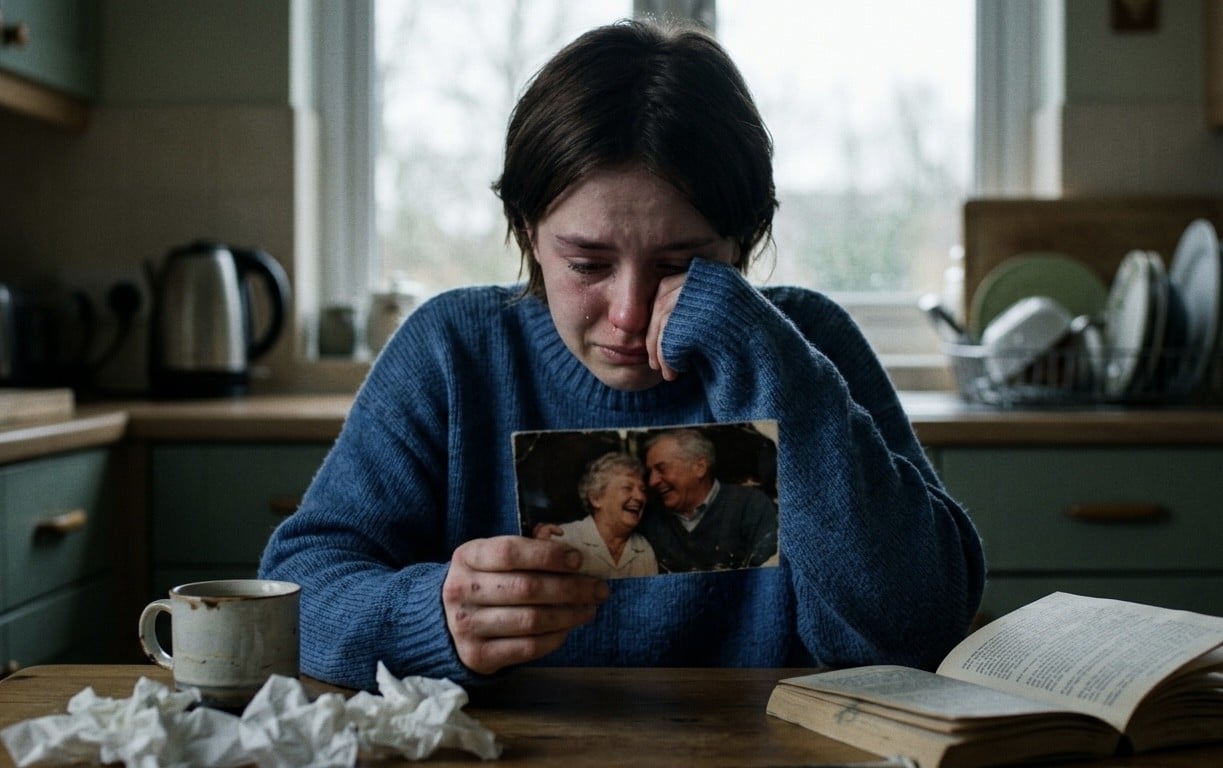
Losing Your Lifelong Partner at Old Age: Psychological Impacts

Written by: Therapy Near Me Editorial Team Clinically reviewed by: qualified members of the Therapy Near Me clinical team Last updated: 02/07/2025 This article is intended as general information only and does not replace personalised medical or mental health advice. Learn more about our Editorial Policy. The loss of a lifelong partner is one of the most emotionally challenging experiences for older adults. It not only impacts their emotional well-being but also affects their physical health, social connections, and overall quality of life. This article explores the psychological and social consequences of losing a spouse in old age, along with evidence-based strategies for coping and healing. Keywords: Losing a lifelong partner, Grief in old age, Coping with loss in old age, Widowhood effect, Bereavement support for seniors, Gender differences in grief, Mental health after losing a spouse, Social support for widowed individuals, Healing after losing a partner, Prolonged grief disorder in elderly The Widowhood Effect The “widowhood effect” refers to the increased risk of mortality following the loss of a spouse, particularly in older adults. Research shows that widowed individuals are at a higher risk of death compared to their married counterparts, with the effect most pronounced within the first three months of bereavement (Moon et al., 2011). Factors contributing to this increased mortality include emotional distress, social isolation, and worsening physical health conditions. According to the National Council on Aging (2023), individuals grieving the loss of a spouse often experience significant disruptions in their daily routines, increased anxiety, and physical symptoms such as insomnia and loss of appetite. These effects underscore the profound connection between emotional and physical health in widowhood. Psychological and Emotional Impact Grieving a lifelong partner can trigger a complex mix of emotions, including sadness, anger, guilt, and despair. The bereaved may experience feelings of helplessness and a loss of purpose, particularly if their lives were deeply intertwined with their spouse (Parkes, 2013). Older adults often find it especially difficult to adapt to life without their partner, as the loss represents not just the absence of a loved one but also the end of shared memories and a long-term support system. Physically, grief can manifest through symptoms such as fatigue, headaches, and a weakened immune system. Chronic stress related to bereavement may exacerbate pre-existing health conditions, increasing the risk of cardiovascular problems, depression, and cognitive decline (Stroebe et al., 2007). Gender Differences in Grief Research indicates that men and women grieve differently. Men often face greater challenges in coping with the loss of a spouse, as they may have relied more heavily on their partner for emotional and social support. Studies suggest that widowed men are more likely to experience loneliness and engage in risky behaviours such as alcohol misuse (Lee & DeMaris, 2007). Women, on the other hand, may face financial challenges, particularly if their spouse was the primary breadwinner. However, women are generally more likely to seek social support from friends, family, and community resources, which can mitigate some of the negative effects of grief (Lund et al., 2010). Coping Strategies While the grieving process is unique to each individual, psychologists recommend several strategies to help older adults cope with the loss of a lifelong partner: Seek Social Support: Connecting with family, friends, or support groups can help alleviate feelings of loneliness. Studies have shown that social support is a key factor in reducing the risk of depression and promoting emotional resilience in older widowed individuals (Lund et al., 2010). Maintain a Routine: Establishing a daily routine can provide a sense of stability and purpose during a time of upheaval. Activities such as walking, gardening, or engaging in hobbies can promote both physical and emotional well-being (Stroebe et al., 2007). Express Emotions: Allowing oneself to grieve and express emotions is a vital part of the healing process. Journaling, talking to a trusted friend, or participating in bereavement counselling can provide valuable outlets for processing grief (Parkes, 2013). Engage in Meaningful Activities: Volunteering, learning new skills, or participating in community programs can help individuals find purpose and rebuild their social networks after the loss of a spouse (Moon et al., 2011). Seek Professional Help: For those experiencing prolonged or complicated grief, seeking support from mental health professionals is crucial. Therapy can provide strategies to navigate grief and address any underlying mental health concerns. When to Seek Help While grief is a natural response to loss, some individuals may experience complicated grief, a condition characterised by persistent and intense mourning that interferes with daily functioning. Signs include persistent feelings of disbelief, an inability to accept the loss, and preoccupation with memories of the deceased (Stroebe et al., 2007). In such cases, evidence-based interventions such as cognitive-behavioural therapy (CBT) or grief counselling can be highly effective. Conclusion The loss of a lifelong partner is a deeply transformative experience, particularly in old age. While the grieving process is challenging, understanding its psychological and emotional impacts can help individuals navigate this difficult period. Through social support, meaningful activities, and professional guidance, it is possible to find a path toward healing and resilience. References Lee, G. R., & DeMaris, A. (2007). Widowhood, gender, and depression: A longitudinal analysis. Research on Aging, 29(1), 56-72. Lund, D. A., Caserta, M. S., & Dimond, M. F. (2010). Gender differences in social support and emotional well-being among the elderly. Journal of Gerontology: Social Sciences, 45(6), 133-140. Moon, J. R., Kondo, N., Glymour, M. M., & Subramanian, S. V. (2011). Widowhood and mortality: A meta-analysis. PLoS ONE, 6(8), e23465. National Council on Aging (2023). The widowhood effect: How to survive the loss of a spouse. Retrieved from https://www.ncoa.org. Parkes, C. M. (2013). Bereavement: Studies of grief in adult life. Routledge. Stroebe, M., Schut, H., & Stroebe, W. (2007). Health outcomes of bereavement. The Lancet, 370(9603), 1960-1973. How to get in touch If you or your NDIS participant need immediate mental healthcare assistance, feel free to get in contact with us on 1800 NEAR ME – admin@therapynearme.com.au.

Losing Your Lifelong Partner at Old Age: Psychological Impacts Read More »

Understand the psychological factors behind people's greatest fears, including common phobias and their effects on mental health

Understanding People’s Greatest Fears: Psychological Perspective

Written by: Therapy Near Me Editorial Team Clinically reviewed by: qualified members of the Therapy Near Me clinical team Last updated: 07/09/2025 This article is intended as general information only and does not replace personalised medical or mental health advice. Learn more about our Editorial Policy. Fear is a fundamental human emotion that serves as a survival mechanism, alerting individuals to potential dangers. However, when fears become excessive or irrational, they can develop into phobias, significantly impacting daily life. This article explores some of the most prevalent fears and phobias, their psychological underpinnings, and their implications for individuals and society. Keywords: Common fears, People’s greatest fears, Top fears and phobias, Fear of public speaking, Fear of heights, Evolutionary psychology and fear, Causes of phobias, How to overcome phobias, Psychological impact of fear, Fear of spiders Common Fears and Phobias Research indicates that certain fears are widespread across different populations. A survey of 2,000 Britons identified the following as the top fears: Heights (Acrophobia): Fear of heights affects approximately 35% of individuals, making it one of the most common phobias. Public Speaking (Glossophobia): Many people experience anxiety when speaking in front of an audience, leading to avoidance of such situations. Snakes (Ophidiophobia): This fear is prevalent and often linked to evolutionary survival mechanisms. Spiders (Arachnophobia): A common fear, particularly in regions where certain species are perceived as dangerous. Aging: Concerns about the physical and mental decline associated with aging are widespread. Confined Spaces (Claustrophobia): Fear of enclosed spaces can lead to significant distress in situations like elevators or crowded rooms. Flying (Aviophobia): Despite the rarity of airplane accidents, this fear affects a notable portion of the population. Germs (Mysophobia): An excessive fear of germs can result in compulsive behaviors aimed at avoiding contamination. Needles (Trypanophobia): Fear of injections or medical procedures involving needles is common and can lead to avoidance of necessary medical care. Darkness (Nyctophobia): Often originating in childhood, this fear can persist into adulthood for some individuals. These fears can range from mild discomfort to severe phobias that interfere with daily functioning. Psychological Underpinnings of Common Fears The development of common fears can be attributed to several psychological factors: Evolutionary Adaptations: Certain fears, such as those of snakes or spiders, may have evolved to protect early humans from dangerous animals. Learned Behaviors: Individuals can develop fears through personal experiences or by observing others. For example, witnessing a parent’s fear of dogs can lead a child to develop a similar fear. Cultural Influences: Societal norms and media representations can shape and reinforce specific fears. Genetic Predispositions: Some individuals may have a genetic tendency toward heightened anxiety, making them more susceptible to developing phobias. Implications of Fears and Phobias While fear is a natural and protective emotion, excessive fears or phobias can have significant implications: Avoidance Behaviors: Individuals may go to great lengths to avoid situations that trigger their fears, which can limit personal and professional opportunities. Physical Symptoms: Exposure to feared objects or situations can lead to physical reactions such as sweating, trembling, or rapid heartbeat. Mental Health Impact: Persistent fears can contribute to anxiety disorders, depression, and reduced quality of life. Addressing and Overcoming Fears Effective strategies for managing and overcoming fears include: Cognitive-Behavioral Therapy (CBT): This approach helps individuals challenge and change unhelpful thought patterns related to their fears. Exposure Therapy: Gradually exposing individuals to the source of their fear in a controlled environment can reduce anxiety over time. Relaxation Techniques: Practices such as deep breathing, meditation, and progressive muscle relaxation can help manage anxiety symptoms. Professional Support: Consulting with mental health professionals can provide tailored strategies and support for overcoming phobias. Conclusion Understanding the common fears that affect individuals and the psychological factors that contribute to them is essential for developing effective interventions. By addressing these fears through evidence-based strategies, individuals can lead more fulfilling and less restricted lives. Take this quick Phobias Self Test References The Sun. (2023). Brits’ top 20 biggest and weirdest fears revealed. Retrieved from https://www.thesun.ie/fabulous/14073685/brits-top-20-fears-revealed/ Verywell Mind. (2023). 10 of the most common phobias. Retrieved from https://www.verywellmind.com/most-common-phobias-4136563 Australian Psychological Society. (2023). Phobias. Retrieved from https://psychology.org.au/for-the-public/psychology-topics/phobias How to get in touch If you or your NDIS participant need immediate mental healthcare assistance, feel free to get in contact with us on 1800 NEAR ME – admin@therapynearme.com.au.

Understanding People’s Greatest Fears: Psychological Perspective Read More »

Explore Sydney's mental health trends and how NDIS enhances psychological well-being through comprehensive mental health support services

Sydney Psychology: Mental Health Trends and NDIS

Written by: Therapy Near Me Editorial Team Clinically reviewed by: qualified members of the Therapy Near Me clinical team Last updated: 17/07/2025 This article is intended as general information only and does not replace personalised medical or mental health advice. Learn more about our Editorial Policy. Over the past five years, Sydney has experienced significant changes in mental health trends, with a marked increase in mental health disorders, particularly among young people. The National Disability Insurance Scheme (NDIS) has played a critical role in addressing these challenges, especially for individuals with psychosocial disabilities. However, the implementation of the NDIS has faced numerous obstacles, prompting reforms and continued discussions. Keywords: Sydney psychology, Mental health trends Sydney, NDIS and mental health, Psychosocial disabilities support, Mental health services Sydney, Best psychologist Sydney, NDIS psychology services, Telehealth psychologist Sydney, Anxiety disorders Sydney, Depression treatment Sydney, NDIS reforms mental health, Community mental health Sydney Rising Mental Health Concerns in Sydney Recent statistics show a considerable rise in mental health issues among Sydney’s youth. Between 2020 and 2022, approximately 40% of Australians aged 16 to 24 reported experiencing a mental health disorder, an increase from 26% in 2007 (Australian Bureau of Statistics [ABS] 2023). This rise is more pronounced among young women, with 45.5% reporting mental health conditions compared to 30.1% in 2007 (ABS 2023). Anxiety disorders remain the most prevalent, affecting 17.2% of Australians aged 16–85 during this period, while mood disorders, such as depression, impacted 7.5% (ABS 2023). The COVID-19 pandemic has further exacerbated these challenges, intensifying isolation, financial stress, and the strain of living in a city like Sydney with a high cost of living. NDIS and Psychosocial Disabilities The NDIS was established to provide support for individuals with disabilities, including those with psychosocial disabilities stemming from mental health conditions. However, the scheme initially focused on physical and intellectual disabilities, which created challenges in addressing the unique needs of individuals with mental illnesses. The eligibility criteria for the NDIS, which required a “permanent impairment,” conflicted with the recovery-oriented approach of mental health services. This approach emphasises potential for improvement and hope, creating barriers for individuals seeking support, as clinicians were reluctant to classify conditions as permanent (University of Sydney 2020). Gaps and Systemic Challenges Significant gaps in the NDIS’s approach to supporting individuals with mental illnesses have been identified. Issues such as slow uptake, disconnection between the concepts of ‘disability’ and ‘mental health,’ and insufficient involvement models for carers and families have been highlighted (University of Sydney 2018). Furthermore, the demand-driven model of the NDIS has raised concerns about the sustainability of specialist psychosocial services, particularly in rural and remote areas. Importantly, the NDIS does not replace community mental health services or treatments provided through the healthcare system, which can lead to confusion and difficulties navigating the service landscape for individuals with psychosocial disabilities (NDIS 2023). Reforms and Policy Changes In response to these issues, the NDIS has introduced reforms to improve access and support for individuals with mental health conditions. Recent changes have focused on basing eligibility on functional impairment rather than specific diagnoses, aiming to create a more equitable system (The Australian 2023). However, some proposed reforms, such as capping funding for therapies like art and music therapy, have sparked controversy among practitioners and participants. These therapies are crucial for many individuals, including those with complex communication needs, and changes may restrict access to vital support (Daily Telegraph 2023). Community and Provider Responses Community mental health services and NDIS-registered providers in Sydney, such as Flourish Australia, have been instrumental in supporting individuals with lived experiences of mental health challenges. These organisations offer tailored services designed to meet participants’ unique needs, ensuring appropriate and timely support (Flourish Australia n.d.). Despite these efforts, systemic issues persist. Advocates continue to push for comprehensive reforms that better serve individuals with severe mental illnesses, including bridging the gap between primary and acute care and improving community-based mental health support (The Australian 2023). Conclusion Sydney’s mental health landscape over the past five years has been characterised by rising prevalence of mental health disorders, particularly among young people, increasing demand for services, and systemic pressures on healthcare infrastructure. While the NDIS has made significant progress in addressing these challenges, ongoing reforms are essential. Collaboration between government agencies, service providers, and communities is necessary to ensure that individuals with mental health conditions receive the support they need to lead fulfilling lives. Addressing these issues requires comprehensive strategies that tackle social determinants, improve healthcare systems, and promote proactive community initiatives. References Australian Bureau of Statistics 2023, National Study of Mental Health and Wellbeing, ABS, viewed 4 December 2024, https://www.abs.gov.au/statistics/health/mental-health/national-study-mental-health-and-wellbeing/latest-release. Daily Telegraph 2023, ‘Devastating consequences: Outrage as NDIS changes threaten access to art and music therapy’, Daily Telegraph, viewed 4 December 2024, https://www.dailytelegraph.com.au. Flourish Australia n.d., About Us, Flourish Australia, viewed 4 December 2024, https://www.flourishaustralia.org.au. National Disability Insurance Scheme 2023, National Mental Health Sector November 2023 Communique, NDIS, viewed 4 December 2024, https://www.ndis.gov.au. The Australian 2023, ‘Distressing: NDIS change threatens key therapy’, The Australian, viewed 4 December 2024, https://www.theaustralian.com.au. University of Sydney 2018, Report identifies NDIS gaps for people living with mental illness, University of Sydney, viewed 4 December 2024, https://www.sydney.edu.au/news-opinion/news/2018/01/30/report-identifies-ndis-gaps-for-people-living-with-mental-illnes.html. How to get in touch If you or your NDIS participant need immediate mental healthcare assistance, feel free to get in contact with us on 1800 NEAR ME – admin@therapynearme.com.au.

Sydney Psychology: Mental Health Trends and NDIS Read More »

Understand the psychology behind self-cannibalism (autophagia), including mental health disorders, underlying causes, and emotional effects.

Self-Cannibalism: Understanding Autophagia

Written by: Therapy Near Me Editorial Team Clinically reviewed by: qualified members of the Therapy Near Me clinical team Last updated: 09/07/2025 This article is intended as general information only and does not replace personalised medical or mental health advice. Learn more about our Editorial Policy. Self-cannibalism, clinically referred to as autophagia or autosarcophagy, is a rare and complex behaviour where individuals consume parts of their own body. This phenomenon is often associated with severe psychiatric conditions, impulse control disorders, and self-injurious behaviour. While relatively rare, understanding the psychological and biological underpinnings of autophagia is crucial for effective diagnosis and treatment. This article explores the psychological correlates, clinical manifestations, and potential therapeutic interventions for self-cannibalism. Keywords: Self-cannibalism, Autophagia, Autosarcophagy, Self-mutilation, Impulse-control disorders, Self-injurious behaviour, Cognitive-behavioural therapy for self-injury, Schizophrenia and self-harm, OCD and compulsive behaviours, Neurobiology of self-injury What is Self-Cannibalism? Self-cannibalism involves acts where individuals intentionally harm themselves by consuming their body parts, such as skin, nails, or other tissues. It is considered an extreme form of self-injury that can range from nail-biting and hair-pulling (milder forms) to severe behaviours involving flesh consumption or amputation of body parts. These behaviours fall under the broader category of self-injurious behaviours (SIB), which are acts performed without suicidal intent but result in physical harm to the individual (Favazza, 2011). Milder forms of self-cannibalism, such as nail-biting, are relatively common and often dismissed as harmless habits. However, when such behaviours escalate to severe forms, such as consuming blood or flesh, they are typically associated with underlying psychological disorders. For instance, clinical cases have documented individuals with psychotic episodes engaging in self-cannibalism due to delusions or hallucinations (Libbon et al., 2015). Psychological Correlates of Self-Cannibalism Mental Health Disorders Autophagia is frequently linked to severe mental health conditions, including schizophrenia, obsessive-compulsive disorder (OCD), psychosis, and personality disorders. In psychotic individuals, delusions or hallucinations may compel them to harm themselves. For instance, one documented case involved a patient with schizophrenia who consumed parts of their flesh due to delusional beliefs (Senthilkumar et al., 2020). Similarly, individuals with OCD may engage in compulsive self-biting or skin-picking, driven by intrusive thoughts that they cannot control. Impulse Control and Emotional Regulation Autophagia can also be understood through the lens of impulse-control disorders. These conditions are characterised by the inability to resist urges that result in self-harm or harm to others. Self-cannibalistic behaviours often occur as a response to emotional distress, where the act provides a temporary sense of relief or gratification. However, these feelings are often followed by guilt or shame, perpetuating a harmful cycle of behaviour (Favazza, 2011). Neurobiological Factors Research into self-injurious behaviours, including autophagia, suggests a neurobiological component involving dysregulation of the brain’s reward system. Dysfunctions in dopamine pathways may contribute to the compulsion to harm oneself, as the act may temporarily alleviate emotional pain or distress. Additionally, studies indicate that chronic stress and trauma can alter brain function, increasing the likelihood of engaging in harmful behaviours (Stoffers et al., 2010). Manifestations and Severity Self-cannibalism can manifest in various forms and severities: Nail-Biting (Onychophagia): A common behaviour often dismissed as a habit but can lead to infections and severe damage when persistent. Skin-Picking (Excoriation Disorder): Involves repetitive picking of the skin, sometimes leading to the consumption of scabs or tissue. Severe Flesh Consumption: Rare but documented cases involve individuals consuming parts of their flesh, often under psychotic delusions (Libbon et al., 2015). Amputation and Extreme Harm: In extreme cases, individuals may amputate body parts, as seen in rare instances of psychosis or severe impulse-control disorders (Senthilkumar et al., 2020). These behaviours are often associated with significant physical and psychological harm, requiring immediate medical and psychiatric intervention. Diagnostic Challenges Diagnosing autophagia is particularly challenging due to its rarity and the stigma associated with such behaviours. It is not explicitly classified as a standalone condition in the Diagnostic and Statistical Manual of Mental Disorders (DSM-5). Instead, it is often grouped under broader categories such as impulse-control disorders or self-injurious behaviours not otherwise specified (American Psychiatric Association, 2013). Diagnosis typically involves a thorough psychiatric assessment to determine the underlying causes and severity of the behaviour. Clinicians may also use neuroimaging and biochemical tests to rule out neurological or metabolic conditions that could contribute to such behaviours (Stoffers et al., 2010). Case Studies Case 1: Psychosis-Induced Self-Cannibalism A 29-year-old male with a history of schizophrenia and substance use engaged in severe self-cannibalistic behaviour. Under the influence of delusions, he consumed parts of his flesh, believing it was necessary to “purify” himself. Psychiatric intervention with antipsychotic medication and therapy helped stabilise his condition (Libbon et al., 2015). Case 2: OCD and Skin-Picking Disorder A young female with OCD exhibited severe skin-picking behaviours, consuming scabs as a compulsion. Cognitive-behavioural therapy (CBT) focused on exposure and response prevention was effective in reducing her behaviours (Favazza, 2011). Case 3: Impulse-Control Disorder A middle-aged male with a history of childhood trauma exhibited self-biting behaviours during periods of high stress. Therapy combined with mindfulness techniques and selective serotonin reuptake inhibitors (SSRIs) significantly improved his impulse control (Senthilkumar et al., 2020). Treatment Approaches Managing autophagia requires a multidisciplinary approach: Psychotherapy Cognitive-behavioural therapy (CBT) is one of the most effective treatments for autophagia. It helps individuals identify and modify harmful thought patterns and behaviours. Techniques such as exposure and response prevention (ERP) are particularly effective for compulsive behaviours like skin-picking (Favazza, 2011) . Pharmacotherapy Medication can address underlying psychiatric conditions contributing to self-cannibalism. For example, antipsychotics are commonly prescribed for schizophrenia, while SSRIs are used for OCD and impulse-control disorders (Stoffers et al., 2010). Behavioural Interventions Behavioural therapies that focus on impulse control, stress management, and emotional regulation are essential. These interventions often involve teaching coping mechanisms and alternative ways to manage emotional distress. Family and Community Support Support from family and community is crucial in managing self-cannibalistic behaviours. Education and involvement of caregivers can help create a supportive environment that fosters recovery. Conclusion Self-cannibalism, though rare, is a severe manifestation of self-injurious behaviour often linked to

Self-Cannibalism: Understanding Autophagia Read More »

Explore the psychological factors that make 'good girls' attractive to men, including kindness, reliability, and emotional intelligence

Men’s Attraction to Good Girls: A Psychological Perspective

Written by: Therapy Near Me Editorial Team Clinically reviewed by: qualified members of the Therapy Near Me clinical team Last updated: 05/09/2025 This article is intended as general information only and does not replace personalised medical or mental health advice. Learn more about our Editorial Policy. The concept of men being attracted to ‘good girls’—women who exhibit kindness, agreeableness, and nurturing qualities—has been a subject of interest in psychological and evolutionary studies. This article explores the underlying factors contributing to this preference, drawing on scientific research and theories. Keywords: Why men like good girls, Attraction to good girls psychology, Evolutionary psychology and attraction, Men’s preferences in relationships, Kindness and attractiveness, Agreeableness in mate selection, Good girl archetype, Cultural influences on attraction, Attachment theory and relationships, Men’s attraction to nurturing traits Evolutionary Perspectives From an evolutionary standpoint, men may prefer partners who display nurturing and prosocial behaviours, as these traits are indicative of effective parenting and the ability to foster a stable family environment. Parental investment theory suggests that men seek mates who can contribute to the upbringing of offspring, ensuring the survival and propagation of their genes (Trivers, 1972). Women who exhibit kindness and nurturing behaviours are perceived as more capable of providing the necessary care for children, making them attractive partners in the context of long-term relationships. Personality Traits and Mate Selection Personality traits play a significant role in mate selection. Research indicates that men value agreeableness and emotional stability in potential partners, as these traits contribute to harmonious and enduring relationships (Botwin, Buss, & Shackelford, 1997). Agreeableness, encompassing attributes such as kindness and warmth, facilitates cooperation and reduces conflict, which are essential for relationship satisfaction and longevity. The Role of Kindness in Perceived Attractiveness Kindness significantly enhances physical attractiveness. A study involving over 4,000 participants found that individuals described as kind and helpful were consistently rated as more physically attractive compared to those described as merely funny or intelligent (Kononov et al., 2024). This suggests that prosocial traits not only contribute to relational harmony but also elevate perceived physical appeal, reinforcing men’s preference for ‘good girls’. Cultural and Social Influences Cultural narratives often idealise the ‘good girl’ archetype, associating it with virtues like purity, loyalty, and nurturing. These societal constructs shape individual preferences, leading men to seek partners who embody these culturally endorsed qualities. Media representations and traditional gender roles further perpetuate this ideal, influencing men’s attraction to women who align with the ‘good girl’ persona. Attachment Styles and Relationship Dynamics Attachment theory posits that individuals with secure attachment styles are more likely to form stable and satisfying relationships. Men with secure attachment tendencies may be drawn to ‘good girls’ who exhibit reliability and emotional availability, as these traits align with their expectations for a dependable partnership (Hazan & Shaver, 1987). Conversely, men with insecure attachment styles might seek partners who fulfill their specific emotional needs, which can also influence their attraction patterns. Conclusion Men’s attraction to ‘good girls’ is multifaceted, encompassing evolutionary imperatives, personality dynamics, cultural influences, and individual attachment styles. Understanding these factors provides insight into mate selection processes and highlights the importance of prosocial traits in fostering healthy and enduring relationships. References Botwin, M. D., Buss, D. M., & Shackelford, T. K. (1997). Personality and mate preferences: Five factors in mate selection and marital satisfaction. Journal of Personality, 65(1), 107-136. Hazan, C., & Shaver, P. (1987). Romantic love conceptualised as an attachment process. Journal of Personality and Social Psychology, 52(3), 511-524. Kononov, N., et al. (2024). Kindness increases attractiveness: Evidence from ten experiments. British Journal of Social Psychology. https://www.thetimes.co.uk/article/kind-people-are-more-physically-attractive-study-finds-9dwq3nbh6 Trivers, R. L. (1972). Parental investment and sexual selection. In B. Campbell (Ed.), Sexual Selection and the Descent of Man (pp. 136-179). Chicago, IL: Aldine. How to get in touch If you or your NDIS participant need immediate mental healthcare assistance, feel free to get in contact with us on 1800 NEAR ME – admin@therapynearme.com.au.

Men’s Attraction to Good Girls: A Psychological Perspective Read More »

Explore the mental health challenges and psychological impacts faced by Disney child stars

Disney Child Stars and Mental Illness

Written by: Therapy Near Me Editorial Team Clinically reviewed by: qualified members of the Therapy Near Me clinical team Last updated: 15/07/2025 This article is intended as general information only and does not replace personalised medical or mental health advice. Learn more about our Editorial Policy. Disney child stars have long been celebrated for their talent, charisma, and ability to captivate audiences worldwide. However, behind the scenes, many of these young performers face significant mental health challenges. The pressures of fame, public scrutiny, and transitioning into adulthood in the spotlight often leave a lasting impact on their psychological well-being. This article explores specific examples of Disney child stars who have battled mental health issues, shedding light on the broader systemic challenges in the entertainment industry. Keywords: Disney child stars mental health, Mental health struggles of Disney stars, Selena Gomez anxiety and depression, Demi Lovato bipolar disorder and addiction, Miley Cyrus identity crisis, Shia LaBeouf PTSD and addiction, Orlando Brown bipolar disorder, Lindsay Lohan addiction issues, Challenges for Disney child actors, Psychological impact of child stardom, Disney stars and therapy 1. Selena Gomez: Anxiety and Depression Selena Gomez, a former Disney star known for her role in Wizards of Waverly Place, has been open about her struggles with anxiety and depression. Gomez revealed that her mental health issues were exacerbated by the pressures of fame and managing lupus, an autoimmune condition. She took a break from her career in 2016 to seek professional help and has since become an advocate for mental health awareness (Gomez, 2022). Through her Rare Impact Fund, she raises funds to support mental health initiatives, particularly for young people (Rare Beauty, 2023). 2. Demi Lovato: Addiction, Bipolar Disorder, and Eating Disorders Demi Lovato, who starred in Camp Rock and Sonny with a Chance, has publicly discussed their struggles with substance abuse, bipolar disorder, and eating disorders. Lovato’s challenges began during their teenage years as they navigated the pressures of stardom. They have experienced multiple relapses but credit therapy and rehabilitation for their recovery journey. Lovato has also used their platform to advocate for mental health and addiction awareness, emphasising the importance of seeking help (Lovato, 2021). 3. Miley Cyrus: Anxiety and Identity Struggles Miley Cyrus, best known for her role in Hannah Montana, has spoken about her struggles with anxiety and identity confusion. Growing up in the spotlight made it difficult for Cyrus to separate her on-screen persona from her real self, leading to challenges in self-acceptance. Cyrus has emphasised the importance of therapy and mindfulness in managing her mental health (Cyrus, 2020). 4. Raven-Symoné: Body Image Issues and Anxiety Raven-Symoné, the star of That’s So Raven, has discussed her struggles with body image and anxiety. As a young star, she faced significant public scrutiny over her appearance, which affected her self-esteem. Raven has highlighted the importance of self-compassion and body positivity in her recovery journey (Raven-Symoné, 2022). 5. Shia LaBeouf: PTSD and Addiction Shia LaBeouf, who appeared in the Disney series Even Stevens, has battled PTSD and addiction. LaBeouf attributed his struggles to childhood trauma and the pressures of the entertainment industry. He has sought therapy and rehabilitation to address his mental health issues and has been vocal about the need for systemic change in Hollywood to support young actors (LaBeouf, 2019). 6. Lindsay Lohan: Addiction and Legal Troubles Lindsay Lohan, who starred in Disney’s The Parent Trap and Freaky Friday, has faced long-standing struggles with addiction and legal issues. The transition from child stardom to adulthood proved difficult for Lohan, resulting in multiple stints in rehabilitation. Lohan’s story underscores the importance of providing child stars with robust support systems to navigate the complexities of fame (Smith et al., 2020). 7. Orlando Brown: Bipolar Disorder and Substance Abuse Orlando Brown, another star of That’s So Raven, has openly discussed his struggles with bipolar disorder and substance abuse. Brown’s erratic behaviour and legal troubles brought attention to his mental health issues, leading him to seek professional help. His case highlights the need for early intervention and sustained support for young performers (Riley et al., 2019). 8. Bridging the Gap: Systemic Challenges and Solutions The mental health struggles of Disney child stars are often symptomatic of broader systemic issues in the entertainment industry: Lack of Support: Many young actors lack access to adequate mental health resources while working long hours in high-pressure environments (Thompson et al., 2021). Public Scrutiny: Constant media attention and online criticism amplify the psychological toll on young performers (Livingstone et al., 2018). Transition Challenges: The shift from child stardom to adult roles often brings identity crises and financial instability (Brown et al., 2020). 9. Advocacy and Change Despite these challenges, many former Disney stars have become mental health advocates, using their platforms to raise awareness and reduce stigma. By sharing their experiences, they inspire others to seek help and push for systemic changes within the industry. Conclusion The experiences of Disney child stars like Selena Gomez, Demi Lovato, and Miley Cyrus highlight the psychological toll of growing up in the spotlight. While their struggles are deeply personal, they also reflect systemic shortcomings in the entertainment industry. By prioritising mental health resources, fostering supportive environments, and reducing public scrutiny, society can better protect the well-being of young performers. References Brown, L., et al. (2020). The identity crisis of child stars: Transitioning into adulthood. Journal of Youth Studies, 23(5), pp. 731–750. Cyrus, M. (2020). Miley Cyrus on growing up Disney: The highs and lows. Interview Magazine. Retrieved from https://www.interviewmagazine.com Gomez, S. (2022). Mental health and advocacy: A conversation with Selena Gomez. Time Magazine. Retrieved from https://www.time.com LaBeouf, S. (2019). Honey Boy: A Memoir. New York: HarperCollins. Livingstone, S., et al. (2018). Children and social media: Risks and opportunities. Journal of Media Psychology, 30(4), pp. 168–178. Lovato, D. (2021). Demi Lovato: Dancing with the Devil. Los Angeles: YouTube Originals. Raven-Symoné. (2022). Body positivity and mental health: My journey. The Guardian. Retrieved from https://www.theguardian.com Riley, L., et al. (2019). The psychological toll of child stardom: An empirical

Disney Child Stars and Mental Illness Read More »

Teaching Children Good Manners: A Foundation for Lifelong Success

Written by: Therapy Near Me Editorial Team Clinically reviewed by: qualified members of the Therapy Near Me clinical team Last updated: 04/12/2025 This article is intended as general information only and does not replace personalised medical or mental health advice. Learn more about our Editorial Policy. Teaching children good manners is an essential part of their upbringing, equipping them with the social skills necessary to navigate relationships, succeed in various environments, and contribute positively to society. In the Australian context, where values of egalitarianism and respect are highly regarded, teaching manners holds even greater importance. This article explores the significance of teaching good manners, evidence-based strategies, and the long-term benefits for children and society. Keywords: Teaching kids good manners, Importance of manners in child development, Strategies for teaching manners, Social skills for children, Respect and empathy in kids, Digital etiquette for children, Role-playing for social skills, Emotional intelligence in children, Manners in Australian culture, Raising polite children The Importance of Teaching Good Manners Good manners extend beyond polite behaviours such as saying “please” and “thank you.” They encompass respect, empathy, and consideration for others. Research highlights that manners are a cornerstone of social competence and emotional intelligence, which are crucial for personal and professional success (Riggio, 2014). In the Australian context, where respect for individual autonomy and inclusivity are cultural pillars, teaching children manners fosters a sense of community and mutual understanding. Manners help children build strong relationships with their peers and adults, reducing social friction and enhancing cooperation in diverse settings (News Daily, 2023). Additionally, teaching good manners early contributes to children’s moral development. As children learn to understand and respect the feelings of others, they internalise ethical principles that guide their decision-making and behaviour in adulthood (Harrison & Walker, 2018). Benefits of Teaching Good Manners Improved Social Skills Children with good manners are better able to form positive relationships and are more likely to be accepted by their peers. Research shows that early social competence is a predictor of future success, including academic achievements and workplace effectiveness (Riggio, 2014). Enhanced Empathy and Emotional Intelligence Teaching manners encourages children to consider others’ perspectives and emotions. This cultivates empathy, a critical component of emotional intelligence, which is linked to better mental health and stronger relationships (Goleman, 1995). Preparation for Future Challenges Good manners equip children with the skills to handle diverse social situations, from the classroom to the workplace. Polite and respectful behaviour is often associated with professionalism and competence, giving children an advantage in future endeavours (Riggio, 2014). Fostering Inclusivity In multicultural societies like Australia, teaching children to respect and celebrate differences through good manners promotes inclusivity and reduces prejudice (Harrison & Walker, 2018). Strategies for Teaching Good Manners 1. Modelling Behaviour Children learn by observing adults. Parents and educators who consistently demonstrate polite and respectful behaviour set a powerful example for children to emulate. For instance, greeting others warmly, showing gratitude, and apologising when necessary provide children with practical demonstrations of good manners (News Daily, 2023). 2. Reinforcing Positive Behaviour Positive reinforcement, such as praise or small rewards, encourages children to repeat polite behaviours. Acknowledging good manners, such as sharing toys or saying “thank you,” reinforces their importance and fosters intrinsic motivation in children (Psychology Today, 2023). 3. Setting Clear Expectations Establishing clear and consistent rules about manners helps children understand what is expected of them. For example, parents can teach children to wait their turn in conversations, respect personal boundaries, and address others respectfully (Uplift Kids, 2023). 4. Role-Playing Scenarios Role-playing common social situations allows children to practice appropriate responses in a safe and supportive environment. For instance, practising how to greet someone new, apologise, or express gratitude can help children feel more confident in real-life interactions (Dynamics and Learning, 2023). 5. Encouraging Empathy Helping children understand the impact of their actions on others fosters empathy and compassion. Discussing scenarios where manners make a difference, such as comforting a friend or resolving a conflict, reinforces the importance of considerate behaviour (Goleman, 1995). 6. Teaching Digital Etiquette In today’s digital age, teaching children manners extends to online interactions. Parents and educators should guide children on respectful communication, avoiding harmful comments, and maintaining privacy in the digital realm (Medicover Hospitals, 2023). Challenges in Teaching Manners Teaching manners is not without challenges, particularly in a fast-paced and technologically-driven world. Parents often struggle to find the time to consistently model and reinforce good manners. Additionally, the rise of digital communication has created new dimensions for teaching etiquette, as children must learn to navigate online spaces responsibly (Psychology Today, 2023). Cultural differences can also influence the perception of good manners. In Australia, for example, directness and informality are often valued, which may conflict with traditional notions of politeness. Parents and educators must balance teaching universal manners with respecting cultural diversity (News Daily, 2023). The Long-Term Impact of Good Manners Children who learn good manners at an early age are better prepared for the challenges of adulthood. Research indicates that polite and empathetic individuals are more likely to succeed academically, build strong relationships, and achieve career success (Riggio, 2014). Moreover, good manners contribute to a more harmonious society by fostering mutual respect and reducing interpersonal conflicts. Teaching manners is also an investment in moral development. By learning to prioritise others’ needs and feelings, children develop a sense of integrity and ethical responsibility that guides their actions throughout life (Harrison & Walker, 2018). Conclusion Teaching children good manners is a vital aspect of their development, with far-reaching benefits for individuals and society. By modelling respectful behaviour, reinforcing positive actions, and encouraging empathy, parents and educators can instil lifelong habits that contribute to children’s success and well-being. In an increasingly complex and interconnected world, good manners remain a cornerstone of effective communication, cooperation, and harmony. References Goleman, D. (1995). Emotional Intelligence: Why It Can Matter More Than IQ. Bantam Books. Harrison, T., & Walker, D. (2018). Manners and the Moral Life. In The Theory and Practice of Virtue Education. Routledge. News Daily. (2023). How

Teaching Children Good Manners: A Foundation for Lifelong Success Read More »

Coping with Loss over Christmas: Strategies for Navigating Grief

Written by: Therapy Near Me Editorial Team Clinically reviewed by: qualified members of the Therapy Near Me clinical team Last updated: 12/08/2025 This article is intended as general information only and does not replace personalised medical or mental health advice. Learn more about our Editorial Policy. The Christmas season, often associated with joy and togetherness, can be particularly challenging for those grieving the loss of a loved one. The contrast between societal expectations of happiness and personal feelings of sorrow can intensify the experience of grief. Understanding the psychological impact of this period and adopting effective coping strategies are essential for navigating the festive season while honouring one’s emotions. Keywords: Coping with loss over Christmas, Grieving during the holiday season, Strategies for managing grief at Christmas, Emotional support for grief, Handling loneliness during Christmas, Christmas grief and mental health, Coping with the loss of a loved one, Managing grief during festive celebrations, Dealing with sadness at Christmas The Psychological Impact of Grief during Christmas Grief is a multifaceted emotional response to loss, encompassing feelings of sadness, anger, guilt, and loneliness. During Christmas, these emotions may be amplified due to the emphasis on family gatherings and traditions that highlight the absence of the deceased loved one. Research indicates that the holiday season can exacerbate feelings of grief, leading to increased stress and emotional distress (Lichtenthal, 2024). In Australia, the festive season coincides with the summer holidays, a time traditionally spent with family and friends. For those grieving, this period can serve as a poignant reminder of their loss, potentially leading to feelings of isolation amidst widespread celebration. Acknowledging these emotions as a natural part of the grieving process is crucial for emotional well-being (Haven Psychology, 2023). Strategies for Coping with Grief during the Festive Season Acknowledge Your Feelings Recognising and accepting your emotions without judgment is a vital step in coping with grief. Allow yourself to experience sadness, anger, or even moments of joy without guilt. Suppressing emotions can hinder the healing process, whereas expressing them can provide relief and facilitate adjustment (Cruse Bereavement Support, n.d.). Set Realistic Expectations Understand that it is acceptable to modify or forgo certain traditions if they evoke too much pain. Communicate your needs to family and friends, and do not feel obligated to participate in all activities. Setting boundaries can help manage emotional overload and reduce stress (APA, 2024). Create New Traditions Establishing new rituals can provide a sense of control and create meaningful ways to honour your loved one. This might include lighting a candle in their memory, preparing their favourite meal, or engaging in an activity they enjoyed. Such practices can offer comfort and a sense of connection (Psychologies, 2024). Seek Support Sharing your feelings with trusted friends, family, or support groups can alleviate the sense of isolation. Professional counselling services are also available to provide guidance and coping strategies tailored to your needs. In Australia, organisations like Beyond Blue and Lifeline offer resources for those dealing with grief (Haven Psychology, 2023). Practice Self-Care Prioritise your physical and emotional health by maintaining a balanced diet, engaging in regular physical activity, and ensuring adequate rest. Mindfulness practices, such as meditation or deep-breathing exercises, can also help manage stress and promote emotional balance (Cruse Bereavement Support, n.d.). Plan Ahead Anticipate potential challenges during the holiday season and develop a plan to address them. This might involve deciding in advance which events to attend, arranging for supportive companions during gatherings, or identifying moments when you might need solitude. Having a plan can provide a sense of control and reduce anxiety (APA, 2024). The Role of Social Connections Maintaining social connections during the festive season can provide emotional support and a sense of belonging. Engaging with community activities or volunteering can offer opportunities to connect with others and find purpose, which may alleviate feelings of loneliness and enhance well-being (Cruse Bereavement Support, n.d.). In the Australian context, participating in outdoor activities, such as beach outings or community barbecues, can serve as a healthy distraction and promote social interaction. These activities align with the Australian summer lifestyle and can provide a sense of normalcy during a challenging time. Professional Support and Resources Seeking professional support can be beneficial, especially if grief becomes overwhelming or leads to prolonged periods of depression and anxiety. Mental health professionals can offer coping strategies tailored to individual needs. In Australia, several organisations provide support for those dealing with grief during the holiday season: Beyond Blue: Offers support for anxiety and depression, which can be exacerbated by grief. Lifeline Australia: Provides 24/7 crisis support and suicide prevention services. GriefLine: Grief and loss counselling, offering support to individuals and families. Accessing these resources can provide additional support and guidance during the festive season. Conclusion Coping with loss during the Christmas season is a deeply personal experience, and there is no right or wrong way to navigate this time. By acknowledging your feelings, setting realistic expectations, seeking support, and practising self-care, it is possible to find moments of peace and even joy amidst the sorrow. Remember, it is acceptable to grieve, and taking steps to care for yourself during this period is a testament to the enduring bond you share with your loved one. References American Psychological Association (APA). (2024). Are you grieving this holiday season? Here are ways to cope with loss. Retrieved from https://www.apa.org/topics/grief/holiday-season-coping Cruse Bereavement Support. (n.d.). Coping with grief at Christmas. Retrieved from https://www.cruse.org.uk/understanding-grief/managing-grief/christmas/ Haven Psychology. (2023). Grief and Loss During the Holiday Season. Retrieved from [https://havenpsychology.com.au/grief-and-loss-during-the-holiday-season/](https://havenpsych How to get in touch If you or your NDIS participant need immediate mental healthcare assistance, feel free to get in contact with us on 1800 NEAR ME – admin@therapynearme.com.au

Coping with Loss over Christmas: Strategies for Navigating Grief Read More »

Address the growing concerns of mental health with comprehensive awareness and community support initiatives

Mental Health Awareness: Addressing the Growing Concern

Written by: Therapy Near Me Editorial Team Clinically reviewed by: qualified members of the Therapy Near Me clinical team Last updated: 17/10/2025 This article is intended as general information only and does not replace personalised medical or mental health advice. Learn more about our Editorial Policy. Mental health awareness has become increasingly crucial in Australia, with rising prevalence of mental health disorders and their profound impact on individuals and society. Enhancing public understanding and reducing stigma are essential steps toward improving mental health outcomes. Keywords: Mental health awareness, Mental health Australia, Mental health disorders statistics, Mental health services Australia, Mental health stigma reduction, Anxiety disorders Australia, Depression treatment Australia, Early intervention mental health, Mental health support for youth, Australian mental health strategy Prevalence of Mental Health Disorders in Australia Recent data indicates that mental health disorders are widespread in Australia. The Australian Bureau of Statistics (ABS) reports that 42.9% of Australians aged 16–85 have experienced a mental disorder at some point in their lives, with 21.5% experiencing a disorder within the past 12 months (ABS, 2023). Anxiety disorders are the most common, affecting 17.2% of the population, followed by affective disorders such as depression (ABS, 2023). Impact on Young Australians Young Australians are particularly affected by mental health issues. Approximately 38.8% of individuals aged 16–24 have experienced a mental disorder in the past year, with anxiety disorders being the most prevalent (ABS, 2023). The COVID-19 pandemic has exacerbated these challenges, leading to increased feelings of isolation and uncertainty among young people (AIHW, 2023). Importance of Mental Health Awareness Raising mental health awareness is vital for several reasons: Early Identification and Intervention: Awareness facilitates the early recognition of mental health issues, enabling timely intervention and reducing the risk of progression to more severe conditions (Mental Health First Aid Australia, 2021). Reduction of Stigma: Educating the public about mental health helps dismantle misconceptions and prejudices, encouraging individuals to seek help without fear of discrimination (Wellcome, 2021). Promotion of Well-being: Understanding mental health promotes overall well-being by encouraging healthy coping mechanisms and resilience (Harvard Brain Science Initiative, 2021). Role of Education and Community Programs Educational initiatives and community programs play a pivotal role in enhancing mental health awareness. Programs that focus on emotional awareness have been shown to reduce the severity of mental health problems among children and adolescents (Harvard Brain Science Initiative, 2021). Additionally, community-based mental health services provide accessible support, fostering environments where individuals feel safe to discuss their mental health concerns (Mental Health Australia, 2023). Government Initiatives and Support The Australian government has implemented various initiatives to address mental health, including the National Mental Health Strategy and funding for mental health services. These efforts aim to improve service accessibility and quality, particularly for vulnerable populations (AIHW, 2023). However, ongoing evaluation and adaptation of these programs are necessary to meet the evolving needs of the community. Conclusion Mental health awareness is a critical component in addressing the mental health crisis in Australia. By promoting understanding, reducing stigma, and encouraging early intervention, society can improve mental health outcomes and enhance the quality of life for individuals affected by mental health disorders. Continued efforts in education, community engagement, and government support are essential to sustain progress in this vital area. References Australian Bureau of Statistics (ABS) 2023, National Study of Mental Health and Wellbeing, ABS, viewed 5 December 2024, https://www.abs.gov.au/statistics/health/mental-health/national-study-mental-health-and-wellbeing. Australian Institute of Health and Welfare (AIHW) 2023, Prevalence and impact of mental illness, AIHW, viewed 5 December 2024, https://www.aihw.gov.au/mental-health/overview/prevalence-and-impact-of-mental-illness. Mental Health First Aid Australia 2021, The Importance of Mental Health Research and Evaluation, viewed 5 December 2024, https://www.mentalhealthfirstaid.org/external/2021/04/the-importance-of-mental-health-research-and-evaluation/. Wellcome 2021, The role of science in mental health, viewed 5 December 2024, https://cms.wellcome.org/sites/default/files/2021-10/wellcome-global-monitor-mental-health.pdf. Harvard Brain Science Initiative 2021, Emotional Awareness and Mental Health, viewed 5 December 2024, https://brain.harvard.edu/hbi_news/emotional-awareness-and-mental-health/. Mental Health Australia 2023, 2023 Report to the Nation, viewed 5 December 2024, https://mhaustralia.org/report/2023-report-nation. How to get in touch If you or your NDIS participant need immediate mental healthcare assistance, feel free to get in contact with us on 1800 NEAR ME – admin@therapynearme.com.au.

Mental Health Awareness: Addressing the Growing Concern Read More »

Discover the psychology behind relationship dynamics, enhancing communication and emotional bonding in human connections

Relationship Psychology: The Dynamics of Human Connection

Written by: Therapy Near Me Editorial Team Clinically reviewed by: qualified members of the Therapy Near Me clinical team Last updated: 27/01/2026 This article is intended as general information only and does not replace personalised medical or mental health advice. Learn more about our Editorial Policy. Relationship psychology examines the complexities of human interactions and how they influence emotional, social, and mental well-being. By exploring the underlying mechanisms of attachment, communication, and conflict resolution, this field provides valuable insights into creating and maintaining healthy relationships. This comprehensive article delves into the theories, research findings, and practical applications of relationship psychology, shedding light on how individuals can improve their connections with others. Keywords: Relationship psychology, Psychology of relationships, Attachment theory and relationships, Communication in relationships, Conflict resolution strategies, Healthy relationships, Impact of personality on relationships, Relationship dynamics, Cultural influences on relationships, Emotion-Focused Therapy (EFT), Cognitive-Behavioural Therapy (CBT) and relationships, Improving communication in relationships, Secure attachment in relationships The Foundations of Relationship Psychology At its core, relationship psychology focuses on the scientific study of interpersonal dynamics. It draws from multiple disciplines, including psychology, sociology, and evolutionary biology, to understand how relationships are formed, maintained, and, in some cases, dissolved. By examining factors such as attachment styles, emotional regulation, and personality traits, researchers aim to uncover the processes that contribute to both healthy and dysfunctional relationships (Fletcher et al., 2013). Relationship psychology is not limited to romantic connections; it encompasses familial relationships, friendships, and workplace interactions. Each type of relationship offers unique challenges and opportunities for growth, making it essential to understand the principles that underpin all human connections. Attachment Theory and Its Role in Relationships One of the most influential theories in relationship psychology is attachment theory, developed by John Bowlby and expanded by Mary Ainsworth. This theory posits that early interactions with caregivers form the foundation for an individual’s attachment style, which continues to influence relationships throughout life (Bowlby, 1988). Types of Attachment Styles: Secure Attachment: Securely attached individuals feel comfortable with intimacy and trust, often leading to stable and fulfilling relationships. They tend to communicate effectively and resolve conflicts constructively. Anxious Attachment: People with this style often seek constant reassurance and fear abandonment. This can result in clingy or overly dependent behaviours that may strain relationships. Avoidant Attachment: Avoidant individuals tend to minimise emotional closeness and rely heavily on self-sufficiency. While they may avoid conflict, they can struggle with vulnerability and intimacy. Disorganised Attachment: This style is characterised by conflicting behaviours, such as desiring closeness while fearing it. It often stems from traumatic or inconsistent caregiving experiences. Research has shown that attachment styles significantly impact relationship satisfaction, communication patterns, and conflict resolution. For instance, securely attached individuals are more likely to experience stable relationships, while those with insecure attachment styles may encounter challenges in maintaining long-term connections (Mikulincer & Shaver, 2005). The Role of Communication in Relationships Communication is a cornerstone of healthy relationships. It serves as the primary mechanism for expressing emotions, resolving conflicts, and fostering intimacy. However, ineffective communication can lead to misunderstandings, resentment, and relational breakdowns. Effective Communication Techniques: Active Listening: Paying full attention to a partner’s words, reflecting their emotions, and seeking to understand their perspective. Nonverbal Communication: Facial expressions, body language, and tone of voice play a significant role in conveying feelings and intentions. Expressing Needs Clearly: Openly articulating one’s feelings and desires can prevent misunderstandings and unmet expectations. Barriers to Effective Communication: Attachment styles heavily influence communication behaviours. For example, anxiously attached individuals may over-communicate, seeking constant validation, while avoidant individuals may withdraw, avoiding meaningful conversations (Evolve Therapy, 2023). Conflict Resolution in Relationships Conflict is an inevitable part of any relationship, but the way it is managed can determine whether it strengthens or weakens the bond. Constructive conflict resolution involves addressing issues collaboratively and respectfully, aiming for solutions that satisfy both parties. Common Conflict Resolution Strategies: Collaborative Problem-Solving: Partners work together to identify the root cause of the conflict and develop mutually beneficial solutions. Compromise: Both parties make concessions to resolve the issue while maintaining fairness. Emotional Regulation: Managing emotions during conflicts prevents escalation and facilitates productive discussions. In contrast, destructive conflict behaviours, such as criticism, defensiveness, and stonewalling, can erode trust and intimacy. Research indicates that securely attached individuals are more likely to employ constructive conflict resolution strategies, while those with insecure attachments may resort to avoidance or aggression (Pietromonaco et al., 2004). The Influence of Personality Traits Personality traits also play a significant role in shaping relationship dynamics. Traits such as agreeableness, emotional stability, and conscientiousness are associated with higher relationship satisfaction, while high levels of neuroticism can contribute to relational distress (Fletcher et al., 2013). Key Personality Traits in Relationships: Agreeableness: Individuals who are cooperative and empathetic tend to navigate conflicts more effectively. Conscientiousness: Being organised and dependable fosters trust and reliability in relationships. Neuroticism: High levels of anxiety and emotional instability can lead to frequent misunderstandings and conflicts. Understanding the interplay between personality traits and relational behaviours can help individuals identify areas for personal growth and improve their interactions with others. Cultural and Social Influences on Relationships Cultural norms and societal expectations significantly impact relationship dynamics. For instance, individualistic cultures, such as Australia, tend to emphasise personal autonomy and self-expression, while collectivist cultures prioritise family and community harmony (Triandis, 1995). Impact of Cultural Differences: Conflict Styles: Individualistic cultures may encourage direct communication during conflicts, while collectivist cultures may favour indirect approaches to preserve harmony. Gender Roles: Societal expectations around gender can influence relational behaviours, such as decision-making and emotional expression. Understanding these cultural nuances is essential for navigating relationships in diverse social contexts. Applications of Relationship Psychology Relationship psychology has practical applications in therapy, education, and workplace settings. Therapists use evidence-based interventions, such as Emotion-Focused Therapy (EFT) and Cognitive-Behavioural Therapy (CBT), to help clients improve their relational skills and address challenges. Examples of Therapeutic Approaches: Emotion-Focused Therapy (EFT): Focuses on identifying and expressing underlying emotions to strengthen relational bonds. Cognitive-Behavioural Therapy (CBT): Helps individuals recognise and modify negative thought

Relationship Psychology: The Dynamics of Human Connection Read More »

wpChatIcon

Book An Appointment