
Therapy Near Me

Uncategorized

Deciphering Infidelity: Recognizing the Signs of Cheating

How to Tell if Someone is Cheating: Understanding the Signs

Written by: Therapy Near Me Editorial Team Clinically reviewed by: qualified members of the Therapy Near Me clinical team Last updated: 09/11/2025 This article is intended as general information only and does not replace personalised medical or mental health advice. Learn more about our Editorial Policy. Suspecting a partner of cheating can be a distressing and unsettling experience. While no sign is definitive proof of infidelity, certain behaviors have been commonly associated with cheating. This article explores these signs, grounded in psychological research, while emphasising the importance of communication and trust in relationships. Common Signs of Infidelity Changes in Communication: A partner who is cheating might become more secretive or distant. They might avoid discussing future plans or become defensive when asked about their whereabouts or activities (Shackelford et al., 2002). Altered Schedule or Habits: Sudden, unexplained changes in routine, such as staying late at work more frequently, unaccounted for time, or unexpected business trips, can sometimes indicate infidelity (Atkins et al., 2001). Decreased Intimacy: While variations in sexual desire are normal in relationships, a noticeable and sustained decrease in intimacy or affection might suggest a problem. Conversely, an unexpected increase in sexual desire or new techniques might also arise from guilt or an attempt to cover infidelity (Buss & Shackelford, 1997). Increased Concern with Appearance: A sudden interest in improving appearance, working out more, or changing style without a clear reason can sometimes be linked to an attempt to impress someone new (Mark, Janssen, & Milhausen, 2011). Unexplained Expenses: Unaccounted for or secretive financial transactions can be a red flag. This might include receipts for gifts, dinners, or hotels that are inconsistent with known activities or expenses (Atkins et al., 2001). Technological Secrecy: Increased privacy around phone or computer use, such as changing passwords, frequent deletion of messages, or secretive online activities, might indicate that a partner is hiding something (Whitty, 2005). Emotional Changes: Cheating can cause a range of emotional responses from the cheating partner, including guilt, anxiety, or becoming more critical or accusatory towards you as a form of projection or deflection (Shackelford & Buss, 1997). Considerations and Next Steps Context is Key: These signs should be considered within the context of your relationship and the individual’s baseline behavior. Any one sign in isolation may not indicate cheating and could relate to other stresses or issues in the person’s life. Communication: Open and honest communication is the cornerstone of a healthy relationship. If you suspect infidelity, consider addressing your concerns directly and calmly with your partner. Seek Support: Dealing with suspected infidelity can be emotionally taxing. Seek support from trusted friends, family, or a professional counselor to navigate your feelings and next steps. Conclusion While certain behaviors can suggest infidelity, they are not definitive proof. Understanding these signs can help individuals identify potential issues in their relationship, but they should be approached with caution and empathy. Open communication, understanding, and professional guidance are key to addressing concerns about cheating and maintaining a healthy and trusting relationship. References Shackelford, T. K., & Buss, D. M. (1997). Cues to infidelity. Personality and Social Psychology Bulletin, 23(10), 1034-1045. Atkins, D. C., Baucom, D. H., & Jacobson, N. S. (2001). Understanding infidelity: correlates in a national random sample. Journal of Family Psychology, 15(4), 735. Buss, D. M., & Shackelford, T. K. (1997). Susceptibility to infidelity in the first year of marriage. Journal of Research in Personality, 31(2), 193-221. Mark, K. P., Janssen, E., & Milhausen, R. R. (2011). Infidelity in heterosexual couples: demographic, interpersonal, and personality-related predictors of extramarital sex. Archives of Sexual Behavior, 40(5), 971-982. Whitty, M. T. (2005). The realness of cybercheating: Men’s and women’s representations of unfaithful Internet relationships. Social Science Computer Review, 23(1), 57-67. How to get in touch If you or your patient/NDIS clients need immediate mental healthcare assistance, feel free to get in contact with us on 1800 NEAR ME – admin@therapynearme.com.au.

How to Tell if Someone is Cheating: Understanding the Signs Read More »
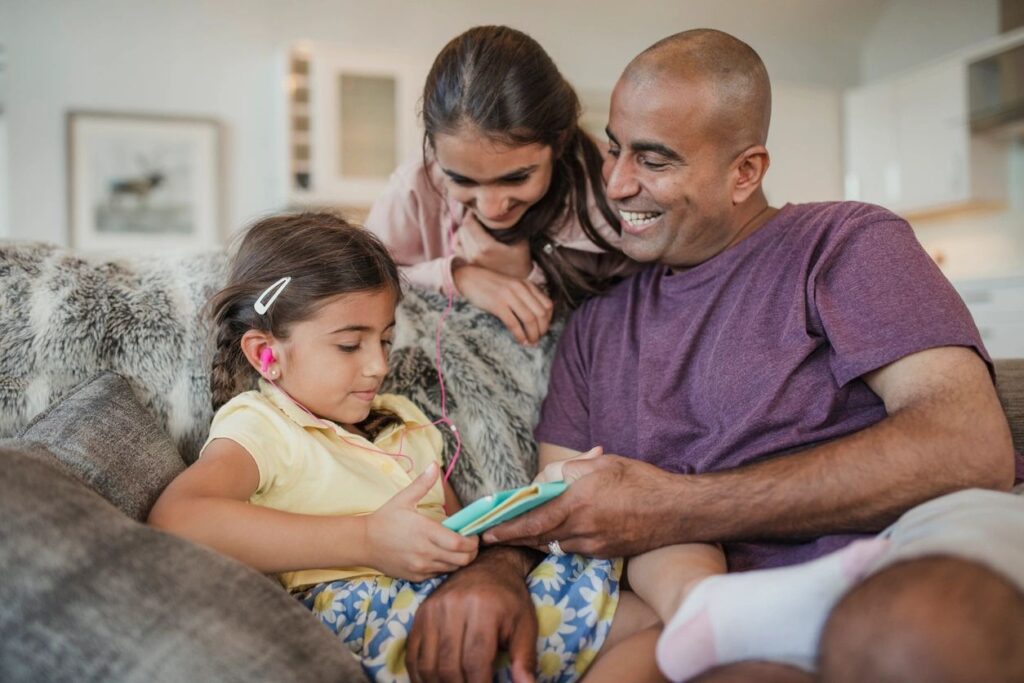
Screen Time Guidelines: When to Introduce Your Child to Digital Devices

What’s the Earliest Age You Should Expose Your Kids to Screens?

Written by: Therapy Near Me Editorial Team Clinically reviewed by: qualified members of the Therapy Near Me clinical team Last updated: 07/09/2025 This article is intended as general information only and does not replace personalised medical or mental health advice. Learn more about our Editorial Policy. In an era where digital devices are ubiquitous, parents often grapple with the question of when it is appropriate to introduce their children to screens. The impact of early screen exposure on a child’s development has been a topic of considerable research and debate. This article examines the current understanding and guidelines regarding screen time for young children. Current Recommendations and Research The American Academy of Pediatrics (AAP) recommends avoiding the use of screen media (other than video chatting) for children younger than 18 months. For children aged 18 to 24 months, they suggest watching high-quality programming with a caregiver to help understand what they’re seeing (AAP, 2016). Implications of Early Screen Exposure Cognitive Development: Early and excessive screen exposure has been linked to attention problems, cognitive delays, and impaired learning. Zimmerman et al. (2007) found that each hour of television watched per day at ages 1-3 increases the risk of attention problems at age 7. Language Development: Screens can also impact language development. A study by Christakis et al. (2009) indicated that exposure to baby DVDs/videos in infants aged 8 to 16 months was associated with lower scores on a standard language development test. Sleep Patterns: Screen use can affect sleep. Research by Cheung et al. (2017) suggests that screen time before bed can lead to delayed bedtime, reduced sleep duration, and increased sleep problems. Physical Health: Excessive screen time is associated with a higher risk of obesity in children due to reduced physical activity and increased exposure to food advertising (Garrison et al., 2011). Balancing Screen Time and Development While screens are an integral part of modern life, balance is key. Here are some tips for parents: Set Limits: Establish rules for screen time, including when and where screens can be used. Interactive and Educational Content: Choose high-quality, age-appropriate, and educational content. Co-Viewing: Watch with your children and talk about what they are seeing to enhance understanding. Encourage Other Activities: Promote a range of non-screen activities, including outdoor play, reading, and creative play. Conclusion While screens are unavoidable in the modern world, delaying their introduction and moderating their use in early childhood is beneficial. Adhering to recommended guidelines and fostering a balanced approach to screen time can support healthier cognitive, language, and physical development in young children. References American Academy of Pediatrics (2016). Media and Young Minds. Pediatrics, 138(5), e20162591. Zimmerman, F. J., Christakis, D. A., & Meltzoff, A. N. (2007). Television and DVD/video viewing in children younger than 2 years. Archives of Pediatrics & Adolescent Medicine, 161(5), 473-479. Christakis, D. A., Gilkerson, J., Richards, J. A., Zimmerman, F. J., Garrison, M. M., Xu, D., … & Yapanel, U. (2009). Audible television and decreased adult words, infant vocalizations, and conversational turns: a population-based study. Archives of Pediatrics & Adolescent Medicine, 163(6), 554-558. Cheung, C. H., Bedford, R., Saez De Urabain, I. R., Karmiloff-Smith, A., & Smith, T. J. (2017). Daily touchscreen use in infants and toddlers is associated with reduced sleep and delayed sleep onset. Scientific Reports, 7, 46104. Garrison, M. M., Liekweg, K., & Christakis, D. A. (2011). Media use and child sleep: the impact of content, timing, and environment. Pediatrics, 128(1), 29-35. How to get in touch If you or your patient/NDIS clients need immediate mental healthcare assistance, feel free to get in contact with us on 1800 NEAR ME – admin@therapynearme.com.au.

What’s the Earliest Age You Should Expose Your Kids to Screens? Read More »

Spotting the Signs of Personality Disorders: A Psychological Guide

Do You Have a Personality Disorder? Understanding the Signs

Written by: Therapy Near Me Editorial Team Clinically reviewed by: qualified members of the Therapy Near Me clinical team Last updated: 11/07/2025 This article is intended as general information only and does not replace personalised medical or mental health advice. Learn more about our Editorial Policy. Personality disorders are a group of mental health conditions characterized by unhealthy patterns of thinking, functioning, and behaving. They can lead to significant distress or impairment in social, work, or other areas of functioning. This article provides an overview of personality disorders, common signs, and advice on seeking professional help, grounded in scientific research. What are Personality Disorders? Personality disorders are categorized into three clusters based on similar characteristics: Cluster A (Odd, Eccentric): Includes Paranoid, Schizoid, and Schizotypal Personality Disorders. Cluster B (Dramatic, Emotional, or Erratic): Includes Antisocial, Borderline, Histrionic, and Narcissistic Personality Disorders. Cluster C (Anxious, Fearful): Includes Avoidant, Dependent, and Obsessive-Compulsive Personality Disorders. These disorders are typically long-standing and affect multiple life areas. They can often be traced back to adolescence or early adulthood (American Psychiatric Association, 2013). Common Signs of Personality Disorders While signs can vary widely depending on the specific disorder, some common symptoms include: Inflexible and Pervasive Behaviour Patterns: Persistent patterns of thoughts, feelings, and behaviours that are significantly different from cultural expectations and cause distress or impairment (Skodol et al., 2002). Difficulties in Interpersonal Relationships: Problems in forming or maintaining relationships due to mistrust, social withdrawal, or inappropriate responses. Distorted Self-Image: Unstable or distorted views of oneself, which may affect moods, values, goals, and relationships. Impulsivity or Risk-Taking Behaviours: Especially noted in Cluster B disorders, impulsivity and failure to consider consequences can be a significant issue. Intense or Inappropriate Emotional Reactions: Difficulty controlling emotions leading to extreme reactions or mood swings. Chronic Feelings of Emptiness or Boredom: Persistent feelings of dissatisfaction, emptiness, or boredom. Diagnosing Personality Disorders Diagnosis of a personality disorder is complex and should only be made by a qualified mental health professional. It involves a comprehensive assessment of long-term patterns of functioning and symptoms. Various methods, including clinical interviews, observations, and standardized assessments, are used for diagnosis (Tyrer, 2014). Seeking Professional Help If you suspect you or a loved one may have a personality disorder: Consult a Mental Health Professional: A psychiatrist, psychologist, or other trained mental health professional can provide a diagnosis and discuss treatment options. Consider Psychotherapy: Psychotherapy is a primary treatment for personality disorders, often focusing on increasing self-awareness, improving relationships, and coping skills. Medication: In some cases, medication may be prescribed to manage specific symptoms or co-occurring disorders. Support Systems: Engage with supportive friends, family, or support groups that can provide understanding and assistance. Conclusion Personality disorders are serious mental health conditions that affect a person’s thinking, feeling, and behaving. Recognizing the signs can be the first step toward seeking help. Consultation with a mental health professional is crucial for an accurate diagnosis and appropriate treatment. With support and treatment, individuals with personality disorders can lead fulfilling lives. Take this quick self assessment References American Psychiatric Association. (2013). Diagnostic and statistical manual of mental disorders (5th ed.). Arlington, VA: American Psychiatric Publishing. Skodol, A. E., Gunderson, J. G., Pfohl, B., Widiger, T. A., Livesley, W. J., & Siever, L. J. (2002). The borderline diagnosis I: Psychopathology, comorbidity, and personality structure. Biological psychiatry, 51(12), 936-950. Tyrer, P. (2014). Personality Disorders and the DSM-5: Scientific and Extra-Scientific Factors. Journal of Personality Disorders, 28(1), 1-10. How to get in touch If you or your patient/NDIS clients need immediate mental healthcare assistance, feel free to get in contact with us on 1800 NEAR ME – admin@therapynearme.com.au.

Do You Have a Personality Disorder? Understanding the Signs Read More »

Unveiling the Zodiac's Shadows: Astrology's Untold Traits

The Dark Side of Your Zodiac Sign: What Astrology Doesnt Tell You

Written by: Therapy Near Me Editorial Team Clinically reviewed by: qualified members of the Therapy Near Me clinical team Last updated: 12/09/2025 This article is intended as general information only and does not replace personalised medical or mental health advice. Learn more about our Editorial Policy. Astrology, the study of the movements and relative positions of celestial bodies interpreted as having an influence on human affairs, has been a part of human culture for millennia. While often regarded as a harmless hobby, there’s a darker side to astrology that impacts psychological well-being. This article explores the psychological implications of following zodiac signs, examining the negative effects they can have on individuals and their decision-making processes. The Psychological Appeal of Astrology Astrology’s allure often lies in its offering of certainty in an uncertain world. It provides individuals with a framework for understanding themselves and others. However, this comes with a cost. The Forer effect, or Barnum effect, explains how individuals can give high accuracy ratings to descriptions of their personality that supposedly are tailored specifically to them, but are, in fact, vague and general enough to apply to a wide range of people (Forer, 1949). This effect is a cornerstone of why astrology can be so appealing yet psychologically misleading. Negative Impacts of Belief in Astrology Attribution Errors: Astrology can lead to a fundamental attribution error, where individuals attribute their behavior or personality traits to their zodiac signs, ignoring situational factors that might be more accurate explanations (Ross, 1977). Confirmation Bias: Followers of astrology often fall victim to confirmation bias, remembering predictions or descriptions that seemed accurate while forgetting those that were not (Nickerson, 1998). Self-limiting Beliefs: Astrology can foster self-limiting beliefs. For example, someone who believes they are a “typical Gemini” might limit their social interactions based on the traits associated with their sign, potentially hindering personal growth (Matute, 1996). Impact on Relationships: Belief in astrology can also affect relationships. For instance, someone might avoid or pursue relationships based on astrological compatibility, which lacks scientific basis (Vance, 1995). Anxiety and Fatalism: A heavy reliance on astrology can lead to increased anxiety and a sense of fatalism. Individuals might feel anxious about predicted events or helpless to change perceived astrologically determined outcomes (Hamilton, 2001). The Role of Critical Thinking To mitigate these negative effects, it’s important to foster critical thinking. Critical thinking involves analyzing and evaluating an argument or statement based on evidence and logic, rather than accepting it at face value (Halpern, 1998). Encouraging individuals to critically evaluate astrological claims can help them understand the lack of scientific evidence behind astrology and its generalizations. Conclusion While astrology can be entertaining, its psychological impact is not entirely benign. The belief in zodiac signs and their influence can lead to cognitive biases, self-limiting beliefs, and anxiety. Understanding the psychological mechanisms behind astrology’s appeal is crucial in mitigating its negative effects. Encouraging critical thinking and an evidence-based approach to understanding personality and human behavior is essential for psychological well-being. References Forer, B.R. (1949). The fallacy of personal validation: A classroom demonstration of gullibility. Journal of Abnormal Psychology, 44(1), 118–123. Ross,L. (1977). The intuitive psychologist and his shortcomings: Distortions in the attribution process. In L. Berkowitz (Ed.), Advances in experimental social psychology (Vol. 10, pp. 173-220). Academic Press. Nickerson, R.S. (1998). Confirmation bias: A ubiquitous phenomenon in many guises. Review of General Psychology, 2(2), 175-220. Matute, H. (1996). Illusion of control: Detecting response-outcome independence in analytic but not in naturalistic conditions. Psychological Science, 7(5), 289-293. Vance, T. (1995). The influence of astrological belief on psychological well-being. Journal of Social Psychology, 135(5), 619-620. Hamilton, J. (2001). The psychology of astrology belief: A review and theoretical model. Personality and Individual Differences, 30(7), 1155-1168. Halpern, D.F. (1998). Teaching critical thinking for transfer across domains. American Psychologist, 53(4), 449-455. How to get in touch If you or your patient/NDIS clients need immediate mental healthcare assistance, feel free to get in contact with us on 1800 NEAR ME – admin@therapynearme.com.au.

The Dark Side of Your Zodiac Sign: What Astrology Doesnt Tell You Read More »

Building Better Social Skills: Expert Psychological Advice

Developing Good Social Skills: Tips From a Psychologist

Written by: Therapy Near Me Editorial Team Clinically reviewed by: qualified members of the Therapy Near Me clinical team Last updated: 13/09/2025 This article is intended as general information only and does not replace personalised medical or mental health advice. Learn more about our Editorial Policy. Social skills are the tools that enable people to communicate, learn, ask for help, make friends, and interact with others. Good social skills are fundamental to successful communication and can significantly impact personal, academic, and professional success. This article will delve into the importance of social skills and strategies to enhance them, drawing on scientific research. Understanding Social Skills Social skills encompass a wide range of behaviors and techniques that facilitate positive interactions and effective communication with others. They include verbal and non-verbal communication, such as speech, gesture, facial expression, and body language, as well as the ability to listen, understand social cues, share, cooperate, and resolve conflicts (Segrin, 2001). The Importance of Social Skills Good social skills are crucial for several reasons: Relationship Building: They are vital in forming healthy personal and professional relationships. Academic and Professional Success: Effective communication and teamwork are highly valued in educational settings and the workplace. Mental Health: Positive social interactions can improve mental health and reduce the risk of disorders such as depression and anxiety (Greco & Morris, 2005). Strategies for Developing Social Skills Practice Active Listening: Active listening involves fully concentrating on what is being said rather than just passively hearing the message. It improves mutual understanding in communication (Hoppe, 2006). Understand Non-Verbal Cues: Non-verbal communication such as facial expressions, body language, and tone of voice provides a lot of information in social interactions. Being attuned to these signals and responding appropriately is a key social skill (Mehrabian, 1972). Engage in Positive Self-Talk: Confidence in social situations can be bolstered by positive self-talk, which reduces anxiety and improves performance in challenging social interactions (Wood & Locke, 1987). Develop Empathy: Empathy involves understanding and sharing the feelings of others. It helps to build deep, personal relationships and to communicate more effectively (Cuff et al., 2016). Learn Conflict Resolution Skills: Effective conflict resolution involves recognizing and addressing differences in a fair and positive way. It is crucial for maintaining healthy relationships and teamwork (Deutsch, 1994). Participate in Social Skills Training Programs: Such programs can provide direct, systematic instruction in social skills, using modeling, rehearsal, and feedback to teach appropriate behaviors (Spence, 2003). Seek Feedback and Reflect: Encourage others to provide honest feedback on your social interactions and reflect on this feedback to understand areas for improvement. Conclusion Developing good social skills is a lifelong process that can enhance one’s quality of life, relationships, and career prospects. By understanding the importance of these skills and actively working to improve them through strategies like active listening, understanding non-verbal cues, and engaging in empathy, individuals can effectively navigate the social world and build meaningful connections. Take this quick self assessment References Segrin, C. (2001). Social skills deficits associated with depression. Clinical Psychology Review, 21(3), 379-403. Greco, L. A., & Morris, T. L. (2005). Factors influencing the link between social anxiety and peer acceptance: Contributions of social skills and close friendships during middle childhood. Behavior Therapy, 36(2), 197-205. Hoppe, M. H. (2006). Active listening: Improve your ability to listen and lead. Center for Creative Leadership. Mehrabian, A. (1972). Nonverbal communication. Aldine-Atherton. Wood, J. V., & Locke, E. A. (1987). The relation of self-efficacy and grade goals to academic performance. Educational and Psychological Measurement, 47(4), 1013-1024. Cuff, B. M., Brown, S. J., Taylor, L., & Howat, D. J. (2016). Empathy: A review of the concept. Emotion Review, 8(2), 144-153. Deutsch, M. (1994). Constructive conflict resolution: Principles, training, and research. Journal of Social Issues, 50(1), 13-32. Spence, S. H. (2003). Social skills training with children and young people: Theory, evidence and practice. Child and Adolescent Mental Health, 8(2), 84-96. How to get in touch If you or your patient/NDIS clients need immediate mental healthcare assistance, feel free to get in contact with us on 1800 NEAR ME – admin@therapynearme.com.au.

Developing Good Social Skills: Tips From a Psychologist Read More »

Signs of High Intelligence: A Psychologist’s Perspective

Written by: Therapy Near Me Editorial Team Clinically reviewed by: qualified members of the Therapy Near Me clinical team Last updated: 14/09/2025 This article is intended as general information only and does not replace personalised medical or mental health advice. Learn more about our Editorial Policy. Intelligence is a complex and multifaceted construct that encompasses various cognitive abilities and traits. While it’s traditionally measured by quantitative means like IQ tests, psychologists recognise that signs of high intelligence manifest in various qualitative aspects of behavior and thought processes. This article explores some of these signs based on psychological research. Cognitive and Behavioral Markers of High Intelligence Curiosity and Openness to Experience: Individuals with high intelligence often exhibit a deep level of curiosity about the world around them. They seek new experiences and enjoy complex problems. Studies have found a correlation between intelligence and openness to experience (DeYoung, 2011). Adaptability: High intelligence is often associated with the ability to adapt to new situations and quickly learn from experiences. Adaptable individuals can think on their feet and navigate complex situations with ease (Sternberg, 1985). Critical Thinking and Skepticism: Highly intelligent people tend to be critical thinkers who approach claims and situations with a questioning mindset. They are often skeptical of information until they’ve analysed it thoroughly (Toplak, West, & Stanovich, 2013). Emotional Intelligence: Beyond cognitive intelligence, emotional intelligence, which involves recognising and managing one’s own emotions as well as those of others, is often higher in individuals with high intelligence. This encompasses empathy, emotional regulation, and social skills (Mayer & Salovey, 1997). Metacognition: Metacognition, or thinking about one’s own thinking processes, is a hallmark of high intelligence. It involves self-awareness of cognitive biases, strengths, and weaknesses and the ability to reflect on one’s thought processes (Flavell, 1979). Problem-Solving Abilities: High intelligence is often demonstrated through advanced problem-solving skills. Individuals with high intelligence are not only good at solving problems but are also innovative in finding multiple ways to approach complex issues (Sternberg & Davidson, 1982). Memory and Speed of Processing: High intelligence individuals typically have a well-developed memory and can process information rapidly and accurately. This aids in learning new information, recognising patterns, and making connections between different pieces of information (Jensen, 2006). Humor and Wit: Surprisingly, a good sense of humor, especially the ability to understand and create complex and subtle humor, is often associated with higher intelligence. Wit requires linguistic skills, quick thinking, and an ability to make connections, all signs of intelligence (Greengross & Miller, 2011). Conclusion High intelligence manifests in various cognitive and behavioral traits. From curiosity and adaptability to critical thinking and emotional intelligence, the signs are diverse and multifaceted. Understanding these traits not only helps in identifying intelligence but also provides insight into the broader spectrum of human cognitive abilities and potential. References DeYoung, C. G. (2011). Intelligence and personality. In R. J. Sternberg & S. B. Kaufman (Eds.), The Cambridge handbook of intelligence (pp. 711-737). Cambridge University Press. Sternberg, R. J. (1985). Beyond IQ: A triarchic theory of human intelligence. Cambridge University Press. Toplak, M. E., West, R. F., & Stanovich, K. E. (2013). Practicing what we preach in the teaching of critical thinking. In D. Fasko & W. Robinson (Eds.), Critical thinking and reasoning: Current research, theory, and practice (pp. 15-33). Hampton Press. Mayer, J. D., & Salovey, P. (1997). What is emotional intelligence? In P. Salovey & D. Sluyter (Eds.), Emotional development and emotional intelligence: Educational implications (pp. 3-31). Basic Books. Flavell, J. H. (1979). Metacognition and cognitive monitoring: A new area of cognitive-developmental inquiry. American Psychologist, 34(10), 906. Sternberg, R. J., & Davidson, J. E. (1982). The mind of the puzzler. Psychology Today, 16(6), 37-44. Jensen, A. R. (2006). Clocking the mind: Mental chronometry and individual differences. Elsevier. Greengross, G., & Miller, G. F. (2011). Humor ability reveals intelligence, predicts mating success, and is higher in males. Intelligence, 39(4), 188-192. How to get in touch If you or your patient/NDIS clients need immediate mental healthcare assistance, feel free to get in contact with us on 1800 NEAR ME – admin@therapynearme.com.au.

Signs of High Intelligence: A Psychologist’s Perspective Read More »

Psychologist Teaches You How to Fall Asleep at Night

Written by: Therapy Near Me Editorial Team Clinically reviewed by: qualified members of the Therapy Near Me clinical team Last updated: 29/11/2025 This article is intended as general information only and does not replace personalised medical or mental health advice. Learn more about our Editorial Policy. Difficulty in falling asleep, known as insomnia, affects many people globally. Psychological interventions, primarily based on Cognitive Behavioural Therapy (CBT), have proven effective in addressing sleep problems. This article outlines psychologist-recommended strategies, supported by scientific research, to help you fall asleep faster and enjoy better sleep quality. Understanding the Psychology of Sleep Insomnia often stems from anxiety, stress, or poor sleep habits. Psychological approaches focus on altering these underlying cognitive and behavioural patterns. Research by Morin and colleagues (2015) highlights the effectiveness of CBT in treating insomnia, offering techniques that can be applied to improve sleep. Proven Strategies to Fall Asleep Develop a Sleep Routine: Consistency is key in signalling your body to prepare for sleep. Establishing a regular bedtime and wake-up time helps regulate your body’s internal clock (Irish et al., 2015). Create a Relaxing Sleep Environment: Your bedroom should be a sanctuary for sleep. Ensure it is quiet, dark, and at a comfortable temperature. Consider using earplugs or blackout curtains if needed. Limit Screen Time Before Bed: The blue light emitted by screens can interfere with the production of melatonin, the hormone that regulates sleep. Avoid screens at least an hour before bed to help your body prepare for sleep (Chang et al., 2015). Mindfulness and Relaxation Techniques: Techniques such as deep breathing, progressive muscle relaxation, and mindfulness meditation can reduce stress and promote relaxation, making it easier to fall asleep (Black et al., 2015). Cognitive Restructuring: Addressing negative beliefs and worries about sleep is crucial. Replacing thoughts like “I’ll never fall asleep” with “My body knows how to rest” can reduce anxiety related to sleep (Harvey, 2002). Controlled Exposure to Daylight: Natural light exposure, especially in the morning, can help regulate your sleep-wake cycle. Aim to get sunlight exposure for at least 30 minutes each day (Boivin et al., 1996). Physical Activity: Regular exercise improves sleep quality, but it’s best to avoid vigorous workouts close to bedtime as they might energize you rather than relax you (Reid et al., 2010). Journaling: If you find your mind racing at night, try writing down your thoughts in a journal. This can help clear your mind and make it easier to fall asleep (Harvey & Payne, 2002). Avoid Caffeine and Heavy Meals Before Bed: Caffeine can stay in your system for several hours and disrupt your sleep. Similarly, heavy or spicy meals can cause discomfort and affect sleep (Drake et al., 2013). Conclusion Implementing these psychologist-recommended strategies can significantly improve your ability to fall asleep. Remember, habits take time to form, so consistency is key. If sleep difficulties persist, it may be helpful to consult a healthcare professional for further guidance. References Morin, C. M., et al. (2015). Cognitive Behavioral Therapy, singly and combined with medication, for persistent insomnia. JAMA, 313(19), 1950-1958. Irish, L. A., et al. (2015). The role of sleep hygiene in promoting public health: A review of empirical evidence. Sleep Medicine Reviews, 22, 23-36. Chang, A. M., et al. (2015). Evening use of light-emitting eReaders negatively affects sleep, circadian timing, and next-morning alertness. Proceedings of the National Academy of Sciences, 112(4), 1232-1237. Black, D. S., et al. (2015). Mindfulness meditation and improvement in sleep quality and daytime impairment among older adults with sleep disturbances: A randomized clinical trial. JAMA Internal Medicine, 175(4), 494-501. Harvey, A. G. (2002). A cognitive model of insomnia. Behaviour Research and Therapy, 40(8), 869-893. Boivin, D. B., et al. (1996). Effects of natural and artificial light on circadian rhythms. How to get in touch If you or your patient/NDIS clients need immediate mental healthcare assistance, feel free to get in contact with us on 1800 NEAR ME – admin@therapynearme.com.au.

Psychologist Teaches You How to Fall Asleep at Night Read More »

Detecting Dislike: Psychological Indicators of Hidden Animosity.

How to Know If Someone Secretly Dislikes You

Written by: Therapy Near Me Editorial Team Clinically reviewed by: qualified members of the Therapy Near Me clinical team Last updated: 09/09/2025 This article is intended as general information only and does not replace personalised medical or mental health advice. Learn more about our Editorial Policy. Detecting if someone secretly harbours negative feelings towards you can be challenging. While direct confrontation is rare, certain psychological and behavioural cues might indicate hidden animosity. This article delves into the subtle signs of dislike or hatred, drawing upon psychological research. Understanding Hidden Dislike Hidden dislike or hatred often manifests in subtle, indirect ways. People may mask their true feelings due to social norms, fear of conflict, or to maintain a façade of politeness. Recognising these signs involves understanding both verbal and non-verbal communication cues. Signs Someone May Secretly Dislike You Backhanded Compliments: These are compliments that actually contain a critical element. For example, someone might say, “You’re smarter than you look.” This can indicate hidden animosity or jealousy (Sigmund Freud’s concept of “Freudian slips” might apply here, where people say something that unintentionally reveals their subconscious thoughts). Exclusion from Groups or Activities: If you notice a pattern of being left out from meetings, gatherings, or conversations, it might indicate that someone prefers not to have you around (Williams, 2007). Lack of Eye Contact or Physical Distance: Non-verbal cues like avoiding eye contact, turning their body away from you, or maintaining physical distance can signal discomfort or dislike (Mehrabian, 1971). Overly Critical or Negatively Biased: Someone who dislikes you might be overly critical of your actions, ideas, or appearance, often focusing on negatives and ignoring positives (Baumeister et al., 2001). Sudden Change in Behaviour: If someone’s attitude towards you changes abruptly without a clear reason, it might reflect hidden negative feelings. Passive Aggressive Behaviour: This can include sarcasm, procrastinating on tasks that benefit you, or subtle digs disguised as jokes. Reluctance to Help: A lack of willingness to help or collaborate can be a sign that someone does not favour you, especially if they are generally cooperative with others. Interpreting the Signs It’s important to approach these signs with caution: Context Matters: Understand the context and the person’s usual behaviour before jumping to conclusions. Someone might be having a bad day or be naturally reserved, which can be mistaken for dislike. Consider Cultural Differences: Non-verbal cues can vary significantly across cultures. What might be a sign of dislike in one culture could be normal behaviour in another. Communication is Key: If you’re unsure about someone’s feelings towards you, consider addressing the issue directly in a non-confrontational manner. Conclusion Detecting hidden dislike requires a keen understanding of both verbal and non-verbal cues. However, it’s crucial to consider the broader context and not to jump to conclusions based on isolated incidents. Effective communication and understanding of interpersonal dynamics are key to navigating complex social relationships. References Freud, S. (1901). The Psychopathology of Everyday Life. Monograph. Williams, K. D. (2007). Ostracism: The kiss of social death. Social and Personality Psychology Compass, 1(1), 236-247. Mehrabian, A. (1971). Silent messages. Wadsworth. Baumeister, R. F., Smart, L., & Boden, J. M. (2001). Relation of threatened egotism to violence and aggression: The dark side of high self-esteem. Psychological Review, 103(1), 5. How to get in touch If you or your patient/NDIS clients need immediate mental healthcare assistance, feel free to get in contact with us on 1800 NEAR ME – admin@therapynearme.com.au.

How to Know If Someone Secretly Dislikes You Read More »

Youth Mental Health in Crisis: Urgent Call for Action

Youth Mental Health Crisis: A Growing Concern

Written by: Therapy Near Me Editorial Team Clinically reviewed by: qualified members of the Therapy Near Me clinical team Last updated: 14/06/2025 This article is intended as general information only and does not replace personalised medical or mental health advice. Learn more about our Editorial Policy. In recent years, there has been an alarming increase in mental health issues among the youth. This rise in mental health problems is often referred to as the youth mental health crisis. It encompasses a range of issues, from anxiety and depression to more severe psychiatric disorders. This article examines the current state of youth mental health, its causes, and potential interventions, drawing upon scientific research. The Current State of Youth Mental Health Studies have shown a significant increase in mental health problems among young people. According to Kessler et al. (2012), mental disorders are the leading cause of disability in youth. The World Health Organization (WHO) has identified mental health conditions as a major cause of illness and disability among 10-19 year-olds globally. Causes of the Mental Health Crisis Several factors contribute to the mental health crisis among young people: Social Media and Technology: The rise of digital technology and social media has been linked to increased rates of anxiety and depression in young people. Twenge and Campbell (2018) reported a strong association between screen time and decreased psychological well-being among adolescents. Academic Pressure and Stress: The increasing pressure to perform academically and secure a successful future can contribute to stress and anxiety. A study by Suldo et al. (2015) found a correlation between academic stress and mental health problems in high school students. Economic Factors: Economic uncertainty and concerns about future employment prospects can also impact young people’s mental health. Fryers and Brugha (2013) highlighted the impact of socioeconomic status on mental health outcomes. Family Dynamics: Family relationships and dynamics play a significant role in youth mental health. Parental conflict, divorce, and other family issues have been linked to a higher risk of mental health problems (Harold and Sellers, 2018). Interventions and Solutions Addressing the youth mental health crisis requires a multifaceted approach: Improved Access to Mental Health Services: Providing accessible and youth-friendly mental health services is crucial. The Mental Health Foundation (2019) emphasises the need for early intervention and accessible services for young people. Education and Awareness: Schools and communities need to increase awareness and education about mental health. This includes incorporating mental health education into school curricula and promoting open discussions about mental health (Kutcher et al., 2016). Supportive Family and Community Environments: Creating supportive family and community environments can foster positive mental health. This involves parental education and community-based support systems (Leavey, 2017). Policy and Funding: Governments need to allocate sufficient resources and develop policies that prioritize youth mental health. This includes funding for mental health services and research into effective interventions (Patel et al., 2018). Conclusion The youth mental health crisis is a complex and growing concern that requires urgent attention from healthcare providers, educators, policymakers, and communities. By understanding the causes and implementing effective interventions, we can work towards improving the mental health and well-being of young people. References Kessler, R. C., et al. (2012). The global burden of mental disorders: An update from the WHO World Mental Health (WMH) surveys. Epidemiologia e psichiatria sociale, 21(1), 23-33. Twenge, J. M., & Campbell, W. K. (2018). Associations between screen time and lower psychological well-being among children and adolescents: Evidence from a population-based study. Preventive Medicine Reports, 12, 271-283. Suldo, S. M., Shaunessy-Dedrick, E., Ferron, J., & Dedrick, R. F. (2015). Predictors of mental health in high-achieving high school students. Gifted Child Quarterly, 59(2), 108-123. Fryers, T., & Brugha, T. (2013). Childhood determinants of adult psychiatric disorder. Clinical Practice and Epidemiology in Mental Health, 9, 1-50. Harold, G. T., & Sellers, R. (2018). Annual Research Review: Interparental conflict and youth psychopathology: An evidence review and practice focused update. Journal of Child Psychology and Psychiatry, 59(4), 374-402. Mental Health Foundation. (2019). Mental health statistics: Children and young people. [online] Available at: [https://www.mentalhealth.org.uk/statistics/mental-health-statistics-children-and-young-people]. Kutcher, S., Wei, Y., & Coniglio, C. (2016). Mental health literacy: Past, present, and future. Canadian Journal of Psychiatry, 61(3), 154-158. Leavey, J. (2017). Supporting the mental health of children and young people in care: The role of the foster carer. Clinical Child Psychology and Psychiatry, 22(4), 569-579. Patel, V., Saxena, S., Lund, C., Thornicroft, G., Baingana, F., Bolton, P., … & UnÜtzer, J. (2018). The Lancet Commission on global mental health and sustainable development. The Lancet, 392(10157), 1553-1598. How to get in touch If you or your patient/NDIS clients need immediate mental healthcare assistance, feel free to get in contact with us on 1800 NEAR ME – admin@therapynearme.com.au.

Youth Mental Health Crisis: A Growing Concern Read More »

Musical Preferences: What They Reveal About Your Psychology

What Does Your Music Taste Say About You?

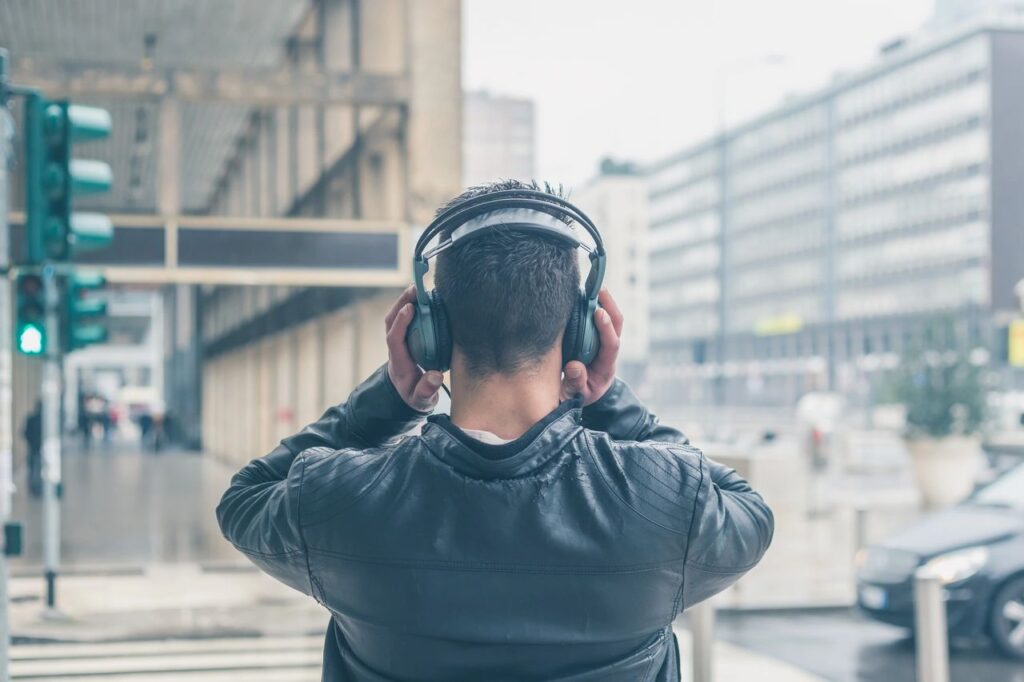
Music preferences are often seen as reflections of our personality. Psychological research has delved into this subject, attempting to draw correlations between the types of music people enjoy and their personality traits. This article explores what your music taste might indicate about you, based on scientific studies. The Psychology of Music Preferences Music is a universal language that can convey emotions and evoke reactions. According to Rentfrow and Gosling (2003), individuals tend to prefer music styles that resonate with their own personality traits. Their study categorised music preferences into four broad dimensions: reflective and complex, intense and rebellious, upbeat and conventional, and energetic and rhythmic. Music Genres and Personality Traits Reflective and Complex (Classical, Jazz, Blues): People who prefer these genres tend to be open to new experiences, creative, and have a strong liking for variety. They are often introspective and emotionally stable (Feist, 1998). Intense and Rebellious (Rock, Alternative, Heavy Metal): Fans of these music styles are often open to new experiences but might also exhibit higher levels of rebelliousness and a need for uniqueness. They could be less agreeable and less conscientious (Schäfer and Mehlhorn, 2017). Upbeat and Conventional (Country, Pop, Religious): Individuals who enjoy these genres often exhibit high levels of extraversion, are agreeable, and conscientious. They may prefer familiarity over novelty and value social relationships (Rentfrow & Gosling, 2006). Energetic and Rhythmic (Hip-hop, Electronic, Dance): Fans of these music types are usually extraverted, agreeable, and open to new experiences. They tend to enjoy excitement and are often energetic themselves (Rentfrow & Gosling, 2003). Cultural and Social Influences It’s important to note that cultural and social factors also play a significant role in shaping music preferences. Exposure to certain music genres from a young age, cultural background, and peer influence can all impact individual music choices (North & Hargreaves, 2008). Conclusion While there appears to be a link between music preferences and personality traits, it’s essential to remember that music taste is subjective and influenced by a wide range of factors, including cultural and social aspects. Enjoying a particular genre of music does not definitively determine one’s personality but can offer insights into individual traits and preferences. References Rentfrow, P. J., & Gosling, S. D. (2003). The do re mi’s of everyday life: The structure and personality correlates of music preferences. Journal of Personality and Social Psychology, 84(6), 1236-1256. Feist, G. J. (1998). A meta-analysis of personality in scientific and artistic creativity. Personality and Social Psychology Review, 2(4), 290-309. Schäfer, K., & Mehlhorn, C. (2017). Can personality traits predict musical style preferences? A meta-analysis. Personality and Individual Differences, 116, 265-273. Rentfrow, P. J., & Gosling, S. D. (2006). Message in a ballad: The role of music preferences in interpersonal perception. Psychological Science, 17(3), 236-242. North, A. C., & Hargreaves, D. J. (2008). The social and applied psychology of music. Oxford University Press. How to get in touch If you or your patient/NDIS clients need immediate mental healthcare assistance, feel free to get in contact with us on 1800 NEAR ME – admin@therapynearme.com.au.

What Does Your Music Taste Say About You? Read More »

wpChatIcon

Book An Appointment