
Therapy Near Me

Uncategorized

Unlocking the Power of the Subconscious: Psychological Techniques for Deeper Self-Understanding

Unlock Your Subconscious Mind with These Simple Steps

Written by: Therapy Near Me Editorial Team Clinically reviewed by: qualified members of the Therapy Near Me clinical team Last updated: 10/07/2025 This article is intended as general information only and does not replace personalised medical or mental health advice. Learn more about our Editorial Policy. The subconscious mind is a powerful entity, operating below the level of conscious awareness. It influences our thoughts, feelings, and actions in ways we might not be fully aware of. Unlocking its power can lead to profound changes in how we approach our goals, relationships, and personal development. Drawing on scientific research, this article outlines practical steps to harness the potential of your subconscious mind. Understanding the Subconscious Mind The subconscious mind stores our beliefs, previous experiences, memories, skills, and all the situations we’ve been through and the emotions they’ve elicited. It’s responsible for automatic processes like breathing but also plays a crucial role in shaping our conscious experiences through the beliefs and attitudes it holds (Eagleman, D., 2011). Steps to Harness Your Subconscious Mind Positive Affirmations: Repeating positive affirmations daily can reprogram your subconscious mind by reinforcing positive beliefs and attitudes. Neuroscience research suggests that positive self-affirmation activates brain systems associated with self-related processing and reward, thus potentially influencing behavior (Cascio, C.N., et al., 2016). Visualisation: Visualization is a powerful technique for engaging the subconscious mind. By creating vivid, detailed mental images of achieving your goals, you can stimulate the same neural networks that actual physical activity does, enhancing motivation and preparing you for success (Guillot, A., & Collet, C., 2008). Mindfulness and Meditation: Mindfulness meditation can increase awareness of subconscious thoughts and feelings, allowing you to identify and change underlying negative patterns. Research has shown that regular meditation can alter brain structures involved in attention, emotion regulation, and self-awareness (Hölzel, B.K., et al., 2011). Hypnotherapy: Hypnotherapy is a method of accessing the subconscious mind to introduce new thoughts, attitudes, and responses. Studies have demonstrated its effectiveness in treating various conditions, suggesting it can alter subconscious processes (Hammond, D.C., 2010). Sleep and Dream Analysis: The subconscious mind is highly active during sleep, processing and integrating experiences. Keeping a dream journal and reflecting on dream content can provide insights into subconscious concerns and desires (Stickgold, R., & Walker, M.P., 2013). Cognitive Behavioral Therapy (CBT): CBT techniques can help identify and challenge deep-seated subconscious beliefs influencing conscious thoughts and behaviors. By altering these beliefs, CBT can lead to lasting changes in behavior and emotional well-being (Hofmann, S.G., Asnaani, A., & Vonk, I.J.J., 2012). Set Specific Goals: The subconscious mind responds well to clear, specific goals. Writing down your goals and reviewing them regularly can help align your subconscious mind with your conscious objectives, enhancing motivation and focus (Locke, E.A., & Latham, G.P., 2002). Conclusion The subconscious mind is a powerful tool in shaping our lives, influencing our thoughts, behaviors, and emotions in profound ways. By employing techniques such as positive affirmations, visualisation, mindfulness, and goal setting, individuals can tap into this inner resource, unlocking a new realm of potential for personal growth and achievement. References Eagleman, D. (2011). Incognito: The Secret Lives of the Brain. Pantheon. Cascio, C.N., et al. (2016). “Self-affirmation activates brain systems associated with self-related processing and reward and is reinforced by future orientation.” Social Cognitive and Affective Neuroscience, 11(4), 621-629. Guillot, A., & Collet, C. (2008). “Construction of the Motor Imagery Integrative Model in Sport: A Review and Theoretical Investigation of Motor Imagery Use.” International Review of Sport and Exercise Psychology, 1(1), 31-44. Hölzel, B.K., et al. (2011). Mindfulness practice leads to increases in regional brain gray matter density.” Psychiatry Research: Neuroimaging, 191(1), 36-43. Hammond, D.C. (2010). Hypnosis in the treatment of anxiety– and stress-related disorders.” Expert Review of Neurotherapeutics, 10(2), 263-273. Stickgold, R., & Walker, M.P. (2013). “Sleep-dependent memory triage: evolving generalization through selective processing.” Nature Neuroscience, 16(2), 139-145. Hofmann, S.G., Asnaani, A., & Vonk, I.J.J. (2012). The Efficacy of Cognitive Behavioral Therapy: A Review of Meta-analyses.” Cognitive Therapy and Research, 36(5), 427-440. Locke, E.A., & Latham, G.P. (2002). Building a practically useful theory of goal setting and task motivation: A 35-year odyssey.” American Psychologist, 57(9), 705-717. How to get in touch If you or your patient/NDIS clients need immediate mental healthcare assistance, feel free to get in contact with us on 1800 NEAR ME – admin@therapynearme.com.au.

Unlock Your Subconscious Mind with These Simple Steps Read More »

Addressing QLD Youth Violence: A Psychological Perspective on Prevention and Intervention

QLD Youth Violence and Mental Health

Written by: Therapy Near Me Editorial Team Clinically reviewed by: qualified members of the Therapy Near Me clinical team Last updated: 12/07/2025 This article is intended as general information only and does not replace personalised medical or mental health advice. Learn more about our Editorial Policy. Youth violence in Queensland (QLD), Australia, has been a growing concern, with implications that extend beyond the immediate physical harm to encompass broader mental health challenges. This article explores the intricate link between youth violence and mental health issues within QLD, supported by scientific research and evidence. The aim is to shed light on this critical issue, highlighting the need for comprehensive approaches to address both violence and mental health concurrently. The Extent of Youth Violence in QLD Youth violence in QLD manifests in various forms, including physical altercations, bullying, and gang-related activities. A report by the Queensland Family and Child Commission (QFCC) has highlighted the prevalence of youth violence and its significant impact on communities and individuals (QFCC, 2020). These violent behaviours not only have immediate physical consequences but also contribute to a range of mental health issues among both perpetrators and victims. Mental Health Implications The relationship between youth violence and mental health is bidirectional. On one hand, experiencing or witnessing violence can lead to a plethora of mental health problems, including Post-Traumatic Stress Disorder (PTSD), anxiety, depression, and substance abuse. A study conducted by the Australian Institute of Criminology (AIC) found that exposure to violence significantly increases the risk of developing mental health disorders among young people (AIC, 2019). On the other hand, underlying mental health issues can also contribute to violent behaviours among youth. Adolescents with untreated mental health conditions, such as conduct disorder or ADHD, are at a higher risk of engaging in violent activities. The Queensland Mental Health Commission (QMHC) has emphasised the importance of early intervention and mental health support in preventing youth violence (QMHC, 2021). Social and Environmental Factors The interplay between social, economic, and environmental factors significantly influences the incidence of youth violence and associated mental health issues. Factors such as family dysfunction, socio-economic disadvantage, and exposure to community violence exacerbate the risk of both violence and mental health problems. Research by the University of Queensland (UQ) has demonstrated the critical role of these contextual factors in shaping the mental health outcomes of young people involved in violence (UQ, 2018). Strategies for Intervention Addressing the complex relationship between youth violence and mental health requires multifaceted strategies. The Queensland Government has launched initiatives aimed at early intervention, education, and community engagement to tackle youth violence and support mental health. Programs that focus on resilience building, conflict resolution skills, and mental health literacy are crucial in this endeavour. Furthermore, there is a need for targeted mental health services that are accessible and youth-friendly. Integrating mental health support with services addressing family support, education, and employment can provide a holistic approach to mitigating both violence and mental health issues among young Queenslanders. Conclusion Youth violence and mental health are deeply interconnected issues that demand a coordinated and comprehensive response. By understanding the underlying causes and contributing factors, stakeholders can develop more effective strategies to combat these challenges. Investing in mental health support, community-based interventions, and policy reforms are essential steps towards creating a safer and healthier future for QLD’s youth. References Queensland Family and Child Commission (QFCC). (2020). Report on youth violence in Queensland. Australian Institute of Criminology (AIC). (2019). Youth violence and mental health. Queensland Mental Health Commission (QMHC). (2021). Strategic plan for mental health in Queensland. University of Queensland (UQ). (2018). The impact of environmental factors on youth violence and mental health. How to get in touch If you or your patient/NDIS clients need immediate mental healthcare assistance, feel free to get in contact with us on 1800 NEAR ME – admin@therapynearme.com.au.

QLD Youth Violence and Mental Health Read More »

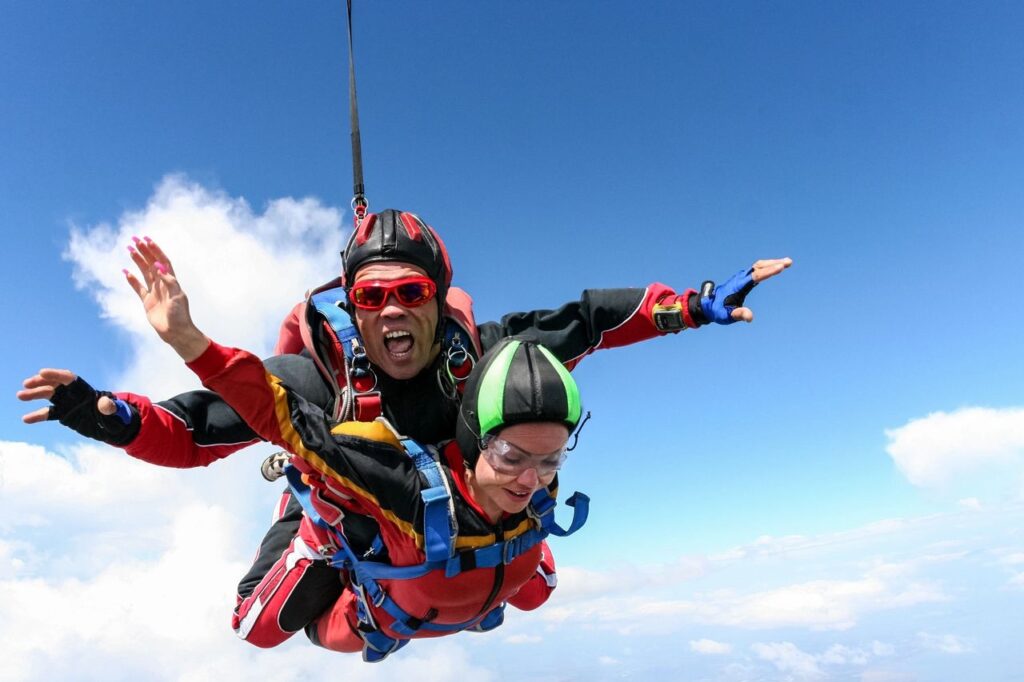
Overcoming Acrophobia: Psychological Approaches to Conquering Fear of Heights

Fear of Heights: Understanding Acrophobia

Written by: Therapy Near Me Editorial Team Clinically reviewed by: qualified members of the Therapy Near Me clinical team Last updated: 09/11.2025 This article is intended as general information only and does not replace personalised medical or mental health advice. Learn more about our Editorial Policy. Acrophobia, or the fear of heights, is a common anxiety disorder that can significantly impact an individual’s quality of life. It involves an excessive or irrational fear of high places, leading to avoidance behaviours and intense anxiety when confronted with height-related situations. This article delves into the characteristics, causes, and treatment options for acrophobia, drawing on scientific research. Characteristics of Acrophobia Acrophobia is characterized by a fear of heights that goes beyond normal apprehension. Individuals may experience vertigo, excessive sweating, trembling, and even panic attacks when exposed to heights or even thinking about them (Huppert et al., 2017). Causes of Acrophobia Evolutionary Perspective: Some researchers suggest that a fear of heights could be an evolutionary adaptation that helped early humans survive (Marks, 1987). Learned Experiences: Traumatic experiences related to heights, such as falling from a high place, can trigger the development of acrophobia (Oosterink et al., 2009). Genetic Factors: There is evidence to suggest that acrophobia, like other anxiety disorders, may have a genetic component, making some individuals more predisposed to developing the condition (Hettema et al., 2001). Treatment Options Cognitive-Behavioural Therapy (CBT): CBT is one of the most effective treatments for acrophobia. It involves exposure to the feared situation in a controlled manner, helping individuals gradually desensitize to heights (Wolitzky-Taylor et al., 2008). Virtual Reality Therapy: This innovative treatment uses virtual reality technology to safely expose individuals to heights. It has been shown to be an effective tool for reducing symptoms of acrophobia (Emmelkamp et al., 2002). Medication: While medication is not a primary treatment for acrophobia, it may be used to manage acute anxiety symptoms, particularly in severe cases (Baldwin et al., 2014). Conclusion Acrophobia is a treatable condition, with several effective interventions available. Understanding the causes and characteristics of this fear is the first step towards seeking help. With appropriate treatment, individuals can overcome their fear of heights and improve their quality of life. References Huppert, D., et al. (2017). The treatment of acrophobia with virtual reality exposure therapy. Behavioural and Cognitive Psychotherapy, 45(4), 329-339. Marks, I. M. (1987). Fears, Phobias, and Rituals. Oxford University Press. Oosterink, F. M. D., et al. (2009). Prevalence of dental fear and phobia relative to other fear and phobia subtypes. European Journal of Oral Sciences, 117(2), 135-143. Hettema, J. M., et al. (2001). A review and meta-analysis of the genetic epidemiology of anxiety disorders. American Journal of Psychiatry, 158(10), 1568-1578. Wolitzky-Taylor, K. B., et al. (2008). Cognitive-behavioral therapy for anxiety disorders: A meta-analysis of randomized controlled trials. Journal of Consulting and Clinical Psychology, 76(4), 531-542. Emmelkamp, P. M. G., et al. (2002). Virtual reality treatment versus exposure in vivo: A comparative evaluation in acrophobia. Behaviour Research and Therapy, 40(5), 509-516. Baldwin, D. S., et al. (2014). Evidence-based pharmacological treatment of anxiety disorders, post-traumatic stress disorder and obsessive-compulsive disorder: A revision of the 2005 guidelines from the British Association for Psychopharmacology. Journal of Psychopharmacology, 28(5), 403-439. How to get in touch If you or your patient/NDIS clients need immediate mental healthcare assistance, feel free to get in contact with us on 1800 NEAR ME – admin@therapynearme.com.au.

Fear of Heights: Understanding Acrophobia Read More »

The Genetic Roots of Psychological Disorders: Understanding Heredity and Mental Health

What Psychological Disorders Are Hereditary?

Written by: Therapy Near Me Editorial Team Clinically reviewed by: qualified members of the Therapy Near Me clinical team Last updated: 11/07/2025 This article is intended as general information only and does not replace personalised medical or mental health advice. Learn more about our Editorial Policy. The influence of genetics in the development of psychological disorders has been a subject of extensive research. Understanding the hereditary aspects of these disorders is crucial for early detection and intervention. This article explores which psychological disorders have a genetic component, drawing from scientific studies and research. Psychological Disorders with a Genetic Component Bipolar Disorder: Bipolar disorder is one of the most heritable psychological conditions. Studies suggest a strong genetic link, with heritability estimates ranging from 60-80% (Craddock & Sklar, 2013). Genome-wide association studies (GWAS) have identified several risk genes associated with bipolar disorder. Schizophrenia: Schizophrenia also has a significant genetic component, with heritability estimates around 80%. Research has identified multiple genetic variations that increase the risk of developing schizophrenia (Sullivan et al., 2012). Major Depressive Disorder (MDD): While the environment plays a crucial role in the development of depression, genetics also contribute significantly. Heritability estimates for MDD are around 37% (Sullivan et al., 2000). Autism Spectrum Disorder (ASD): ASD has a strong genetic basis, with heritability estimates exceeding 90% in some studies. Genetic research in autism has revealed a complex interplay of various genes and environmental factors (Geschwind, 2011). Attention-Deficit/Hyperactivity Disorder (ADHD): ADHD is another disorder with a substantial genetic component. Twin studies have indicated a heritability of around 76%. Several genes, particularly those involved in dopamine regulation, have been implicated in ADHD (Faraone et al., 2005). Anxiety Disorders: Anxiety disorders, including Generalized Anxiety Disorder (GAD) and Panic Disorder, have a moderate genetic component. Twin studies suggest a heritability rate of approximately 30-40% for these disorders (Hettema et al., 2001). Implications for Treatment and Prevention Understanding the genetic basis of psychological disorders can aid in the development of targeted treatments and preventive strategies. For instance, identifying individuals at high genetic risk for certain disorders can lead to early intervention and monitoring. Conclusion Genetic factors play a significant role in the development of various psychological disorders, including bipolar disorder, schizophrenia, MDD, ASD, ADHD, and anxiety disorders. While genetics provide a piece of the complex puzzle of these disorders, environmental factors also play a critical role in their manifestation and progression. References Craddock, N., & Sklar, P. (2013). Genetics of bipolar disorder: successful start to a long journey. Trends in Genetics, 25(2), 99-105. Sullivan, P. F., et al. (2012). Genetic architectures of psychiatric disorders: the emerging picture and its implications. Nature Reviews Genetics, 13(8), 537-551. Sullivan, P. F., et al. (2000). Genetic epidemiology of major depression: review and meta-analysis. American Journal of Psychiatry, 157(10), 1552-1562. Geschwind, D. H. (2011). Genetics of autism spectrum disorders. Trends in Cognitive Sciences, 15(9), 409-416. Faraone, S. V., et al. (2005). The scientific foundation for understanding attention-deficit/hyperactivity disorder as a valid psychiatric disorder. European Child & Adolescent Psychiatry, 14(1), 1-10. Hettema, J. M., et al. (2001). A review and meta-analysis of the genetic epidemiology of anxiety disorders. American Journal of Psychiatry, 158(10), 1568-1578. How to get in touch If you or your patient/NDIS clients need immediate mental healthcare assistance, feel free to get in contact with us on 1800 NEAR ME – admin@therapynearme.com.au.

What Psychological Disorders Are Hereditary? Read More »

Unveiling the Main Causes of PTSD in Australia: Psychological Insights and Support Strategies.

Main Causes of PTSD in Australia

Written by: Therapy Near Me Editorial Team Clinically reviewed by: qualified members of the Therapy Near Me clinical team Last updated: 08/10/2025 This article is intended as general information only and does not replace personalised medical or mental health advice. Learn more about our Editorial Policy. Post-Traumatic Stress Disorder (PTSD) is a significant mental health condition that arises following exposure to traumatic events. In Australia, the landscape of PTSD is shaped by a variety of factors, from individual experiences to large-scale disasters. This article delves into the most prevalent causes of PTSD within the Australian context, drawing upon scientific research and studies to provide a comprehensive understanding. Natural Disasters Australia’s unique geography makes it prone to a range of natural disasters, including bushfires, floods, cyclones, and severe storms. These events can have devastating impacts on communities, leading to significant psychological distress. Research has shown that exposure to natural disasters is a leading cause of PTSD among Australians. For instance, studies following the Black Saturday bushfires in 2009 revealed a marked increase in PTSD symptoms among affected populations (Bryant et al., 2020). The unpredictable nature and widespread damage of these events can leave lasting mental health impacts on survivors. Military and Defence Force Operations Military personnel and veterans represent another significant group affected by PTSD. The Australian Defence Force (ADF) acknowledges PTSD as a concern, with deployments to conflict zones being a key risk factor. Combat exposure, witnessing death, and the high-stress environment of military operations contribute to the prevalence of PTSD among veterans and serving members. The Australian Institute of Health and Welfare (AIHW) reports that veterans are at a higher risk of developing PTSD compared to the general population (AIHW, 2018). Sexual Assault and Violence Sexual assault and violence are profoundly traumatic experiences, with survivors facing a high risk of developing PTSD. In Australia, the rates of sexual violence and assault are concerning, with these experiences contributing significantly to the country’s PTSD statistics. The Australian Bureau of Statistics (ABS) National Survey of Mental Health and Wellbeing highlights that individuals who have experienced sexual assault are more likely to suffer from PTSD (ABS, 2017). First Responders and Emergency Services First responders, including police officers, firefighters, and paramedics, are exposed to traumatic events as part of their daily duties. The cumulative effect of this exposure places these individuals at a heightened risk of PTSD. Studies within Australian emergency services communities have identified high rates of PTSD symptoms, underscoring the need for targeted mental health support and interventions (McFarlane et al., 2017). Accidents and Personal Trauma Accidents, such as vehicle crashes and workplace incidents, along with personal traumas like the sudden death of a loved one, can also lead to PTSD. The sudden and shocking nature of these events can overwhelm an individual’s ability to cope, triggering PTSD in some cases. Research within Australia has shown that survivors of accidents and personal traumas constitute a significant portion of those living with PTSD (O’Donnell et al., 2016). Statistical Data According to Phoenix Australia, PTSD is the most common mental health disorder after depression, affecting about 5.5% of Australians at some point in their lives, translating to over 1.5 million Australians living with PTSD at any given time. Traumatic events leading to PTSD can affect anyone, with three in four Australians likely to experience such an event in their lifetime. These events can profoundly impact individuals’ physical and emotional well-being, altering their perception of themselves, their relationships, and their sense of safety in the world. However, recovery and renewal are possible with appropriate help and support​​. Compensation claims for PTSD in Australia highlight the variety of circumstances that can lead to the condition, providing insight into its common causes. PTSD claims may arise from traumatic events experienced in the workplace, particularly for those in high-risk professions such as police, emergency services, and military personnel. Other common causes include physical injuries that lead to PTSD, involvement in motor vehicle accidents, experiences of trauma in public places due to negligence, and injuries resulting from medical negligence. These situations underscore the diverse and complex nature of trauma that can lead to PTSD, necessitating tailored support and compensation for those affected​​. Conclusion The causes of PTSD in Australia are multifaceted, reflecting the complex interplay between individual vulnerabilities and external events. From natural disasters to personal traumas, the impact of these experiences on mental health cannot be understated. Recognising the prevalent causes of PTSD is crucial for developing effective prevention and treatment strategies. As Australia continues to face these challenges, supporting the mental health of those affected by PTSD remains a priority. References Bryant, R. A., et al. (2020). The psychological outcomes following the Victorian Black Saturday bushfires. Australian and New Zealand Journal of Psychiatry. Australian Institute of Health and Welfare (AIHW). (2018). Mental health services in Australia. Australian Bureau of Statistics (ABS). (2017). National Survey of Mental Health and Wellbeing: Summary of Results. McFarlane, A. C., et al. (2017). Prevalence of PTSD symptoms in emergency responders: Review. Journal of Nervous and Mental Disease. O’Donnell, M. L., et al. (2016). The impact of personal and environmental factors on the mental health outcomes of survivors of accidents and injuries. Journal of Trauma & Dissociation. How to get in touch If you or your patient/NDIS clients need immediate mental healthcare assistance, feel free to get in contact with us on 1800 NEAR ME – admin@therapynearme.com.au.

Main Causes of PTSD in Australia Read More »

Combating Loneliness: Psychological Techniques for Building Connections and Enhancing Well-being

How to Fight Loneliness: Strategies Backed by Science

Written by: Therapy Near Me Editorial Team Clinically reviewed by: qualified members of the Therapy Near Me clinical team Last updated: 13/12/2025 This article is intended as general information only and does not replace personalised medical or mental health advice. Learn more about our Editorial Policy. Loneliness, a subjective feeling of being alone or isolated, has been identified as a significant public health concern globally. It is not just about being physically alone but also about feeling disconnected from others. This article explores evidence-based strategies to combat loneliness, drawing upon scientific research. Understanding Loneliness Loneliness can affect anyone, regardless of their social situation or number of friends. It has been linked to various physical and mental health issues, including depression, anxiety, and increased risk of cardiovascular disease (Hawkley & Cacioppo, 2010). Strategies to Combat Loneliness Social Connections: Actively seeking social interactions is crucial. Engaging in community activities, clubs, or groups with shared interests can create meaningful connections (Lubben et al., 2015). Quality Over Quantity: Focus on deepening existing relationships rather than increasing the number of acquaintances. Meaningful relationships provide emotional support and a sense of belonging (Holt-Lunstad et al., 2010). Volunteering: Participating in volunteer work can reduce feelings of loneliness by fostering a sense of purpose and community engagement (Musick & Wilson, 2003). Physical Activity: Regular exercise, especially in group settings, can decrease feelings of loneliness and improve mental health by releasing endorphins and facilitating social interaction (Leigh-Hunt et al., 2017). Mindfulness and Meditation: Practicing mindfulness and meditation can help individuals cope with feelings of loneliness by improving their emotional regulation and reducing stress (Creswell et al., 2012). Digital Connectivity: Using social media and digital platforms wisely can help maintain connections, especially for those physically isolated. However, it’s essential to balance online interactions with face-to-face connections (Nowland et al., 2018). Seek Professional Help: For chronic loneliness, seeking help from mental health professionals can provide strategies to cope with and reduce feelings of isolation. Conclusion Combating loneliness requires a multifaceted approach that includes fostering social connections, engaging in community activities, prioritizing quality relationships, and maintaining physical and mental well-being. Recognising and addressing loneliness is vital for improving overall health and quality of life. References Hawkley, L. C., & Cacioppo, J. T. (2010). Loneliness Matters: A Theoretical and Empirical Review of Consequences and Mechanisms. Annals of Behavioral Medicine, 40(2), 218-227. Lubben, J., et al. (2015). Social Isolation, Loneliness, and Health in Old Age: A Scoping Review. Health & Social Care in the Community, 25(3), 799-812. Holt-Lunstad, J., et al. (2010). Social Relationships and Mortality Risk: A Meta-analytic Review. PLOS Medicine, 7(7), e1000316. Musick, M. A., & Wilson, J. (2003). Volunteering and Depression: The Role of Psychological and Social Resources in Different Age Groups. Social Science & Medicine, 56(2), 259-269. Leigh-Hunt, N., et al. (2017). An Overview of Systematic Reviews on the Public Health Consequences of Social Isolation and Loneliness. Public Health, 152, 157-171. Creswell, J. D., et al. (2012). Mindfulness-Based Stress Reduction Training Reduces Loneliness and Pro-inflammatory Gene Expression in Older Adults: A Small Randomized Controlled Trial. Brain, Behavior, and Immunity, 26(7), 1095-1101. Nowland, R., et al. (2018). Loneliness and Social Internet Use: Pathways to Reconnection in a Digital World? Perspectives on Psychological Science, 13(1), 70-87. How to get in touch If you or your patient/NDIS clients need immediate mental healthcare assistance, feel free to get in contact with us on 1800 NEAR ME – admin@therapynearme.com.au.

How to Fight Loneliness: Strategies Backed by Science Read More »

Questioning Memory Reliability: Psychological Insights into Why Memories May Deceive Us

Why You Can’t Trust Your Memories: The Shocking Truth

Written by: Therapy Near Me Editorial Team Clinically reviewed by: qualified members of the Therapy Near Me clinical team Last updated: 09/07/2025 This article is intended as general information only and does not replace personalised medical or mental health advice. Learn more about our Editorial Policy. Our memories play a crucial role in shaping our identity, guiding our decisions, and influencing our perceptions of the world. However, decades of psychological research reveal that memories are not as infallible as we might believe. This article explores the fascinating and sometimes unsettling reasons why our memories can be misleading, supported by scientific evidence. The Fallibility of Memory Memory is a reconstructive process, not a video recording that we play back whenever we need to recall something. Each time we remember an event, our brain reconstructs the memory, often incorporating new information or influenced by present emotions and beliefs. This process can lead to alterations in the original memory (Schacter, D.L., 1999). Misinformation Effect One of the most studied phenomena in the psychology of memory is the misinformation effect. It occurs when a person’s recall of episodic memories becomes less accurate due to post-event information. Elizabeth Loftus’ groundbreaking experiments demonstrated how easily external suggestions could lead to the formation of false memories (Loftus, E.F., & Palmer, J.C., 1974). Source Memory Errors Source memory errors occur when individuals can recall information but fail to remember where, when, or how they acquired it. This can lead to attributing memories to incorrect sources, further distorting our perception of past events (Johnson, M.K., et al., 1993). The Role of Emotion Emotionally charged events often result in more vivid and detailed memories, known as flashbulb memories. However, these memories are not immune to distortion. Studies have shown that while people recall these events with high confidence, their accuracy can be as flawed as memories of more mundane events (Talarico, J.M., & Rubin, D.C., 2003). Confabulation Confabulation is the production of fabricated, distorted, or misinterpreted memories without the intention to deceive. Often seen in cases of brain injury or psychiatric disorders, it highlights the brain’s capacity to fill in gaps in memory with false information to maintain a coherent narrative (Berlyne, N., 1972). The Impact of Suggestion Suggestibility plays a significant role in the malleability of memory. Simple suggestions, such as the wording of a question or exposure to incorrect information, can significantly alter an individual’s memory of an event (Loftus, E.F., 2005). Memory and Identity The implications of memory’s fallibility extend beyond misremembering details; they can impact our very sense of self. Our memories contribute to our life narrative, influencing how we view ourselves and our past. Alterations in this narrative can lead to changes in self-perception (Conway, M.A., & Pleydell-Pearce, C.W., 2000). Conclusion The understanding that memories are not as reliable as we might hope is both fascinating and disconcerting. It challenges our perception of reality and the accuracy of our personal histories. Recognisng the malleable nature of memory encourages a more critical approach to relying on recollections, emphasizing the importance of corroborative evidence in critical situations. References Schacter, D.L. (1999). The seven sins of memory: Insights from psychology and cognitive neuroscience.” American Psychologist, 54(3), 182-203. Loftus, E.F., & Palmer, J.C. (1974). “Reconstruction of automobile destruction: An example of the interaction between language and memory.” Journal of Verbal Learning and Verbal Behavior, 13(5), 585-589. Johnson, M.K., et al. (1993). “Source monitoring.” Psychological Bulletin, 114(1), 3-28. Talarico, J.M., & Rubin, D.C. (2003). “Confidence, not consistency, characterizes flashbulb memories.” Psychological Science, 14(5), 455-461. Berlyne, N. (1972). “Confabulation.” British Journal of Psychiatry, 120(557), 31-39. Loftus, E.F. (2005). “Planting misinformation in the human mind: A 30-year investigation of the malleability of memory.” Learning & Memory, 12(4), 361-366. Conway, M.A., & Pleydell-Pearce, C.W. (2000). “The construction of autobiographical memories in the self-memory system.” Psychological Review, 107(2), 261-288. How to get in touch If you or your patient/NDIS clients need immediate mental healthcare assistance, feel free to get in contact with us on 1800 NEAR ME – admin@therapynearme.com.au.

Why You Can’t Trust Your Memories: The Shocking Truth Read More »

Understanding FIFO Workers' Mental Health: Psychological Strains and Support Solutions

Mental Health Issues Among FIFO Workers: A Critical Assessment

Written by: Therapy Near Me Editorial Team Clinically reviewed by: qualified members of the Therapy Near Me clinical team Last updated: 09/08/2025 This article is intended as general information only and does not replace personalised medical or mental health advice. Learn more about our Editorial Policy. Fly-In Fly-Out (FIFO) work arrangements, common in industries like mining, oil, and gas, involve employees flying to remote work sites for extended periods before returning home. While financially rewarding, FIFO work can pose significant challenges to mental health. This article examines the mental health issues prevalent among FIFO workers, drawing upon scientific research. Mental Health Challenges Faced by FIFO Workers Social Isolation and Loneliness: Extended periods away from family and community can lead to feelings of isolation and loneliness among FIFO workers. Torkington et al. (2011) found that social isolation is a key stressor affecting the mental health of FIFO workers. Workplace Stress and Fatigue: The demanding nature of FIFO work, including long hours and intense physical labor, can lead to chronic stress and fatigue. This work-related stress is a significant factor contributing to mental health issues in FIFO workers (Henry et al., 2013). Disruption of Circadian Rhythms: The irregular schedules and night shifts commonly associated with FIFO work can disrupt circadian rhythms, impacting sleep patterns and mental health (Afonso et al., 2016). Substance Abuse: There is a higher risk of substance abuse, including alcohol and drug use, among FIFO workers, often used as coping mechanisms for stress and loneliness (James et al., 2018). The Impact on Mental Health Increased Risk of Depression and Anxiety: FIFO workers face an increased risk of developing depression and anxiety disorders due to the unique stressors of their work environment (Joyce et al., 2013). Suicidal Ideation: Studies have indicated a higher incidence of suicidal thoughts among FIFO workers compared to the general population (Lamontagne et al., 2018). Addressing Mental Health in FIFO Workers Mental Health Support Services: Providing accessible mental health support services, including counseling and stress management programs, at FIFO work sites is crucial. Work-Life Balance Initiatives: Employers should implement policies to promote work-life balance, such as reasonable work hours and ensuring adequate rest periods (Parkes, 2017). Community and Family Support: Strengthening community and family support networks for FIFO workers during their off-duty periods can help mitigate feelings of isolation (Torkington et al., 2011). Awareness and Education: Raising awareness about mental health issues and promoting a culture of openness can encourage FIFO workers to seek help when needed (Henry et al., 2013). Conclusion FIFO work arrangements, while economically beneficial, can pose significant mental health challenges. Addressing these requires a multi-faceted approach involving support services, employer policies, community support, and mental health awareness. Proactive measures are essential to safeguard the mental well-being of FIFO workers. References Torkington, A. M., et al. (2011). The mental health of FIFO workers: an overview. The Australian Journal of Rural Health, 19(2), 64-69. Henry, P., et al. (2013). The FIFO ‘lifestyle’: Its impact on the mental health of Australian mining employees. The Extractive Industries and Society, 1(1), 27-37. Afonso, P., et al. (2016). Impact of shift work on the health and safety of miners. Occupational Medicine, 66(7), 559-563. James, C., et al. (2018). Mental health of fly-in fly-out and other long-distance commuting workers in the Australian resources sector. Rural and Remote Health, 18(1), 1-13. Joyce, S., et al. (2013). Work-related stress in the mining sector: A systematic review. Journal of Health, Safety and Environment, 29(2), 169-197. Lamontagne, A. D., et al. (2018). Job strain, life events, and suicidal ideation in the Australian mining industry: The nexus of work, personal life, and mental health. BMC Public Health, 18(1), 922. Parkes, K. R. (2017). Shiftwork, job stress and health in the offshore oil industry. The Annals of Occupational Hygiene, 61(1), 17-29. How to get in touch If you or your patient/NDIS clients need immediate mental healthcare assistance, feel free to get in contact with us on 1800 NEAR ME – admin@therapynearme.com.au.

Mental Health Issues Among FIFO Workers: A Critical Assessment Read More »

Celebrity Influencers and Mental Health

Written by: Therapy Near Me Editorial Team Clinically reviewed by: qualified members of the Therapy Near Me clinical team Last updated: 12/07/2025 This article is intended as general information only and does not replace personalised medical or mental health advice. Learn more about our Editorial Policy. The rise of celebrity influencers has significantly shaped public discourse on a myriad of issues, including mental health. These high-profile individuals often use their platforms to share personal stories, advocate for mental health awareness, and promote well-being. However, the intersection of celebrity culture and mental health advocacy is complex, offering both positive contributions and potential challenges. This article delves into the impact of celebrity influencers on mental health, supported by scientific research and evidence, to provide a balanced perspective. Positive Impacts of Celebrity Influence Raising Awareness and Reducing Stigma One of the most notable positive effects of celebrity influencers on mental health is their ability to raise awareness and reduce stigma. Celebrities, by sharing their own experiences with mental health issues, can humanise these conditions, making them more relatable to the general public. A study published in the Journal of Health Communication highlights how celebrity disclosures of mental health struggles can significantly influence public perceptions, encouraging openness and understanding around these topics (Hoffner & Cohen, 2018). Encouraging Help-Seeking Behaviour Celebrities talking openly about their mental health challenges and the importance of seeking help can inspire fans and followers to do the same. Research in the Psychology of Popular Media Culture suggests that celebrity endorsements of mental health services and self-care practices can lead to increased utilisation of mental health resources among the public (Niederkrotenthaler et al., 2014). Potential Challenges and Considerations Oversimplification and Misinformation While celebrities can play a crucial role in destigmatising mental health, there is a risk of oversimplification and dissemination of misinformation. Celebrities are not mental health professionals, and their well-intentioned advice might not always align with evidence-based practices. This mismatch can potentially lead to misconceptions about mental health conditions and their treatment (Berry & Kowalski, 2018). The Pressure of Perfectionism The glamorous portrayal of celebrity lifestyles on social media can contribute to unrealistic expectations and pressures among their audience, particularly young people. The quest to emulate these seemingly perfect lives can exacerbate feelings of inadequacy, anxiety, and depression. A study in the Journal of Abnormal Psychology links social media use with increased depression and loneliness, highlighting the potential downsides of idealised online personas (Twenge & Campbell, 2019). Privacy and Boundaries The public disclosure of personal mental health struggles by celebrities also raises questions about privacy and the right to boundaries. While sharing can be therapeutic and beneficial for public awareness, it also exposes individuals to scrutiny and can blur the lines between public and private life. The impact of this exposure on celebrities’ own mental health warrants consideration and respect for their privacy. Conclusion Celebrity influencers wield significant power in shaping societal attitudes towards mental health. Their contributions to raising awareness and challenging stigma are invaluable, yet it is crucial to navigate the complexities of their influence with critical engagement and a nuanced understanding of mental health issues. As we applaud their courage in sharing personal stories, we must also advocate for informed, respectful, and responsible discourse on mental health, guided by expertise and empathy. References Hoffner, C. A., & Cohen, E. L. (2018). Mental Health-Related Outcomes of Robin Williams’ Death: The Role of Parasocial Relations and Media Exposure in Stigma, Help-Seeking, and Outreach. Journal of Health Communication, 23(10-11), 807-814. Niederkrotenthaler, T., et al. (2014). Role of media reports in completed and prevented suicide: Werther v. Papageno effects. British Journal of Psychiatry, 205(3), 192-200. Berry, N., & Kowalski, M. (2018). Celebrity Health Announcements and Online Health Information Seeking: An Analysis of Angelina Jolie’s Preventative Health Decision. Health Communication, 33(6), 768-776. Twenge, J. M., & Campbell, W. K. (2019). Association between screen time and depression among US adults. Preventive Medicine Reports, 15, 1009. How to get in touch If you or your patient/NDIS clients need immediate mental healthcare assistance, feel free to get in contact with us on 1800 NEAR ME – admin@therapynearme.com.au.

Celebrity Influencers and Mental Health Read More »

Understanding Attraction: The Psychology Behind Falling for the Wrong People

Why We Fall in Love with the Wrong People: Psychological Insights

Written by: Therapy Near Me Editorial Team Clinically reviewed by: qualified members of the Therapy Near Me clinical team Last updated: 09/10/2025 This article is intended as general information only and does not replace personalised medical or mental health advice. Learn more about our Editorial Policy. Falling in love with someone who may not be right for us is a common dilemma. Despite the potential for heartache, many find themselves repeatedly drawn to partners who are unsuitable. Psychological research offers insights into this perplexing aspect of human behaviour, shedding light on the underlying reasons and mechanisms. Attraction to Familiar Patterns Repetition Compulsion: Freud suggested that individuals are compelled to repeat patterns from their past, especially those linked to unresolved conflicts or traumas (Freud, 1914). This compulsion can lead us to choose partners who mirror the dynamics of past relationships, even if they were unhealthy. Attachment Styles: According to attachment theory, early relationships with caregivers shape our future romantic attachments (Bowlby, 1969). People with insecure attachment styles may find themselves attracted to partners who reinforce their fears of abandonment or feelings of unworthiness. The Role of Idealisation and Projection Idealisation: Romantic attraction often involves idealising the other person, sometimes overlooking their flaws. Studies by Zayas and Shoda (2015) have shown that people tend to project their desires and needs onto their partners, which can lead to mismatched expectations. Projection: Jungian psychology posits that individuals project their shadow selves—parts of their personality they do not fully acknowledge—onto their partners (Jung, 1951). This projection can create attractions based on unconscious desires or fears. The Influence of Biological and Evolutionary Factors Biological Factors: Hormones like dopamine and oxytocin play significant roles in attraction and attachment, potentially blinding individuals to the unsuitability of their partners (Fisher, 2004). Evolutionary Psychology: Evolutionary perspectives suggest that mate selection is influenced by factors that historically improved survival and reproductive success, which may not align with modern relationship satisfaction (Buss, 1989). Psychological Growth and Attraction to Challenge Personal Growth: Some psychologists argue that attraction to challenging or “wrong” partners can be a subconscious drive towards personal growth, pushing individuals to confront and resolve deep-seated issues (Hendrix, 1988). The Allure of the “Fixable” Partner: The desire to help or “fix” a partner can be compelling, often rooted in a person’s need to feel needed or to replicate caretaking roles from their family of origin (Norwood, 1985). Conclusion The reasons we fall in love with the wrong people are complex and multifaceted, rooted in psychological theories ranging from early attachment styles to the desire for personal growth. Understanding these underlying mechanisms can empower individuals to make healthier choices in love and relationships. References Freud, S. (1914). Remembering, Repeating, and Working-Through. Standard Edition, 12. Bowlby, J. (1969). Attachment. Attachment and Loss: Vol. 1. Loss. Zayas, V., & Shoda, Y. (2015). Love You? Hate You? Maybe It’s Both: Evidence That Significant Others Trigger Bivalent-Priming. Social Psychological and Personality Science. Jung, C. G. (1951). Psychological Aspects of the Persona. The Archetypes and the Collective Unconscious. Fisher, H. (2004). Why We Love: The Nature and Chemistry of Romantic Love. Buss, D. M. (1989). Sex differences in human mate preferences: Evolutionary hypotheses tested in 37 cultures. Behavioral and Brain Sciences, 12(1), 1-49. Hendrix, H. (1988). Getting the Love You Want: A Guide for Couples. Norwood, R. (1985). Women Who Love Too Much: When You Keep Wishing and Hoping He’ll Change. How to get in touch If you or your patient/NDIS clients need immediate mental healthcare assistance, feel free to get in contact with us on 1800 NEAR ME – admin@therapynearme.com.au.

Why We Fall in Love with the Wrong People: Psychological Insights Read More »

wpChatIcon

Book An Appointment