
Therapy Near Me

Uncategorized

Exploring Norepinephrine: Its Role and Impact in Psychological Health

Norepinephrine: Functions, Effects, and Clinical Implications

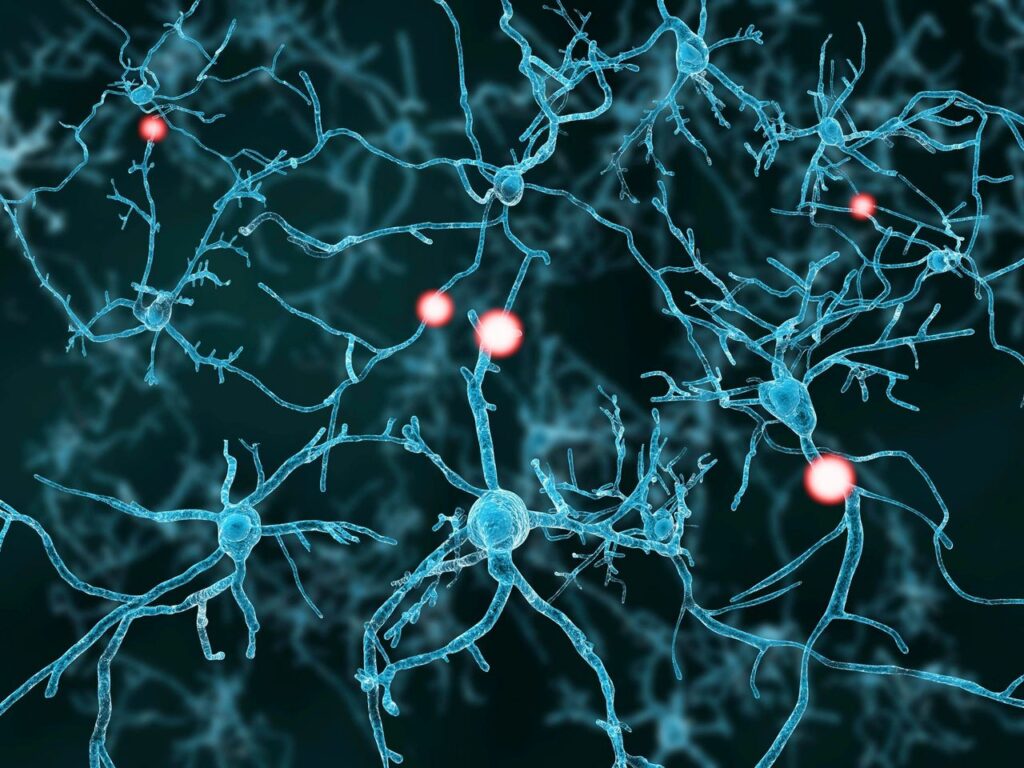
Written by: Therapy Near Me Editorial Team Clinically reviewed by: qualified members of the Therapy Near Me clinical team Last updated: 13/01/2026 This article is intended as general information only and does not replace personalised medical or mental health advice. Learn more about our Editorial Policy. Norepinephrine, also known as noradrenaline, is a crucial neurotransmitter and hormone in the human body. It plays a significant role in the body’s response to stress and is involved in various physiological and psychological processes. This article explores the functions, effects, and clinical implications of norepinephrine, supported by scientific research and expert analysis. Functions of Norepinephrine Neurotransmitter Role in the Central Nervous System Norepinephrine acts as a neurotransmitter in the central nervous system (CNS), where it is primarily produced in the locus coeruleus, a nucleus in the brainstem. It is involved in regulating arousal, attention, and the sleep-wake cycle (Berridge & Waterhouse, 2003). Norepinephrine’s release increases vigilance and alertness, making it essential for focus and cognitive performance. Hormonal Role in the Peripheral Nervous System In the peripheral nervous system, norepinephrine functions as a hormone released by the adrenal medulla into the bloodstream during the body’s stress response, part of the “fight or flight” mechanism. It prepares the body to react to stressful situations by increasing heart rate, blood pressure, and blood glucose levels, and redirecting blood flow to essential organs and muscles (Goldstein, 2010). Effects of Norepinephrine Physiological Effects Cardiovascular System: Norepinephrine increases heart rate and contractility, resulting in elevated blood pressure and enhanced blood flow to vital organs. This effect is critical during acute stress situations (Esler, 2000). Respiratory System: It dilates the bronchioles in the lungs, improving oxygen intake and facilitating rapid physical response to stress (Goldstein, 2010). Metabolic Effects: Norepinephrine promotes glycogenolysis in the liver, leading to increased glucose availability for energy production. It also stimulates lipolysis, releasing fatty acids from adipose tissue for use as energy (Cryer, 1993). Psychological Effects Norepinephrine is deeply involved in modulating mood, anxiety, and cognition. It has been linked to the regulation of mood disorders, such as depression and anxiety. Low levels of norepinephrine are associated with depressive symptoms, while dysregulation can lead to anxiety disorders (Ressler & Nemeroff, 2000). Clinical Implications Norepinephrine and Mental Health Depression Depression has been linked to imbalances in norepinephrine levels. The monoamine hypothesis of depression suggests that deficiencies in neurotransmitters like norepinephrine, serotonin, and dopamine contribute to depressive symptoms (Schildkraut, 1965). Antidepressant medications, such as norepinephrine reuptake inhibitors (NRIs) and serotonin-norepinephrine reuptake inhibitors (SNRIs), work by increasing the availability of norepinephrine in the brain, thereby alleviating depressive symptoms (Gorman & Kent, 1999). Anxiety Disorders Anxiety disorders are also associated with norepinephrine dysregulation. Elevated levels of norepinephrine can heighten the body’s stress response, contributing to symptoms of anxiety and panic attacks. Beta-blockers, which inhibit the effects of norepinephrine, are sometimes used to manage physical symptoms of anxiety, such as rapid heartbeat and trembling (Stein & Sareen, 2015). Norepinephrine and Physical Health Cardiovascular Disease Chronic stress and prolonged activation of the norepinephrine system can lead to cardiovascular problems. Elevated norepinephrine levels are linked to hypertension, heart disease, and increased risk of cardiac events (Esler, 2000). Managing stress through lifestyle changes and medications can help mitigate these risks. Metabolic Disorders Norepinephrine’s role in glucose metabolism implicates it in metabolic disorders like diabetes. Dysregulation of norepinephrine can affect insulin sensitivity and glucose homeostasis, contributing to the development of type 2 diabetes (Cryer, 1993). Understanding norepinephrine’s metabolic effects is crucial for developing therapeutic strategies for these conditions. Therapeutic Applications Medications Targeting Norepinephrine Several classes of medications target norepinephrine to treat various conditions: Antidepressants: NRIs and SNRIs are commonly prescribed for depression and anxiety disorders. They work by blocking the reuptake of norepinephrine, increasing its availability in the brain (Gorman & Kent, 1999). Beta-Blockers: Used to manage cardiovascular conditions and physical symptoms of anxiety, beta-blockers inhibit the effects of norepinephrine on the heart and blood vessels (Stein & Sareen, 2015). Adrenergic Agonists: These medications, including certain asthma treatments, mimic the effects of norepinephrine to dilate airways and improve breathing (Goldstein, 2010). Lifestyle Interventions Managing stress through lifestyle interventions can help regulate norepinephrine levels and improve overall health. Techniques such as mindfulness meditation, regular physical exercise, and adequate sleep are effective in reducing stress and balancing norepinephrine activity (Sharma & Rush, 2014). Conclusion Norepinephrine is a vital neurotransmitter and hormone that plays a key role in regulating physiological and psychological processes. Understanding its functions and effects is crucial for managing mental and physical health conditions. Therapeutic interventions targeting norepinephrine can effectively treat disorders such as depression, anxiety, and cardiovascular diseases. Through continued research and a holistic approach to health, we can better understand and utilise norepinephrine’s potential for improving well-being. References American Psychiatric Association. (2013). Diagnostic and Statistical Manual of Mental Disorders (5th ed.). Washington, DC: Author. Berridge, C. W., & Waterhouse, B. D. (2003). The locus coeruleus–noradrenergic system: modulation of behavioral state and state-dependent cognitive processes. Brain Research Reviews, 42(1), 33-84. Cryer, P. E. (1993). Role of catecholamines in the control of metabolic and endocrine function. Advances in Pharmacology, 42, 169-173. Esler, M. (2000). The sympathetic system and hypertension. American Journal of Hypertension, 13(S4), 99S-105S. Goldstein, D. S. (2010). Adrenal responses to stress. Cellular and Molecular Neurobiology, 30(8), 1433-1440. Gorman, J. M., & Kent, J. M. (1999). SSRIs and SNRIs: broad spectrum of efficacy beyond major depression. Journal of Clinical Psychiatry, 60(Suppl 4), 33-38. Hare, R. D. (1991). The Hare Psychopathy Checklist-Revised. Multi-Health Systems. Ressler, K. J., & Nemeroff, C. B. (2000). Role of norepinephrine in the pathophysiology and treatment of mood disorders. Biological Psychiatry, 46(9), 1219-1233. Schildkraut, J. J. (1965). The catecholamine hypothesis of affective disorders: a review of supporting evidence. American Journal of Psychiatry, 122(5), 509-522. Sharma, M., & Rush, S. E. (2014). Mindfulness-based stress reduction as a stress management intervention for healthy individuals: a systematic review. Journal of Evidence-Based Complementary & Alternative Medicine, 19(4), 271-286. Stein, M. B., & Sareen, J. (2015). Generalized anxiety disorder. New England Journal of Medicine, 373(21),

Norepinephrine: Functions, Effects, and Clinical Implications Read More »

Understanding DBT: Tools for Emotional Resilience

Dialectical Behaviour Therapy (DBT): An Overview

Written by: Therapy Near Me Editorial Team Clinically reviewed by: qualified members of the Therapy Near Me clinical team Last updated: 16/01/2026 This article is intended as general information only and does not replace personalised medical or mental health advice. Learn more about our Editorial Policy. Dialectical Behaviour Therapy (DBT) is a cognitive-behavioural approach developed by Dr. Marsha Linehan in the late 1980s. Initially designed to treat individuals with borderline personality disorder (BPD) and chronic suicidal behaviours, DBT has since evolved to address a range of other mental health disorders due to its effectiveness. This article delves into the foundations, key principles, and applications of DBT. Origins and Foundations DBT was born out of the need for a treatment modality that could effectively address the challenges faced by individuals with BPD, particularly those exhibiting self-harming behaviours. Traditional cognitive-behavioural therapies were often inadequate, as they did not focus sufficiently on acceptance and validation, two critical components for this population (Linehan, 1993). The term “dialectical” is rooted in philosophical and metaphysical concepts, emphasising the reconciliation of opposites in a continual process of synthesis. In DBT, this translates to a balance between acceptance and change. Core Principles of DBT Mindfulness: Derived from Buddhist practices, mindfulness encourages individuals to be fully present in the moment, observe their feelings and thoughts without judgment, and cultivate an awareness of their current environment. Distress Tolerance: This principle focuses on accepting and tolerating distress without resorting to self-destructive behaviours. It teaches skills like distraction, self-soothing, and improving the moment. Interpersonal Effectiveness: Individuals learn to assert their needs and rights, set boundaries, and navigate conflicts, all while maintaining self-respect and valuing relationships. Emotion Regulation: This module helps individuals understand and manage their emotions, reducing vulnerability to negative emotions and increasing positive emotional experiences. Structure of DBT DBT typically involves both individual therapy sessions and group skills training sessions. The group sessions are instructional in nature, focusing on teaching the aforementioned skills, while individual sessions delve into personal challenges and reinforce the application of these skills (Linehan, 2015). Applications Beyond Borderline Personality Disorder While originally developed for BPD, the effectiveness of DBT in enhancing emotional regulation, improving interpersonal relationships, and reducing self-harm behaviours has led to its application in treating a range of other disorders, including: Eating Disorders: DBT can help address the emotional dysregulation often seen in eating disorders like bulimia nervosa and binge eating disorder (Safer, Telch, & Chen, 2009). Substance Use Disorders: DBT aids in reducing substance abuse and improving treatment retention (Dimeff & Linehan, 2008). Mood Disorders: Modifications of DBT have been employed to treat conditions like major depressive disorder, especially in cases with chronic symptoms or comorbidities (Lynch, Morse, Mendelson, & Robins, 2003). Conclusion Dialectical Behaviour Therapy represents a significant advancement in the field of psychotherapy, offering a comprehensive and targeted approach to address complex psychological disorders. By striking a balance between acceptance and proactive change, DBT provides individuals with the tools to navigate emotional challenges, forge meaningful relationships, and lead more fulfilling lives. References Dimeff, L. A., & Linehan, M. M. (2008). Dialectical behavior therapy for substance abusers. Addiction Science & Clinical Practice, 4(2), 39-47. Linehan, M. M. (1993). Cognitive-behavioral treatment of borderline personality disorder. Guilford Press. Linehan, M. M. (2015). DBT skills training manual. Guilford Publications. Lynch, T. R., Morse, J. Q., Mendelson, T., & Robins, C. J. (2003). Dialectical behavior therapy for depressed older adults: A randomized pilot study. The American Journal of Geriatric Psychiatry, 11(1), 33-45. Safer, D. L., Telch, C. F., & Chen, E. Y. (2009). Dialectical behavior therapy for binge eating and bulimia. Guilford Press. How to get in touch If you or your patient/NDIS clients need immediate mental healthcare assistance, feel free to get in contact with us on 1800 NEAR ME – admin@therapynearme.com.au.

Dialectical Behaviour Therapy (DBT): An Overview Read More »

Dealing With Rejection

Written by: Therapy Near Me Editorial Team Clinically reviewed by: qualified members of the Therapy Near Me clinical team Last updated: 13/02/2026 This article is intended as general information only and does not replace personalised medical or mental health advice. Learn more about our Editorial Policy. Rejection is an inevitable part of life that can occur in various contexts, such as personal relationships, job applications, or social situations. While it is a common experience, the emotional impact of rejection can be profound and challenging to manage. This article explores the psychological effects of rejection, strategies for coping with it, and how to build resilience, supported by scientific research and expert insights. Understanding Rejection Psychological Impact of Rejection Rejection can trigger a range of negative emotions, including sadness, anger, and anxiety. Research indicates that the brain processes rejection similarly to physical pain, which explains why it can feel so distressing (Eisenberger & Lieberman, 2004). The experience of rejection can lead to a decrease in self-esteem and feelings of worthlessness (Baumeister & Leary, 1995). Social Pain and Physical Pain Studies have shown that social pain, such as the pain from rejection, activates the same brain regions as physical pain. This overlap highlights the deep emotional impact of rejection and its potential to affect mental health (Eisenberger, 2012). Self-Esteem and Worth Rejection can significantly impact self-esteem, particularly when it is perceived as a personal failure. Individuals with lower self-esteem may be more vulnerable to the negative effects of rejection, leading to a vicious cycle of decreased self-worth and increased sensitivity to future rejections (Leary, 2001). Coping with Rejection Cognitive and Behavioural Strategies Effective coping strategies can help individuals manage the emotional aftermath of rejection and build resilience. Cognitive-behavioural approaches focus on changing negative thought patterns and developing healthier responses to rejection. Cognitive Restructuring Cognitive restructuring involves identifying and challenging irrational or negative thoughts related to rejection. By reframing these thoughts, individuals can reduce their emotional distress and gain a more balanced perspective (Beck, 2011). For example, instead of thinking, “I am not good enough,” one might reframe it to, “This opportunity was not the right fit for me.” Self-Compassion Practising self-compassion involves treating oneself with kindness and understanding during difficult times. Research suggests that self-compassion can buffer against the negative effects of rejection by promoting emotional resilience and reducing self-criticism (Neff, 2003). Techniques include acknowledging one’s pain, recognising that rejection is a common human experience, and offering oneself words of comfort and support. Building Resilience Building resilience is crucial for coping with rejection and other life challenges. Resilience involves developing the capacity to recover from setbacks and maintain well-being despite adversity. Social Support Strong social support networks can provide emotional comfort and practical assistance during times of rejection. Friends, family, and support groups can offer empathy, encouragement, and alternative perspectives, helping individuals to feel less isolated and more understood (Cohen & Wills, 1985). Personal Growth Viewing rejection as an opportunity for personal growth can help individuals develop a more positive outlook. This perspective encourages learning from the experience and using it as a stepping stone for future success. Reflecting on what can be improved and setting new goals can foster a sense of progress and empowerment (Carver, 1998). Professional Help Seeking professional help from psychologists or counsellors can be beneficial for those struggling with the emotional impact of rejection. Therapy can provide a safe space to explore feelings, develop coping strategies, and work on underlying issues related to self-esteem and resilience. Cognitive-Behavioural Therapy (CBT) CBT is an evidence-based approach that can help individuals manage the negative thoughts and emotions associated with rejection. It involves identifying unhelpful thinking patterns, challenging them, and replacing them with more constructive thoughts (Hofmann et al., 2012). Mindfulness-Based Interventions Mindfulness-based interventions, such as Mindfulness-Based Stress Reduction (MBSR), can help individuals develop greater awareness of their thoughts and emotions, allowing them to respond to rejection with greater equanimity and less reactivity (Kabat-Zinn, 2003). Conclusion Rejection is a common and painful experience that can have significant psychological effects. However, by understanding its impact and employing effective coping strategies, individuals can manage their emotional responses and build resilience. Cognitive restructuring, self-compassion, social support, and professional help are all valuable tools in navigating the challenges of rejection. Through these approaches, individuals can learn to view rejection not as a reflection of their worth, but as an opportunity for growth and self-improvement. References Baumeister, R. F., & Leary, M. R. (1995). The need to belong: desire for interpersonal attachments as a fundamental human motivation. Psychological Bulletin, 117(3), 497-529. Beck, J. S. (2011). Cognitive Behavior Therapy: Basics and Beyond (2nd ed.). Guilford Press. Carver, C. S. (1998). Resilience and thriving: Issues, models, and linkages. Journal of Social Issues, 54(2), 245-266. Cohen, S., & Wills, T. A. (1985). Stress, social support, and the buffering hypothesis. Psychological Bulletin, 98(2), 310-357. Eisenberger, N. I. (2012). Broken hearts and broken bones: A neural perspective on the similarities between social and physical pain. Current Directions in Psychological Science, 21(1), 42-47. Eisenberger, N. I., & Lieberman, M. D. (2004). Why it hurts to be left out: The neurocognitive overlap between physical and social pain. Trends in Cognitive Sciences, 8(7), 294-300. Hofmann, S. G., Asnaani, A., Vonk, I. J., Sawyer, A. T., & Fang, A. (2012). The efficacy of cognitive behavioral therapy: A review of meta-analyses. Cognitive Therapy and Research, 36(5), 427-440. Kabat-Zinn, J. (2003). Mindfulness-based interventions in context: Past, present, and future. Clinical Psychology: Science and Practice, 10(2), 144-156. Leary, M. R. (2001). Towards a conceptualisation of interpersonal rejection. In M. R. Leary (Ed.), Interpersonal Rejection (pp. 3-20). Oxford University Press. Neff, K. D. (2003). Self-compassion: An alternative conceptualisation of a healthy attitude toward oneself. Self and Identity, 2(2), 85-101. How to get in touch If you or your patient/NDIS clients need immediate mental healthcare assistance, feel free to get in contact with us on 1800 NEAR ME – admin@therapynearme.com.au.

Dealing With Rejection Read More »

image530

Finding the Right Mentor: Psychologist Advice

Written by: Therapy Near Me Editorial Team Clinically reviewed by: qualified members of the Therapy Near Me clinical team Last updated: 21/02/2026 This article is intended as general information only and does not replace personalised medical or mental health advice. Learn more about our Editorial Policy. Mentorship is a crucial element for personal and professional growth. The right mentor can provide guidance, support, and insight, helping you navigate your career path and achieve your goals. This article explores the importance of mentorship, how to find the right mentor, and the characteristics of an effective mentoring relationship, supported by psychological research and expert advice. The Importance of Mentorship Career Development Mentorship plays a significant role in career development. Research indicates that individuals with mentors are more likely to receive promotions, earn higher salaries, and report greater job satisfaction (Allen et al., 2004). Mentors provide valuable advice on career progression, skill development, and networking opportunities. Psychological Benefits Mentorship also offers psychological benefits. It enhances self-confidence, provides emotional support, and helps mentees develop a sense of belonging and purpose (Kram, 1985). Having a mentor can reduce stress and increase resilience, contributing to overall well-being. Steps to Finding the Right Mentor 1. Self-Assessment Before seeking a mentor, conduct a self-assessment to understand your goals, strengths, and areas for improvement. Identifying your career aspirations and personal development needs will help you find a mentor who aligns with your objectives. Actionable Tip: Create a list of your short-term and long-term goals and the skills you need to achieve them. 2. Identify Potential Mentors Look for potential mentors within your network, workplace, or professional associations. Consider individuals who have the experience, expertise, and values that resonate with your career aspirations. Actionable Tip: Attend industry conferences, workshops, and networking events to meet potential mentors. 3. Research and Evaluate Research the background and accomplishments of potential mentors. Evaluate their experience, leadership style, and reputation within the industry. A good mentor should have a track record of success and a willingness to share their knowledge. Actionable Tip: Use LinkedIn and professional networks to gather information about potential mentors. 4. Initiate Contact Reach out to potential mentors with a clear and concise message. Explain why you are seeking mentorship and how their experience aligns with your goals. Be respectful of their time and express your willingness to learn. Actionable Tip: Draft a personalised email or LinkedIn message highlighting your goals and why you believe they would be a great mentor. 5. Establish Clear Expectations Once you have identified a mentor, establish clear expectations for the mentoring relationship. Discuss the frequency of meetings, preferred communication methods, and specific goals you hope to achieve. Actionable Tip: Create a mentoring agreement outlining the roles, responsibilities, and objectives of both parties. Characteristics of an Effective Mentoring Relationship Mutual Respect and Trust An effective mentoring relationship is built on mutual respect and trust. Both the mentor and mentee should feel comfortable sharing their thoughts, experiences, and feedback (Scandura & Williams, 2004). Open Communication Open and honest communication is vital for a successful mentoring relationship. Regular check-ins and feedback sessions help ensure that both parties are aligned and that the mentee is progressing towards their goals (Eby et al., 2013). Commitment and Consistency Both the mentor and mentee should demonstrate commitment and consistency. Regular meetings and ongoing engagement are crucial for maintaining momentum and achieving the desired outcomes (Ragins & Kram, 2007). Adaptability and Flexibility A good mentor is adaptable and flexible, willing to adjust their approach based on the mentee’s needs and circumstances. This ensures that the mentorship remains relevant and effective over time (Allen & Eby, 2003). Encouragement and Support Effective mentors provide encouragement and support, helping mentees overcome challenges and celebrate successes. They act as role models, inspiring mentees to strive for excellence and reach their full potential (Kram, 1985). Conclusion Finding the right mentor involves a combination of self-assessment, research, and proactive engagement. A successful mentoring relationship is characterised by mutual respect, open communication, commitment, adaptability, and support. By following these steps and focusing on these characteristics, you can find a mentor who will guide you towards personal and professional success. References Allen, T. D., & Eby, L. T. (2003). Relationship effectiveness for mentors: Factors associated with learning and quality. Journal of Management, 29(4), 469-486. Allen, T. D., Eby, L. T., Poteet, M. L., Lentz, E., & Lima, L. (2004). Career benefits associated with mentoring for protégés: A meta-analysis. Journal of Applied Psychology, 89(1), 127-136. Eby, L. T., Butts, M. M., Durley, J. R., & Ragins, B. R. (2010). Are bad experiences stronger than good ones in mentoring relationships? Evidence from the protégé and mentor perspective. Journal of Vocational Behavior, 77(1), 81-92. Kram, K. E. (1985). Mentoring at Work: Developmental Relationships in Organisational Life. University Press of America. Ragins, B. R., & Kram, K. E. (Eds.). (2007). The Handbook of Mentoring at Work: Theory, Research, and Practice. Sage Publications. Scandura, T. A., & Williams, E. A. (2004). Mentoring and transformational leadership: The role of supervisory career mentoring. Journal of Vocational Behavior, 65(3), 448-468. How to get in touch If you or your patient/NDIS clients need immediate mental healthcare assistance, feel free to get in contact with us on 1800 NEAR ME – admin@therapynearme.com.au.

Finding the Right Mentor: Psychologist Advice Read More »

Australian Career Contrasts: Professions with the Highest and Lowest Depression Rates

The 2 Professions With the Highest and Lowest Rates of Depression

Written by: Therapy Near Me Editorial Team Clinically reviewed by: qualified members of the Therapy Near Me clinical team Last updated: 12/07/2025 This article is intended as general information only and does not replace personalised medical or mental health advice. Learn more about our Editorial Policy. Mental health, particularly depression, significantly impacts various professions differently. Understanding which professions have the highest and lowest rates of depression can provide insights into occupational stressors and guide interventions to improve workplace mental health. This article explores two professions with the highest and lowest rates of depression in Australia, supported by scientific research and statistics. Professions with the Highest Rates of Depression 1. Healthcare Workers Overview Healthcare workers, including doctors, nurses, and paramedics, consistently report high levels of depression. The demanding nature of their work, long hours, and exposure to traumatic events contribute to their mental health struggles. ‘ Statistics A study by Beyond Blue (2013) found that Australian doctors reported higher rates of psychological distress and attempted suicide compared to the general population. Nurses and midwives also reported significant levels of anxiety and depression, with 32% experiencing moderate to severe levels of depressive symptoms (Beyond Blue, 2013). Contributing Factors Workload and Long Hours: Healthcare workers often face excessive workloads and long hours, leading to burnout and depression (Shanafelt et al., 2015). Exposure to Trauma: Regular exposure to traumatic events and patient suffering can lead to secondary traumatic stress (Mealer et al., 2009). Workplace Culture: A high-pressure environment with a stigma around mental health issues can deter healthcare workers from seeking help (Schernhammer, 2005). 2. Emergency Services Personnel Overview Emergency services personnel, including police officers, firefighters, and paramedics, also exhibit high rates of depression. The nature of their work involves constant exposure to high-stress situations and traumatic incidents. Statistics A report by Beyond Blue (2018) highlighted that 1 in 3 police officers and other emergency services workers experienced high or very high psychological distress. Additionally, these workers were more likely to experience suicidal thoughts compared to the general population. Contributing Factors Traumatic Exposure: Frequent exposure to critical incidents, violence, and disasters contributes to higher rates of PTSD and depression (Regehr et al., 2003). Shift Work and Sleep Disruption: Irregular hours and shift work can disrupt sleep patterns, contributing to mental health issues (Violanti et al., 2012). Stigma and Support: Stigma around mental health in emergency services can prevent individuals from seeking necessary support (Haugen et al., 2017). Professions with the Lowest Rates of Depression 1. Florists Overview Florists, involved in the design and sale of floral arrangements, report lower rates of depression. The nature of their work, which often involves creativity, interaction with nature, and a positive work environment, contributes to their mental well-being. Statistics According to data from Safe Work Australia (2015), florists reported lower levels of work-related mental stress compared to other professions. The creative and less pressured environment likely plays a role in these findings. Contributing Factors Creative Expression: Engaging in creative activities has been linked to improved mental health and reduced depression (Stuckey & Nobel, 2010). Interaction with Nature: Working with plants and flowers can have calming and mood-boosting effects (Bringslimark et al., 2009). Positive Work Environment: Generally, florists work in more relaxed and pleasant environments, which contributes to lower stress levels (Safe Work Australia, 2015). 2. Librarians Overview Librarians, responsible for managing library resources and assisting patrons, also report lower rates of depression. Their work environment is typically structured, quiet, and intellectually stimulating. Statistics Research by the University of Melbourne (2016) indicates that librarians experience lower levels of job-related stress and depression compared to high-stress professions like healthcare and emergency services. Contributing Factors Structured Environment: The structured and predictable nature of library work can reduce stress (University of Melbourne, 2016). Intellectual Engagement: Engaging in intellectually stimulating tasks can improve mental health and job satisfaction (Morrison & Riccucci, 2009). Work-Life Balance: Librarians often enjoy better work-life balance, contributing to lower rates of depression (University of Melbourne, 2016). Conclusion Healthcare workers and emergency services personnel in Australia exhibit some of the highest rates of depression due to the demanding, high-stress, and often traumatic nature of their work. In contrast, professions like floristry and librarianship report lower rates of depression, likely due to positive work environments, creative tasks, and better work-life balance. Understanding these occupational differences can inform targeted mental health interventions and support systems to improve the well-being of workers in high-risk professions. References Beyond Blue. (2013). National Mental Health Survey of Doctors and Medical Students. Retrieved from https://www.beyondblue.org.au/ Beyond Blue. (2018). Answering the Call: National Survey of Mental Health and Wellbeing of Police and Emergency Services. Retrieved from https://www.beyondblue.org.au/ Bringslimark, T., Hartig, T., & Patil, G. G. (2009). The psychological benefits of indoor plants: A critical review of the experimental literature. Journal of Environmental Psychology, 29(4), 422-433. Haugen, P. T., Evces, M., & Weiss, D. S. (2017). Treating posttraumatic stress disorder in first responders: A systematic review. Clinical Psychology Review, 51, 16-24. Mealer, M., Burnham, E. L., Goode, C. J., Rothbaum, B., & Moss, M. (2009). The prevalence and impact of post-traumatic stress disorder and burnout syndrome in nurses. Depression and Anxiety, 26(12), 1118-1126. Morrison, E. W., & Riccucci, N. M. (2009). The role of gender in workplace stress: A public sector perspective. Journal of Women in Culture and Society, 34(2), 289-311. Regehr, C., Goldberg, G., & Hughes, J. (2003). Exposure to human tragedy, empathy, and trauma in ambulance paramedics. American Journal of Orthopsychiatry, 72(4), 505-513. Safe Work Australia. (2015). Work-related mental disorders profile. Retrieved from https://www.safeworkaustralia.gov.au/ Schernhammer, E. S. (2005). Taking their own lives—The high rate of physician suicide. New England Journal of Medicine, 352(24), 2473-2476. Shanafelt, T. D., Boone, S., Tan, L., Dyrbye, L. N., Sotile, W., Satele, D., … & West, C. P. (2015). Burnout and satisfaction with work-life balance among US physicians relative to the general US population. Archives of Internal Medicine, 172(18), 1377-1385. Stuckey, H. L., & Nobel, J. (2010). The connection between art, healing, and public health: A review of current literature. American

The 2 Professions With the Highest and Lowest Rates of Depression Read More »

Guidance for Growth: How to Find the Right Mentor for Personal and Professional Development

Burnout Among Carers

Written by: Therapy Near Me Editorial Team Clinically reviewed by: qualified members of the Therapy Near Me clinical team Last updated: 09/01/2026 This article is intended as general information only and does not replace personalised medical or mental health advice. Learn more about our Editorial Policy. Carers play a vital role in supporting individuals with chronic illnesses, disabilities, or age-related issues. While caregiving can be rewarding, it often comes with significant physical, emotional, and psychological challenges. Burnout among carers is a growing concern, affecting their health and the quality of care they provide. This article explores the causes, symptoms, and management strategies for burnout among carers, supported by scientific research and expert insights. Understanding Carer Burnout Definition Burnout is a state of physical, emotional, and mental exhaustion caused by prolonged and intense stress. For carers, burnout can result from the cumulative demands of providing continuous support and care, often without adequate rest or respite (Maslach & Jackson, 1981). Prevalence Burnout is prevalent among carers, with studies indicating that a significant proportion experience high levels of stress and burnout symptoms. According to a report by Carers Australia (2020), nearly 60% of Australian carers reported feeling stressed and 50% experienced burnout. Causes of Carer Burnout Emotional and Physical Demands Carers often face emotional and physical demands that can lead to burnout. These include: Emotional Strain: Dealing with the emotional distress of the person being cared for can be overwhelming (Schulz & Sherwood, 2008). Physical Strain: Providing physical care, such as lifting and assisting with daily activities, can lead to physical exhaustion and injury (Pinquart & Sörensen, 2003). Lack of Support Many carers lack adequate support systems, which can exacerbate feelings of isolation and stress. The absence of social support, respite care, and professional assistance increases the risk of burnout (Pearlin et al., 1990). Financial Pressure Financial stress is a common issue among carers, particularly those who reduce their working hours or leave employment to provide care. The resulting financial strain can contribute to burnout (Vitaliano et al., 2003). Role Ambiguity and Conflict Carers may experience role ambiguity and conflict, struggling to balance caregiving responsibilities with personal and professional commitments. This can lead to frustration and burnout (Lazarus & Folkman, 1984). Symptoms of Carer Burnout Physical Symptoms Chronic Fatigue: Persistent tiredness and lack of energy. Sleep Disturbances: Difficulty falling or staying asleep. Frequent Illness: Increased susceptibility to illnesses due to weakened immune system (Vitaliano et al., 2003). Emotional Symptoms Anxiety and Depression: Feelings of constant worry, sadness, or hopelessness. Irritability and Anger: Increased irritability and frequent anger outbursts. Emotional Numbness: Feeling detached or emotionally numb (Schulz & Sherwood, 2008). Behavioural Symptoms Withdrawal: Withdrawing from social activities and relationships. Neglecting Responsibilities: Neglecting personal, professional, or caregiving duties. Substance Abuse: Increased use of alcohol or drugs to cope with stress (Maslach & Jackson, 1981). Management Strategies for Carer Burnout Self-Care Self-care is crucial for preventing and managing burnout. Carers should prioritise their health and well-being by: Regular Exercise: Engaging in physical activities to reduce stress and improve mood. Healthy Diet: Maintaining a balanced diet to support physical health. Adequate Sleep: Ensuring sufficient rest to restore energy levels (Schulz & Sherwood, 2008). Seeking Support Building a support network can provide emotional and practical assistance. Carers should: Reach Out to Family and Friends: Share responsibilities and seek emotional support. Join Support Groups: Connect with other carers to share experiences and advice. Utilise Respite Care: Take breaks by using respite care services to prevent burnout (Pearlin et al., 1990). Carer Gateway: Provides a range of free services and support exclusively to carers. (https://carergateway.gov.au) Professional Help Professional help can offer additional support and resources. Carers should consider: Counselling or Therapy: Seeking professional counselling to address emotional challenges. Training and Education: Attending training programs to improve caregiving skills and reduce stress. Financial Assistance: Exploring financial aid and support services available for carers (Pinquart & Sörensen, 2003). Time Management and Setting Boundaries Effective time management and setting boundaries can help carers manage their responsibilities and reduce stress. Carers should: Prioritise Tasks: Focus on the most important tasks and delegate when possible. Set Realistic Goals: Set achievable goals to avoid feeling overwhelmed. Establish Boundaries: Set clear boundaries to balance caregiving with personal time (Lazarus & Folkman, 1984). Conclusion Burnout among carers is a significant issue that affects their well-being and the quality of care they provide. Understanding the causes and symptoms of burnout is crucial for developing effective management strategies. By prioritising self-care, seeking support, accessing professional help, and practising effective time management, carers can reduce the risk of burnout and maintain their health and well-being. References Carers Australia. (2020). The state of carers in Australia. Retrieved from https://www.carersaustralia.com.au/ Lazarus, R. S., & Folkman, S. (1984). Stress, Appraisal, and Coping. Springer Publishing. Maslach, C., & Jackson, S. E. (1981). The measurement of experienced burnout. Journal of Occupational Behaviour, 2(2), 99-113. Pearlin, L. I., Mullan, J. T., Semple, S. J., & Skaff, M. M. (1990). Caregiving and the stress process: An overview of concepts and their measures. The Gerontologist, 30(5), 583-594. Pinquart, M., & Sörensen, S. (2003). Differences between caregivers and noncaregivers in psychological health and physical health: A meta-analysis. Psychology and Aging, 18(2), 250-267. Schulz, R., & Sherwood, P. R. (2008). Physical and mental health effects of family caregiving. American Journal of Nursing, 108(9 Suppl), 23-27. Vitaliano, P. P., Zhang, J., & Scanlan, J. M. (2003). Is caregiving hazardous to one’s physical health? A meta-analysis. Psychological Bulletin, 129(6), 946-972. How to get in touch If you or your patient/NDIS clients need immediate mental healthcare assistance, feel free to get in contact with us on 1800 NEAR ME – admin@therapynearme.com.au

Burnout Among Carers Read More »

Grasping Fear: Understanding the Dynamics of Panic Attacks

Understanding Panic Attacks

Written by: Therapy Near Me Editorial Team Clinically reviewed by: qualified members of the Therapy Near Me clinical team Last updated: 09/01/2026 This article is intended as general information only and does not replace personalised medical or mental health advice. Learn more about our Editorial Policy. Panic attacks are sudden episodes of intense fear and discomfort that can manifest with physical and psychological symptoms. They are a common mental health concern, affecting millions of people worldwide. This article explores the nature of panic attacks, their causes, symptoms, and treatment options, supported by scientific research and expert insights. What are Panic Attacks? Panic attacks are abrupt surges of intense fear or discomfort that peak within minutes. They can occur unexpectedly or in response to a trigger and are characterised by a combination of physical and cognitive symptoms (American Psychiatric Association, 2013). Symptoms of Panic Attacks The symptoms of a panic attack can vary, but they typically include: Rapid heart rate or palpitations Sweating Trembling or shaking Shortness of breath or a feeling of being smothered Chest pain or discomfort Nausea or abdominal distress Dizziness, light-headedness, or faintness Chills or hot flashes Numbness or tingling sensations Feelings of unreality (derealisation) or detachment from oneself (depersonalisation) Fear of losing control or “going crazy” Fear of dying (American Psychiatric Association, 2013) Causes and Risk Factors Biological Factors Research indicates that biological factors, such as genetics and neurochemical imbalances, play a significant role in the development of panic attacks. Studies have shown that individuals with a family history of panic disorder are at higher risk of experiencing panic attacks (Smoller et al., 2003). Psychological Factors Psychological factors, including stress, anxiety, and trauma, can trigger panic attacks. Cognitive-behavioural theories suggest that maladaptive thought patterns and a heightened sensitivity to bodily sensations can contribute to the onset of panic attacks (Barlow, 2002). Environmental Factors Environmental factors, such as significant life changes, chronic stress, and exposure to traumatic events, can increase the likelihood of panic attacks. Additionally, substance use, including caffeine, alcohol, and certain drugs, can provoke or exacerbate panic attacks (Schmidt et al., 2010). Diagnosis and Treatment Diagnosis Panic attacks are typically diagnosed based on clinical criteria outlined in the Diagnostic and Statistical Manual of Mental Disorders (DSM-5). A healthcare provider will assess the frequency, intensity, and impact of the attacks, as well as any co-occurring mental health conditions, to determine an appropriate diagnosis (American Psychiatric Association, 2013). Treatment Options Cognitive-Behavioural Therapy (CBT) Cognitive-behavioural therapy is considered one of the most effective treatments for panic attacks. CBT focuses on identifying and challenging maladaptive thought patterns and behaviours, as well as developing coping strategies to manage anxiety and panic symptoms (Hofmann et al., 2012). Medications Medications, such as selective serotonin reuptake inhibitors (SSRIs), benzodiazepines, and beta-blockers, can be prescribed to help manage the symptoms of panic attacks. These medications can reduce the frequency and severity of attacks, but they are often used in conjunction with therapy for the best outcomes (Roy-Byrne et al., 2013). Lifestyle Modifications Lifestyle modifications, including regular physical exercise, healthy eating, adequate sleep, and stress management techniques (e.g., mindfulness, yoga, and deep breathing exercises), can help reduce the occurrence of panic attacks and improve overall well-being (Asmundson et al., 2013). Coping Strategies Breathing Exercises Practising controlled breathing exercises can help manage the physical symptoms of panic attacks. Techniques such as diaphragmatic breathing and the 4-7-8 method can promote relaxation and reduce anxiety (Jerath et al., 2015). Mindfulness and Relaxation Techniques Mindfulness and relaxation techniques, such as progressive muscle relaxation and guided imagery, can help individuals stay grounded and manage the psychological symptoms of panic attacks. These techniques encourage present-moment awareness and reduce the impact of negative thoughts (Kabat-Zinn, 2003). Support Networks Building a strong support network of friends, family, and mental health professionals can provide emotional support and practical assistance. Support groups, either in-person or online, can also offer a sense of community and shared understanding (Carter et al., 2014). Conclusion Panic attacks are a common but manageable mental health issue. Understanding the causes, symptoms, and treatment options can empower individuals to seek appropriate help and develop effective coping strategies. With the right support and interventions, those experiencing panic attacks can lead fulfilling and balanced lives. References American Psychiatric Association. (2013). Diagnostic and Statistical Manual of Mental Disorders (5th ed.). Washington, DC: Author. Asmundson, G. J., Fetzner, M. G., DeBoer, L. B., Powers, M. B., Otto, M. W., & Smits, J. A. (2013). Let’s get physical: A contemporary review of the anxiolytic effects of exercise for anxiety and its disorders. Depression and Anxiety, 30(4), 362-373. Barlow, D. H. (2002). Anxiety and Its Disorders: The Nature and Treatment of Anxiety and Panic (2nd ed.). Guilford Press. Carter, M. M., Sbrocco, T., & Carter, C. L. (2014). African Americans and anxiety disorders research: Development of a testable theoretical framework. Psychological Bulletin, 140(4), 1038-1074. Hofmann, S. G., Asnaani, A., Vonk, I. J., Sawyer, A. T., & Fang, A. (2012). The efficacy of cognitive behavioral therapy: A review of meta-analyses. Cognitive Therapy and Research, 36(5), 427-440. Jerath, R., Crawford, M. W., Barnes, V. A., & Harden, K. (2015). Self-regulation of breathing as a primary treatment for anxiety. Applied Psychophysiology and Biofeedback, 40(2), 107-115. Kabat-Zinn, J. (2003). Mindfulness-based interventions in context: Past, present, and future. Clinical Psychology: Science and Practice, 10(2), 144-156. Roy-Byrne, P. P., Craske, M. G., & Stein, M. B. (2013). Panic disorder. The Lancet, 388(10061), 1023-1032. Schmidt, N. B., Zvolensky, M. J., & Maner, J. K. (2010). Anxiety sensitivity: Prospective prediction of panic attacks and Axis I pathology. Journal of Psychiatric Research, 44(10), 1272-1274. Smoller, J. W., Pollack, M. H., Otto, M. W., Rosenbaum, J. F., Kradin, R., & Laird, N. M. (2003). Panic anxiety, tobacco smoking, and caffeine use: A controlled study of panic disorder patients. Psychological Medicine, 33(5), 943-946. How to get in touch If you or your patient/NDIS clients need immediate mental healthcare assistance, feel free to get in contact with us on 1800 NEAR ME – admin@therapynearme.com.au.

Understanding Panic Attacks Read More »

Strengthening Ties: Psychologist's Guide to Building a Strong Support Network

Psychologist’s Advice on Building a Strong Support Network

Written by: Therapy Near Me Editorial Team Clinically reviewed by: qualified members of the Therapy Near Me clinical team Last updated: 08/12/2025 This article is intended as general information only and does not replace personalised medical or mental health advice. Learn more about our Editorial Policy. A strong support network is crucial for maintaining mental health, achieving personal and professional goals, and navigating life’s challenges. This article explores the importance of a support network, strategies for building one, and the psychological benefits, supported by scientific research and expert insights. The Importance of a Support Network Mental Health Benefits A robust support network provides emotional support, reduces stress, and enhances overall well-being. Research indicates that social support can buffer against mental health issues such as depression and anxiety (Cohen & Wills, 1985). Personal Growth Support networks offer opportunities for personal growth and self-improvement. They provide feedback, encouragement, and diverse perspectives that can help individuals develop new skills and achieve their goals (Reis & Gable, 2003). Professional Development In a professional context, a strong support network can lead to career advancement by providing mentorship, advice, and networking opportunities. Colleagues, mentors, and professional associations play a crucial role in career development (Allen et al., 2004). Strategies for Building a Support Network 1. Identify Your Needs Understanding your needs is the first step in building a support network. Consider what kind of support you require—emotional, informational, or practical—and identify areas of your life where support is lacking. Actionable Tip: Reflect on your current challenges and goals. Make a list of areas where you need support and the type of help you seek. 2. Leverage Existing Connections Start by strengthening relationships with existing connections, such as family, friends, and colleagues. These individuals already know you and may be willing to offer support. Actionable Tip: Reach out to friends or family members you haven’t connected with in a while. Schedule regular catch-ups to maintain these relationships. 3. Expand Your Social Circle Expanding your social circle involves meeting new people and forming new relationships. Join clubs, organisations, or community groups that align with your interests and values. Actionable Tip: Participate in local events, volunteer, or join online communities related to your interests. 4. Seek Professional Networks In a professional context, seek out networks that can provide career-related support. Join professional associations, attend industry conferences, and engage in networking events. Actionable Tip: Use LinkedIn to connect with professionals in your field and participate in relevant groups and discussions. 5. Be Proactive and Approachable Building a support network requires proactive effort and approachability. Be open to meeting new people, show genuine interest in others, and offer support in return. Actionable Tip: Practice active listening and empathy in your interactions. Show appreciation for the support you receive and be willing to reciprocate. 6. Maintain and Nurture Relationships Building a support network is not a one-time effort; it requires ongoing maintenance and nurturing. Regularly check in with your network, offer help, and express gratitude. Actionable Tip: Set reminders to follow up with your network periodically. Send messages, schedule meetings, and express appreciation for their support. Psychological Benefits of a Strong Support Network Stress Reduction Social support can mitigate the effects of stress by providing emotional comfort and practical assistance. Studies have shown that individuals with strong support networks experience lower levels of stress and better coping mechanisms (Taylor, 2011). Improved Mental Health A supportive network is linked to better mental health outcomes. Social support can reduce the risk of mental health disorders and promote recovery by enhancing feelings of belonging and self-worth (House et al., 1988). Increased Resilience Having a strong support network enhances resilience, allowing individuals to bounce back from setbacks more effectively. Supportive relationships provide encouragement and resources that help individuals navigate difficult times (Rutter, 1987). Enhanced Life Satisfaction Overall life satisfaction is significantly higher among individuals with strong support networks. These networks provide a sense of community, purpose, and connectedness that contribute to overall happiness and fulfilment (Diener & Seligman, 2002). Conclusion Building a strong support network is essential for mental health, personal growth, and professional development. By identifying your needs, leveraging existing connections, expanding your social circle, seeking professional networks, being proactive and approachable, and maintaining relationships, you can create a robust support system. The psychological benefits of a strong support network, including stress reduction, improved mental health, increased resilience, and enhanced life satisfaction, highlight the importance of investing in these relationships. References Allen, T. D., Eby, L. T., Poteet, M. L., Lentz, E., & Lima, L. (2004). Career benefits associated with mentoring for protégés: A meta-analysis. Journal of Applied Psychology, 89(1), 127-136. Cohen, S., & Wills, T. A. (1985). Stress, social support, and the buffering hypothesis. Psychological Bulletin, 98(2), 310-357. Diener, E., & Seligman, M. E. P. (2002). Very happy people. Psychological Science, 13(1), 81-84. House, J. S., Landis, K. R., & Umberson, D. (1988). Social relationships and health. Science, 241(4865), 540-545. Reis, H. T., & Gable, S. L. (2003). Toward a positive psychology of relationships. Flourishing: Positive Psychology and the Life Well-Lived, 129-159. Rutter, M. (1987). Psychosocial resilience and protective mechanisms. American Journal of Orthopsychiatry, 57(3), 316-331. Taylor, S. E. (2011). Social support: A review. In M. S. Friedman (Ed.), The Handbook of Health Psychology (pp. 189-214). Oxford University Press. How to get in touch If you or your patient/NDIS clients need immediate mental healthcare assistance, feel free to get in contact with us on 1800 NEAR ME – admin@therapynearme.com.au

Psychologist’s Advice on Building a Strong Support Network Read More »

Recognising Manipulation: How to Spot Gaslighting and Protect Your Mental Health

How to Spot Gaslighting and Its Impact on Mental Health

Written by: Therapy Near Me Editorial Team Clinically reviewed by: qualified members of the Therapy Near Me clinical team Last updated: 07/02/2026 This article is intended as general information only and does not replace personalised medical or mental health advice. Learn more about our Editorial Policy. Gaslighting is a form of psychological manipulation where the perpetrator seeks to make the victim doubt their own perceptions, memories, and reality. This insidious behaviour can have severe consequences for the victim’s mental health. This article explores how to identify gaslighting and its impact on mental health, supported by scientific research and expert insights. Understanding Gaslighting Definition Gaslighting is a covert form of emotional abuse where the abuser intentionally twists information, denies facts, and misleads the victim, ultimately causing them to question their reality (Stern, 2007). Origins of the Term The term “gaslighting” originates from the 1938 play “Gas Light” and its subsequent film adaptations, where a husband manipulates his wife into thinking she is losing her sanity by dimming the gas lights and denying the changes. How to Spot Gaslighting Common Gaslighting Tactics Denial of Truth: The gaslighter denies events or statements that the victim knows occurred, causing confusion and self-doubt (Dorpat, 1994). Trivialising Emotions: The gaslighter dismisses the victim’s feelings as overly sensitive or irrational (Abramson, 2014). Withholding Information: The gaslighter refuses to engage in conversations or withholds crucial information, making the victim feel isolated (Stern, 2007). Countering Memories: The gaslighter questions the accuracy of the victim’s memories, leading them to doubt their recollection of events (Sweet, 2019). Blocking and Diverting: The gaslighter changes the subject or questions the victim’s thoughts, furthering confusion (Sarkis, 2017). Signs You Might Be Experiencing Gaslighting Constant Self-Doubt: Frequently second-guessing yourself and your perceptions. Feeling Confused and Powerless: Experiencing chronic confusion and feeling unable to make decisions. Apologising Excessively: Often apologising, even when not at fault. Defending the Abuser: Rationalising or defending the gaslighter’s behaviour to others (Stark, 2019). Isolation from Others: Feeling isolated from friends and family because of the gaslighter’s manipulation (Stern, 2007). Impact of Gaslighting on Mental Health Psychological Effects Gaslighting can have profound psychological effects, including: Anxiety and Depression: Constant self-doubt and confusion can lead to chronic anxiety and depression (Sweet, 2019). Low Self-Esteem: Victims often feel worthless and inadequate due to the ongoing emotional abuse (Stark, 2019). PTSD: Prolonged gaslighting can result in post-traumatic stress disorder, characterised by severe anxiety, flashbacks, and nightmares (Dorpat, 1994). Cognitive Effects Memory Issues: Victims may experience memory problems due to constant questioning of their reality (Sarkis, 2017). Decision-Making Difficulties: The constant self-doubt impairs the victim’s ability to make decisions confidently (Abramson, 2014). Behavioural Effects Social Withdrawal: Victims may isolate themselves from social interactions to avoid further manipulation (Stern, 2007). Increased Dependence on the Abuser: Victims may become more dependent on the gaslighter for validation, further entrenching the cycle of abuse (Sweet, 2019). How to Cope with Gaslighting Recognise the Signs The first step in coping with gaslighting is recognising the signs. Understanding that you are being manipulated is crucial for taking steps to protect yourself. Seek Support Talk to Trusted Friends or Family: Sharing your experiences with trusted individuals can provide validation and perspective. Professional Help: Consulting a mental health professional can help you process your experiences and develop strategies to cope with the abuse (Stark, 2019). Document Your Experiences Keeping a journal of events and conversations can help you maintain a sense of reality and provide evidence of the gaslighting behaviour. Set Boundaries Establishing and maintaining clear boundaries with the gaslighter can help protect your mental health. This may involve limiting interactions or cutting off contact if necessary. Focus on Self-Care Engaging in self-care activities such as exercise, meditation, and hobbies can help rebuild your self-esteem and improve your mental well-being (Abramson, 2014). Conclusion Gaslighting is a serious form of psychological manipulation that can have devastating effects on mental health. Recognising the signs and understanding the impact of gaslighting is crucial for protecting oneself from this form of abuse. By seeking support, documenting experiences, setting boundaries, and focusing on self-care, victims can begin to recover and rebuild their lives. References Abramson, K. (2014). Turning up the lights on gaslighting. Philosophical Perspectives, 28(1), 1-30. Dorpat, T. L. (1994). Gaslighting, the double whammy, interrogation, and other methods of covert control in psychotherapy and analysis. International Forum of Psychoanalysis, 3(3), 129-138. Sarkis, S. (2017). Gaslighting: Recognize Manipulative and Emotionally Abusive People—and Break Free. Da Capo Press. Schulz, R., & Sherwood, P. R. (2008). Physical and mental health effects of family caregiving. American Journal of Nursing, 108(9 Suppl), 23-27. Stark, E. (2019). Coercive Control: How Men Entrap Women in Personal Life. Oxford University Press. Stern, R. (2007). The Gaslight Effect: How to Spot and Survive the Hidden Manipulation Others Use to Control Your Life. Morgan Road Books. Sweet, L. (2019). How to spot gaslighting and what to do about it. Psychology Today. Retrieved from https://www.psychologytoday.com/intl/blog/when-kids-call-the-shots/201902/how-spot-gaslighting-and-what-do-about-it How to get in touch If you or your patient/NDIS clients need immediate mental healthcare assistance, feel free to get in contact with us on 1800 NEAR ME – admin@therapynearme.com.au

How to Spot Gaslighting and Its Impact on Mental Health Read More »

Identifying Late Diagnosis: Do I HavUndiagnosed Autism as an Adult?

Do I Have Undiagnosed Autism as an Adult?

Written by: Therapy Near Me Editorial Team Clinically reviewed by: qualified members of the Therapy Near Me clinical team Last updated: 01/12/2025 This article is intended as general information only and does not replace personalised medical or mental health advice. Learn more about our Editorial Policy. Autism Spectrum Disorder (ASD) is a neurodevelopmental condition that affects how individuals perceive and interact with the world. While it is often diagnosed in childhood, many adults may live with undiagnosed autism, experiencing difficulties in social interaction, communication, and behavioural flexibility without understanding the root cause. This article explores the signs of undiagnosed autism in adults, the potential impact of late diagnosis, and steps to seek a formal diagnosis, supported by scientific research and expert insights. Understanding Autism Spectrum Disorder (ASD) What is Autism? Autism Spectrum Disorder is characterised by persistent deficits in social communication and social interaction, along with restricted, repetitive patterns of behaviour, interests, or activities. The term “spectrum” reflects the wide range of symptoms and severity that individuals with autism can experience (American Psychiatric Association, 2013). Prevalence ASD affects approximately 1 in 70 people in Australia, with a significant number of cases going undiagnosed, especially in adults (Australian Bureau of Statistics, 2019). Signs of Undiagnosed Autism in Adults Social Interaction Difficulties Adults with undiagnosed autism may experience challenges in social situations. Common signs include: Difficulty Understanding Social Cues: Struggling to interpret body language, facial expressions, and tone of voice (Baron-Cohen et al., 1997). Challenges in Forming and Maintaining Relationships: Finding it hard to initiate and sustain friendships or romantic relationships (Lai et al., 2015). Preference for Solitude: Feeling more comfortable when alone or engaging in solitary activities (Wing, 1992). Communication Issues Communication difficulties are a hallmark of autism. Adults with undiagnosed autism might exhibit: Literal Interpretation of Language: Taking figurative language, idioms, and sarcasm literally (Happé, 1995). Monotone or Unusual Speech Patterns: Speaking in a flat tone or with atypical rhythm and intonation (Baron-Cohen, 2000). Difficulty in Conversation: Struggling with back-and-forth conversation and interrupting others frequently (Tager-Flusberg & Joseph, 2003). Repetitive Behaviours and Restricted Interests Many adults with autism engage in repetitive behaviours and have highly focused interests: Ritualistic Behaviour: Relying on routines and rituals to manage daily life (Leekam et al., 2007). Intense Focus on Specific Topics: Developing deep, narrow interests in particular subjects (Attwood, 2007). Sensory Sensitivities: Being highly sensitive to sensory stimuli such as lights, sounds, textures, or smells (Ben-Sasson et al., 2009). Impact of Late Diagnosis Psychological and Emotional Effects Living with undiagnosed autism can lead to various psychological and emotional challenges: Mental Health Issues: Higher rates of anxiety, depression, and other mental health conditions due to misunderstanding and unmet needs (Lever & Geurts, 2016). Low Self-Esteem: Struggling with self-identity and feeling different from others without understanding why (Muller et al., 2008). Social and Occupational Impact Undiagnosed autism can also affect social and professional life: Social Isolation: Difficulties in social interaction can lead to feelings of loneliness and isolation (Howlin, 2000). Employment Challenges: Struggling with workplace dynamics, communication, and adapting to change can hinder career progression (Hurlbutt & Chalmers, 2004). Seeking a Diagnosis Steps to Take If you suspect you might have undiagnosed autism, consider the following steps: Self-Reflection and Research: Reflect on your experiences and read about ASD to see if the symptoms resonate with you. Online Self-Assessments: Tools like the Autism Spectrum Quotient (AQ) can provide initial insights but should not replace a professional evaluation (Baron-Cohen et al., 2001). Consult Your GP: Discuss your concerns with your general practitioner, who can refer you to a specialist. Professional Evaluation A formal diagnosis involves a comprehensive evaluation by a qualified healthcare professional, such as a psychologist or psychiatrist. The assessment may include: Developmental History: Gathering detailed information about your developmental milestones and behaviour. Behavioural Observations: Observing your interactions and behaviours. Standardised Assessments: Using diagnostic tools like the Autism Diagnostic Observation Schedule (ADOS) and the Autism Diagnostic Interview-Revised (ADI-R) (Lord et al., 2000). Benefits of Diagnosis Understanding and Validation A formal diagnosis can provide clarity and validation for your experiences, helping you understand yourself better and explain past challenges (Hurlbutt & Chalmers, 2002). Access to Support and Resources Diagnosis opens the door to various supports and resources, including: Therapeutic Interventions: Access to therapies that can help manage symptoms and improve quality of life (Lord et al., 2018). Support Groups: Connecting with others who share similar experiences can provide valuable emotional support and practical advice (Attwood, 2007). Conclusion Recognising the signs of undiagnosed autism in adulthood is the first step towards seeking a formal diagnosis and accessing the support you need. If you suspect you might have autism, consider self-reflection, consulting a healthcare professional, and undergoing a comprehensive evaluation. Understanding and addressing autism can significantly enhance your well-being and quality of life. References American Psychiatric Association. (2013). Diagnostic and Statistical Manual of Mental Disorders (5th ed.). Arlington, VA: American Psychiatric Publishing. Attwood, T. (2007). The Complete Guide to Asperger’s Syndrome. Jessica Kingsley Publishers. Australian Bureau of Statistics. (2019). Autism in Australia. Retrieved from https://www.abs.gov.au/ Baron-Cohen, S. (2000). Theory of mind and autism: A review. International Review of Research in Mental Retardation, 23, 169-184. Baron-Cohen, S., Leslie, A. M., & Frith, U. (1997). Does the autistic child have a “theory of mind? Cognition, 21(1), 37-46. Baron-Cohen, S., Wheelwright, S., Skinner, R., Martin, J., & Clubley, E. (2001). The Autism-Spectrum Quotient (AQ): Evidence from Asperger syndrome/high-functioning autism, males and females, scientists and mathematicians. Journal of Autism and Developmental Disorders, 31(1), 5-17. Ben-Sasson, A., Hen, L., Fluss, R., Cermak, S. A., Engel-Yeger, B., & Gal, E. (2009). A meta-analysis of sensory modulation symptoms in individuals with autism spectrum disorders. Journal of Autism and Developmental Disorders, 39(1), 1-11. Happé, F. (1995). The role of age and verbal ability in the theory of mind task performance of subjects with autism. Child Development, 66(3), 843-855. Howlin, P. (2000). Outcome in adult life for more able individuals with autism or Asperger syndrome. Autism, 4(1), 63-83. Hurlbutt, K., & Chalmers, L. (2002). Adults with autism speak

Do I Have Undiagnosed Autism as an Adult? Read More »

wpChatIcon

Book An Appointment